Climate change could affect crop production in the Midwest
· 2 min de lectura
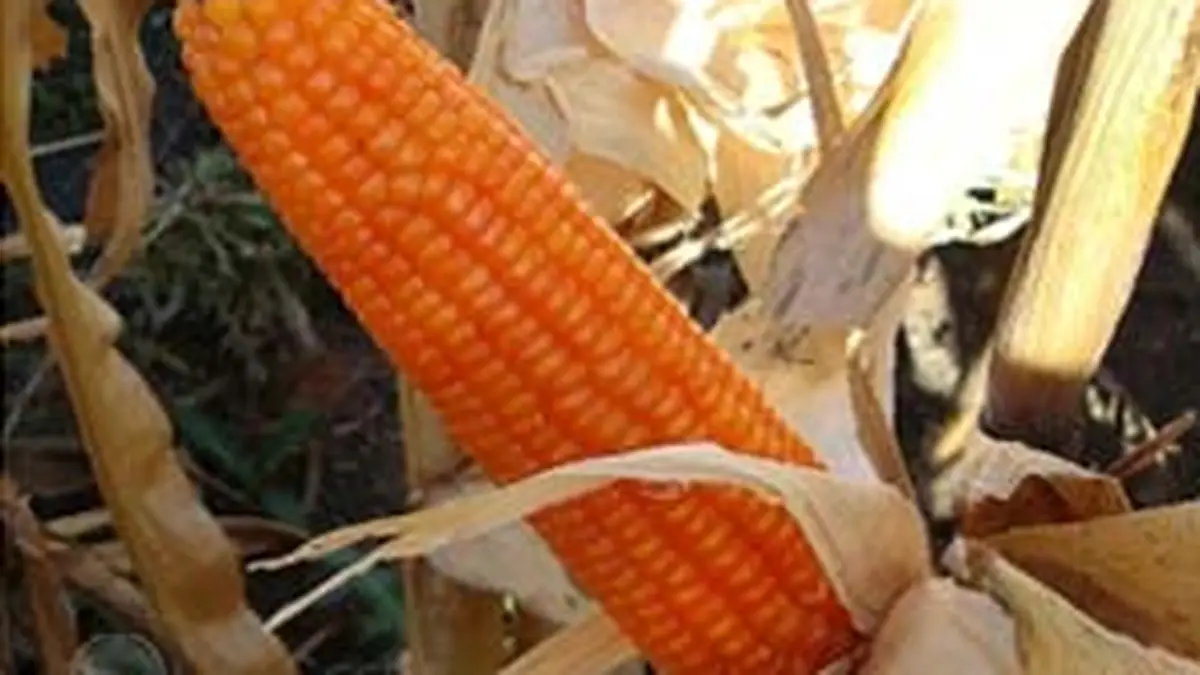
Otto Doering said that farmers in the American Midwest might have to shift to more climate-appropriate crops or management strategies to cope with the effects of climate change.
The Midwest comprise of Indiana, Iowa, Kansas, Michigan, Minnesota, Missouri, Nebraska, North and South Dakota, Ohio and Wisconsin, where most of the corn and other grain crops in the United States are produced.
Farmers from the areas on the drier western end of the Corn Belt might find it more profitable to drop corn altogether rather than rely on irrigation to boost production.
But even with climate change, Mr. Doering assured Indiana and the upper Midwest would continue to be the best corn-growing region in the country and might actually need to increase production. Double cropping can be practiced to increase the yield of wheat and soybean.
Double cropping – the growing of soy beans and winter wheat in the same crop year – is practiced only in Indiana and other southern counties because temperatures warm earlier in the spring and remain warm later in the fall.
«I think we’ll see more of the soybean-wheat double crop moving northward in Indiana, to the point where in 30 or 40 years we may see this kind of opportunity very viable for central Indiana,» Mr. Doering projected.
While the possible increase in the variety of crops that can be planted across the region sounds like a good deal, agricultural producers must still adapt management practices in order to mitigate the effects of climate change. Mr. Doering said that as the climate shifts in the region, farmers will be confronted with more metrological challenges.
“Rainfall variability with a smaller number of storms over the growing season and more intense storms are things we will have to watch out for,” he explained.
He forecasted Indiana’s climate would be similar to that of Virginia in the winter and Oklahoma in the summer by 2100. Winter temperatures in Virginia average to the mid- to upper 40’s and Oklahoma summer days usually reach 90.
Warmer winters could mean an increase in pests as they would have a greater chance of surviving the long winter.
“Another important concern with temperature as it relates to corn is pollination,” added Mr. Doering. “What we’d like to have is a situation where it may be hot in the daytime but there’s a drop in nighttime temperatures, which facilitates pollination.»
Climate change could affect crop agriculture in other ways such as seed varieties and soil erosion. Farmers must choose varieties that can withstand more challenging weather conditions to produce high-yielding crops.
With regards to biofuels, Mr. Doering recommended government policy on renewable fuels to be revisited because changes in the federal subsidy for biofuels and the overall production of biomass could impact the final destination of the crops.
Mr. Doering, who is also the director of the Purdue Climate Change Research Center, will address these climate issues during a talk at the Indiana-certified Crop Adviser Conference on December 14 to December 15 at the Indianapolis Marriott East.
Comentarios · 0
Normas ›Todavía no hay comentarios. Sé el primero en opinar.