Researchers in China found extensive uranium deposits in the Ordos Basin, which will influence uranium mining operations worldwide. As new discoveries appear, China moves toward major uranium mining and energy production leadership. Scientists have found a major Chinese uranium deposit that supplies abundant uranium to help China produce nuclear power for cleaner energy needs. This study explores China’s uranium deposit discovered in the Ordos Plateau and shows its importance through geological background. As nations switch to renewable energy China’s extensive uranium discovery will help direct global nuclear energy technology development.
The Ordos Plateau’s ecological significance and unique characteristics
China’s Ministry of Natural Resources revealed a large uranium reserve near Jingchuan in the Ordos Basin. The region’s first large uranium find in aeolian sandstone mining creates an important breakthrough for future exploration. The discovery adds more uranium sources to China’s energy mix, protecting its power supply stability. The China Geological Survey partners with exploration departments and mining companies to make this discovery possible. Mineral exploration breaks represent key elements in China’s nationwide mining development strategy.
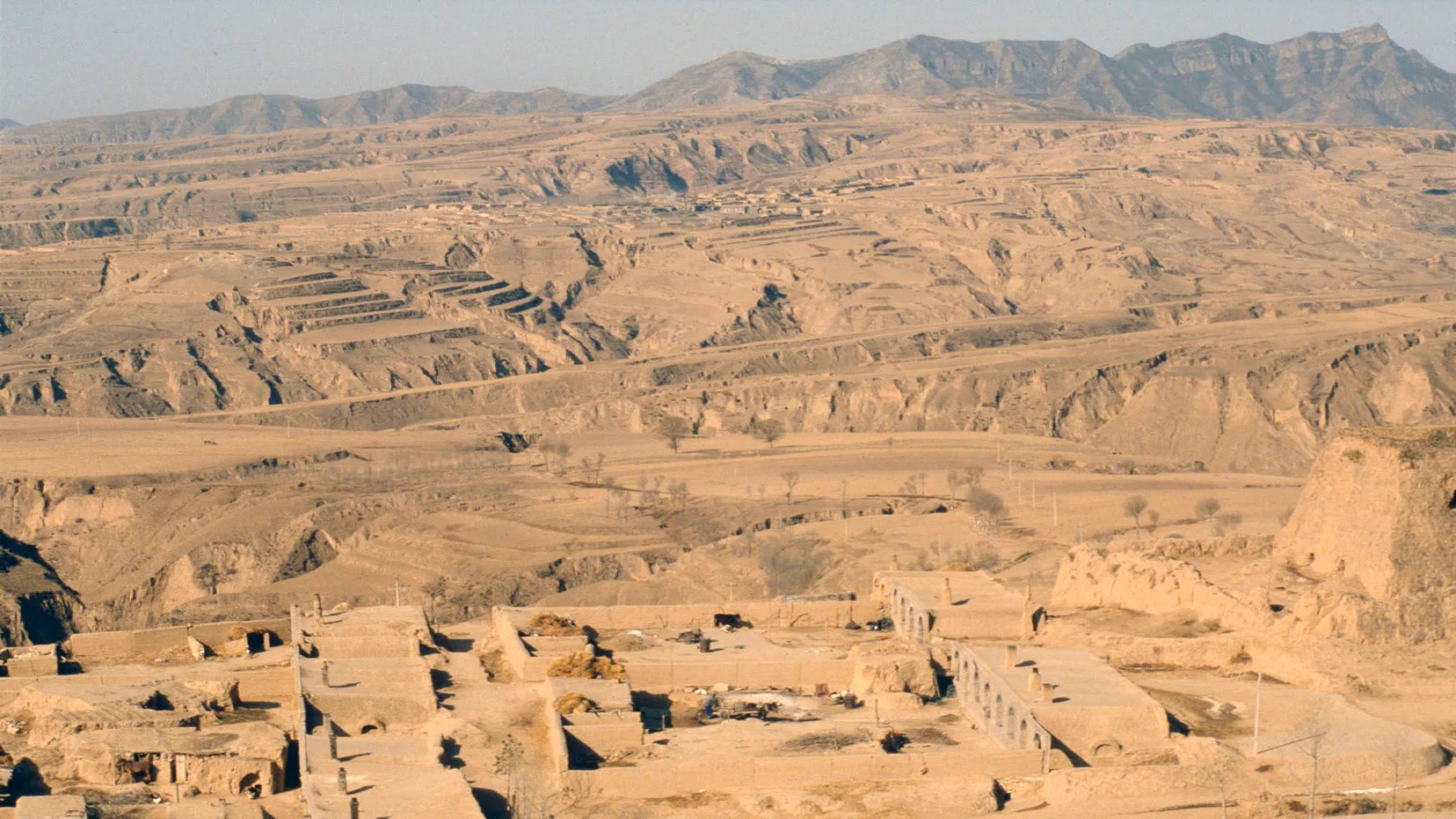
The Ordos Plateau sits inside the Yellow River’s huge curve within China’s borders. This ecoregion combines different natural settings into one with its moving sand dunes in the Hobq Desert and the Mu’us Desert that support steppe vegetation thanks to larger groundwater reserves. The Bojiang Lake Basin is a vital environment for the endangered relict gull. Despite issues the region deals with, desertification harms its farms and ranches and damages the air and soil quality.
Efforts against desertification through greenbelt forests create new water problems. The Ordos Basin’s uranium deposit can potentially disrupt the global uranium market. China will be able to rely less on imports and stockpile uranium, enhancing its energy security, and this finding will enable China to change the market. This is an important development since the world is transitioning towards cleaner energy sources, and nuclear power is necessary to reduce carbon emissions.
This is the challenge of trying to maintain a balance between economic growth and environmental protection.
There were also significant advances in lithium exploration by China, which meant that the country was not solely dependent on uranium. This boosted its share in the global lithium reserves, subsequently making it a powerhouse in the new energy sector. This was another example of China cementing its grip on the global mineral resources market.
The market attractiveness of uranium profits faces major environmental challenges. When companies extract and process uranium from the ground, they create environmental damage by killing habitats and making water unsafe for human use while also producing radioactive waste. China needs to build safe mining practices and strong environmental rules to keep these risks from happening.
The steppe plant communities and sensitive wildlife populations of the Ordos Plateau environment demand special protection. Properly using water supplies helps us stop pollution from getting into local streams and underground water systems. Using advanced mining processes that benefit the earth will help us protect the environment during this resource discovery period. The region will only thrive ecologically if it successfully combines industrial development and environmental protection.
A new era of resource exploration with long-term considerations
Scientists in China have achieved important progress in mineral discovery by finding a large uranium deposit at Ordos Basin. China’s Macrobasin uranium discoveries contribute to reliable power supplies at home and steer global uranium market dynamics. Finding uranium demands, we create safe mining practices that defend our environment.
The Ordos Basin region stands apart from its native ecosystems, so exploiting its minerals requires careful stewardship of those systems. While tapping into China’s mineral resources, the country needs to work hard to protect the environment of the unique Ordos Plateau area. Sustainable techniques help us protect nature when we extract uranium from its reserves. China must build its economy alongside nature conservation since current users should manage resources well before giving them to future generations. Our future development must achieve this balance for us to thrive.