Sustainable mobility continues to face a challenge that many have described as insurmountable, although perhaps it could be the exact opposite. The range anxiety that zero-emission engines have is a problem that worries carmakers. However, it could all be a bad memory with the 1.5-million-kilometer car batteries. How have they managed it? It’s all down to zero degradation.
The 1.5-million-kilometer battery is now a reality: EVs will change forever
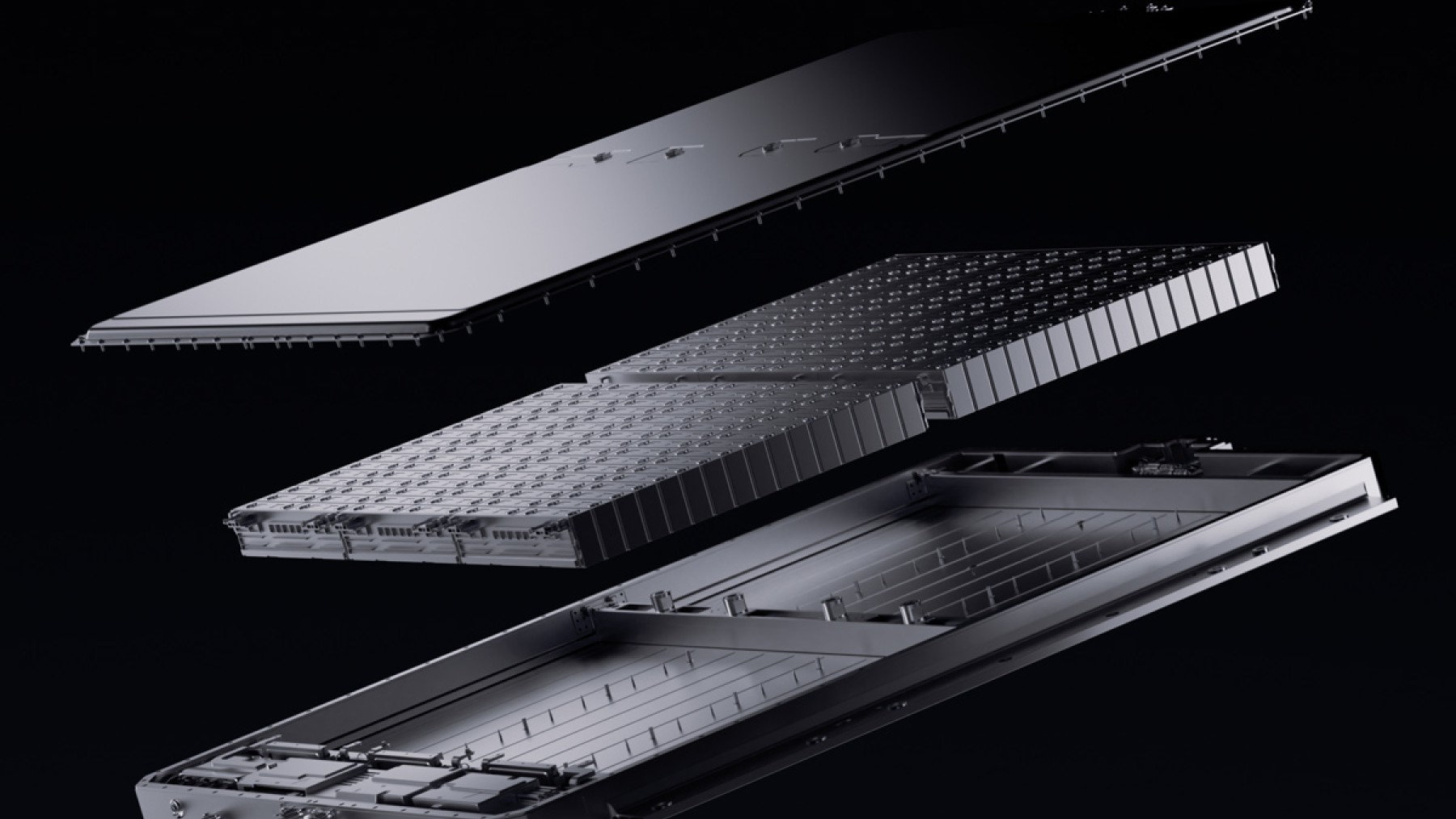
An amazing news came up from Contemporary Amperex Technology Co. Limited (CATL), a Chinese battery manufacturer and technology company. They have developed a new electric vehicle (EV) battery that is capable of generating power for the electric vehicle traveling 1.5 million kilometers (over 930,000 miles).
It would be the initial mass-manufactured EV battery to have the lifespan of service enough to be compares favorably to conventional batteries. Assets of this new technology for battery is to a minimum decrease in battery range, an assurance of high quality batteries as well as reduce the uncertainty of range anxiety.
Their confidence can be seen from the warranty given not just on the increased quality but also on the durability of the product itself that covered degradation (less than 10%) during the first 1.5 million kilometers travelled or 15 years which happened first. The batteries cells utilize the newly patented M3P chemistry of CATL.
CATL has achieved a milestone in EVs: the new battery that soars autonomy
CATL, the battery maker, also recently disclosed an innovative electric vehicle (EV) battery technology where its compatibility with 1.5 million kilometer (930,000 miles) warranty and can survive 16 years more. This feature makes it outperform even the best available lithium-ion batteries.
This is the case as CATL its claiming that the battery won’t lose more than 20 percent of the initial capacity within 1.5 million kilometers of driving with a proper maintenance. Envisage an EV’s batter life after about 430 (1000km /250) cycles.
Molecule stability combined with innovations in heat management and battery management systems by CATL allows the lithium-metal phosphate battery to last over 3000 cycles. Disruptive technologies such as this achieve their aims by implementing dimming mechanism which involves the precise monitoring of temperature.
Those million-mile batteries are in fact built in China by CATL. By adopting modern manufacturing techniques and rigorous QA practices, the firm produces an LFP battery boasting an extraordinary lifespan. The cells must be produced at a premade factory room with thorough and carefully thought-out methods to avoid pollution.
Lithium-ion batter technology, the most advanced invention in sustainable mobility
The new battery CATL brings the novel lithium-ion battery technology with a few essential advantages in comparison to the traditional lithium-ion batteries. Perhaps the most remarkable thing is that it extends our lifespan into centuries.
In the near future, the continueuous growth of electric vehicles is absolutely expectable because of the high performance of electricity. Long-term, an EV of this range could go through the distances of more than 1 million miles in its operation and actually survive without a battery change.
The curious thing is that the range of autonomy has been extended with a semi-solid battery, which are the most commonly used in this sense. This is owing that the replacements of batteries will not be as often. That says a lot instead of waste and use of resource to produce new batteries.
In the light of everything, CATL’s new battery guarantees the extreme durability. It is able to shift the game. Therefore, It can significantly reduce the running costs and simultaneously extend the range of EVs for long distance driving which is only possible for the one vehicle.
The 1.5-million-kilometer car batteries like this could put an end to the biggest problem facing zero-emission vehicles today. The truth is that there is still one small-big drawback, and that is that it would only apply to electric vehicles. What about hydrogen? At the moment, there is no such major innovation in this regard, although one could emerge and we will tell you about it soon.