While the European Alps have long been celebrated for its breathtaking landscapes, Europe has finally unveiled the secret of the Alps- the Alps immense potential in hydropower generation. With over 550 hydroelectric plants exceeding 10 MW in capacity, the Alps can produce an annual output of 2,900 GWh of electricity. Such a significant value of the Alps now sees the Alps playing a vital role in Europe’s renewable energy landscape. Yet, with this vast energy potential comes ecological considerations that need to be kept in mind.
More about the Alpine Hydropower
Although hydroelectric power has been harnessed in the Alps for many decades, the most recent idea is to capitalize on the region’s abundant water resources and mountainous terrain. The 550 plants that have capacities over 10 MW are a testament to the area’s suitability for large-scale hydroelectric generation. This infrastructure provides a substantial portion of the region’s energy needs but further contributes to the European Union’s renewable energy targets.
The importance of hydroelectric plants in the region’s energy mix has been emphasized by The Alpine Convention-a treaty aimed at sustainable development in the Alps. All of their operations are in support of grid stability offering a renewable alternative to fossil fuels. At this point though, the environmental impact of such intensive hydropower usage cannot be overlooked.
Environmental and other ecological concerns
Hydropower is becoming widely known as a clean energy source, however, its usage in the Alps has led to significant ecological challenges. The development of large dams and reservoirs has changed natural watercourses and tempered with aquatic ecosystems. All these ecological changes means that species migration is a possibility and sediment transport is also disrupted. There are also noticeable changes in the water quality and biodiversity.
When working with these plants, frequent flooding can occur which will decrease benthos biomass and simultaneously affect the health of aquatic habitats. Another point brought forward by the WWF is that not all hydroelectric power can be considered to be ‘clean’ energy, more so when installations depend entirely on non-renewable sources such as coal or nuclear power for pumping water to reservoirs.
Sustainable Practices and Future Directions
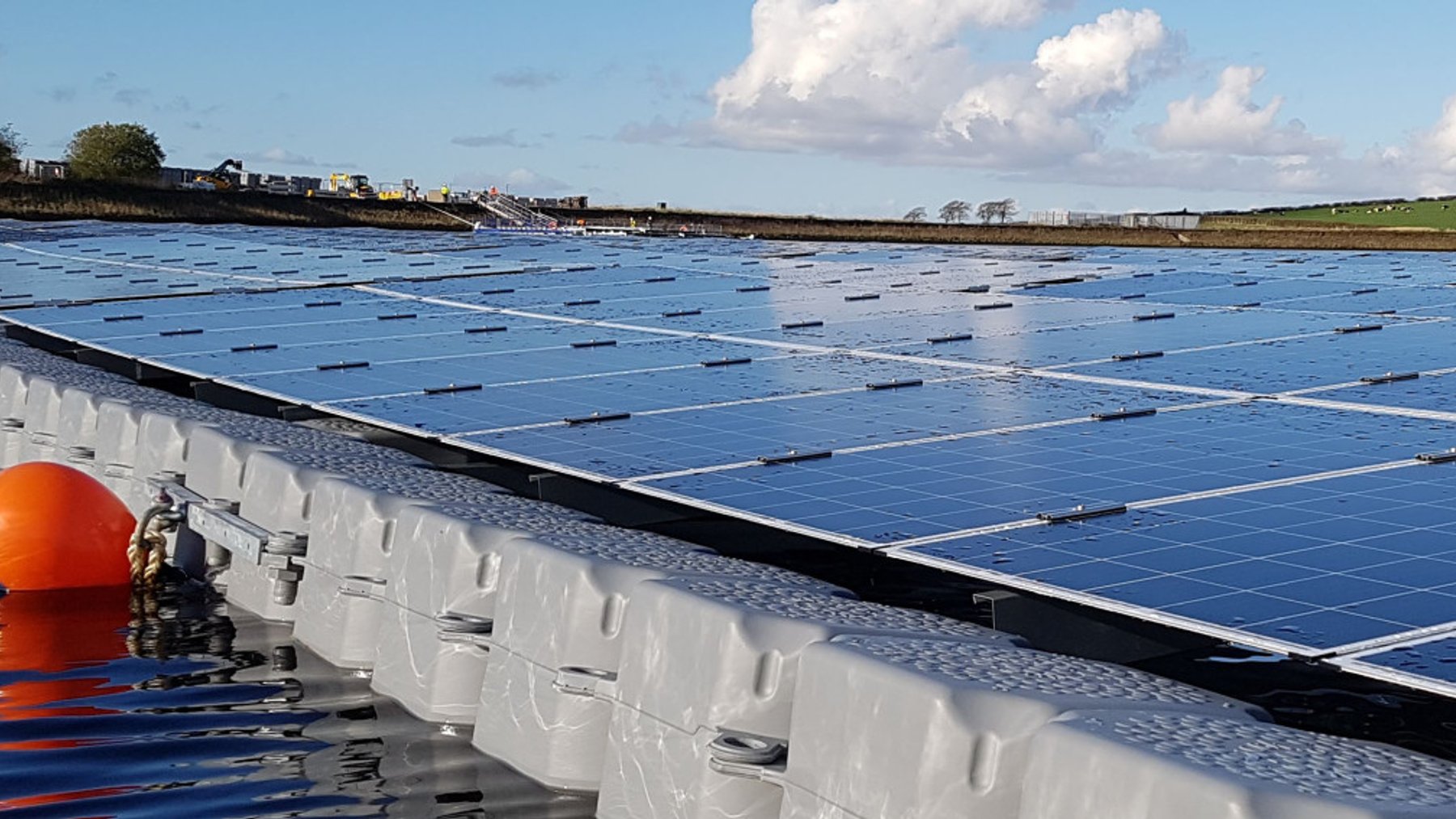
To alleviate some of the proposed ecological challenges, organizations like CIPRA have suggested guidelines for more sustainable hydropower practices in the Alps. The first step is to ensure more thorough planning so as to prioritize energy conservation over increased energy production. Further recommended options include renovating existing hydropower plants and removing outdated ones so as to reduce the overall environmental impact. Perhaps, Switzerland covering the Alps with solar panels is something worth taking note of when trying to understand the future decisions for the Alps.
In order to protect pristine freshwater ecosystems, the CIPRA advocates that intact rivers and mountain streams be preserved from energy exploitation. The organization encourages the reevaluation of small hydropower projects with hints that they should be kept for the local needs in isolated regions rather than being integrated into the broader regional and national energy planning.
Ensuring an intricate balance in the Alps
The hydropower potential of the Alps surely is a double-edged sword. While the Alps is a renewable energy source that can contribute significantly to Europe’s energy needs, the environmental costs associated with large-scale hydroelectric projects calls for a more balanced approach. While ensuring energy production, it needs to be done in a way that it does not affect the ecological balance in any way.
With Europe advancing more strongly towards renewable energy sources, the Alps play a critical role. This role, however, must be managed with a solid commitment to sustainability and ecological preservation. While adhering to guidelines and regulations that puts environmental health first, the region’s hydropower potential can be harnessed in such a way where the Alps’ natural heritage is preserved for future generations.
The revelation of the secret of the Alps makes it clear that shocking discoveries have been resting for millions of years.