Everyone already knows that we are racing against time to create methods that generate clean energy effectively and affordably, and now, rivers can contribute. And when this subject comes up, a lot of talk is about wind and solar energy, the latter being one of the most widespread so far. Taking advantage of this power of solar energy, experts are studying how to combine two resources that could be the key to creating the largest energy project in the world: rivers and the sun.
But since when do sun and water mix?
Ever since we were little, we’ve been taught in school that dry places with lots of sun cause water shortages. For example, in arid regions, the sun’s heat ends up evaporating thousands of liters of water per day from canals and reservoirs. And this loss has a direct impact on the region’s water supply, makes life very difficult for farmers and always raises the issue of what to do to end these problems.
Okay, but how will combining rivers and the sun make us have more clean energy if they don’t communicate with each other? I know that’s what you must be asking, so let’s go: even if the sun dries up our water sources, it still carries immense energy potential, which is often wasted. And that’s where the idea comes in: what if the light that evaporates water could, at the same time, generate clean energy? That’s what the state of California thought.
The project that will increase energy efficiency as we know it
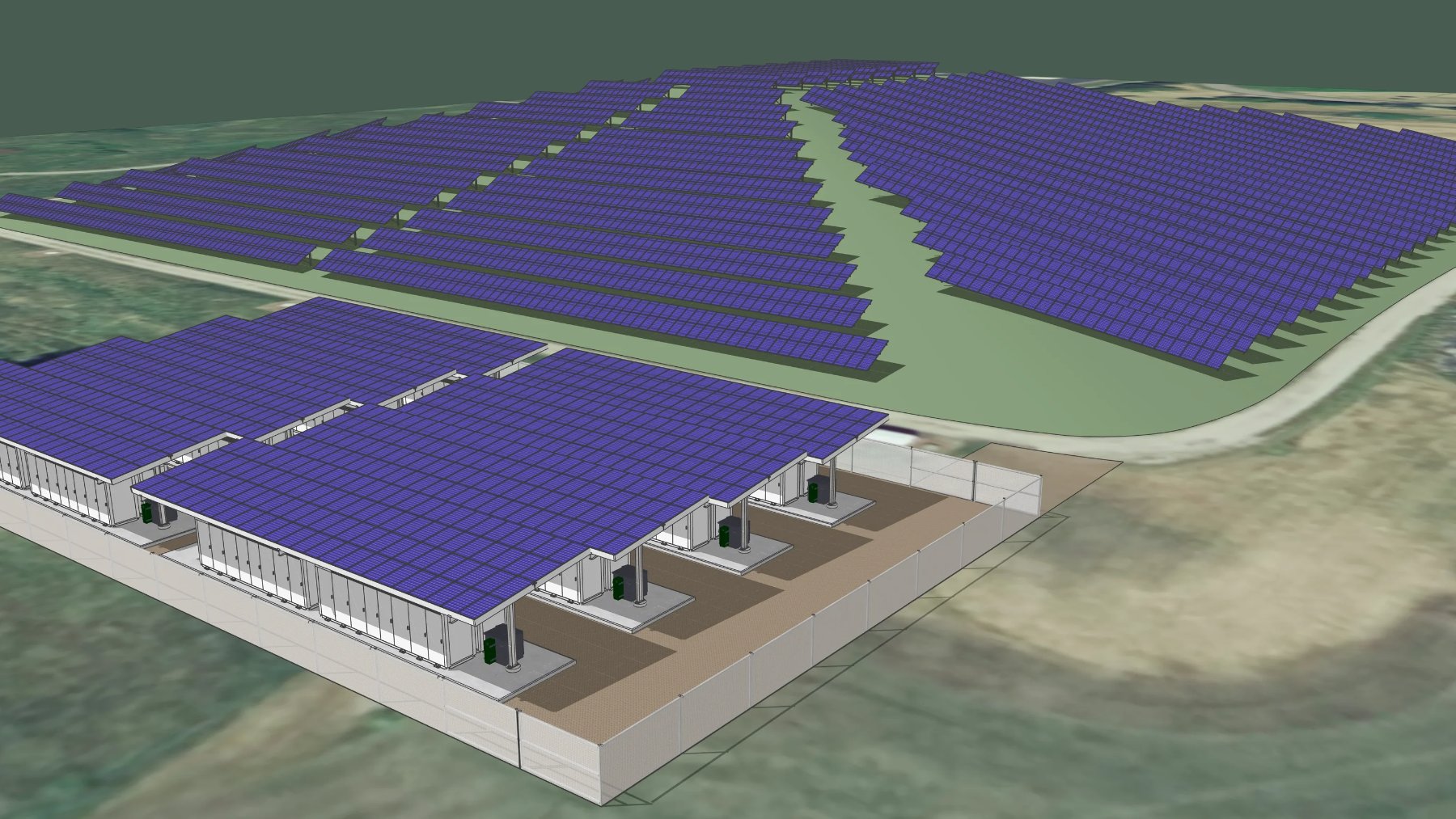
This bold project was led by the California state government itself, together with the US federal agency: the Bureau of Reclamation. What it aims to do is: install solar roofs, the famous photovoltaic panels, over all stretches of irrigation canals. In other words, the goal is to produce renewable energy while preventing the evaporation of drinking water – the best of both worlds.
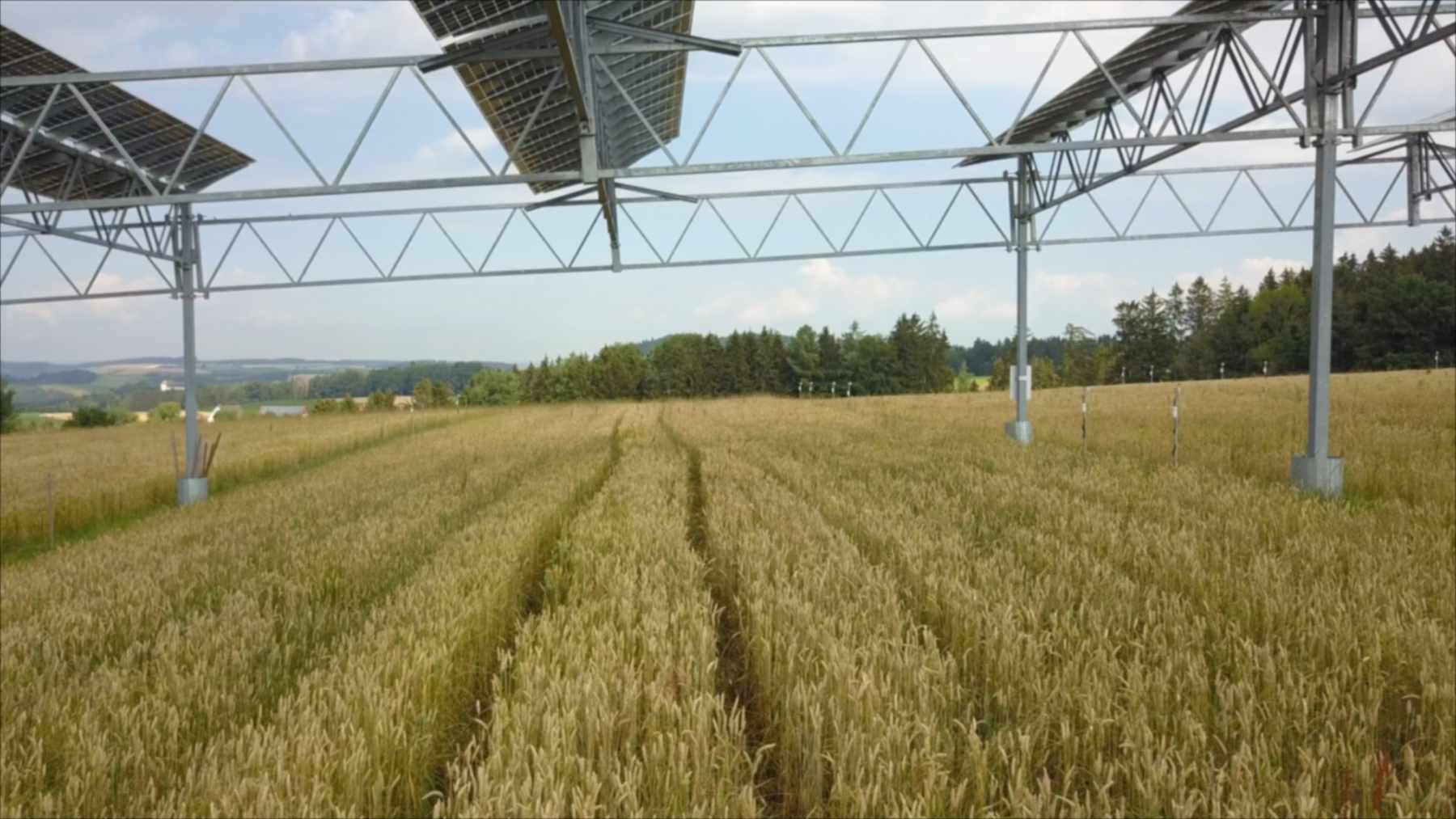
As this idea is still in its early stages, the first test will be carried out in the Delta-Mendota canal, in Merced County, which is in the interior of California. To put everything into practice, floating/fixed structures will be used to support the solar panels (such as those that are the most effective in the world) over the river courses, without impeding the flow of water or compromising the transportation and maintenance of the canals.
One of the main difficulties of any renewable energy project is its cost. For this idea, it has already been announced that the initial investment is US$ 19 million, with US$ 15 million being focused solely on research itself and the development of all the necessary technology.
Looking at these numbers, it is clear that, at first, the values seem very high, however, we need to remember that in addition to protecting the water, the solar panels naturally cool the running water to increase its energy efficiency by up to 3% when compared to conventional systems on dry land.
What made this state come out ahead with this project?
In addition to the energy crisis that the entire world is facing, the state of California is one of the regions most affected by droughts and water crises. In addition, this state already stands out for its investments in renewable energy, so they combined the need with their experience to create the project.
California Governor Gavin Newsom explains:
“The idea is simple: use the infrastructure we already have to solve two problems at once. It’s clean energy and water conservation without competing with agricultural land”
If you think this is the only innovative project happening in California, recently, residents noticed a strange UFO-like object that operates at 1500ºC and interacts with the Sun. Not much is known about it yet, but could it be aliens helping us find a clean energy source?