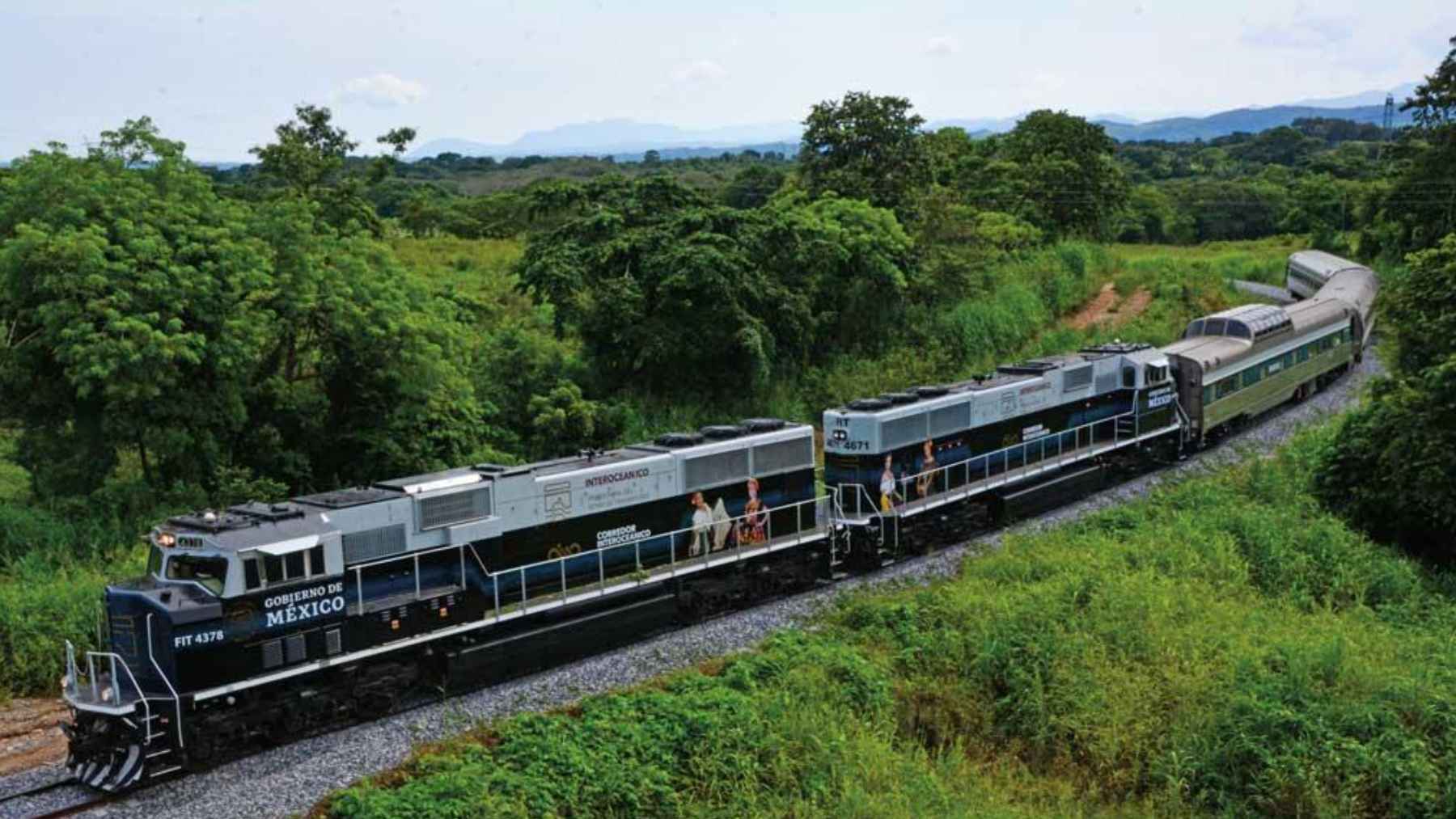
A renewable train that comes to achieve an important change in the mobility of the American continent has ended up resulting in a paradox. The idea was to use an innovative fuel and pay homage to a vanished culture, but it has ended up destroying the few traces we had of it. Find out what has happened and what has a whole continent in shock.
Train lines in America, a problem: why do we have so few of them?
Passenger rail in the U.S. today conjures images of an era long ago, as a significant share of the system lies derelict or repurposed for freight. The same is apparent in case of Mexico and Canada (and rest of Latin America though now we will focus only on the first one).
Across the twentieth century the nation redirected this effort and financial support from rail to passenger to automobiles and air travel. However, where the issue of emissions is becoming very prominent, this struggle of resuscitating railroad travel is gathering pace.
Amtrak’s Northeast Corridor getting $16 billion from Biden’s administration signals possibly a change in focus. In spite of the large American rail network, the passenger rail systems are way behind Asia and Europe.
It demands more funds and building of high-speed trains. Sceptics remain unconvinced about their possibility and the rationality of such investments. The Biden administration’s focus on infrastructure as an expense seems promising.
This train was to be a tribute to a vanished civilization, but it has just caused a lot of damage
Mexico’s megalomaniac Maya Train project arising off its Yucatan Peninsula has alarmed environmental specialists over the possible degrading effect on particular ecosystems, mainly the labyrinthine underground caves that have been sheltering other antiques of settlements across the continent.
Although part of the 965-mile railway network has already started running, environmentalists fear to see the destruction the other expected routes might cause to the delicate ecosystems.
The federal government gave initial promises which were against the satellite images that showed extensive deforestation and not fulfilment of promises to protect the region’s natural heritage. This region is the most hidden one with respect to the underground Mayas traces.
The fact that the project creates a huge environmental impact is proof that it is difficult to harmonize growth with ecological conservation. There have been interrogations and insistence on accountability by concerned stakeholders.
New problem of the Maya Train: unexpected deforestation in an invaluable area
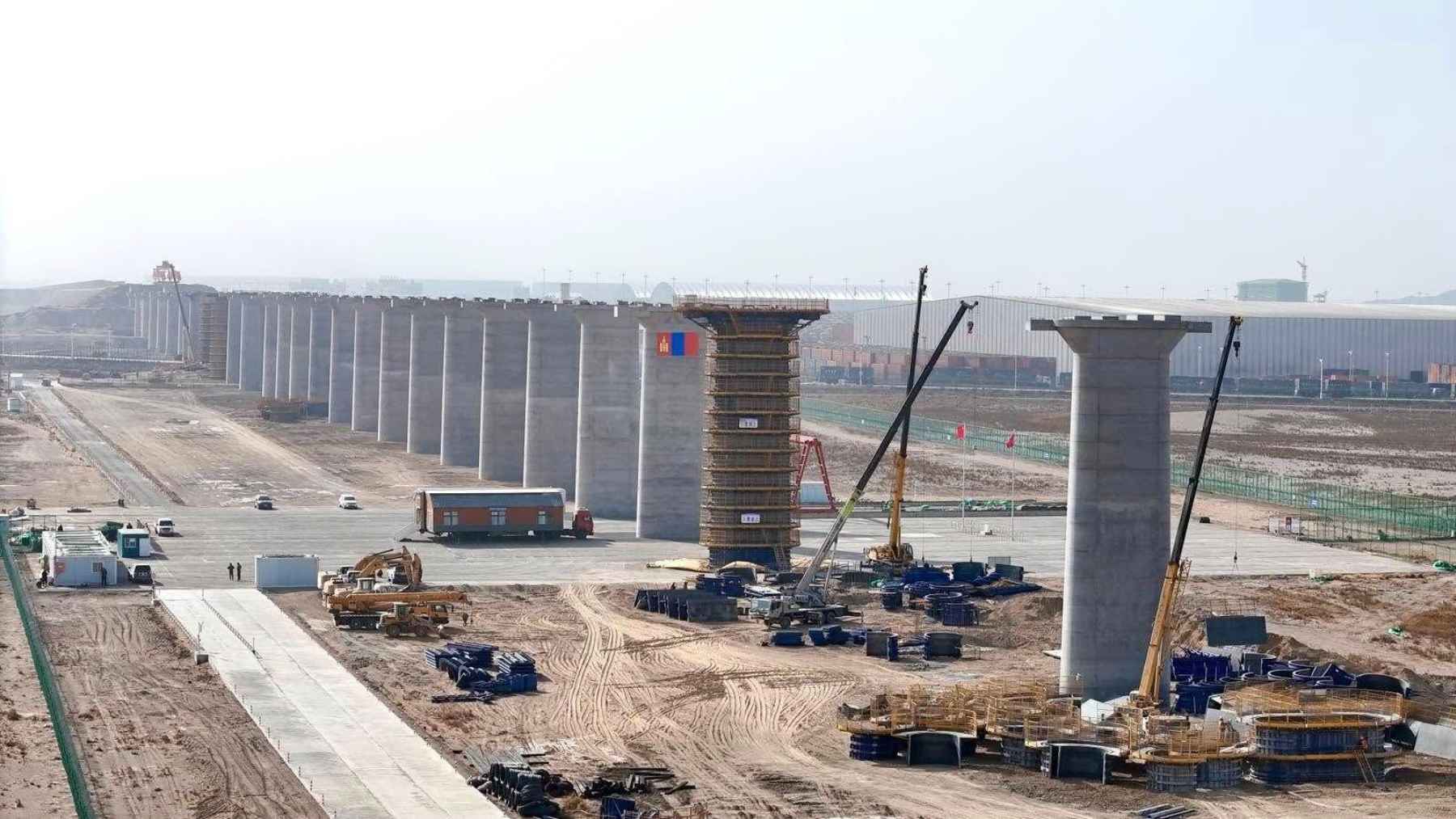
The unwanted effects of the Maya Train initiative are clearly seen as massive clearance of forest across one of the most forested places. Satellite analysis shows the marked differences between the green surface of 2018 and the deserts which were created.
All the habitats lost when the forests undergo transformation into infrastructure instalments such as tracks, stations, and storage areas respectively have been measured to be in the thousands of hectares. Surprisingly, not even one of the president’s promises was made to cut down a single tree…
However, a sizeable part of the deforestation transpired without the necessary approvals, an act contravening the environment regulations aimed at protecting natural resources. The Mexican bureaucracy is quite obstructive in this area, which has been stated.
The gap between official pledges and the ground realities drives the need to deal with the environmental issues and have transparent governance in the large-scale development programs.
As you can see, this renewable train is intended to be a before and after -both in a good and bad way-. The key is that they will bring about a change in the way we conceive mobility, although it has shown us that we must take care of the relics that other civilizations have left us so that innovation does not destroy them.