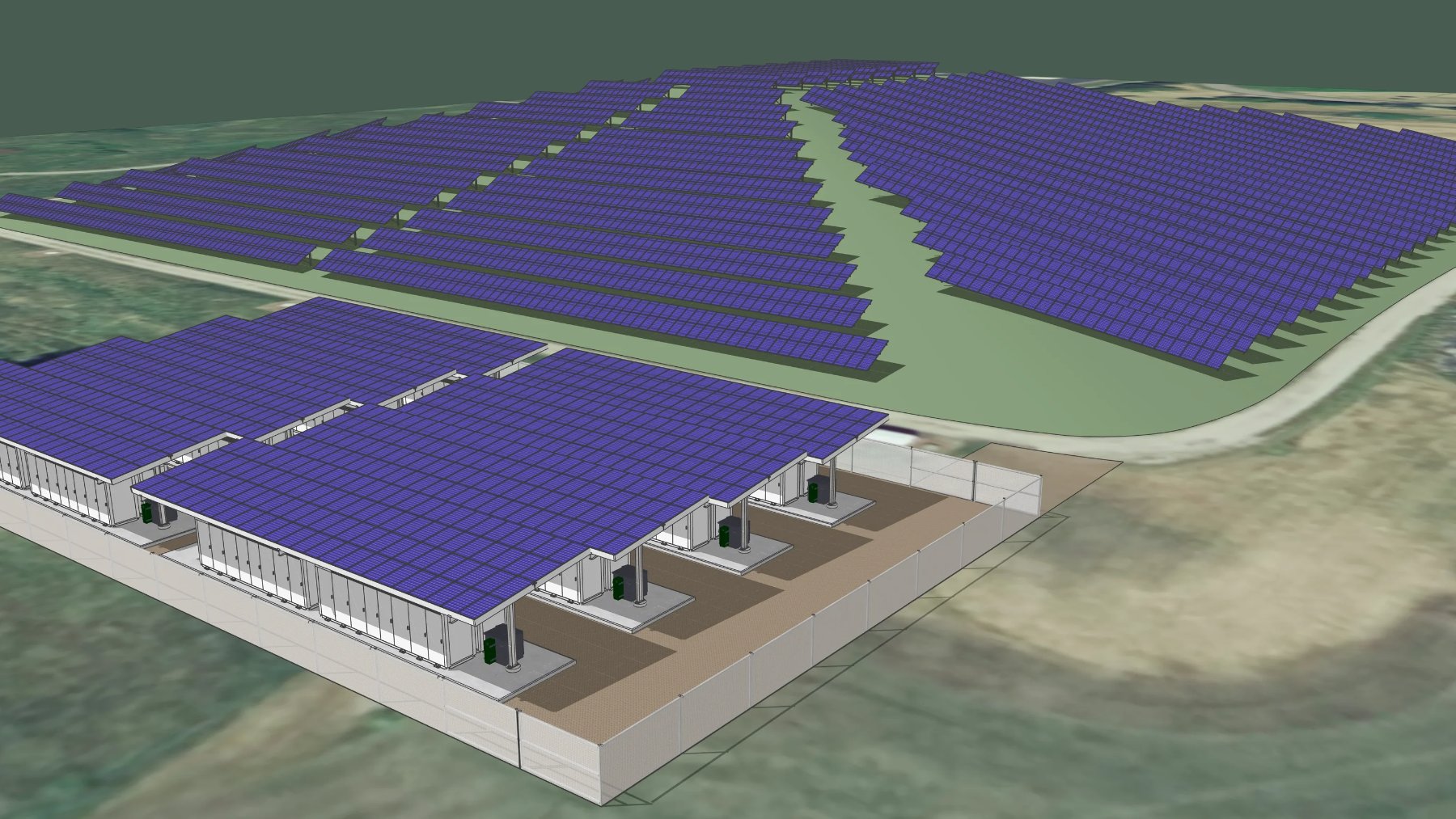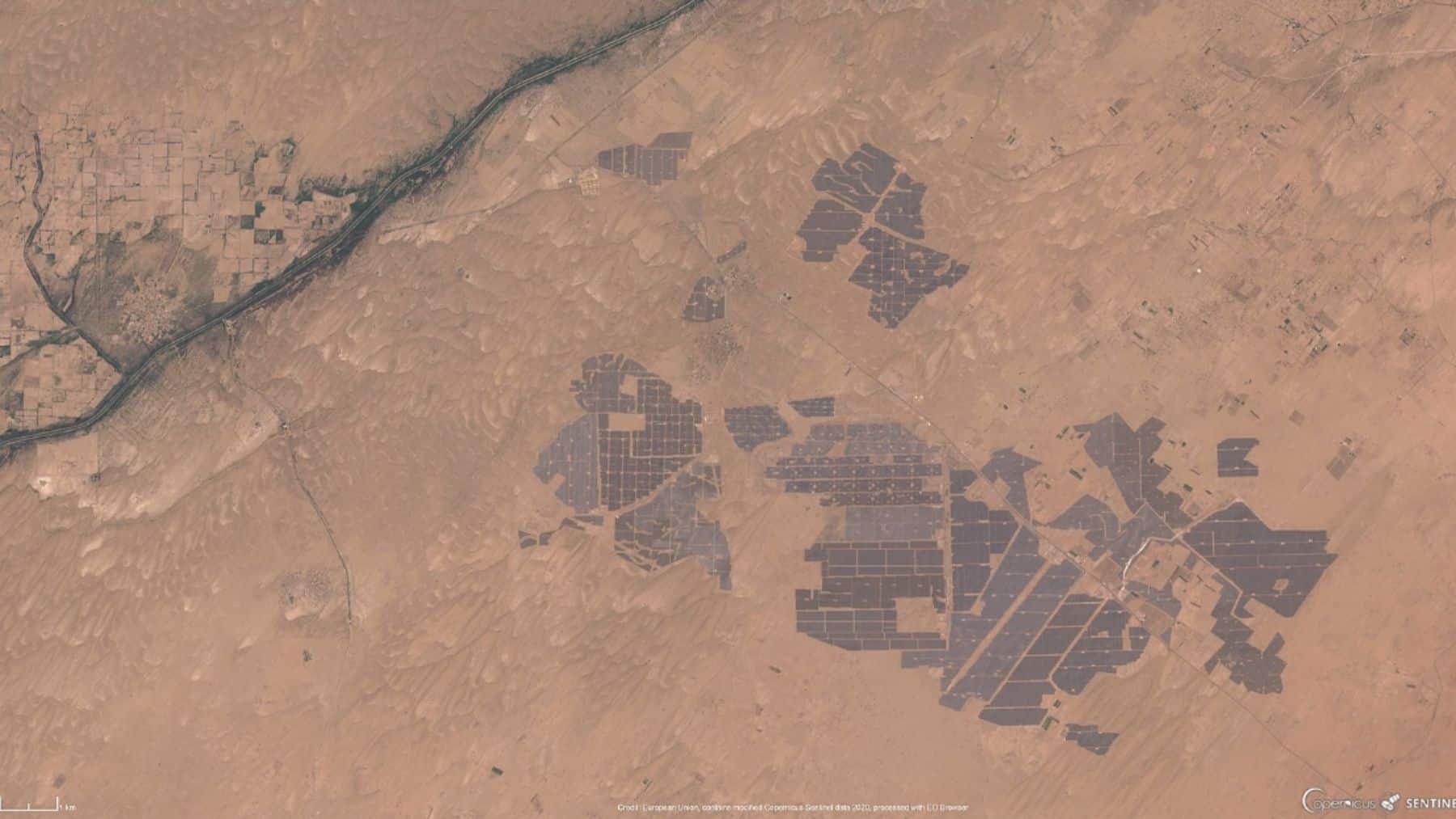
10,00,00 solar panels in a park generating over 2,000 MW of power are visible in a park in one unexpected Asian country. It is rather startling that we are turning our focus on Bhadla Solar Park in the Rajasthan desert in India. Today, Bhadla Solar Park can be viewed as one of the largest solar parks in the world and is a sign that other Asian countries are stepping up to the plate when it comes to harnessing renewable energy. Surprisingly, China is not making headlines for such a solar panel achievement, but rather India is stealing the spotlight, and perhaps the sunlight too.
Harnessing solar power in Rajasthan’s desert
About 220 kilometers from Jodhpur is Bhadla Solar Park, created as per India’s Ministry of New & Renewable Energy (MNRE) initiative, which is set to promote large-scale renewable energy projects. In the area where the Solar Park has been established, the solar irradiation is on average 5,72 kWh/m² per day. With such immense potential to harness the sun’s power, it is no wonder why construction began in July 2015.
During the initial phase of construction, solar panels in the park were delivering about 75 MW. With the fourth phase of construction, Adani Renewable Energy and other developers could develop gigawatts of power. In this solar park, important players are SoftBank (backed by SB Energy, ACME Solar, Hero Future Energies, ReNew Solar Power, and Azure Power). Such leading companies are seeking to rediscover ways that we power our homes and reconsider the cleaner energy game in its totality.
Understanding the motive behind Bhadla Solar Park
India wants to absorb the sun and Bhadla’s Solar Park is one project that seeks to do just that. So far, the project has scored $1,4 billion in total investment from the Climate Investment Fund which is backed by banks such as the Asian Development Bank (ADB).
Bhadla Solar Park was able to scale almost effortlessly from concept to completion and in the process avoided about 5,6 million tonnes of CO₂ emissions yearly due to its solar effort. The park tends to be home to over 10 million photovoltaic modules. With companies like Ecoppia offering robotic solar panel cleaners to prevent dust from reducing performance, it is no wonder why these photovoltaic modules are geared for performance.
The only problem that India faces is that it is difficult to connect solar panels to the national grid. During the initial stages, solar panels were built quickly and readily, but no evacuation systems were ready, which was a costly mistake. With this project, India has realized that building solar panels was the least of its worries.
Taking a page out of India’s solar initiative book
When 5 million solar panels were connected for the first time, no one anticipated the results, so when Bhadla shifted the focus from more than just a power plant, the results were significant. India showed the world, including China and the U.S.A., that having the correct infrastructure and incentives could pave the way forward to a cleaner energy pathway.
With Bhadla’s Solar Park being completed, the focus is not at all shifting away from harnessing the most power possible. Basically, the initiative saw the 2022 solar capacity surpassing its target a good four years early. Prime Minister, Narendra Modi, is keen on the net-zero agenda proposing to adhere to the mission of net-zero power by 2070.
With the solar panel cost being down by 85% as per the International Renewable Energy Agency, many countries too are looking at stepping away from the commonly relied upon fossil-fuel infrastructure. India surely is one country trying to beat the clock with its 10 million solar panel farm that may very well allow the country to reach its cleaner energy goals in record-breaking time.
Disclaimer: Our coverage of events affecting companies is purely informative and descriptive. Under no circumstances does it seek to promote an opinion or create a trend, nor can it be taken as investment advice or a recommendation of any kind.