As the automobile world looks towards more sustainable energy solutions for carbon carbon-neutral world, Volkswagen has unveiled a surprise addition to their alternative energy projects. The electric engine has taken the automobile world by storm, with nearly all major automobile developers and manufacturers now offering an electric model in their vehicle lineup. However, not all developers have placed their bets entirely on electrical power and are looking at creative and innovative ways to diversify their alternative engine solutions.
The electric engine rises in popularity
With the imminent threat of irreversible climate change damage upon us, the automobile world is gearing up to embrace a future without the internal combustion engine. The most popular solution to this has been the electric engine. With engine designs ranging from pure electrical solutions to plug-in hybrids, many automobile manufacturers have invested in electrical power as part of their alternative engine additions.
Electrical and battery engine technology has risen in popularity, particularly in the last decade, thanks to not only increased advancement and capabilities in the technology itself but also due to the increased prevalence of widespread charging infrastructure. In addition, companies such as Tesla have successfully managed to brand electric vehicle technology as a luxury product, making it appear more desirable to consumers.
German automobile company Volkswagen offers the following electric engine solutions:
- The I.D. 4 SUV
- The I.D. Buzz
This year saw the release of the I.D. Buzz, an all-electric van based on the design of their iconic vintage minibus. The vehicle blends the beloved designs that ground the brand’s legacy while continuing to look towards the future. However, in addition to their electrical innovations, Volkswagen is working on an additional project, finally unveiled to the world last year.
Volkswagen unveils its newest alternative engine plans
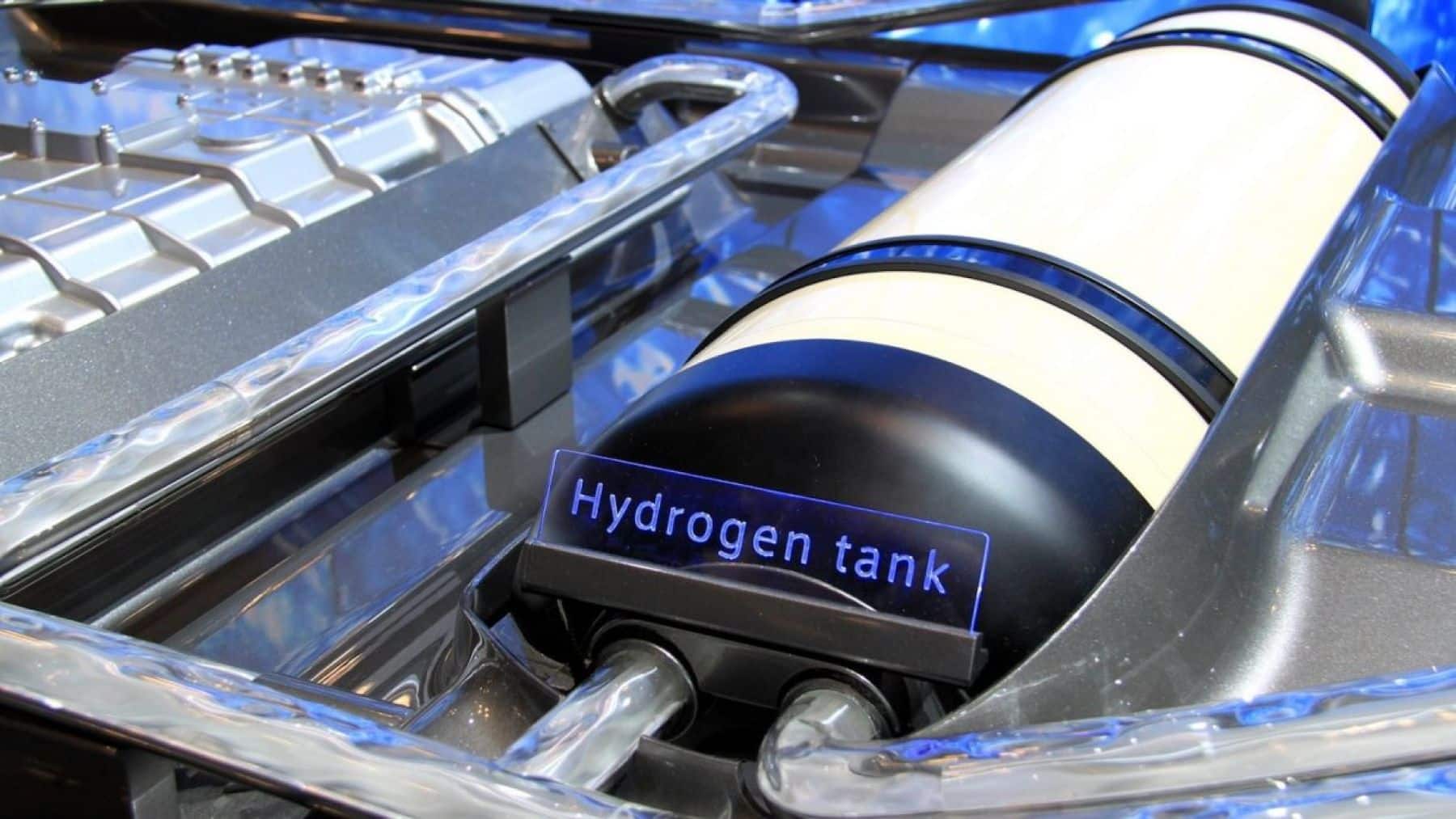
While electrical engines have been the most popular route towards sustainability in passenger vehicles, hydrogen fuel-cell technology is also on the rise. Pioneered particularly by Asian automobile developers such as Toyota and Hyundai, the technology is fast becoming a complement to electrical engine solutions, and Volkswagen is planning to hop on the bandwagon.
Last year, Volkswagen filed a patent for a vehicle operating on hydrogen fuel-cell technology. The project is reportedly being developed with the German firm Kraftwerk Tubes. To make the vehicle more affordable, the vehicle would reportedly use fuel-cell technology, which contains a ceramic membrane as opposed to a polymer membrane seen in most hydrogen-powered vehicles on the road. Hydrogen fuel-cell technology offers the advantage of releasing zero emissions when in use, with water being the sole byproduct.
Could hydrogen and electric tech achieve carbon neutrality?
The diversification of automobile companies looking towards multiple alternative engine solutions to achieve carbon neutrality offers promising progress towards eliminating the internal combustion engine for good. However, the journey will be a long and expensive one, as the problem lies not in ensuring that widespread infrastructure to support these engines is available to consumers, along with a more friendly price tag.
Currently, the internal combustion engine still maintains dominance on the road by a landslide, with 2023 seeing over 60 million internal combustion engine vehicle units sold globally compared to under 20 million for electric vehicles, according to data from the International Energy Agency. However, since 2018, internal combustion vehicle sales have been falling while the sale of electric vehicles has been increasing.
These trends highlight how consumers are coming around to the idea of embracing alternative engine technology. Some nations have, in fact, all but eliminated the internal combustion engine thanks to collaborative efforts between governments and stakeholders to incentivize consumers to go electric. Thanks to commitments and developments like those seen by Volkswagen, the next decade may see an exponential increase in alternative engine solutions on the road.
Disclaimer: Our coverage of events affecting companies is purely informative and descriptive. Under no circumstances does it seek to promote an opinion or create a trend, nor can it be taken as investment advice or a recommendation of any kind.