You know that bitter feeling when you open your energy bill and see that almost all of it has been swallowed up by heating, cooling, and hot water? You’re not alone in that. These three items consume, on average, more than 70% of your home’s energy. That’s already a burden on your wallet, but it’s even more so on the planet. Much of that energy comes from harmful fossil fuels. What many people don’t realize is that the problem isn’t just how much we use, but also the times at which we use it.
Homes at a crossroads: Old heat or a hidden alternative?
One of the biggest culprits in this scenario lives inside our homes. We’re talking about gas furnaces, old heaters, and inefficient air conditioning, champions of waste. And that’s where the question that’s been nagging at engineers and consumers alike comes in: how can we reduce this bill without sacrificing comfort? Well, in recent years, a solution has begun to take shape.
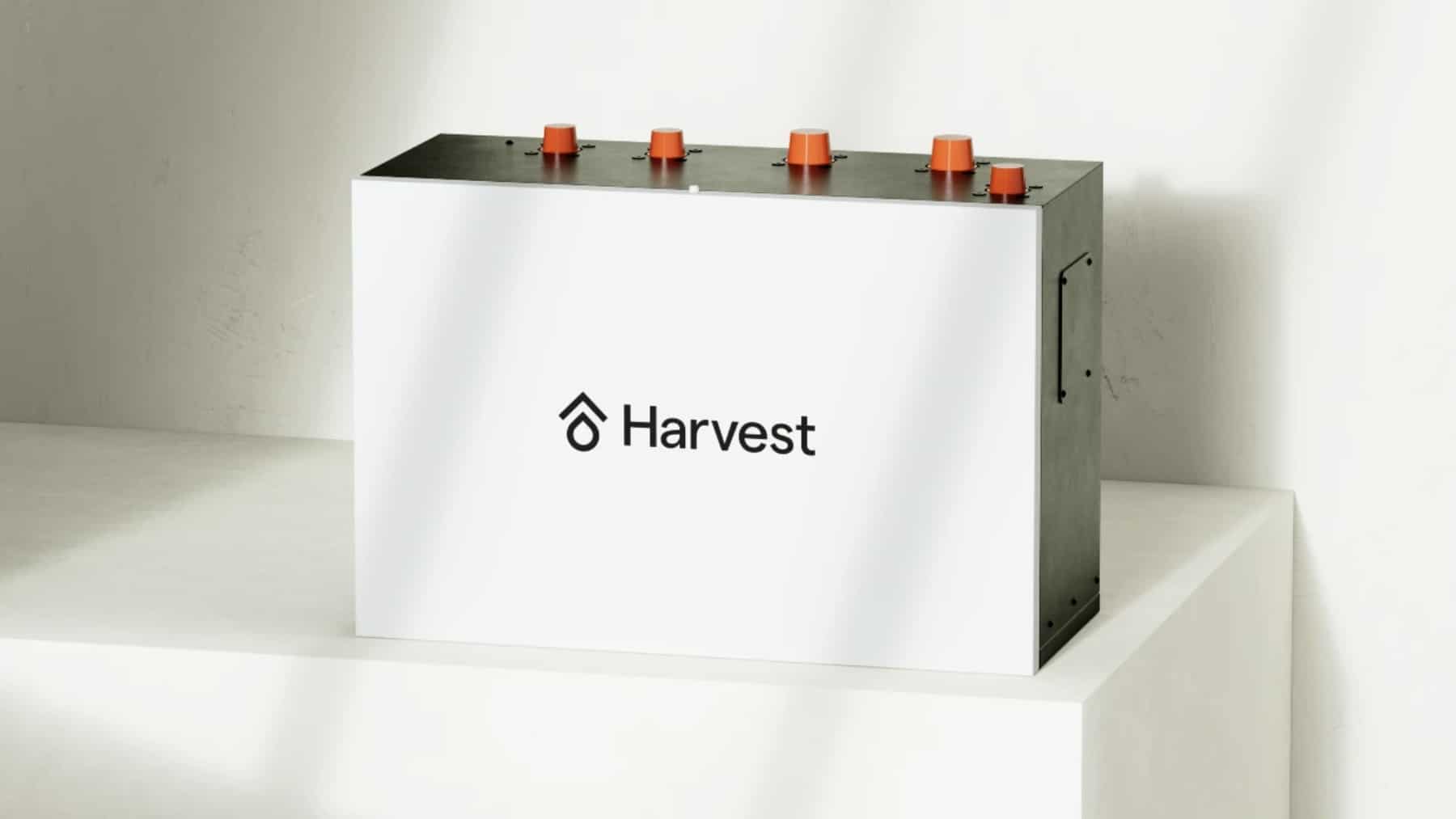
Instead of burning gas or relying on expensive electricity during peak hours, it proposes something ingenious: storing heat in insulated water tanks, functioning as an invisible battery inside your home. The official name? Thermal batteries. A concept that sounds futuristic, but is already available today, and promises to transform the way we heat, cool, and use hot water.
When heat learns: A new way to power your comfort
Instead of storing energy in lithium (like your cell phone), the thermal battery stores heat in water. At night, when electricity is cheaper and cleaner, it “charges.” The next day, you use this heat to heat your home or take a shower. But it’s not just storage: there’s onboard intelligence. This is because the controller pod reads the weather forecast, learns your habits, and decides the best time to activate the heat pump.
It sounds like science fiction, but it works in practice, ensuring hot water in the morning, stable heating at night, and cooling in the summer (which also reminds us of this other project in which Africa holds the end of the world’s gas and oil). We also need to highlight the three pillars of this technology:
- Economic efficiency – occurs when the rate is at the floor, not the ceiling.
- Uninterrupted comfort – maintains the temperature and hot water available effortlessly.
- True sustainability – reduces emissions by up to 90% compared to gas systems.
Cling to gas or embrace a smarter future?
Families in the US and Canada are already cutting 20% to 30% of their monthly bills and seeing emissions drops of up to 90%. According to one California resident, after installing the system, “It’s like the bill has stopped in time.” What’s more, governments are offering generous incentives to accelerate the transition. Now, talking about the differences between Gas vs. Regular Heat Pumps vs. Thermal Battery, we need to highlight:
- Gas boiler: inexpensive to install, but expensive and polluting over the years.
- Traditional heat pump: efficient, but limited and dependent on energy at the time of use.
- Thermal battery: combines heat pump + intelligence + storage = cheaper in the long run, cleaner, and more stable.
The result is a system that pays for itself in about five years, something no gas boiler could ever dream of offering. This just goes to show that, at the end of the day, swapping a gas boiler for a thermal battery isn’t just a technological choice. It’s a decision about how we want to live in the coming years. In other words, the gas era is behind us, and the future of home comfort is quiet, smart, and surprisingly affordable. It’s no wonder some states are already saying goodbye to gas.
Disclaimer: Our coverage of events affecting companies is purely informative and descriptive. Under no circumstances does it seek to promote an opinion or create a trend, nor can it be taken as investment advice or a recommendation of any kind.