It is an amazing discovery that was made by researchers under the waves off the northeast coast of Java and which provided them with 140,000-year-old fossils, which reveal the secrets about our ancient ancestors. A Deep ocean secret unveiled. The historic discovery of the Madura Strait can offer new information on the life of Homo erectus in the submerged lowland of the ancient Sundaland.
Of the past human remains are portrayed by marine dredging activities
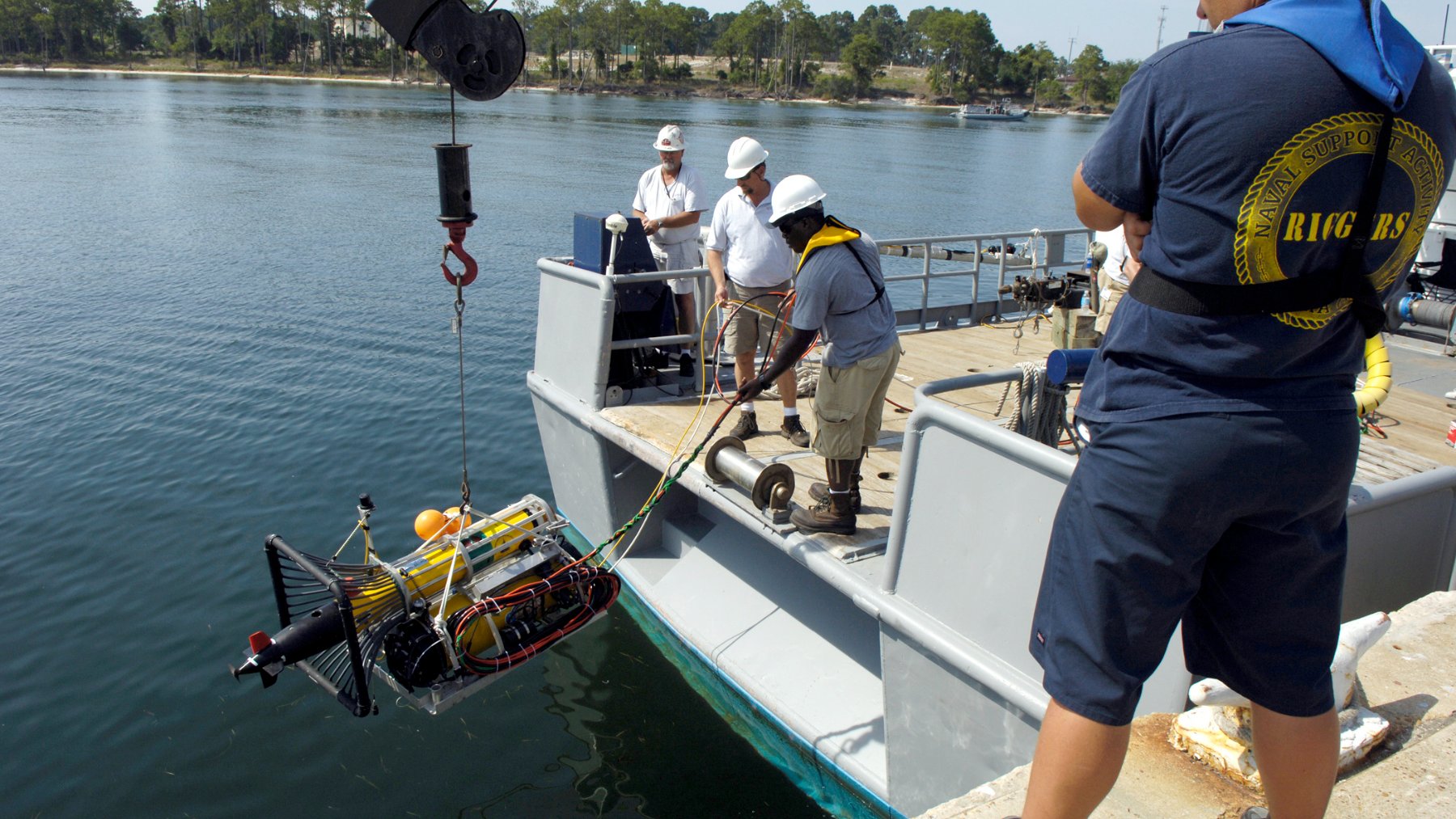
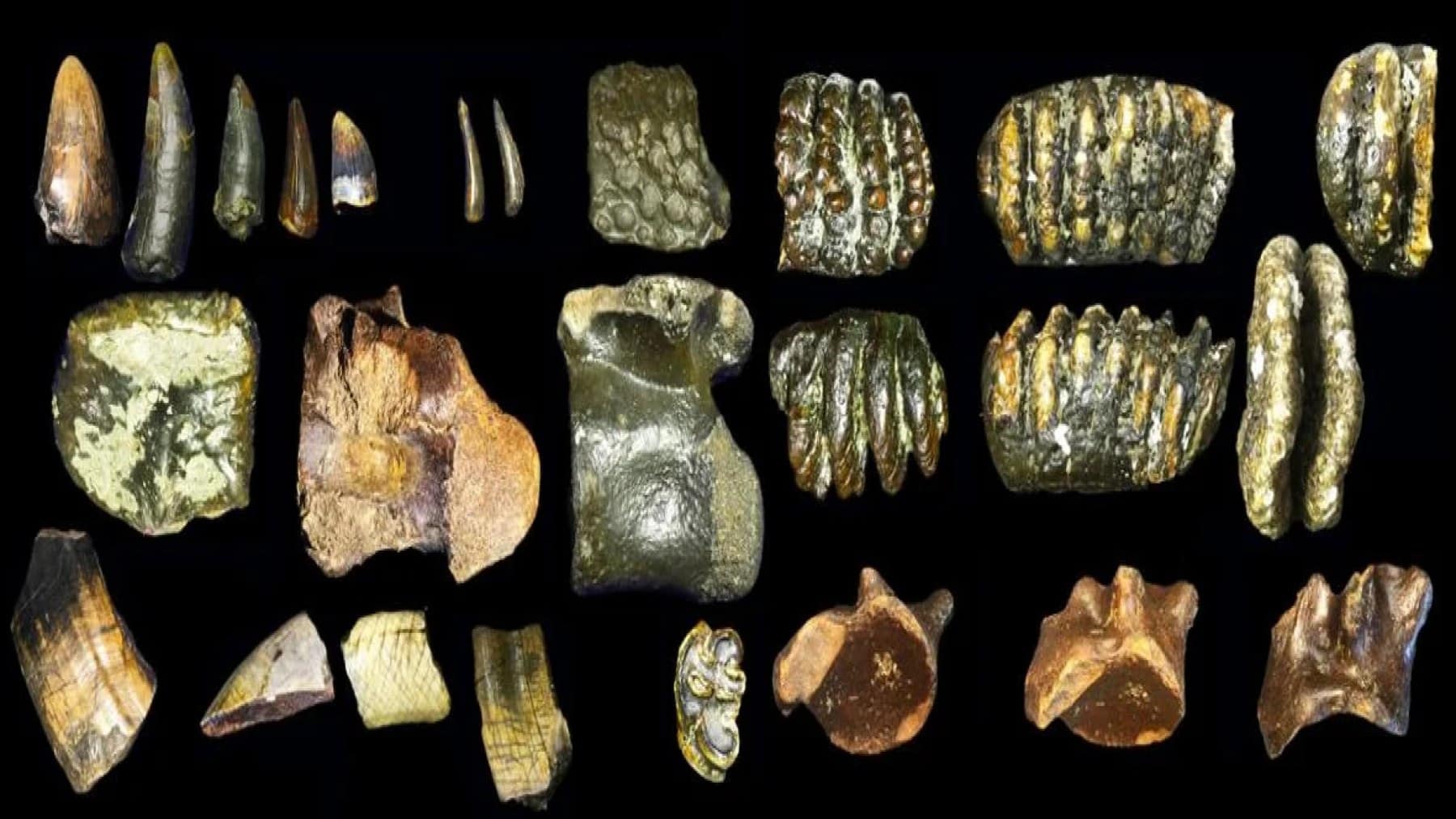
That was an astonishing breakthrough discovered in the course of the marine sand dredging works along the coast of Surabaya by a joint project of Leiden University and other international experts. The group managed to excavate over 6,000 fossilized remains on the seabed, together with two of the most important pieces of skull of Homo erectus.
That is what makes our findings really unique,” said Harold Berghuis, an archaeologist of Leyd University who took part in the excavation. The fossils are of a flooded valley of the river which was filled in with river sand. The material to which we have been able to date belongs about 140,000 years ago.
The fossils, which are now held in the Geological Museum at Bandung, are the first to have been discovered in the submerged lowlands of ancient Sundaland form of a remnant. The identification of this discovery is a very important breakthrough in the study of human evolution in Southeast Asia.
The evidence of human activity can be found in the ancient river valley
The site of the discovery is a former area of a river valley to the Solo River system, which is now under the waters of the ocean. Dating the valley fill to 163,000 to 119,000 years ago by the optical stimulated luminescence methods, researchers called it the penultimate glacial period. The recently discovered remains show that the Homo erectus species inhabited this area where they had access to an unending supply of water, shellfish, fish, and edible plants.
Evidences of complex hunting and processing techniques include cut marks
Among the best finds are cut marks found on the turtle bones and the large numbers of bovid bones broken, and these are strong evidence of hunting and food processing. These tools indicate that the early men in this area were ruthlessly scavenging and hunting big game, and making a meal out of it and eating it, including marrow, which is a valuable source of minerals.
The team thinks that such complex behaviors were acquired in the process of interaction with other mainland Asian hominin groups, perhaps through cultural or interpopulation interbreeding. This disproves earlier hypotheses that the populations of Javanese Homo erectus had been totally isolated.
The environmental transition maintains a variety of fossil records
The location is a geological intersection of the Solo River deposits in the form of fluvial deposits that were later replaced by the marine sediments. This change in the environment of river valleys to this estuarine environment was caused by the rising sea levels in the warm interglacial period, forming the perfect conditions for preserving several varied vertebrate fossils. The discovery supplements previous discoveries at sites such as Trinil, Sangiran, and Ngandong in the first instance, in the form of a lowland habitat as opposed to past highland finds.
The archaeological find that has been offered by underwater rocks is redefining the historical background of homo erectus in Southeast Asia, offering key insights into the scholarship of human adaptation, environmental exchange, and the patterns of the Middle Pleistocene migration within the area. The results indicate that the ancient human populations were much more advanced and interdependent than once thought, and run counter to the long-standing view of the isolated form of the early humans in island habitats.