Arizona’s energy landscape transforms as massive battery storage systems prepare to revolutionize grid reliability and renewable energy integration. The Winchester project represents a groundbreaking partnership that promises to reshape how communities access clean, dependable power across the American Southwest region.
How Arizona’s Winchester project transforms energy storage capacity
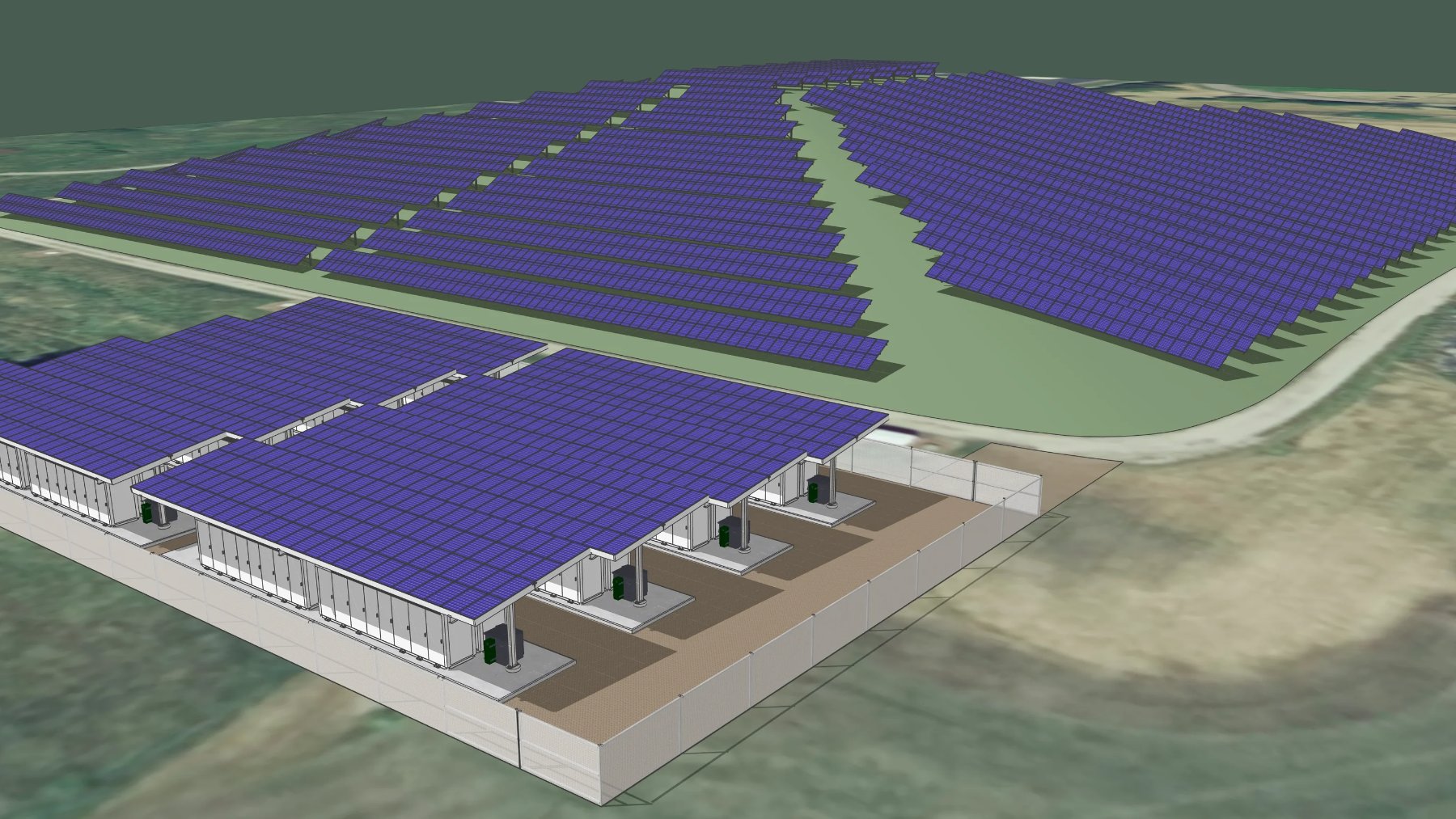
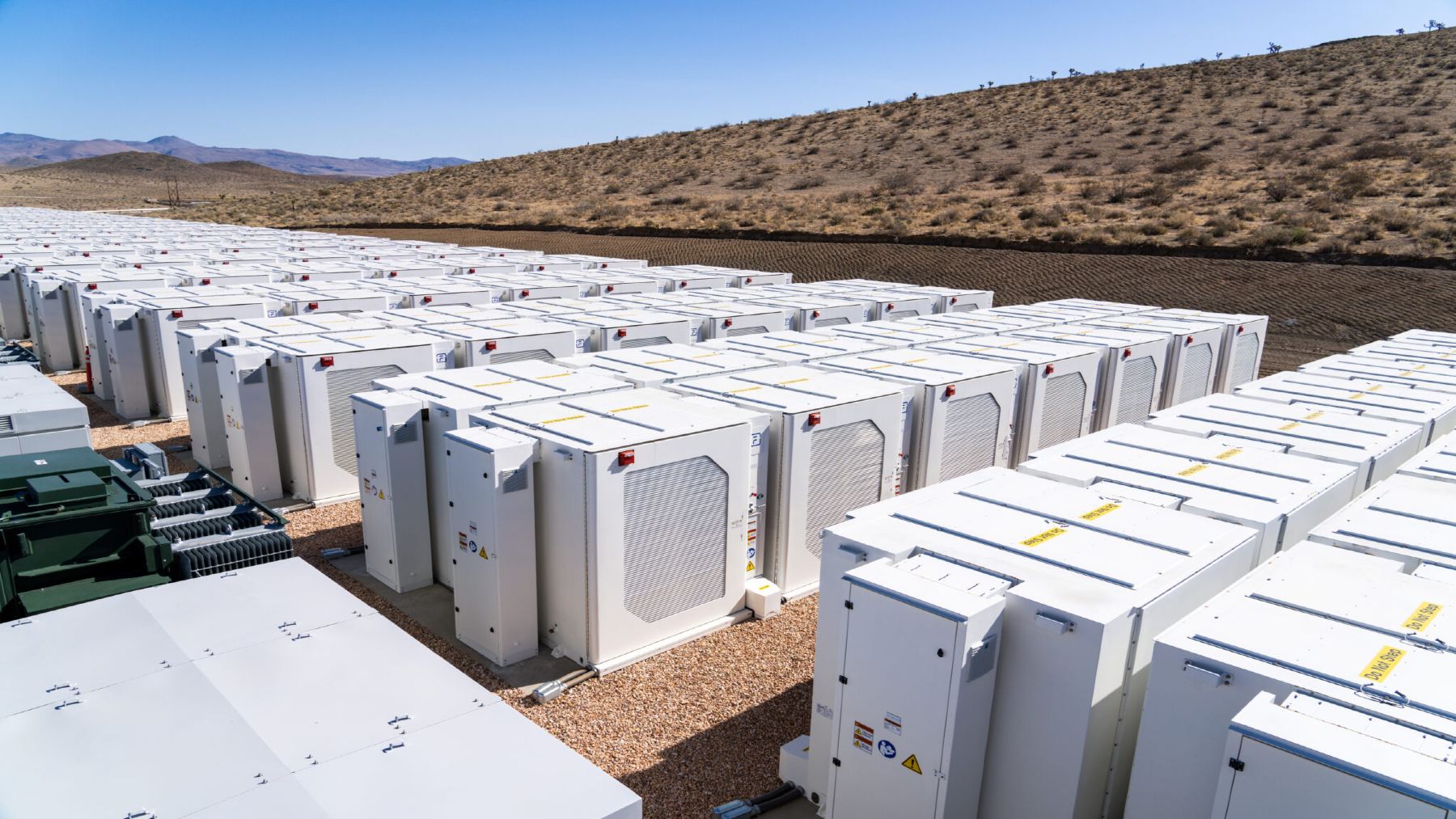
Torch Clean Energy selected Fluence Energy to supply a 160 MW / 640 MWh battery system in Cochise County, Arizona, to service two 80 MW solar parks at the record-breaking level. The Winchester location will provide grid balancing solutions and also support load growth predictions in the area, besides catering to the economic growth and regional investment in infrastructure in the county.
The Gridstack Pro 5000 system itself is composed of domestically produced enclosures, inverters, and thermal solutions, which can be used to make the entire solar-plus-storage power plant eligible for domestic content tax credits. Through the strategic plan, it assists in helping as well as enhancing national energy security by using next-generation advanced energy storage technology that can provide power at the most opportune time effectively in the grid.
The Winchester battery system has several main specifications
- 160 MW power capacity in twin systems.
- 640 MWh total energy storage capability.
- Qualification of domestic contents as a tax credit.
Reasons Battery Storage is better than traditional backup power systems
Traditional backup power methods rely on traditional fossil fuel generators, which always require the question of feeding them with fuel and releasing emissions during operation. Battery storage technologies have short response times that can be utilized to change affordable solar power to be dispatched anytime the peak grid demand takes place during the day. Travis Haggard notes that in the case of the Gridstack Pro 5000, renewable energy could be stored and could then be released at the time of strategic occurrences rather than wasting away during non-peak times.
The dynamic of this change, in particular, is that the Winchester facility in Arizona is in a new era that is after hydrogen storage solutions that involve complex infrastructure demands and energy-intensive manufacturing processes. Instant grid service with no long-term development plans and technical challenges presented by hydrogen fuel cell technologies that have dominated the past several years of battery backup power discourse is made possible through battery storage.
The grid stack Pro 5000 will allow us to switch to economic solar generation that will be dispatched to the grid when on demand the most – Travis Haggard, President of Torch Clean Energy.
And what would this large allocation be in renewable energy?
The Winchester is a typical example of clean energy buildout opportunities on tap across the United States, and utility-sized battery storage will increase twofold in the next two years. Fluence has developed or deployed more than 22 GWh of battery energy storage in 90 + projects in the United States, both to utilities and to developers, to help with next-generation solutions that support more efficient operations.
John Zahurancik highlights the fact that this is a major stepping stone to providing cheap, dependable, and safe power to local people, as well as contributing to the economic growth of an area. The 2027 operating schedule of this project can be fitted into renewable energy development in the country as the country endeavors to modernize the grid and guarantee the independence of the future generation of energy, as well as be environmentally friendly.
National impact of utility-scale battery deployment
| Metric | Current Status | 2027 Projection |
|---|---|---|
| Total US capacity | 32 GW | 65 GW |
| Growth rate | Baseline | 100% increase |
| Grid reliability | Improving | Significantly enhanced |
Arizona’s Winchester project signals a transformative shift in American energy infrastructure, moving beyond experimental technologies toward proven battery storage solutions. As the 2027 launch approaches, this massive deployment will demonstrate how strategic partnerships between developers and technology providers can deliver reliable, clean energy that supports both economic growth and environmental stewardship.