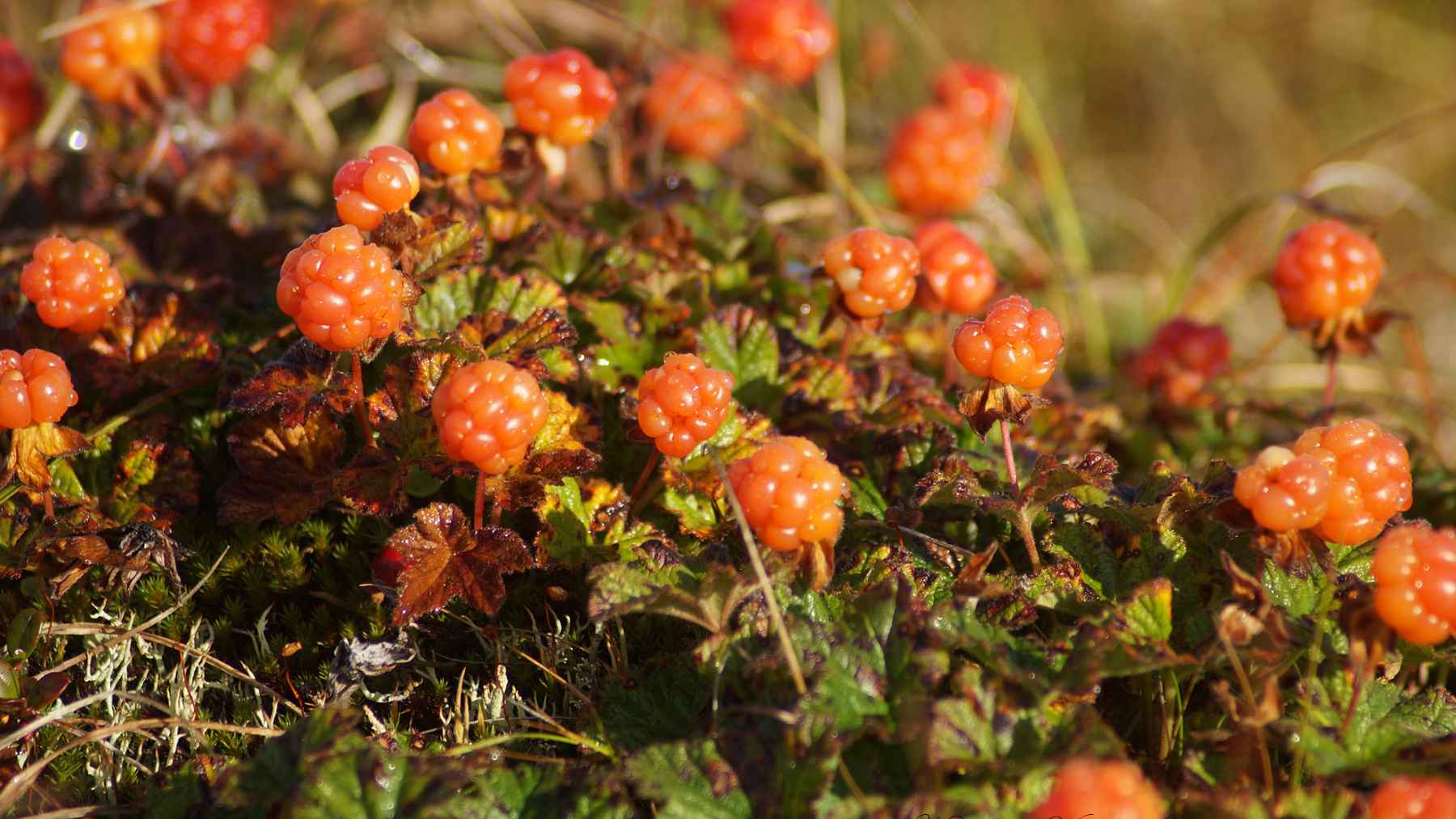
Cloudberries glow like tiny golden suns on Christmas desserts, topping rice puddings and cakes that come out only once a year. A new genetic study now suggests that this familiar berry hides a complex identity, built from the combined DNA of several different species.
Within a global effort to read the DNA of life on Earth, a team led by Marius A. Strand at University of Oslo has mapped the cloudberry genome. They found that Rubus chamaemorus carries eight full sets of chromosomes and that these sets trace back to multiple rounds of hybridization during its evolution.
A Christmas berry with a long Arctic story
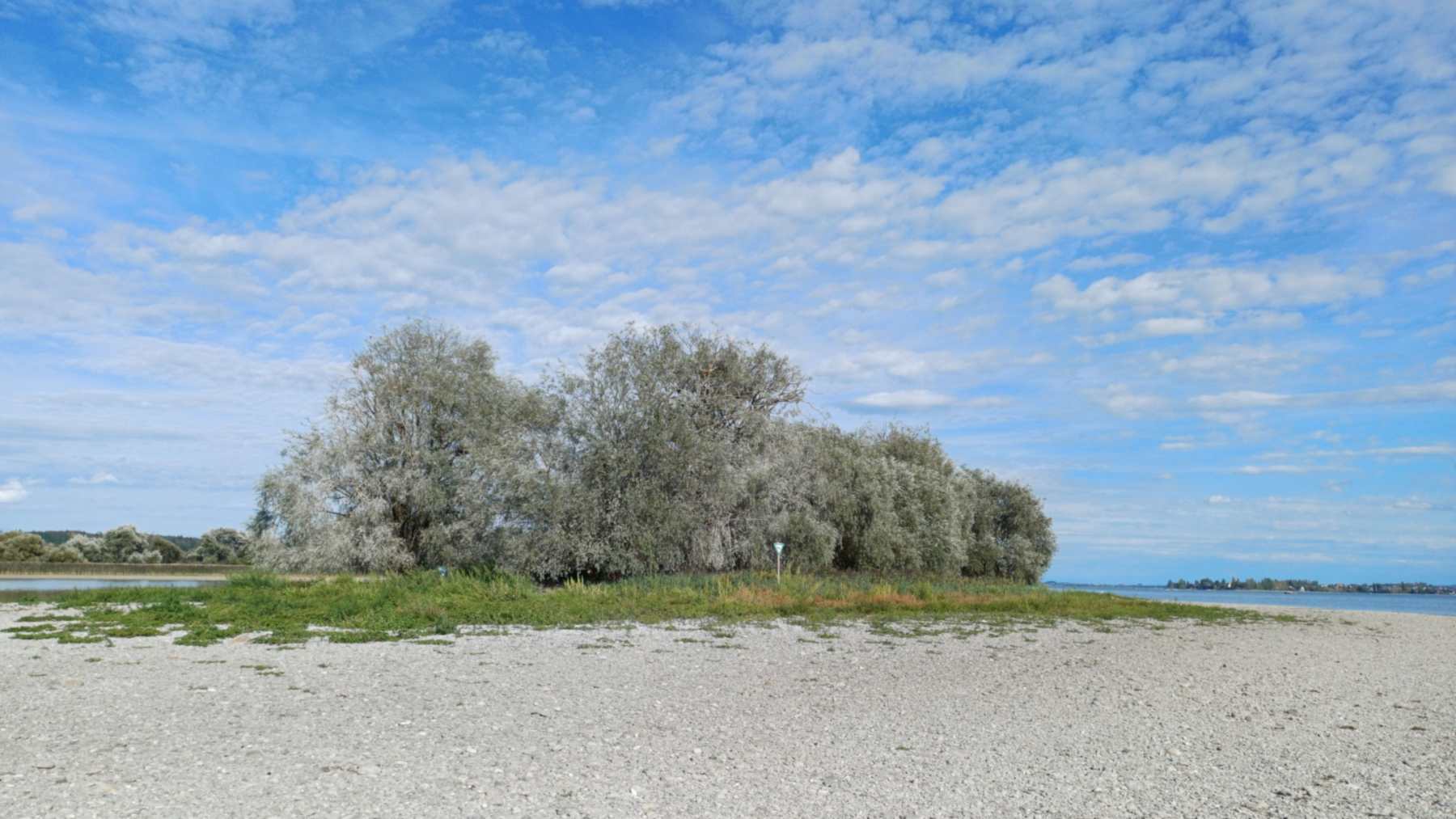
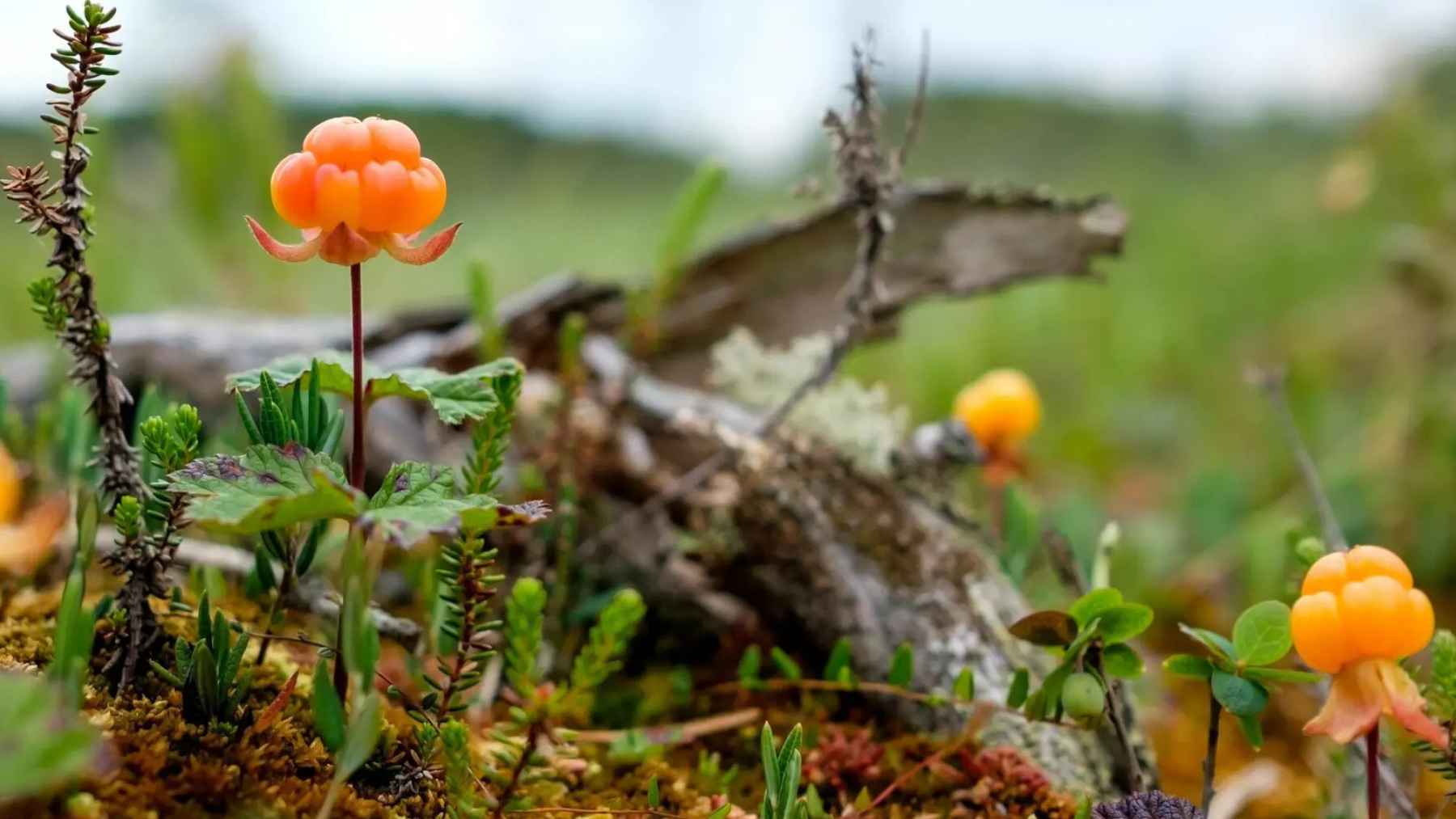
Cloudberries grow in cold bogs and wetlands across the Arctic, where summers are short and winters long. The soft amber colored berries are rich in vitamin C and vitamin A, which helps explain why they became valued long before they showed up in fancy glass dessert bowls.
Historical accounts say that Viking sailors ate stored cloudberries to reduce the risk of scurvy on long sea journeys. Later, explorer Fridtjof Nansen reportedly brought supplies of the berries on his attempt to reach the North Pole as extra protection against disease.
Finding the cloudberry that speaks for the species
To build a reference genome, scientists first needed one plant that could stand in for the species. Geneticist Simen Rød Sandve at Norwegian University of Life Sciences went to a nearby bog, chose a healthy cloudberry with a few flowers, and checked with a botanist that it belonged to a larger natural clone.
The plant spent a short time in a planter box while leaves were collected and sent to Oslo for DNA extraction. Cloudberries are dioecious, which means separate male and female plants, and bog patches often consist of clones, so descendants of that single reference plant still grow at the site with the same genetic makeup.
Reading an eight-copy genome
Humans carry two copies of each chromosome, one from the mother and one from the father. Cloudberries are different, since they are octoploid, so each plant carries eight copies of every chromosome, which makes the DNA more tangled and harder to read.
Strand describes the genome as a book that must be shredded into many small pieces before sequencing machines can read it.
If many pages in that book contain almost identical lines of text, it becomes difficult to put all the scraps back into the right order again, yet many chromosome copies turned out to be more varied than expected and longer reads from new technology helped the team reconstruct the story.
Several ancestral species hiding in one plant
Earlier studies already hinted that cloudberries formed through repeated crossings within the Rubus family, which also includes familiar raspberries. The new genome confirms that the plant carries eight chromosome sets and shows that only two sets stand out clearly, suggesting that ancestral species contributed in uneven waves rather than in one single event.
The researchers cannot yet name each ancestor with certainty, partly because full genomes are still missing for several likely relatives. Candidates include American Rubus species similar to those now called Rubus lasiococcus and Rubus pedatus, along with Eurasian species such as the Arctic berry Rubus arcticus, and work is continuing to test those possibilities.
A small berry in a giant DNA project
The cloudberry genome is one of about 150 Norwegian species that have now been sequenced in detail. This work forms part of the larger Earth BioGenome Project, which Harris A. Lewin and colleagues describe as a moonshot for biology that aims to sequence and catalog the genomes of all known eukaryotic species on Earth.
For most people, do these details feel distant compared with the pleasure of a spoonful of cloudberry jam on a cold December night? Yet the new genome gives scientists a clearer view of how this Arctic berry evolved and how complex plant genomes can be, and it sits alongside practical knowledge that cloudberries can be hard to grow from seed and may take two years to produce fruit.
The main study has been published in bioRxiv.