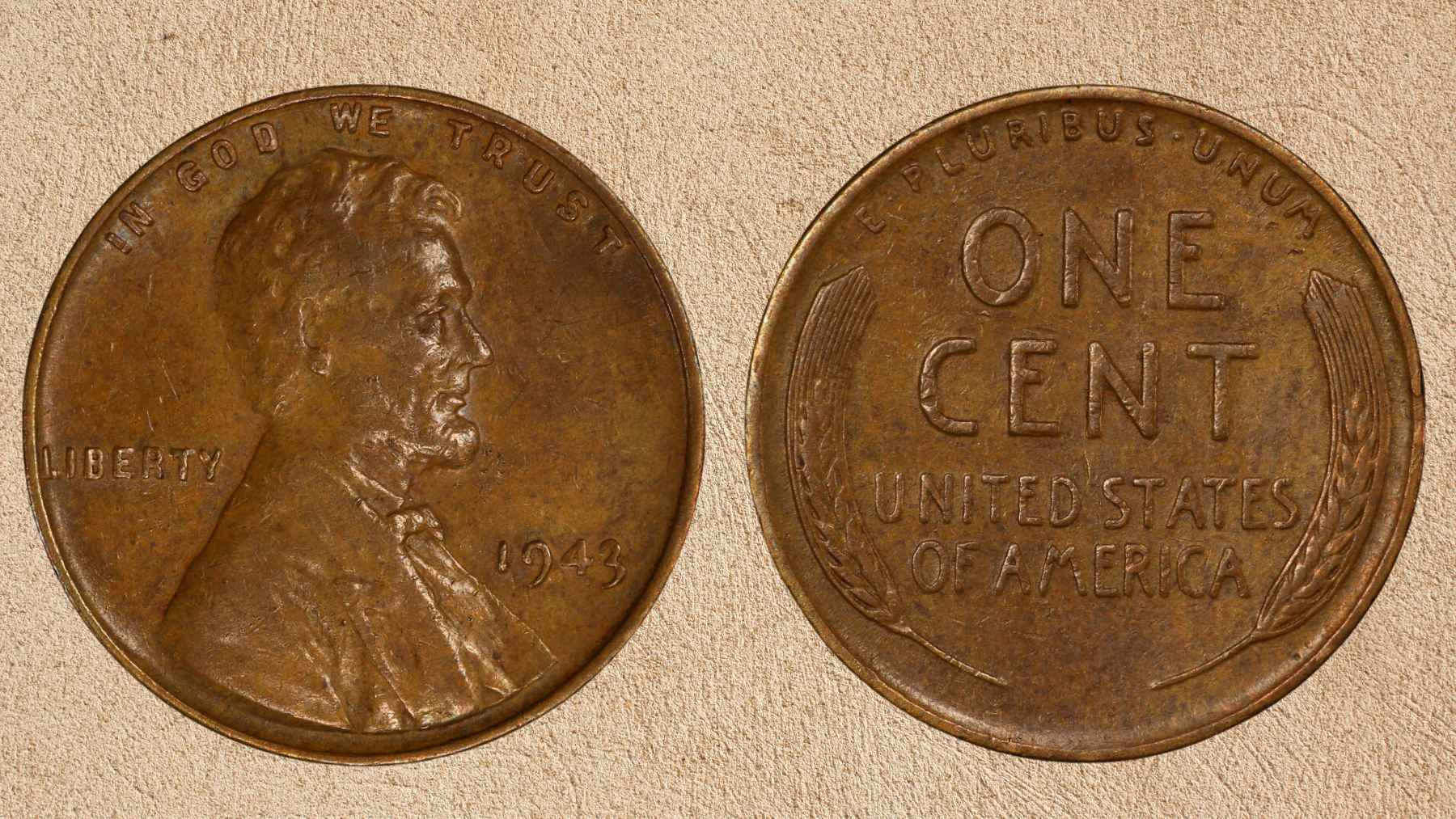
On March 10, one of the most famous error coins in American history is set to cross the auction block again. Stack’s Bowers Galleries is offering a 1943-S Lincoln cent struck on a bronze planchet, graded AU-55 by PCGS and approved at the Gold level by CAC.
In a field where rarity already drives attention, this piece stands out even more because Stack’s Bowers says it is the only 1943 bronze cent from any U.S. Mint facility to carry Gold CAC approval.
That alone would make it a major sale. But this coin has always been bigger than grading jargon and auction estimates. The 1943 bronze cent, often called the “1943 copper penny,” became a kind of American treasure hunt long before most people knew what a planchet error was.
For decades, ordinary people searched drawers, piggy banks, and pocket change hoping to find one. That dream still has a grip on collectors today, and that’s a big part of why this coin keeps making headlines.
The story starts in World War II, when copper was considered a critical war material. In 1943, the U.S. Mint shifted cent production to zinc coated steel as part of that wartime pressure. Then, in 1944, the Mint moved back to bronze planchets, using metal from spent shell cases. Somewhere in that fast, messy wartime transition, a tiny number of bronze blanks were struck with the 1943 date and slipped into circulation.
That is the basic explanation most collectors accept, even if some debate still lingers around a few surviving examples. In practical terms, that means one of the most valuable coins in America may have begun as a production mistake made during one of the country’s most intense industrial periods.
And how rare is rare here? Research highlighted by Stack’s Bowers and attributed to Saul Teichman on the Newman Numismatic Portal puts the known population at 17 examples from Philadelphia, 7 from San Francisco, and just 1 from Denver. That San Francisco number matters because the coin coming up for sale is one of those seven.
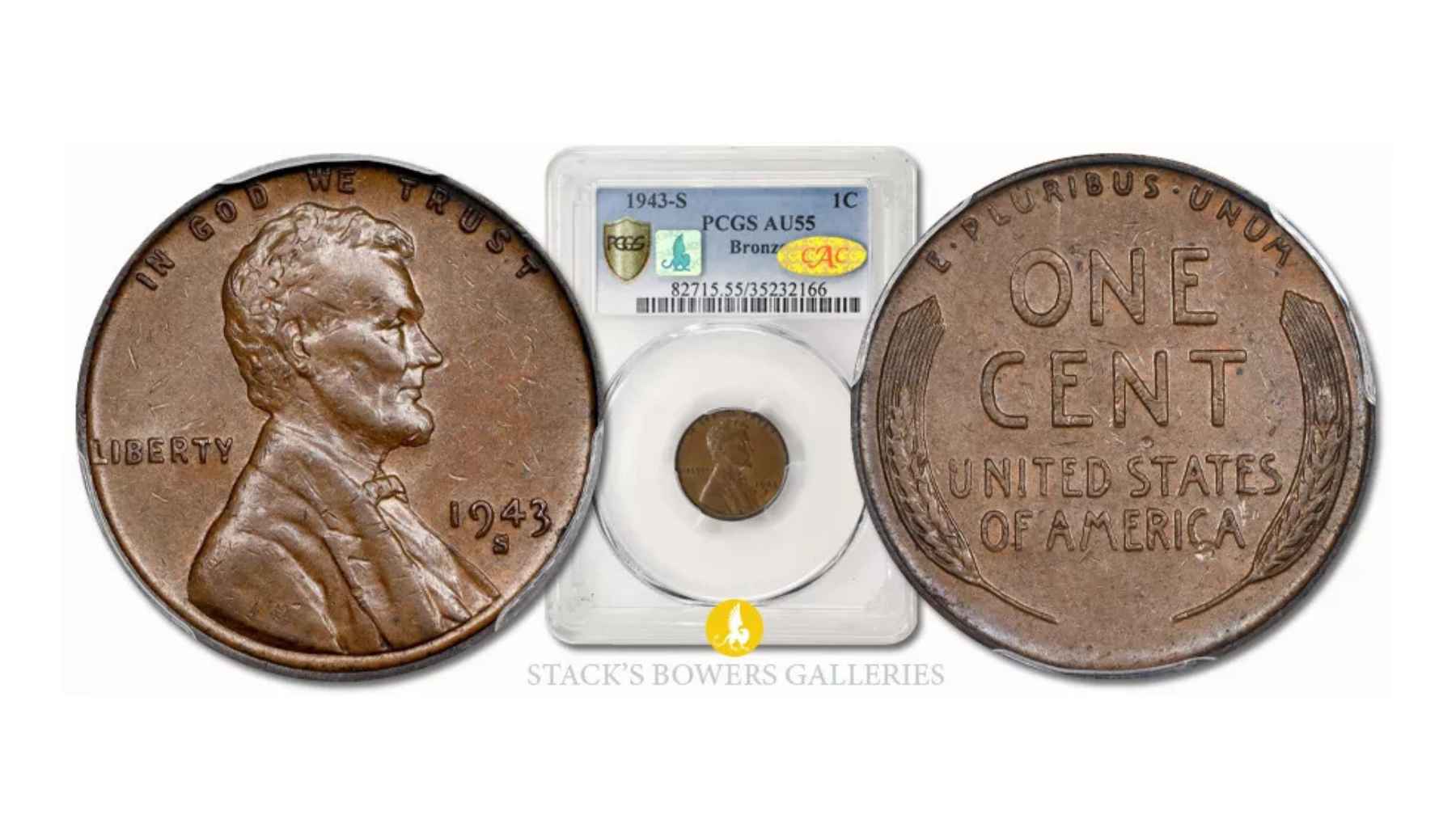
Stack’s Bowers also describes it as one of the finest known survivors, with softly frosted luster, nearly full strike detail, and only slight friction from brief circulation. So yes, collectors are bidding on metal. But they are also bidding on survival, condition, and a story people have been repeating for generations.
There is also a market signal here that is hard to ignore. The unique 1943-D bronze cent sold for $840,000 at Heritage Auctions in January 2021, a price also recorded by PCGS. That does not mean every 1943 bronze cent is headed for the same result, of course. Grade, mintmark, eye appeal, provenance, and timing all matter. Still, it shows how strongly the market responds when one of these wartime mistakes reappears.
In a hobby built on tiny details, this is one of the few coins that even non-collectors instantly recognize. You can see the same fascination in stories about a 1944 Lincoln penny, a1969-S Doubled Die Obverse Lincoln 1-cent coin, or even other rare pieces that send collectors digging through old jars and family drawers.
What makes this piece especially interesting is that it lives at the intersection of history and folklore. Technically, it is a mint error. Culturally, it is something else entirely. It is the coin that made people believe a life-changing prize could be hiding in everyday change, right there between a bus token and a grocery receipt.
That kind of mythology is hard to manufacture. It usually has to grow on its own. And for collectors who follow the broader rare-coin market, the same mindset has also fueled interest in other headline grabbing finds, including this rare $1 coin.
And that is why this March 10 sale matters. Not just because the coin is rare, and not just because it is beautiful, but because it revives one of those old American ideas that never quite goes away. Maybe the extraordinary really can show up in ordinary life. Even in a penny.
The official statement was published by Stack’s Bowers Galleries.