Look well at Lincoln’s face — If you have this coin, you’ve just become rich

Image Autor
Published On: January 15, 2025 at 6:50 AM
Follow Us
coin

You may have a hidden treasure right in your pocket without even knowing it. Some rare coins, often overlooked as mere pocket change, can actually be worth far more than their face value. Whether inherited, collected over time, or simply passed down through generations, certain coins have become valuable collector’s items, with some fetching astronomical prices at auctions. From ancient relics to more modern mementos, the right coin in the right condition can make you wealthier than you ever imagined. In this article, we’ll explore which rare coins could make you rich, how to identify them, and what steps you should take if you think you might have one.

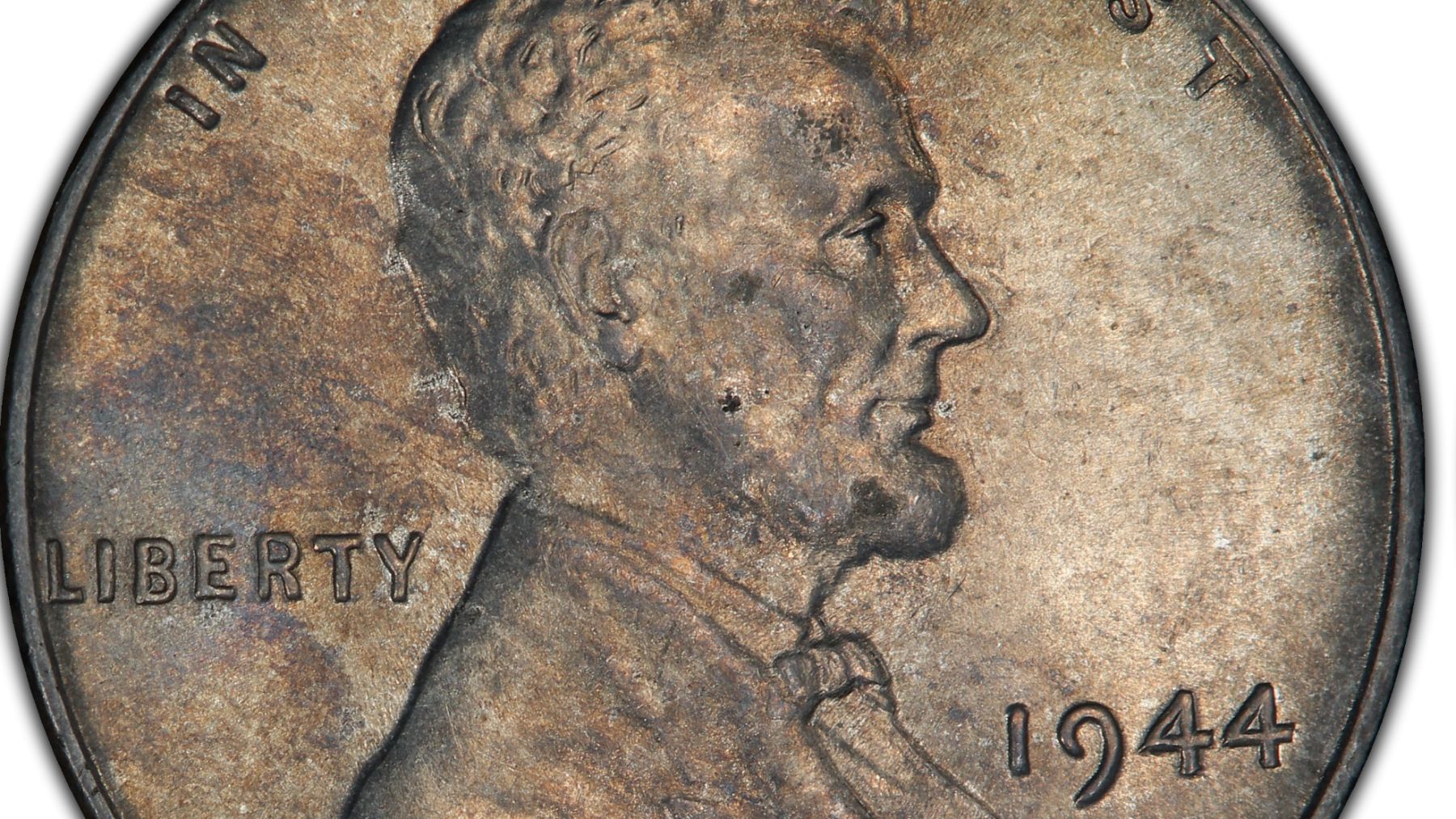
If you have this coin with Lincoln’s face, you may have a collectors item

The Lincoln penny has been a part of U.S. coinage for nearly as long as the U.S. Mint has been in operation. Among these pennies, the 1944 Lincoln penny stands out to collectors, not just because of its iconic design, but also because it’s hard to find. Since no more 1944 pennies are being made, their rarity continues to increase over time, making them more valuable.

Since the 1944 Lincoln penny is so old, collectors usually want coins that have been graded. In simple terms, grading is just getting the coin’s condition checked by a professional. For collectors, grading means the following:

  • Uncirculated: This coin has never been used or exchanged. It was kept safe from any damage, so it’s almost flawless, though the color may have faded a bit. Coins in this state are generally the most valuable.
  • Extremely Fine: These coins are mostly in perfect condition but may have a tiny flaw, like a scratch. Even small imperfections lower the grade slightly.
  • Fine: These coins have been in circulation but are still in good shape overall. You’ll notice light scratches and small chips, but the key details remain clear.
  • Good: This is the lowest grade a coin can get. It’s heavily worn, with some details nearly gone. Even in rough shape, these coins are still valuable to collectors.

Lincoln coins value lies in its collector desirability

The 1944 Lincoln Cent, struck in copper, isn’t rare, as it was widely circulated and only became less common over time. While it can still be found in bulk Wheat Cent assortments, its value lies more in its historical and collector appeal than its monetary worth. In circulated condition, it typically sells for around 50¢ to $1. However, in higher grades like Mint State Red (MS65RD), its value rises to about $12.50, and in pristine MS67RD condition, it can reach $150. While the coin may not fetch a huge price, its historical significance and place in the evolution of U.S. currency make it a valuable piece for collectors.

Coin collecting can be worth thousands

While the 1944 Lincoln Cent may not hold much monetary value, other rare coins can be worth thousands of dollars, depending on their rarity and condition. Coins that are limited in number, have unique features, or possess historical significance are often highly sought after by collectors. The rarity of a coin is a key factor in its value and some coins can appreciate over time as they become harder to find.

Coins that are well-preserved, especially those that are in mint condition, also tend to be worth more due to their desirability. For many collectors, it’s not just about the financial aspect but also the historical importance and craftsmanship behind these coins. Therefore, even if certain coins may seem inexpensive, other rare finds can be incredibly valuable, both in terms of market price and collector interest. However, it never hurts to check your wallet to find a coin which could fetch a heavy price. 


Related news

Excavator dumping a large pile of recycled oyster shells used for coastal restoration projects.

A marine scientist in Southern California has turned restaurant waste into coastal restoration by collecting more than 24,000 pounds of discarded oyster shells, curing them in the sun, and using them to rebuild reefs that protect shorelines and filter water

June 1, 2026 at 3:00 PM
California farmers preparing to remove clingstone peach trees following the permanent closure of the Del Monte cannery in Modesto.

Del Monte’s Chapter 11 collapse left a California peach farmer staring at ripping out 20 acres of 9-year-old Ross cling trees tied to $12,500-an-acre contracts, after a shuttered Modesto canning hub and only 24,000 of 74,000 tons finding processing capacity turned the rest into fruit that may rot or be destroyed

May 31, 2026 at 3:00 PM
A close-up view of a tiny, reddish-orange kyawthuite crystal, the only confirmed natural specimen of this mineral species in existence.

The rarest mineral recognized by science weighs about 0.011 ounces, exists as a single known natural specimen, and its discovery exposes how fragile Earth’s catalog still is

May 31, 2026 at 8:45 AM
Aerial view of the Port of Recife in Brazil, showing the urban harbor, navigation channel, and coastal breakwater.

The Port of Recife will spend about $19.7 million on dredging to handle ships up to 689 feet, and that quiet project decides which cities win or lose trade

May 28, 2026 at 12:30 PM
Small tiny home with a front porch, representing compact permanent housing for veterans.

Plans are underway in Cincinnati to build a new “Veterans Village” featuring 14 tiny homes on church-owned land. Each unit, measuring 276 square feet, will include a porch, kitchen, dining area, and full bathroom, and will cost $70,000, allowing veterans to move out of their temporary housing

May 27, 2026 at 8:45 AM
Construction site for an immersed tunnel beside a wide port channel, with concrete tunnel sections, cranes, boats, and city buildings in the background.

São Paulo stuns with a roughly $1.35 billion megaproject – Brazil’s first immersed tunnel will span 0.93 miles and force the city to reinvent underwater construction logistics

May 26, 2026 at 12:30 PM