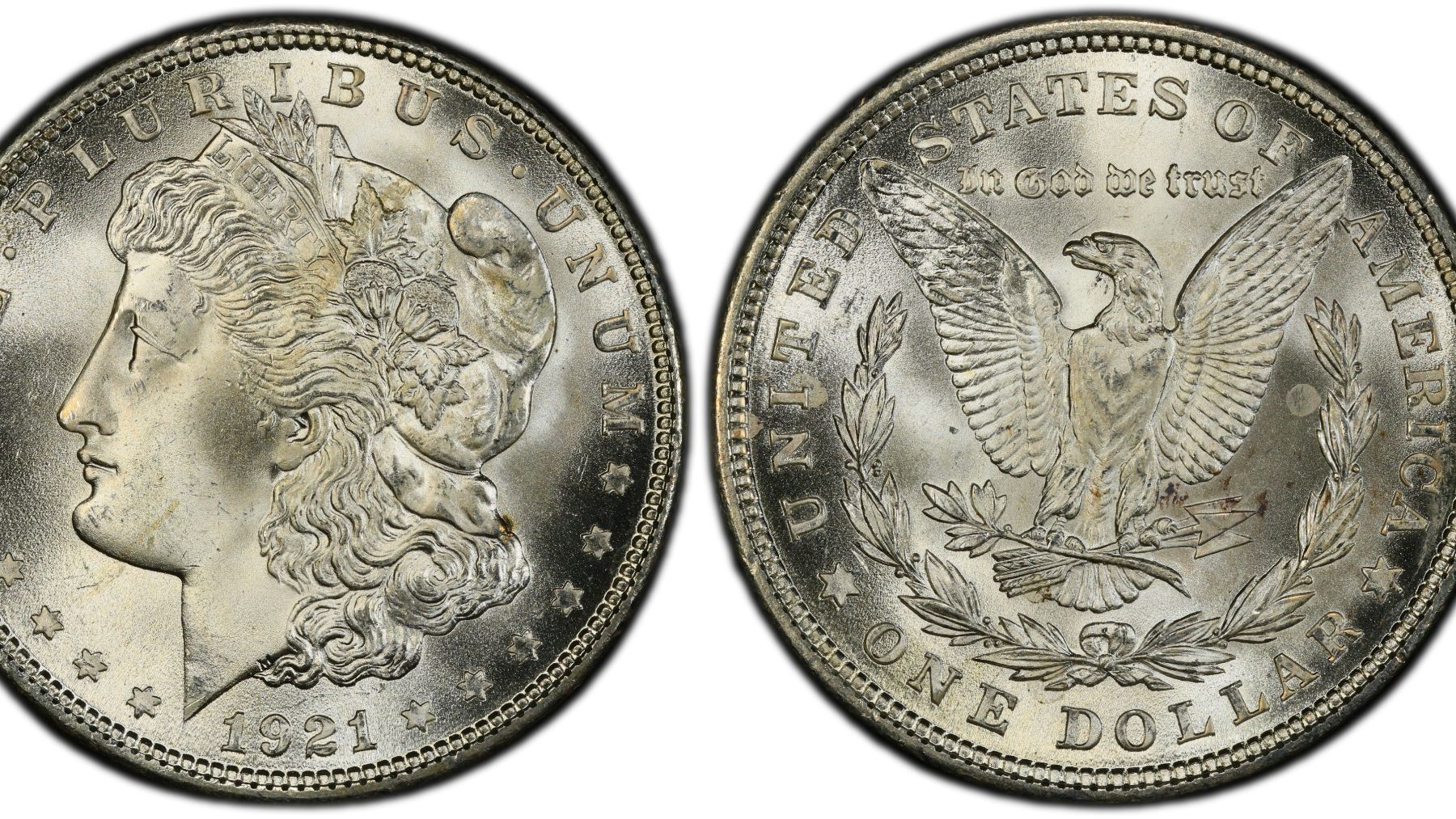
Rare coin collecting can fetch up to thousands of dollars if you are lucky enough to find one. Factors such as age, rarity, condition, and historical significance all play a role in determining the value of a coin. Certain minting errors, limited editions, or coins with unique features can be especially valuable, attracting collectors willing to pay a premium. If you are lucky enough to be possession of this rare $1 coin, you may be able to collect $132,000.
The value of rare coins are based on three factors
According to the U.S. First Exchange, how much money you can fetch for a rare coin or bill depends on the following three factors: rarity, the condition of the coin or bill, and how in demand it is by collectors. These factors are all crucial in determining whether your money is only worth face value or if it could bring in thousands overnight.
Rarity is crucial, as the fewer coins or bills in existence, the higher the potential value. The condition, or “grade,” plays a significant role, with well-preserved items fetching much higher prices than those showing wear or damage. Demand is driven by the interest of collectors, as certain coins or bills may be more desirable due to historical significance, unique features, or limited mintage. Additionally, the timing of the sale can also affect the price, as trends in the market can fluctuate based on collector interest and external factors.