Ancient DNA from two men buried at the entrance of the Menga dolmen in southern Spain is helping scientists explain how medieval lives intersected with a Stone Age monument built more than 5,000 years ago. The genetic data point to a striking mix of European, North African, and Near Eastern ancestry, underscoring how connected the Mediterranean world already was a thousand years ago.
The results come from the Dolmen of Menga, part of the UNESCO World Heritage landscape of Antequera, where architecture and nature are tightly intertwined. This is not just a story about who those men were, but why a prehistoric site might have remained spiritually meaningful in the Middle Ages, and what its long history says about protecting cultural landscapes in a warming world.
A Stone Age dolmen with a medieval surprise
Menga is not a small tomb tucked into a hillside. Researchers describe it as a huge passage grave about 82 feet long and roughly 20 feet wide, built from massive uprights and capstones, some weighing on the order of 165 tons.
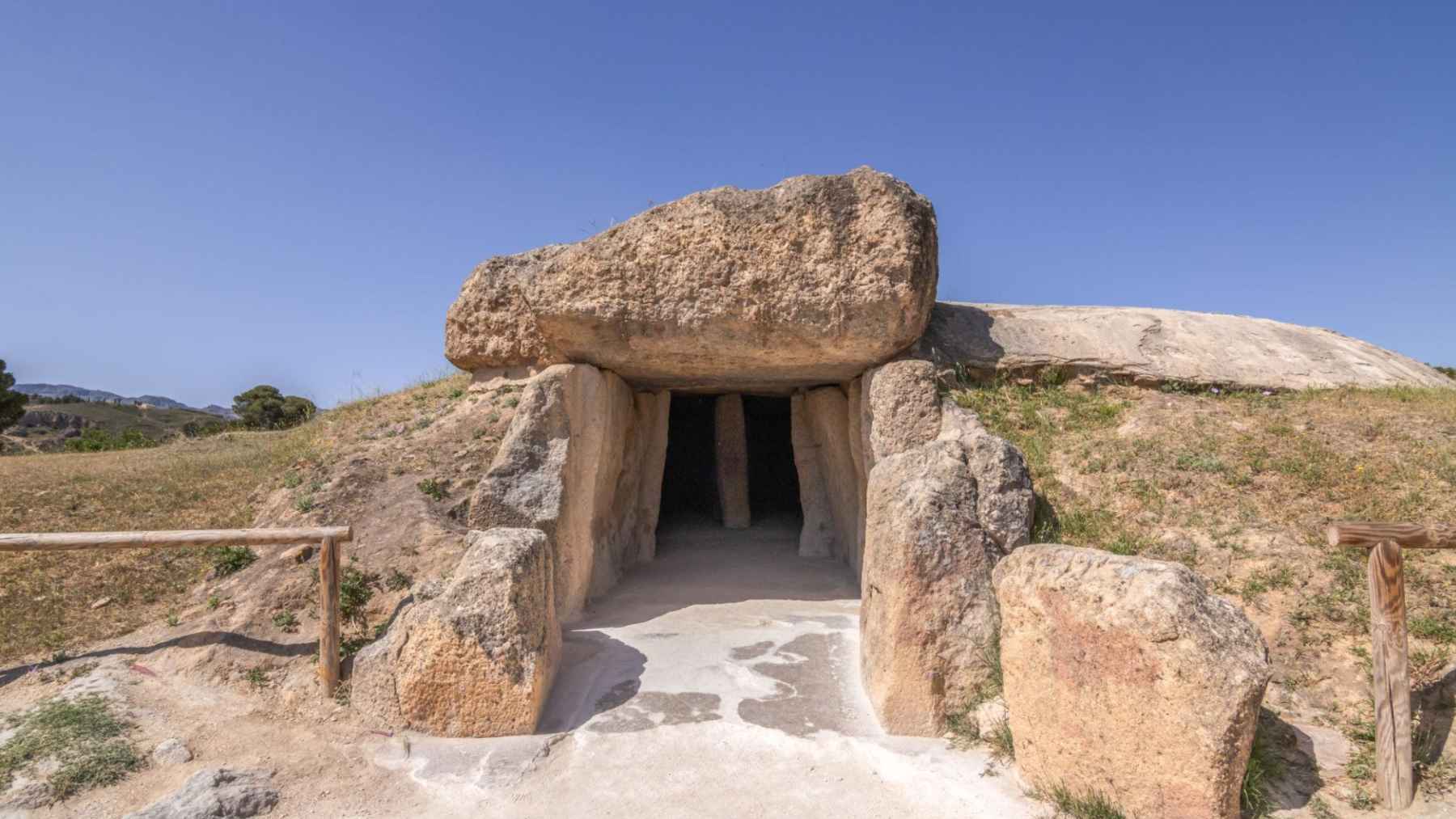
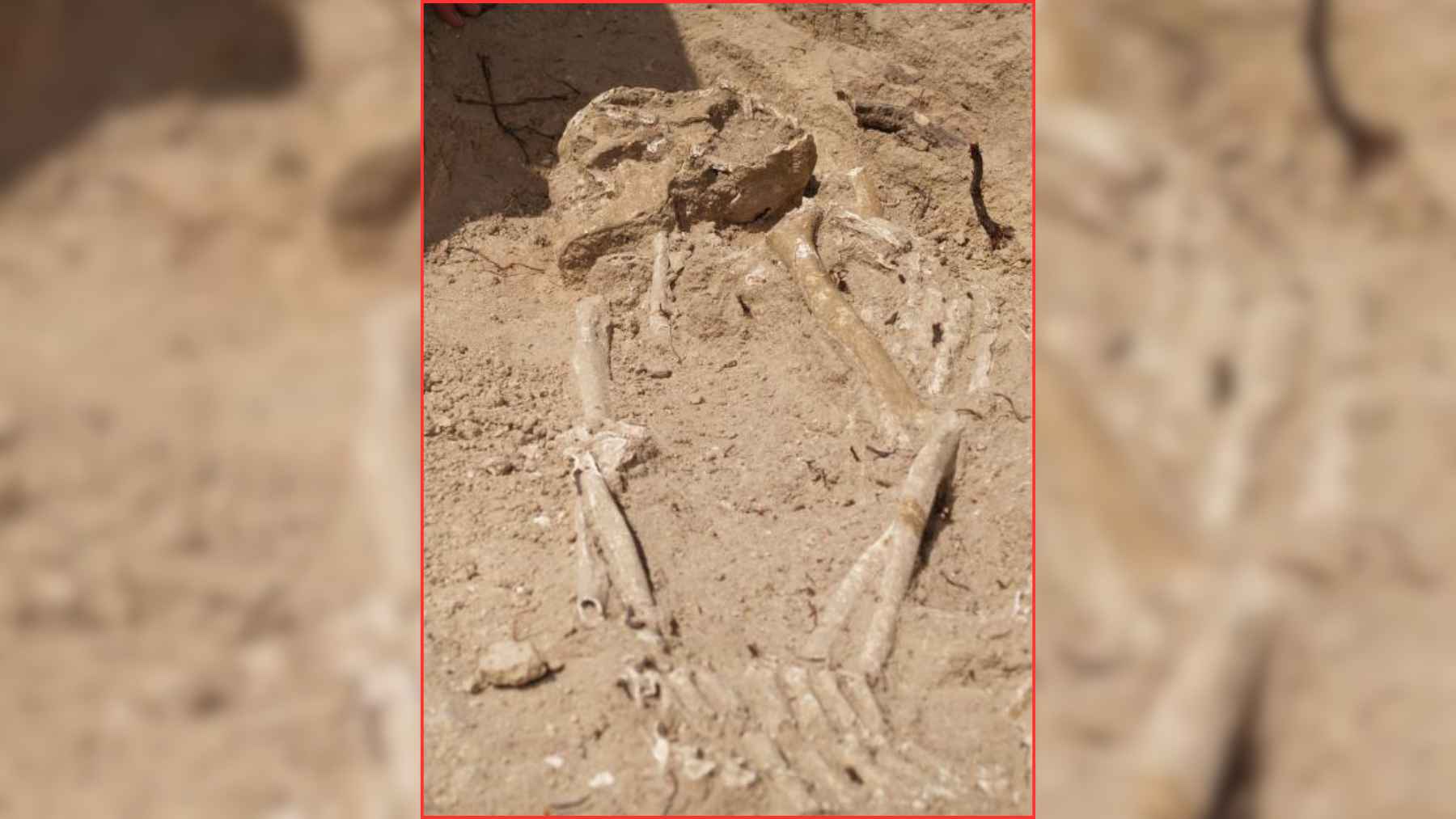
In 2005, archaeologists excavating the entrance area found two adult male burials that clearly postdated the dolmen’s construction by millennia. Radiocarbon dating placed the better-preserved individual between the 10th and 11th centuries AD, and the second individual more broadly between the 8th and 11th centuries.
Both men were laid in simple pits with no grave goods, and their bodies were aligned along the dolmen’s axis. Their heads faced toward the southwest, and their faces were turned toward the southeast, a choice that may reflect an intention to orient the dead toward Mecca, though the pattern does not match Islamic practice perfectly.
Ancient DNA turns bones into a travel map
Ancient DNA is a fragile archive, and the environment plays a big role in what survives. In this case, the ScienceDirect paper notes that DNA content was extremely low and highly degraded, consistent with preservation challenges in Mediterranean Iberia.
So how do you pull a usable profile from that kind of material? The scientists used SNP enrichment, a method designed to recover informative genetic markers from damaged samples, and they were able to obtain a workable genome-wide profile for one of the individuals, known as Menga1.
That profile includes uniparental lineages typical of European populations, plus clear genome-wide contributions linked to North Africa and the Levant. In practical terms, it suggests a person whose ancestry reflects the back-and-forth movement of people across the Mediterranean over many centuries.
A Mediterranean ancestry mosaic
The team also identified a Y chromosome lineage that has been present in Iberia since at least the Copper Age, which helps anchor the man’s paternal line deep in the peninsula’s prehistoric past. At the same time, his mitochondrial DNA points to a European lineage with ties that also show up in Northwest Africa.
The University of Seville and EurekAlert releases report that Menga1 shares two mutations with a sequence observed in a modern Mozabite individual from Algeria. Live Science adds that the researchers noted a shared mutation with modern individuals in Morocco and Algeria, hinting at genetic continuity that stretches into the present day.
To the researchers, this mixture is not unexpected. “North African ancestry was generalized in southern Iberia from at least the 3rd and 4th centuries,” the team notes, linking long-term mobility to earlier Mediterranean trade routes and later Roman-era connections.
Was it Islamic, pagan, or both?
If the DNA clarifies where Menga1’s ancestry came from, the burial setting raises a different question. The grave orientation points roughly toward Mecca, but the placement inside a very ancient monument and the lack of typical Islamic burial conventions complicate a simple label.
Leonardo García Sanjuán, a coauthor, suggests that placing both individuals at the entrance of such an old monument could mean they revered it. That raises the possibility of blended beliefs, where Islamic practices coexisted with older local traditions that treated the dolmen as a sacred place.
There is also a symbolic idea in play. Some archaeologists interpret dolmens as a kind of “cave” made by human hands, and caves hold strong spiritual meaning in many traditions, including within Islamic contexts, which could help explain why the site remained attractive for burial centuries later.
A landscape worth protecting
This story also sits on a broader environmental stage. UNESCO describes the Antequera Dolmens Site as a combined cultural and natural ensemble, with three megalithic monuments and two natural landmarks, and it is precisely that connection to the landscape that makes conservation more complex.
Local reporting in Spain says the Dolmens of Antequera drew more than 170,000 visitors in 2025. That is great news for public interest, but it also means more foot traffic, more infrastructure pressure, and more need for smart visitor management that keeps the site intact.
UNESCO also warns that climate change is a major threat to World Heritage properties worldwide, from drought and wildfire to shifting rainfall patterns that can damage soils and stone. That means conserving Menga is not only about stone blocks – it is also about the surrounding landscape that gives the monument its setting.
Ultimately, this story is a reminder that archaeology is not separate from ecology. Soil chemistry, temperature swings, water infiltration, and even local vegetation can affect what DNA survives in ancient bones and what structural materials endure over time.
So, what should readers keep in mind? Ancient DNA can offer remarkable clarity, but for the most part it answers questions about ancestry and movement, not about personal belief. It also shows that protecting heritage sites is part of environmental stewardship, because climate, land use, and tourism shape what survives for future research.
At the end of the day, the DNA answers one big question and leaves another open.
The study was published in Journal of Archaeological Science Reports.