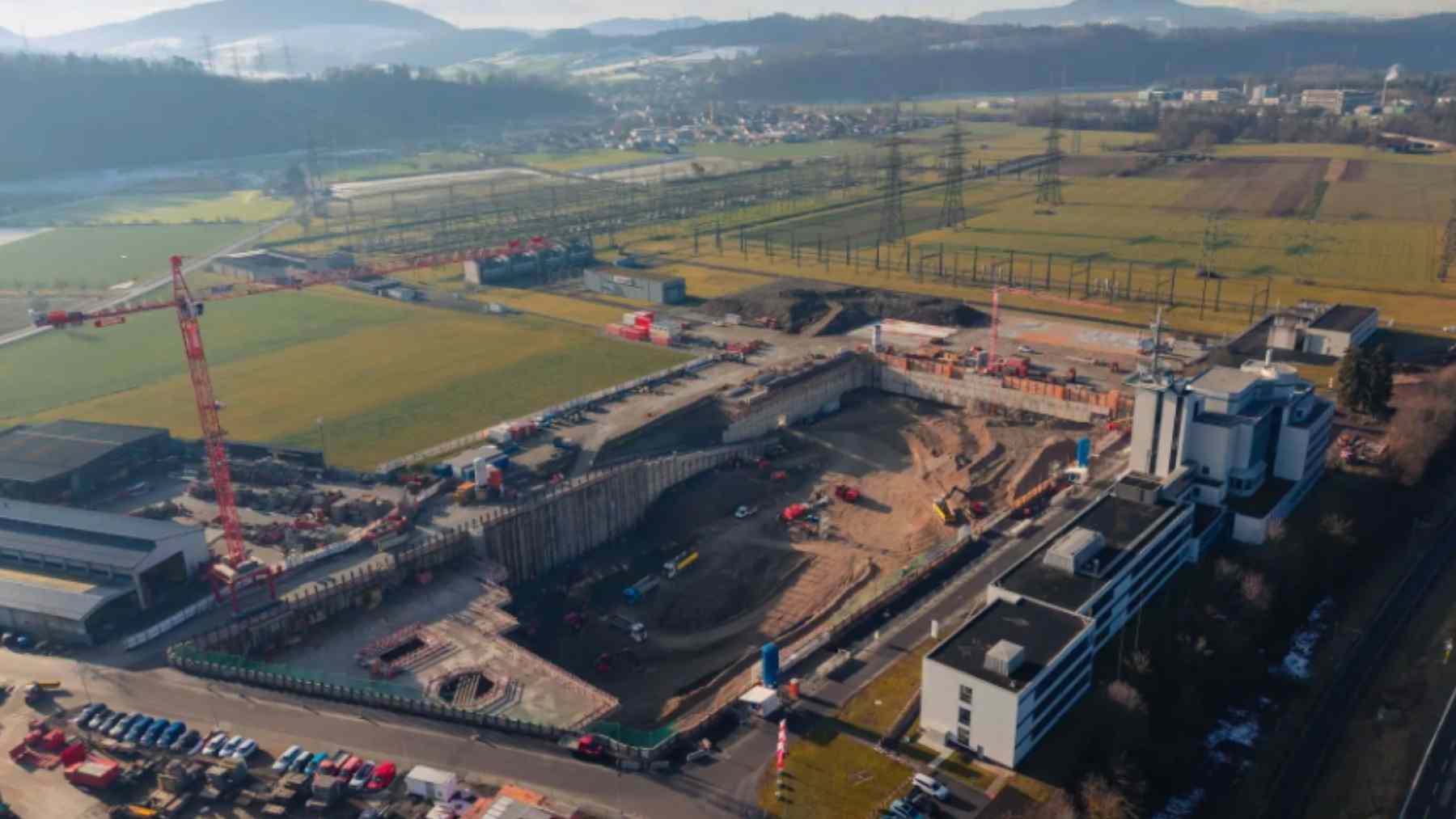
Switzerland is turning a quiet town on the Rhine into one of Europe’s most closely watched energy-storage experiments. In Laufenburg, FlexBase Group is building what it describes as the world’s largest and most advanced redox-flow battery storage system, with planned capacity of more than 2.1 gigawatt-hours and output of more than 1.2 gigawatts.
That sounds technical, but the idea is simple enough. When solar panels and wind farms produce more electricity than the grid needs, the battery stores it. When demand rises, it sends power back out, helping avoid the kind of strain that shows up in blackouts, price spikes, and eventually, the electric bill.
A huge hole for a real problem
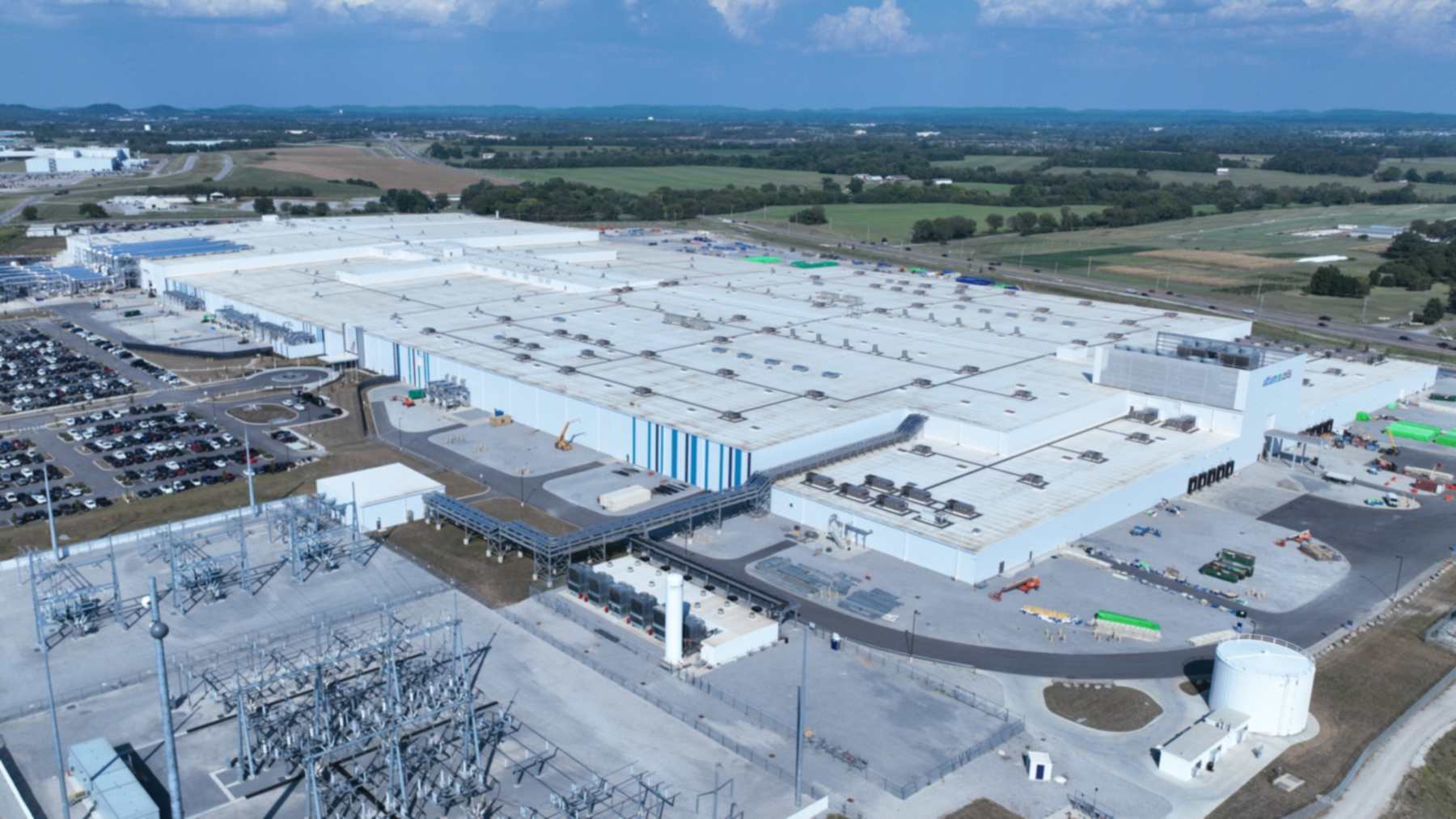
The construction site is hard to ignore. Swissinfo reported that FlexBase is excavating a pit about 89 feet deep and longer than two soccer fields to house the underground battery installation. The future technology center will cover more than 215,000 square feet and include the battery, an AI data center, offices, and laboratories.
There is a lot of digging before the promise becomes reality. ERNE , the construction partner, says roughly 14.1 million cubic feet of sandy and gravelly material will be extracted during the excavation phase, with much of it intended for reuse in concrete and gravel products. That detail matters, because even clean-energy infrastructure has a footprint before it starts helping the grid.
The timeline is still worth watching closely. FlexBase’s 2025 construction approval release pointed to full commissioning in summer 2028, while Swissinfo reported in April 2026 that the giant battery is planned to enter operation in 2029. Either way, the clock is moving.
Why this battery is different
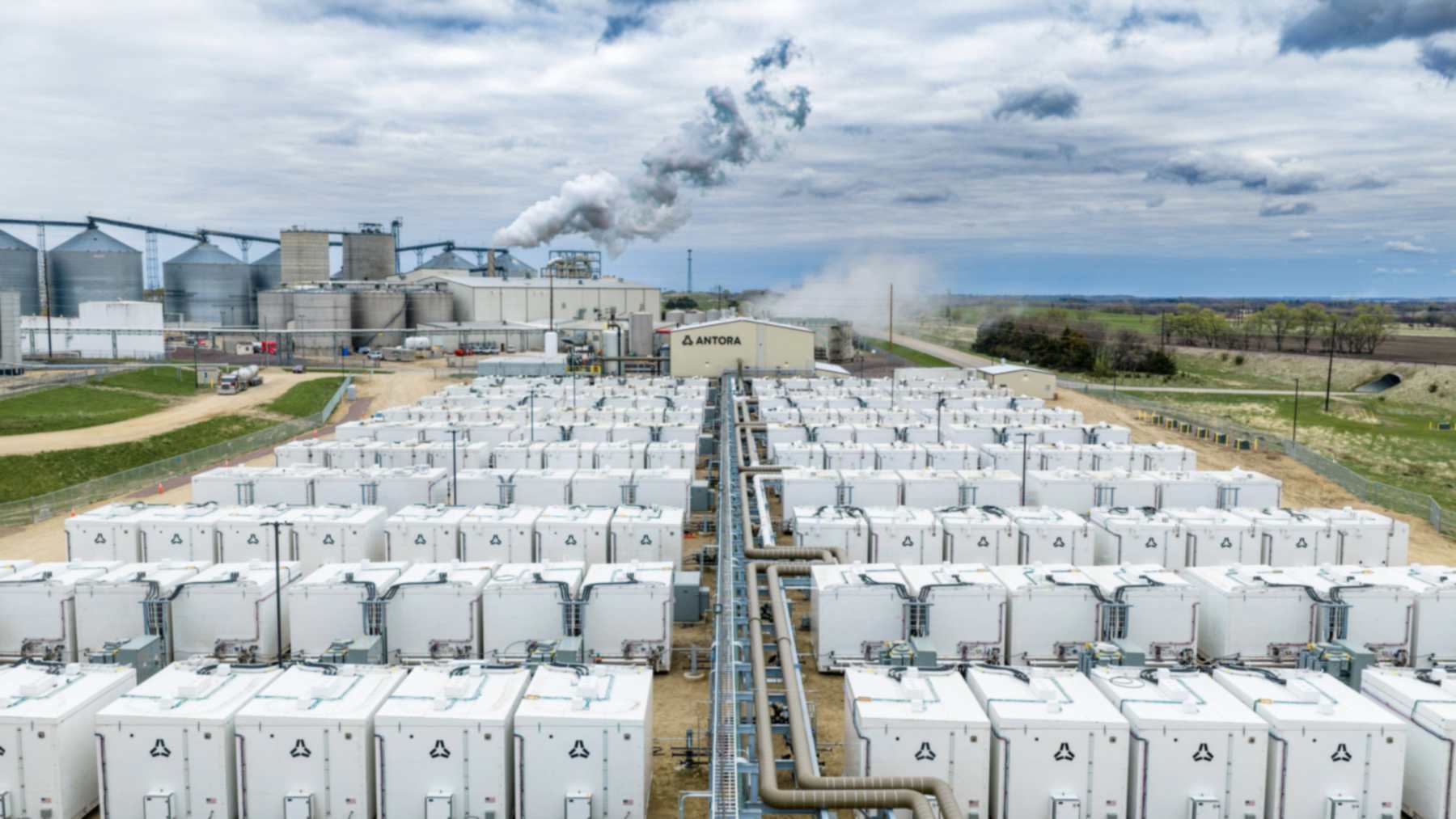
Most people think of a battery as the thing inside a phone or electric car. A redox-flow battery works differently. Instead of storing energy mainly in solid electrodes, it stores energy in liquid electrolytes held in tanks, then pumps those liquids through cell stacks where electrochemical reactions charge and discharge the system.
That is why this old technology suddenly feels new again. Flow-battery ideas date back to the 19th century, and NASA gave the field a major push in the 1970s when engineers developed iron-chromium flow batteries at what is now Glenn Research Center.
In practical terms, tanks are the story. More storage usually means larger tanks, while more power means larger cell stacks. It is not the kind of battery you slip under the hood of a car, but for a grid trying to handle sunny afternoons, windless evenings, and that sticky summer heat we all know, size can be a feature.
The Laufenburg advantage
Laufenburg was not picked at random. The site sits near the “Star of Laufenburg,” a historic switching substation where the electricity grids of Germany, France, and Switzerland were connected in 1958, a milestone Swissgrid describes as the birth of the European electricity grid.
That location gives the project a bigger role than a local backup system. Swissgrid has approved the first 800-megawatt phase of the grid connection, and FlexBase says the full buildout would reach more than 2.1 gigawatt-hours of capacity and more than 1.2 gigawatts of output.
Marcel Aumer, FlexBase Group CEO and founder, called the approval “a strong signal for the energy future of Switzerland and Europe.” A Swissgrid spokesperson put it more plainly, saying large batteries can store energy when there is plenty of it and release it when needed.
Big promise, big caveat
The numbers are impressive, but they need context. A 2.1-gigawatt-hour battery with 1.2 gigawatts of output could run at full power for roughly 1.75 hours if discharged at maximum output. That does not make it a power plant. It makes it a fast, flexible shock absorber for the grid.
That distinction matters. Storage does not create clean energy by itself. Its climate value depends on what fills it, how often it cycles, and whether it helps replace fossil-fuel backup when demand jumps or renewable output drops.
FlexBase says the electrolyte is about 75 percent water and is nonflammable and nonexplosive, a key safety argument compared with some lithium-ion systems. The company also says the system can support renewable energy by storing unused power and releasing it quickly when needed.
Not everyone is convinced
For all the excitement, flow batteries still face a tough marketplace. Lithium-ion batteries dominate today’s storage industry because they are mass-produced, widely understood, and increasingly cheap. Flow systems, on the other hand, need space, pumps, tanks, membranes, and serious engineering.
Swissinfo also reported skepticism from Tobias Schmidt, an energy and technology policy professor at ETH Zurich, who argued that metal-ion batteries may have a stronger future because of lithium-ion’s enormous learning curve. That does not mean Laufenburg is doomed. It means this project has to prove itself outside the rendering.
There is another wrinkle. The same technology center will include an AI data center, and those facilities can be major electricity users. FlexBase says waste heat from existing data centers could help supply district heating and save about 82,700 U.S. tons of CO2 over 30 years, but the wider environmental balance will depend on how the whole site is powered and operated.
What happens next
For Europe, the Laufenburg project is more than a battery. It is a test of whether large, liquid-based storage can move from the lab and niche installations into the backbone of a modern clean-energy system. If it works, it could help make renewable power feel less weather-dependent and more like something people can trust when they flip a switch.
Still, the most honest way to see it is as a gamble with real stakes. The technology is old, the scale is new, and the grid problem is not going away.
The official press release was published on FlexBase Group.