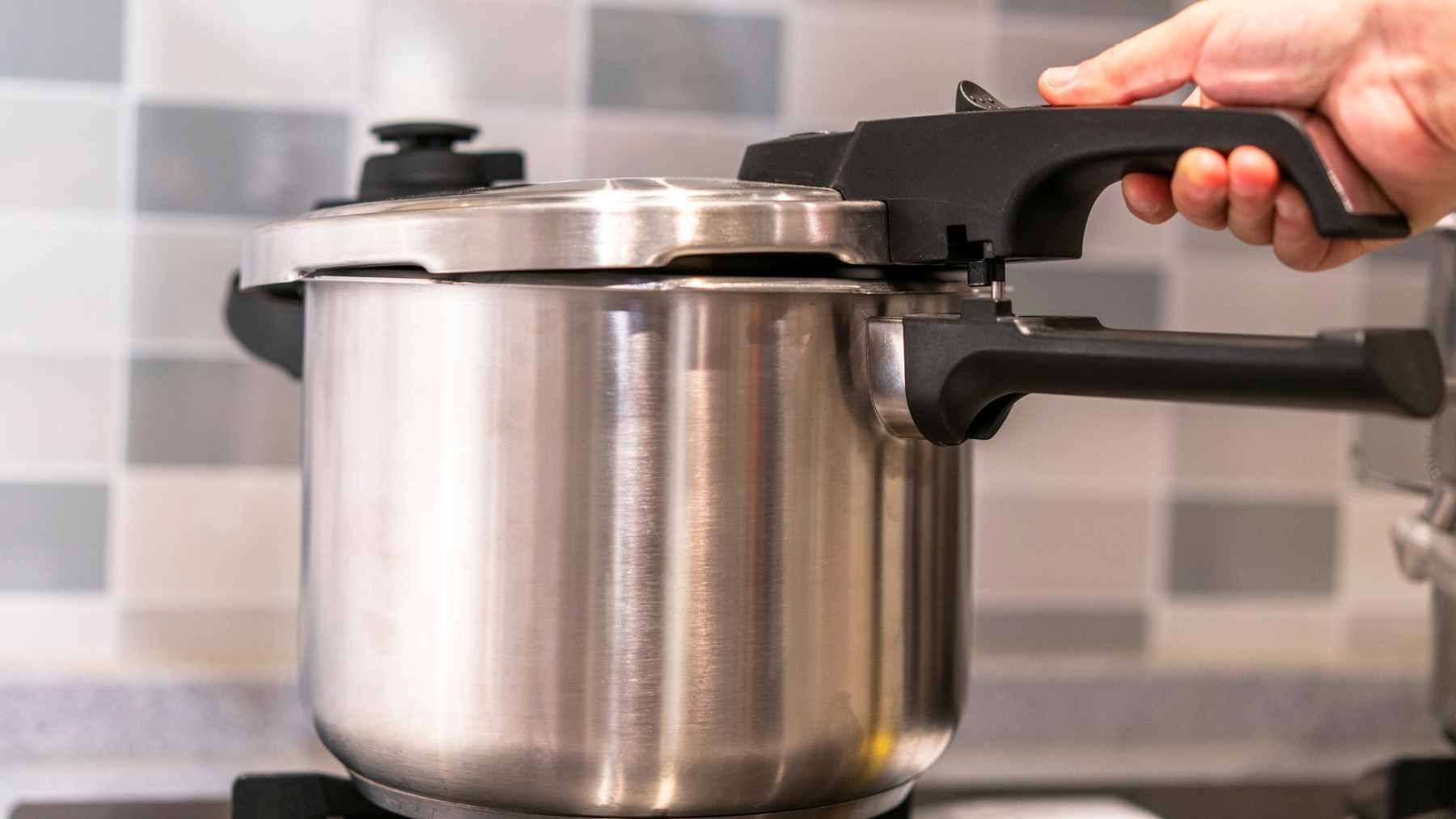
Have you ever watched beans bubble away for what feels like forever and wondered why a pressure cooker seems to win the race so easily? A kitchen experiment in Brazil turned that everyday question into a simple lesson in physics, using steam, heat, and a pot of beans to show what is really happening under the lid.
The main takeaway is simple. A pressure cooker works because trapped steam lets water get hotter than it can in an open pot, yet that same pressure also means the valve, gasket, fill level, and cooling time cannot be treated like small details. They are the safety system.
Steam raises the heat
In an ordinary pot, water boils at about 212°F under normal conditions. Once it reaches that point, adding more heat does not make the water keep getting hotter in the same way, because much of that energy leaves with the escaping steam.
Inside a pressure cooker, the steam is trapped. That extra pressure raises the boiling point, allowing the cooking environment to climb to roughly 248°F in the demonstration, close to the 250°F figure commonly used to explain pressure cooking.
That gap may not sound dramatic, but in the kitchen, it matters a lot. Tough foods such as beans, grains, and some cuts of meat soften faster because they are not just cooking longer – they are cooking hotter.
Beans prove the point
The experiment used beans because they make the difference easy to see. In Brazil, pressure-cooked beans are part of the regular kitchen routine, and anyone who has waited for a pot to soften knows this is not a tiny advantage.
The same basic ingredients were placed in two pots. One was cooked the traditional way, while the other was sealed under pressure, letting steam and temperature do their work more aggressively.
By the end of the comparison, the pressure-cooked beans were noticeably softer. The beans in the regular pot still had more resistance, showing that the real advantage came from the closed, hotter environment created inside the pressure cooker.
The valve is the warning
That familiar spinning or rocking valve is not just kitchen background noise. It is the sign that the cooker has reached its working pressure and is now releasing excess steam in small bursts.
For many recipes, that is when the timer really begins. The food is now being cooked in the hotter pressure environment, not just warmed as the pot comes up to temperature.
The valve also acts like an alarm. If the pot is heating and the valve does not move or release steam as expected, the safest reaction is not curiosity – it is caution. Turn off the heat and do not force the lid open.
Where danger begins
The biggest risk appears when steam cannot escape. A blocked valve can be caused by food residue, foam, thick mixtures, or simply filling the cooker too high.
When expanding foods rise, they can reach the steam outlet and interfere with the valve. That is why many pressure cooker instructions warn users not to fill the pot above two-thirds, and to stay closer to half full for foods that expand or foam, including rice, dried vegetables, and beans.
This is where the useful tool can become dangerous. If pressure builds beyond what the appliance is designed to manage, the result can be violent steam release, damaged parts, or a serious kitchen accident.
Gaskets matter too
The rubber gasket around the lid does quiet work, but it is essential. It keeps steam from leaking out the sides and helps the cooker hold the pressure needed to reach higher temperatures.
If that ring is dry, cracked, stretched, or poorly seated, steam can escape in the wrong place. Hot steam is not just unpleasant – it can burn skin quickly and turn a normal dinner prep into an emergency.
The locking system matters as well. Pressure pushes the lid outward from inside the pot, and the cooker’s design is meant to stop the lid from opening while pressure remains. That is why forcing it is one of the worst moves a cook can make.
Simple habits keep it safe
Before using a pressure cooker, the key is to check the basics. Make sure the valve is clean, the gasket is in good condition, and the pot is not packed to the top.
On a stovetop model, once the cooker reaches pressure, the flame can usually be lowered. Keeping it too high does not make the temperature rise forever; rather, it can waste energy, make the valve release steam more aggressively, and add needless stress to the whole setup.
The final step is patience. A pressure cooker should only be opened after the pressure has fully dropped, because the calm-looking lid can still be holding back very hot steam.
Condensed milk needs extra care
The experiment also discussed cooking a can of condensed milk to make dulce de leche. It is a familiar trick in some kitchens, though it deserves extra caution.
The danger is not only inside the pressure cooker. Even after the pot has depressurized, the can itself may still hold heat and pressure, and opening it too soon can send scalding contents outward.
That is the kind of detail people forget when dinner is late or the kitchen is busy. Letting the can cool completely is not just a nice precaution, it is the difference between a safe treat and a serious burn risk.
Kitchen science, not kitchen fear
The pressure cooker can feel intimidating because it makes noise, traps steam, and works under pressure, but the experiment shows that it is not mysterious. It follows a clear chain of events, with more pressure leading to more heat and faster cooking.
At the end of the day, the goal is not to be afraid of the tool. The goal is to respect it. A clean valve, a good gasket, the right fill level, and a fully depressurized lid are what turn the pressure cooker back into what it should be, a fast and efficient way to cook.
The educational demonstration was published on Manual do Mundo’s website.