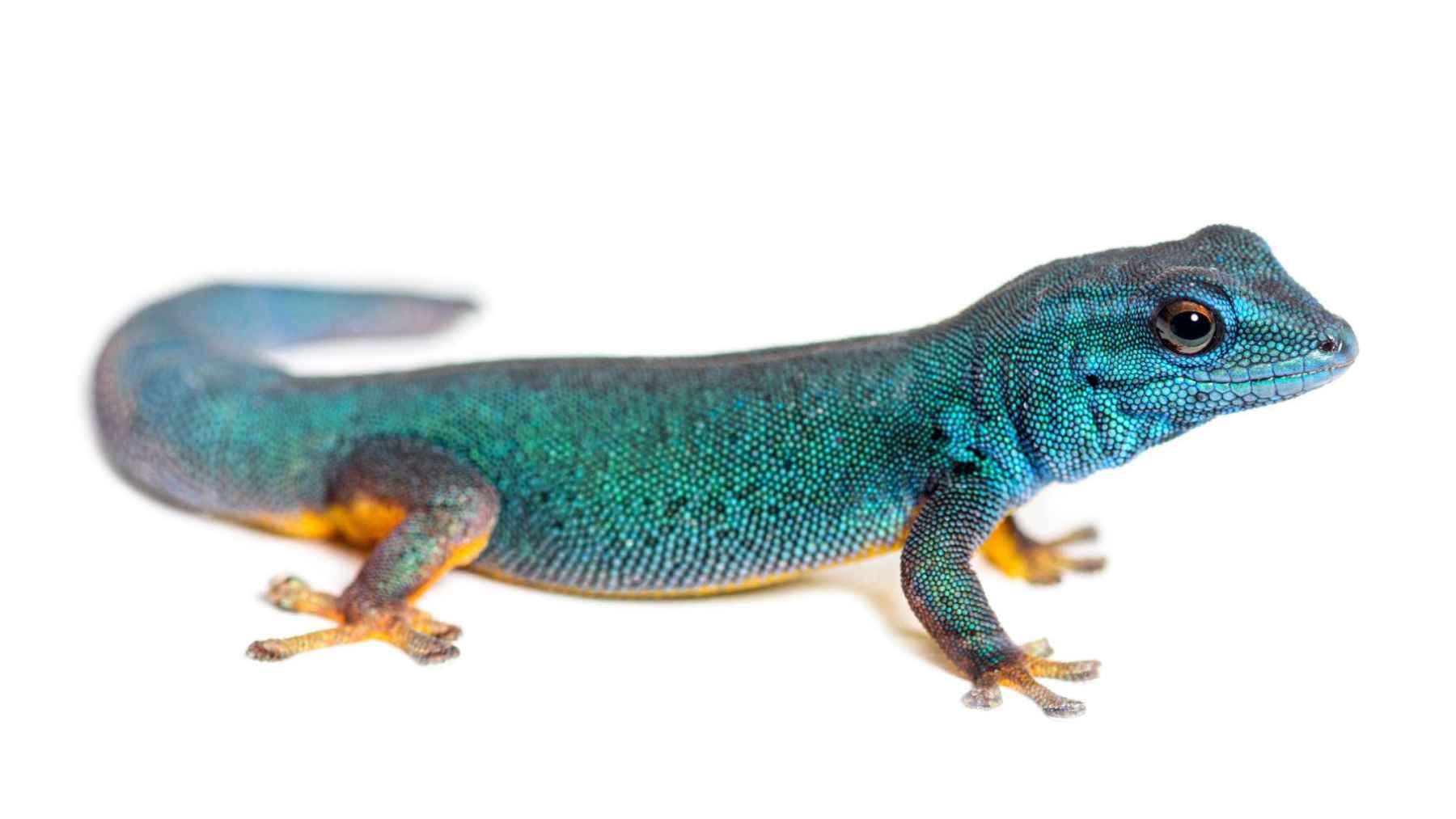
A lizard the color of a summer sky has become one of Tanzania’s most surprising conservation stories. Williams’ electric blue day gecko, a tiny reptile once heavily collected for the European pet trade, is now showing signs of recovery after years of pressure from wildlife trafficking and forest damage.
The shift did not happen by accident. Trade restrictions lowered demand for wild animals, captive breeding helped take pressure off the forest, and local communities around Kimboza began restoring the exact habitat this little gecko needs to survive. For a species with almost no room to move, that kind of focus matters.
A gecko with little room
Williams’ electric blue day gecko (Lygodactylus williamsi) is found only in Tanzania, mostly in the Kimboza and Ruvu forest reserves. Protected Planet notes that the species was categorized as Critically Endangered by the IUCN Red List in 2012 and is tied to two small protected areas in the foothills of the Uluguru Mountains, together covering less than about 19 square miles.
That tiny range is part of what makes the gecko so vulnerable. It depends almost completely on Pandanus rabaiensis, a screwpine-like plant, for shelter, food, basking, and breeding.
Think about it for a second. If your whole life depended on one kind of tree in one small patch of forest, even a few bad years could change everything.
The pet trade hit hard
For years, the gecko’s dazzling color made it a target for collectors. Males are famous for their intense electric blue backs and orange bellies, while females are usually greenish or bronze, a look that made the species especially attractive in the exotic pet market.
The damage was not only the number of animals removed. Collectors sometimes cut down pandanus plants to reach the geckos hiding in the leaf crowns, destroying the animal’s home at the same time they captured it.
Between 2004 and 2009, it is estimated that more than one in ten wild geckos were collected for the international pet trade. In January 2017, CITES Parties listed the species in Appendix I, prohibiting commercial international trade in wild individuals.
The forest fight
Trade controls helped, but the forest still needed work. In Kimboza, forest ecologist Charles Kilawe and nearby villagers have worked with rangers to remove Spanish cedar, an invasive tree that had spread through the reserve and pushed out native habitat.
Since 2016, crews have cut nearly 100,000 Spanish cedar trees, reduced forest fires by around 80 percent, and planted about 5,000 native trees each year, according to the conservation reporting provided for this story. Mongabay’s June 2026 report also described those same restoration figures as central to the gecko’s recovery.
It is slow, sweaty work. Not the kind of conservation that makes flashy headlines every day, but the kind that changes what a forest looks like season after season.
Why Spanish cedar matters
A 2022 study published in Global Ecology and Conservation looked closely at how Cedrela odorata, the invasive Spanish cedar, affects both the gecko and Pandanus rabaiensis in Kimboza Forest Reserve. Researchers used 107 study plots of about 33 by 33 feet and compared gecko abundance on 125 pandanus trees under different canopy conditions.
The study found an inverse relationship between Spanish cedar abundance and pandanus abundance. It also warned that if the invasive tree is left unmanaged, it could take space that should be occupied by native plants, limiting the population size of an already endangered species.
In practical terms, that means saving the gecko is not just about saving the gecko. It is about getting the forest structure right again.
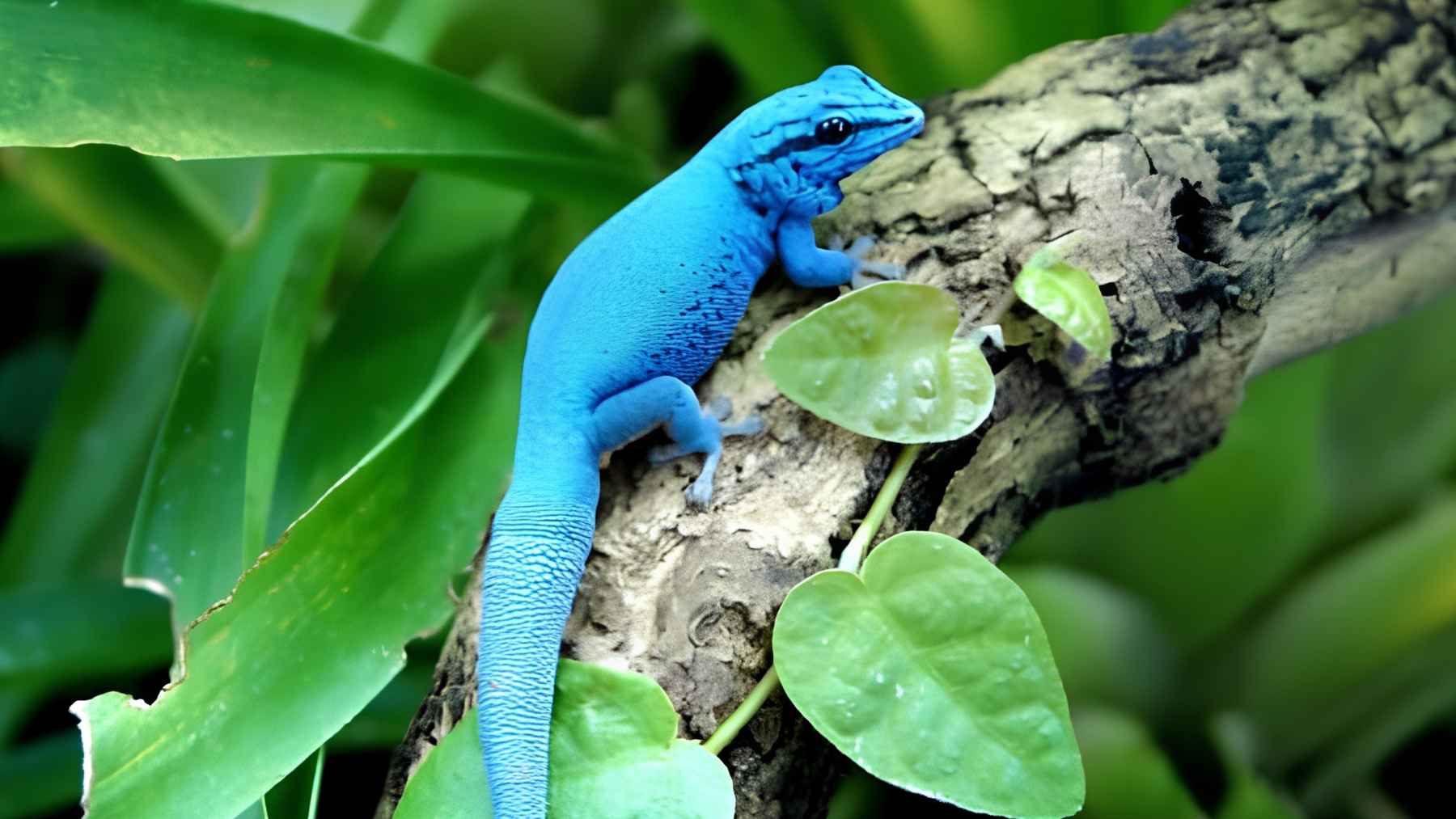
The striking electric blue male Williams’ day gecko is found only in a small area of Tanzania, where habitat restoration and wildlife trade restrictions are supporting the species’ recovery.
Local people changed the story
Zoo Liberec’s official project page says the Kimboza Forest Gecko Project has been underway since 2020 and focuses on protecting the blue gecko from threats caused mainly by human activity, including fires, illegal logging, mining, invasive Spanish cedar, and illegal harvesting.
The page also notes that Dr. Ch. J. Kilawe from Sokoine University of Agriculture leads local communities in conservation activities inside Kimboza Reserve. The project supports firebreaks, forest cleaning, ranger work, and public education, including outreach to students.
That local role is not a small detail. At the end of the day, a forest reserve survives more easily when the people living around it are part of the solution rather than treated as outsiders.
More than one species wins
The gecko is the headline animal, but the benefits are broader. Restoring native habitat also helps other wildlife in the reserve, including blue monkeys, white-chested alethes, and trumpeter hornbills.
That is often how conservation works when it is done well. Protect one very specific creature and you may end up repairing a whole web of life around it.
Still, experts would be cautious about calling this story finished. A species with such a narrow range can recover in one area and still remain fragile if fire, illegal collection, invasive trees, or market demand return.
A small blue warning sign
The recovery of Williams’ electric blue day gecko shows that conservation can work when the work is specific enough. Reduce trade pressure, restore the right plant, control the invasive species, and give nearby communities a real role.
It sounds simple. It is not.
For readers, the lesson is also surprisingly close to home. A rare animal bought as a pet may carry a hidden cost, especially when paperwork, breeding history, or origin are unclear.
For conservationists, the tiny blue gecko is becoming something more hopeful. It is a reminder that even species squeezed into a few forest fragments are not automatically lost when science, enforcement, and local stewardship move in the same direction.
The official project page was published on ZOO Liberec.