The Colorado River is no longer just a story of loss at its final stretch in Mexico. After decades of dams, canals, and heavy water use, controlled releases and restoration work have allowed parts of its delta to reconnect with the Gulf of California, also called the Sea of Cortez.
A 2026 University of Arizona-led report gives the clearest message so far, showing that a damaged river does not always need a giant flood to show signs of life. In this case, a small but steady supply of water, careful planting, and local work have brought back wetlands, birds, and shaded riverbanks. First author Karl W. Flessa put it simply when he said that “a small amount of water can do big things.”
A river returns in pieces
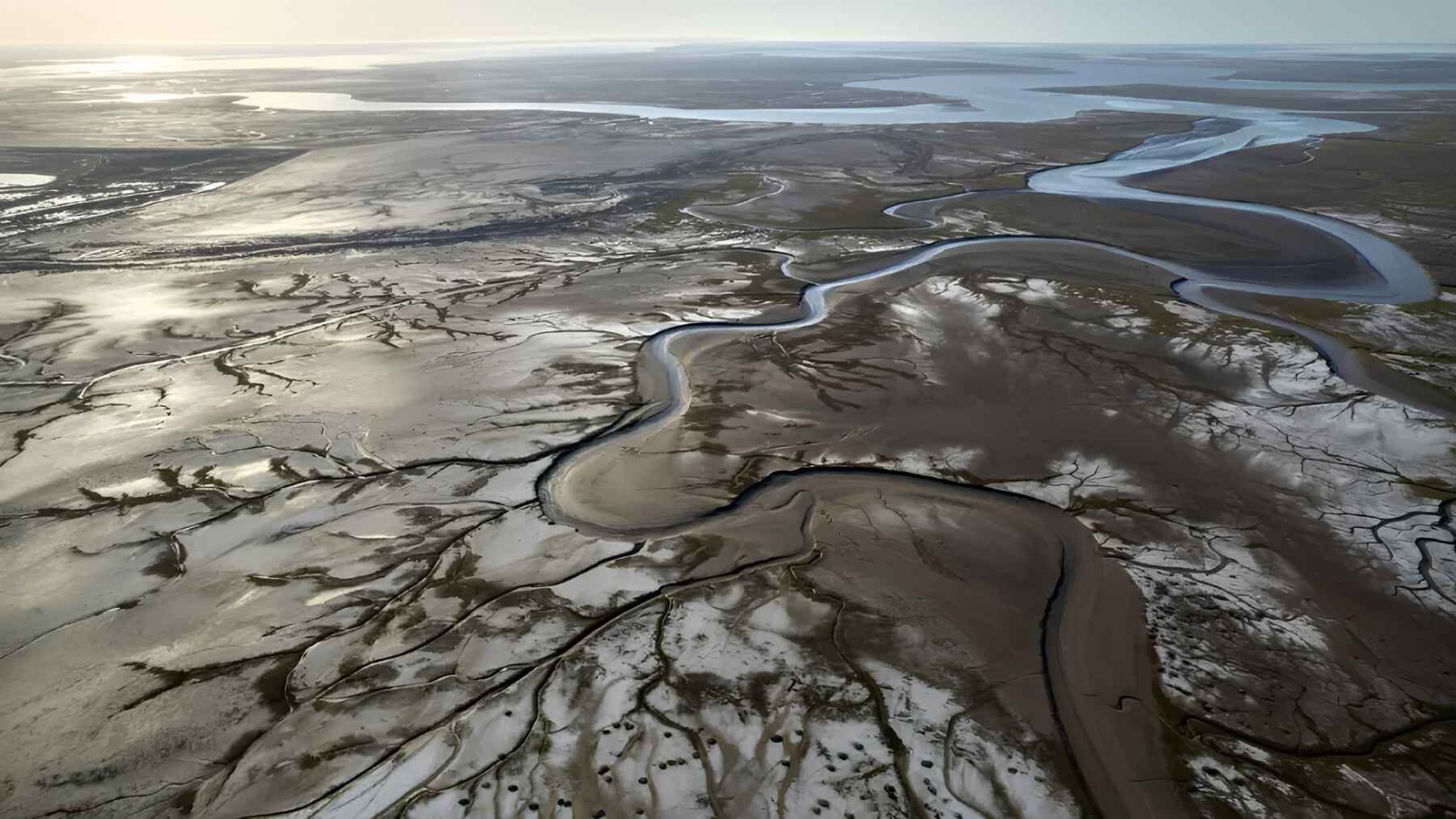
A delta is the low, flat place where a river spreads out before reaching the sea. It can look like a fan of channels, marshes, mudflats, and lagoons. For wildlife, it is a nursery.
The Colorado River delta was once one of the great wetland systems of the desert Southwest. Today, the return is not a full-time comeback. Think of it less like turning a giant faucet back on and more like careful medicine for a river that has been running on empty.
How the delta dried out
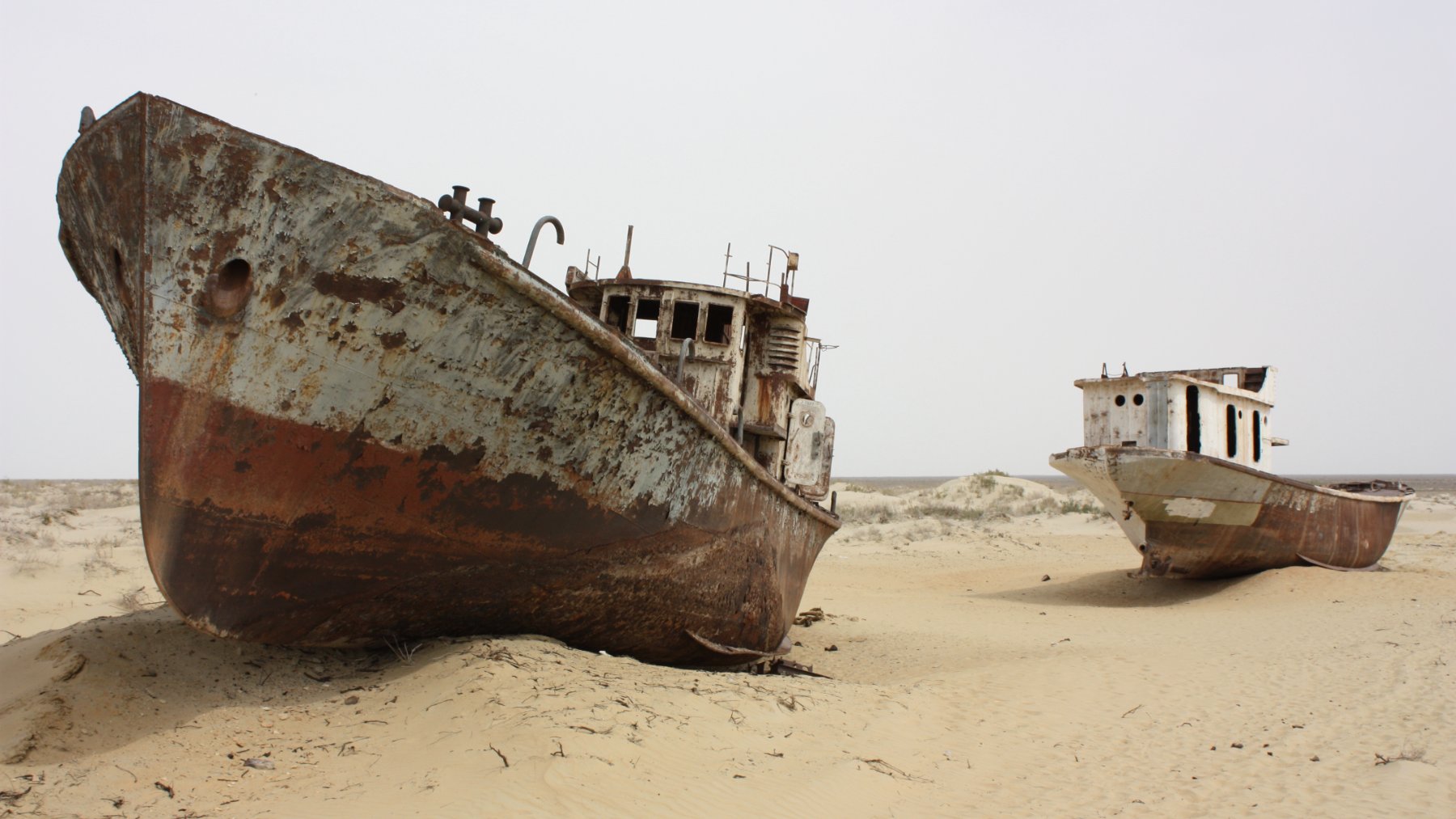
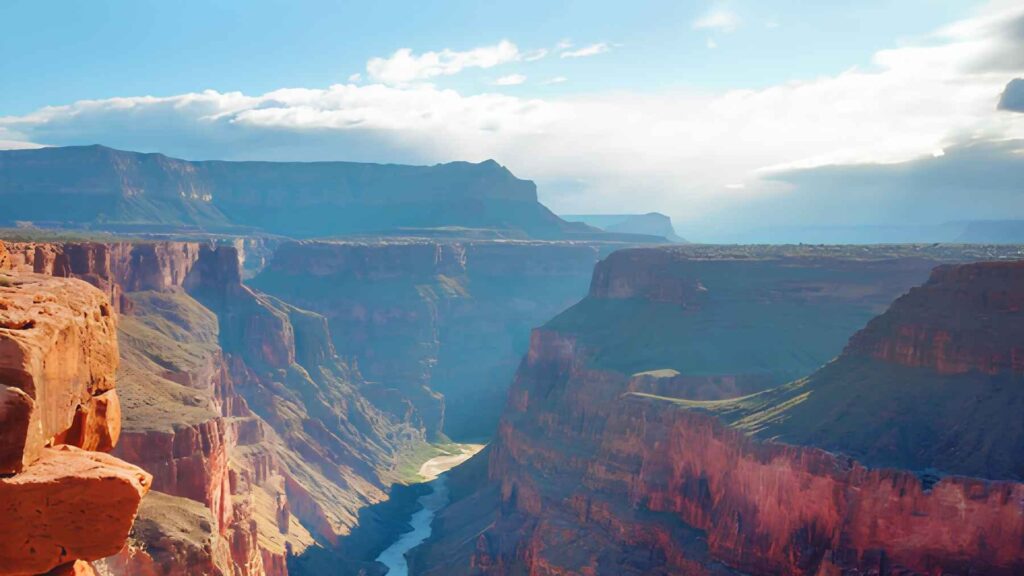
During the 20th century, the river was captured by dams and pushed through canals to supply cities and farms in the United States and Mexico. That water helped grow food and power communities, but downstream, the river’s last miles paid the price.
The U.S. Bureau of Reclamation says the basin supports water supplies for between 35 million and 40 million people, while farming uses most of the river’s water. It also irrigates millions of acres of land. When a river has that many demands on it, the sea can become the last thing in line.
The deal that opened the gates
The first big shift came through Minute 319, an agreement tied to the 1944 Water Treaty between the United States and Mexico. The International Boundary and Water Commission said the plan created environmental flows for the delta, including a one-time pulse flow from Morelos Dam in 2014. That pulse released about 34 billion gallons of water over several weeks, enough to let the river briefly push toward the sea.
What is a pulse flow? In simple terms, it is a planned rush of water meant to imitate part of a natural flood. Before big dams, spring snowmelt would surge downstream and refresh riverbanks.
Minute 323 followed in 2017 and extended the binational approach through the end of 2026. The agreement also folded environmental water into broader rules on shortages, storage, and cooperation. That matters because the river is not just an ecosystem, but also a source of drinking water, crops, power, and political tension.
Small flows, visible results
The early pulse proved something important. Water could be delivered, people cared, and the delta still had a pulse of its own. However, much of that first release sank into the dry riverbed before plants could use it for long.
That is why later releases became more targeted. From 2021 through 2025, and again with work underway in 2026, smaller flows were routed closer to restoration areas. The goal was not drama. The goal was efficiency.
The results are easier to see on the ground than from a map. Restoration crews planted cottonwoods, willows, mesquite, and other native plants. These are “riparian” species, a word that simply means they live along rivers and streams.
Trees, birds, and people
The Revive the Colorado River Alliance says six organizations from Mexico and the United States have helped restore more than 1,300 acres of riverside habitat and plant more than half a million native trees. Under Minute 323, the alliance says the total environmental water commitment is about 210,000 acre-feet.
Why does that matter? Trees make shade, shade cools the ground, and cooler wet places attract insects, fish, birds, and mammals. The delta sits along the Pacific Flyway, a major migration route, so even a restored patch of wetland can become a rest stop for birds on long journeys.
For Indigenous Cocopah communities, the lower river and delta are not just scenery. Their ancestral lands stretch through this region, and the river was tied to fishing, floodplain farming, and cultural life. That history makes restoration more than an environmental project because it is also about connection.
The water crisis is still here
The good news comes with a hard limit. The delta is not self-sustaining and still needs managed water, maintenance, monitoring, and funding. Without those things, young trees can die, channels can dry, and wetlands can shrink back into dust.
Climate change makes the job tougher. Hotter conditions mean more evaporation, less reliable snowpack, and longer dry spells. Anyone who has watched an electric bill climb during a sticky summer knows heat changes daily life.
That is why the Colorado River delta has become a test case. Can two countries keep farms and cities supplied while also leaving enough water for nature? The answer, so far, is yes in limited places, but only with planning and political will.
What comes next?
The biggest question is what happens after 2026. Current rules are ending, and future river management is still being negotiated. The trouble is, the clock is moving faster than politics.
Still, the delta offers a useful lesson. Restoration does not have to mean rebuilding the entire past. It can mean choosing the places where water will do the most good, working with local communities, and measuring what actually changes.
The Colorado River’s return to the Gulf of California does not erase decades of damage, yet it does show that even a strained river can respond when water, science, and cooperation meet on the ground.
The official report was published by the Center for Colorado River Studies at Utah State University.