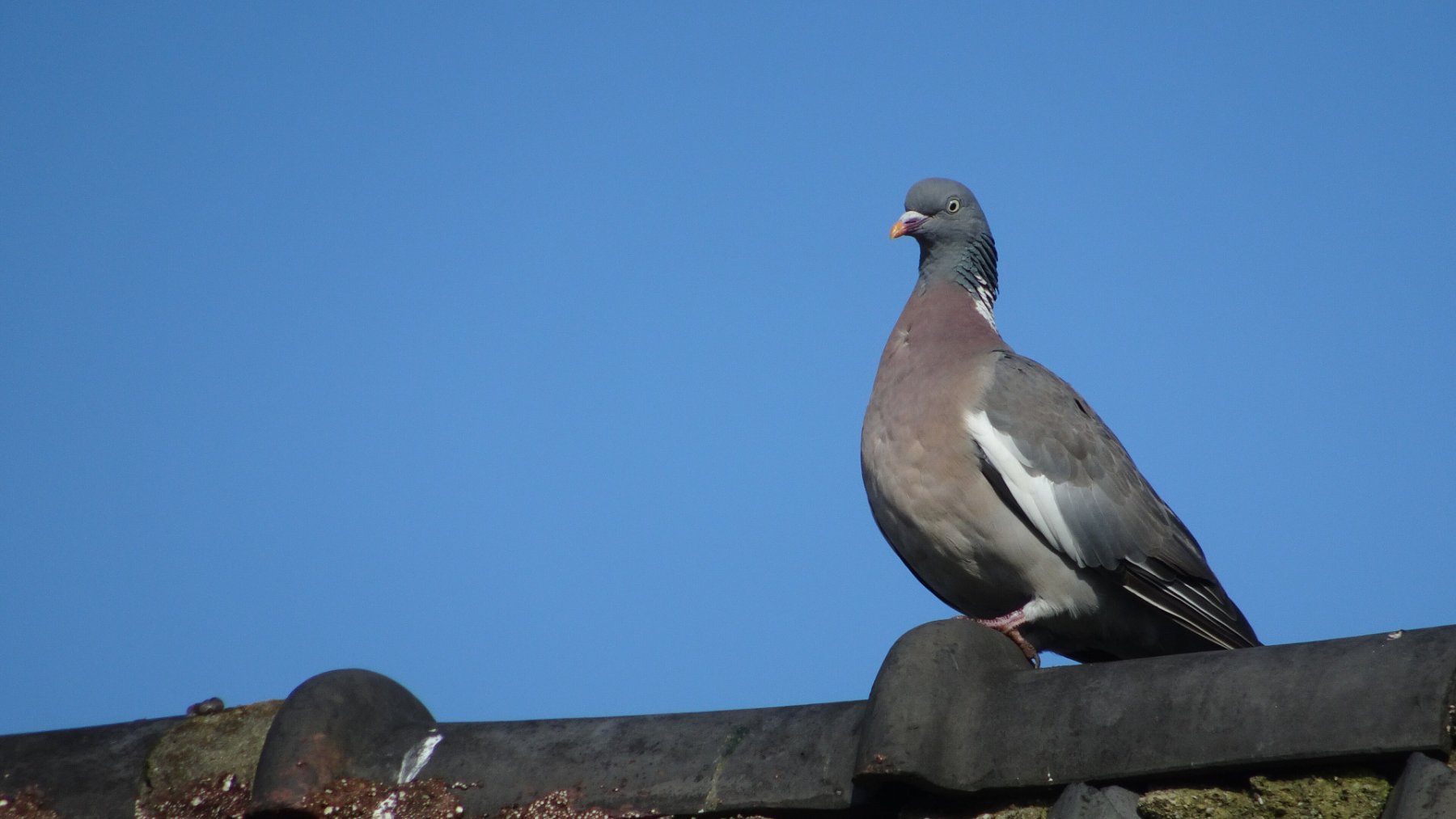
For a Phoenix homeowner, the space beneath rooftop solar panels may look like an unimportant gap. To a pigeon, it can be a shaded shelter with room for a nest, leaving the household with droppings, debris, and cooing before the morning coffee is ready.
But keeping those birds away is not necessarily a job for the fanciest deterrent on the market. University guidance points toward blocking access to nesting spaces and reducing food sources, while warning that ultrasonic devices are ineffective against pigeons. The practical goal is to keep birds out without damaging equipment, blocking ventilation, or trapping animals beneath the panels.
Why solar panels become pigeon hideouts
The desert heat helps explain the appeal. According to the National Weather Service, Phoenix averaged 111 days a year with temperatures reaching at least 100°F during the 1991–2020 climate-normal period, making the search for shade more than a passing summer concern.
The panels also put a roof over the birds, shielding nesting spaces from weather and predators. Nearby trash containers, bird feeders, and accessible water can make the setup even more attractive, so the problem is not always confined to the hardware on one house.
Once settled, pigeons may be difficult to discourage. University of Arizona guidance notes that they reuse nests and can raise multiple broods each year, which helps explain why an occasional visitor can become an ongoing maintenance problem rather than a one-week nuisance.
Where the mess starts affecting power
Droppings matter because they block sunlight from reaching solar cells. A 2025 study in Scientific Reports compared bird-contaminated modules with clean and actively cooled modules, finding that contamination reduced power production. Those experimental results do not establish a single percentage loss that applies to every Phoenix roof.
The University of Arizona also identifies clogged gutters, damaged electrical systems, and reduced solar-panel efficiency as problems associated with droppings and nesting materials. That supports taking a buildup seriously, but it does not mean a few droppings automatically ruin an entire installation.
There is another distinction worth making. Solar panels use sunlight, not hot weather, to generate electricity, and the Department of Energy notes that solar cells generally perform better at lower temperatures. Protecting a solar installation should therefore include managing heat, not simply covering every opening.
Close the entrance, not the airflow
A common approach is a continuous mesh barrier around the array, extending from the panel edges down to the roof. Department of Energy maintenance guidance describes this clip-on arrangement for excluding birds, while anti-perch spikes can discourage roosting along exposed edges. Spikes target landing spots, though, and should not be treated as a substitute for closing an open cavity.
What should homeowners ask before the work begins? Ask the solar installer to confirm that attachments are compatible with the equipment and that the barrier preserves ventilation and access for maintenance. Before closing the perimeter, have the cavity checked for birds and active nests so the work does not trap animals inside.
Why flashy deterrents can disappoint
Reflective tape, spinning objects, and imitation predators may seem easier than fitting a physical barrier. But University of Missouri Extension says visual deterrents can help when combined with exclusion, while common noise-making devices have little lasting effect on roosting pigeons. A moving decoration is not the same thing as removing access to a nest site.
Ultrasound is an especially weak bet. Missouri Extension says high-frequency ultrasonic sounds “are also inaudible to pigeons,” so the birds cannot hear the supposed warning. Sticky repellents bring a different concern, with University of Arizona guidance warning that some substances can foul feathers and harm smaller birds.
Prevention starts beyond the roof
Sanitation belongs in the plan, too. Securing trash lids, removing spilled food, and reducing accessible water sources can make a property less inviting to pigeons. These steps address what attracts the birds rather than relying entirely on something designed to frighten them away.
Cleanup should not mean heading onto the roof with a broom. Arizona Extension warns against scraping, sweeping, or power-spraying dry droppings because contaminated particles can become airborne, and extensive accumulations warrant professional attention. Existing debris needs assessment alongside the panels, wiring, and drainage paths.
For homeowners, the useful question is not how many deterrents can be added, but whether birds are excluded without compromising the solar system. Keeping that balance protects the purpose of the installation rather than turning the roof into a testing ground for gadgets.
The study examining bird contamination and solar performance was published on March 10, 2025, in Scientific Reports.