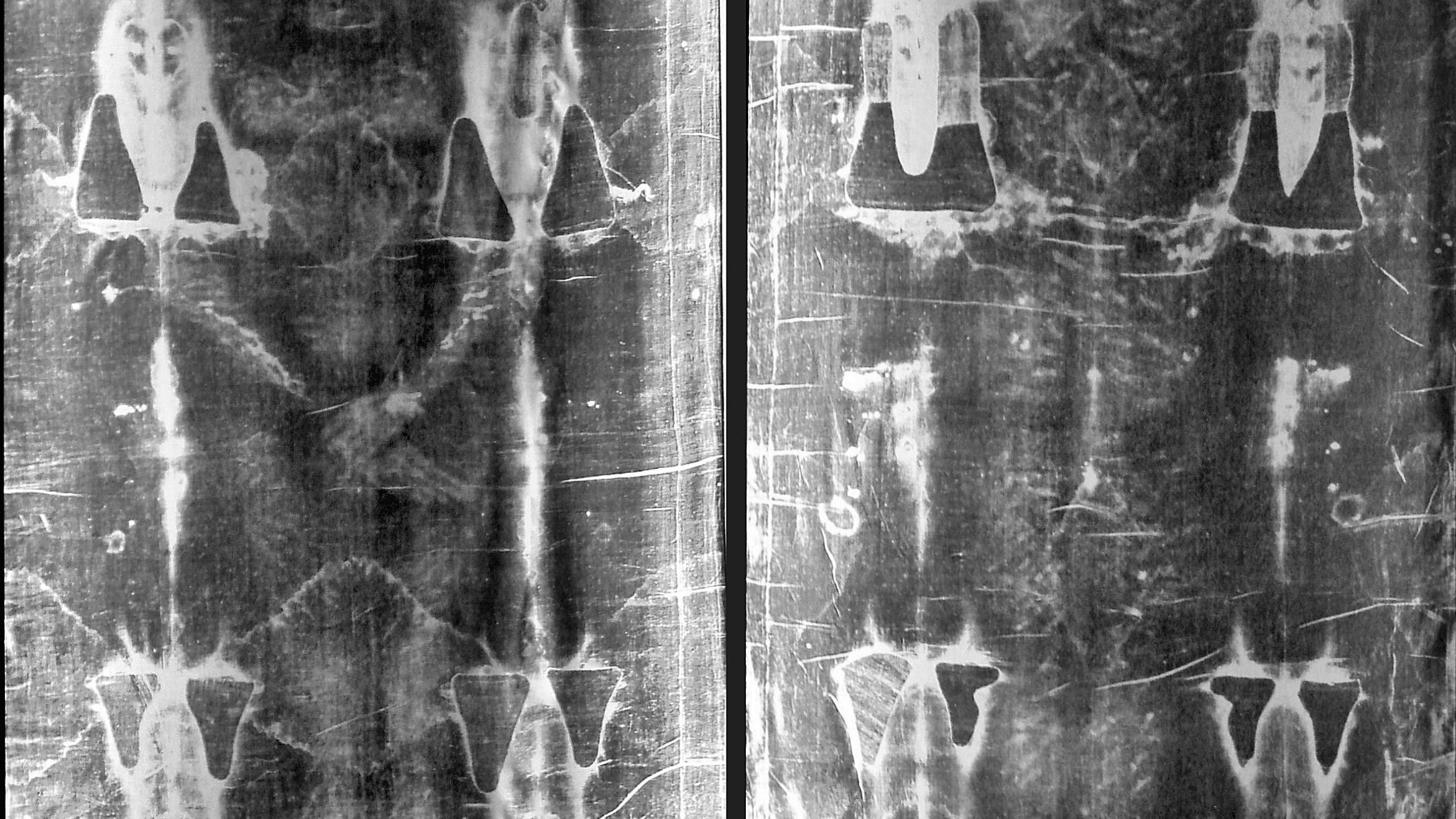
Nearly 50 years after samples were collected from the Shroud of Turin, scientists have recovered DNA from people, microbes, crops, domestic animals, and Mediterranean red coral. The findings reveal an extensive biological record, but they do not establish when the linen was made or prove its authenticity.
Instead, the research offers a closer look at the human contact and environmental exposure the cloth has experienced over time. Think of the results as a crowded guest book rather than a birth certificate, with overlapping entries that scientists cannot confidently assign to the shroud’s earliest history.
A fresh look at samples collected in 1978
The international collaboration, involving the Universities of Padua and Pavia, revisited samples collected in 1978 by forensic scientist Pierluigi Baima Bollone. Researchers obtained DNA sequences from seven samples, according to the universities’ press release, showing that archived material could still yield useful genetic information decades later. It also highlights why preserving older sample collections can matter as analytical methods become more capable.
The team applied a technique called PCR-free next-generation metagenomic sequencing. In plain language, it reads genetic material from a mixed sample without first using PCR to make additional copies of it. That broader view matters for a cloth carrying traces from many biological sources, rather than a clean genetic signal from a single person.
The strongest human signal came from the collector
Several human mitochondrial DNA lineages were detected, but one finding provides a particularly important caution. The predominant lineage matched Baima Bollone himself, demonstrating how the person collecting historical material can become part of the biological evidence recovered from it.
Other human lineages were also present, although their detection does not establish when those individuals encountered the cloth. “Unfortunately, however, these lineages cannot be dated,” researcher Antonio Torroni explained in the universities’ release. Careful laboratory work today cannot undo the biological mixing that happened before the samples reached the lab.
A biological record of farms, homes, and the sea
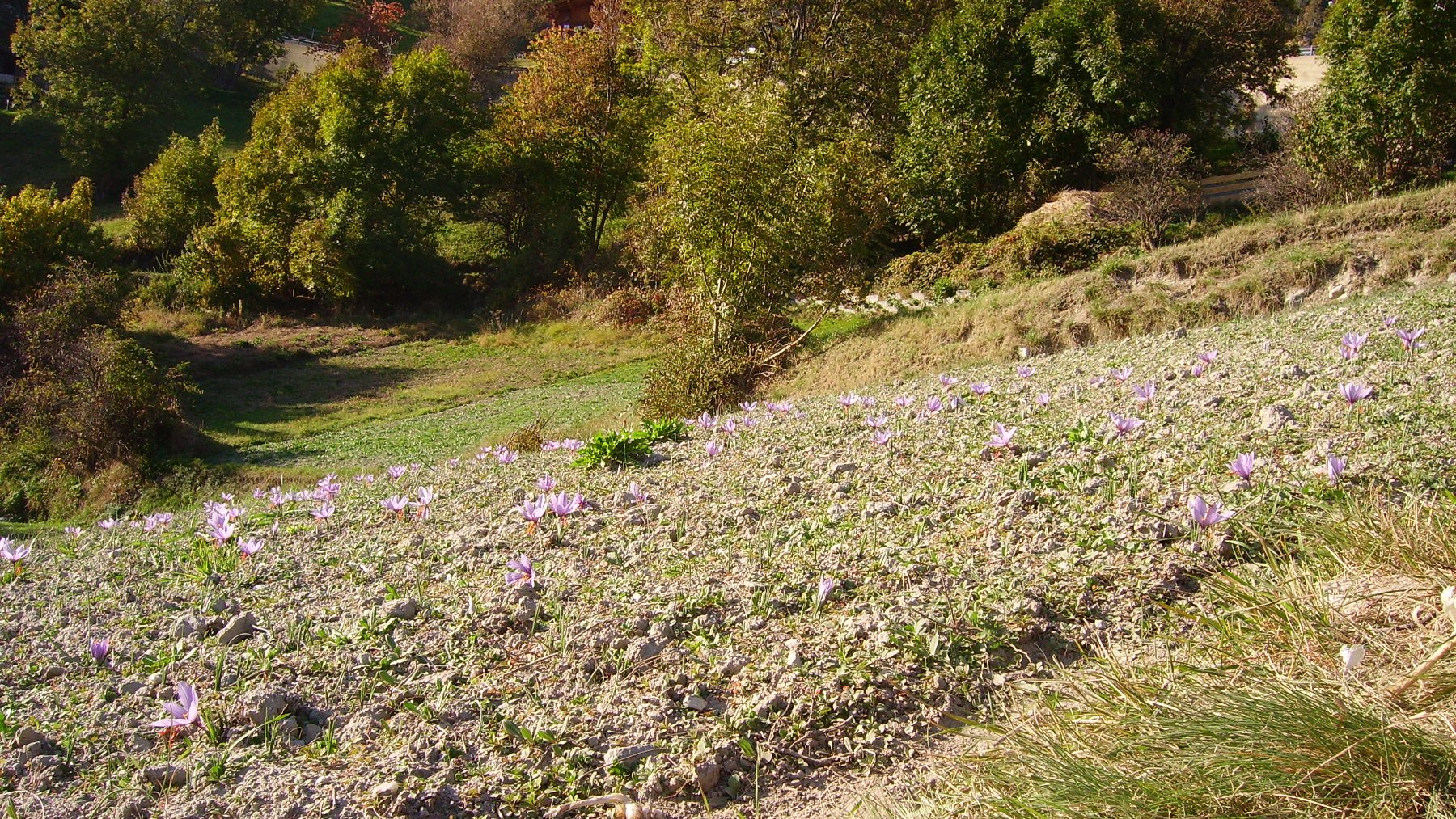
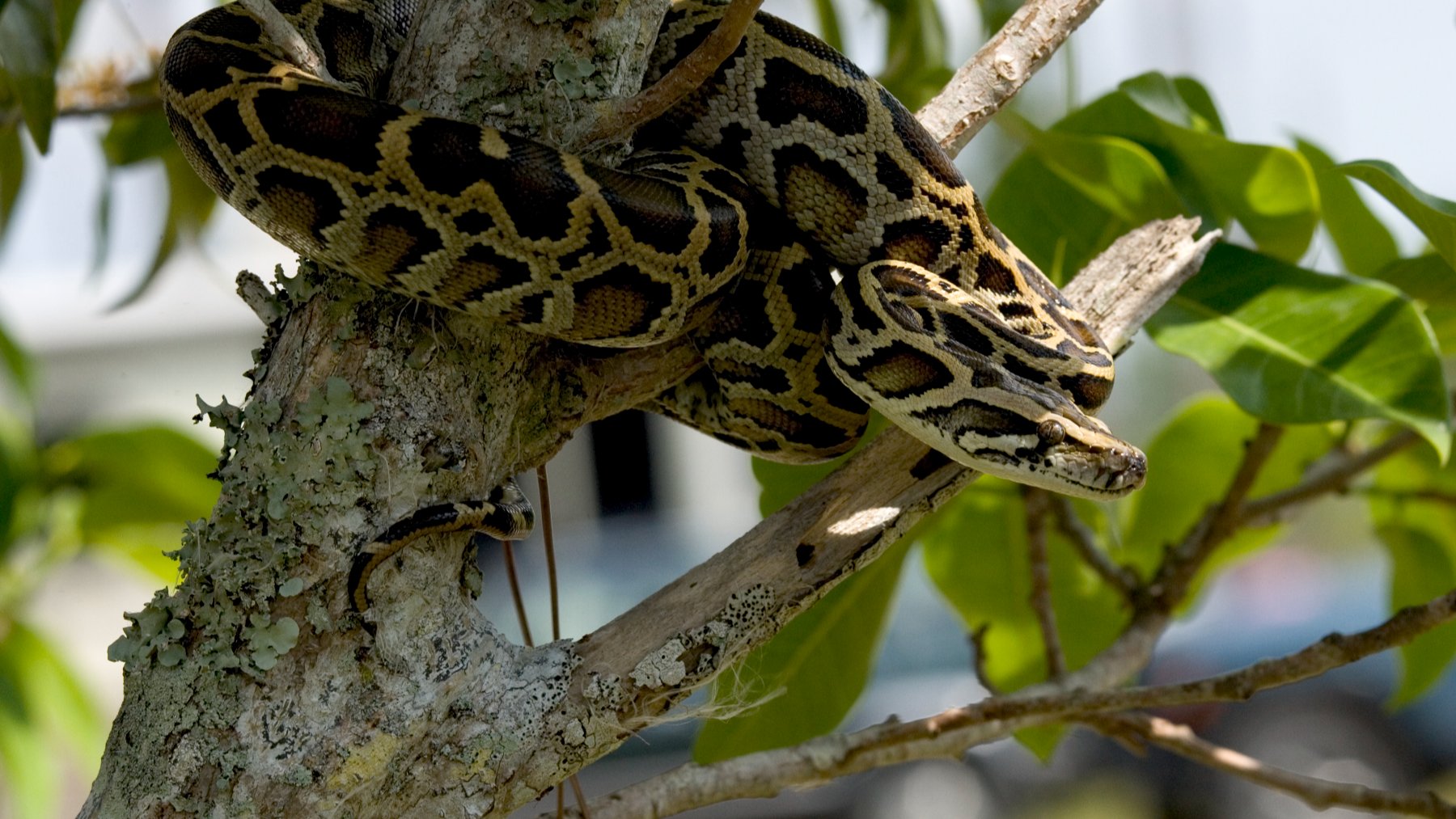
Some of the plant findings read almost like a grocery list, including wheat, carrots, corn, bananas, and peanuts. Animal DNA included cattle, pigs, chickens, dogs, and cats, adding traces associated with agriculture and domestic life to the cloth’s accumulated biological record.
The microbial findings included organisms commonly associated with human skin, fungi, and salt-adapted archaea. The researchers interpret this mixture as evidence of handling and preservation conditions, with some organisms suited to dry or salty environments. Because the analysis detects DNA, the list should not be read as a census of organisms living together on the cloth.
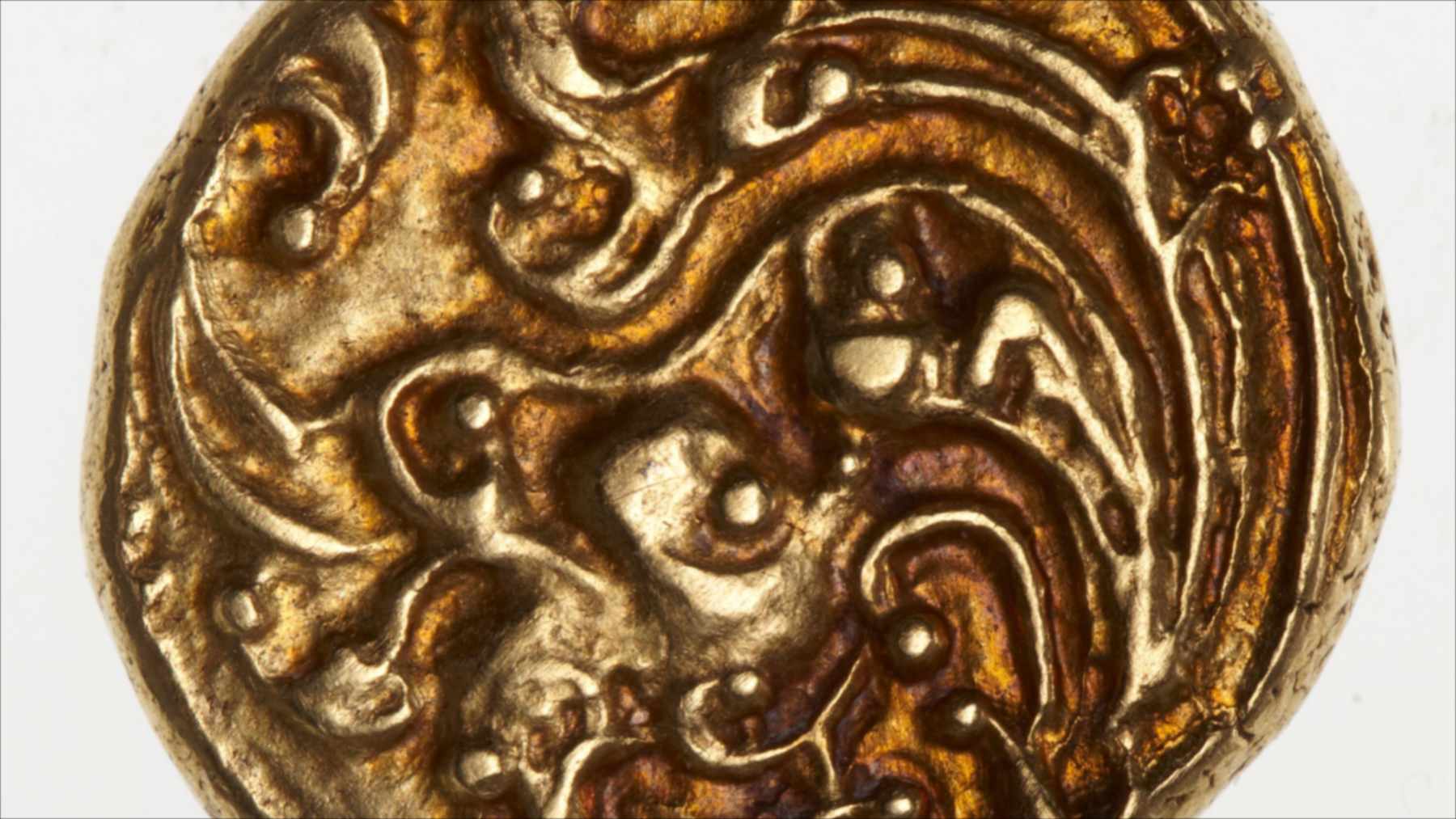
Then there was Mediterranean red coral, an unexpected marine contribution to a linen textile. Its presence adds another potential clue about environmental contact, but the researchers caution against assigning individual DNA traces to particular historical events or geographic origins.
Why finding DNA does not reveal the cloth’s age
Could all those biological clues finally settle where the shroud came from? Not with this evidence, because the genetic material reflects contributions from many sources accumulated over time. Researchers cannot confidently separate traces connected to the cloth’s earliest history from material deposited through later handling and exposure.
The distinction matters when reading claims about an artifact’s origins. Identifying the biological source of a DNA fragment does not automatically identify the place where a textile was manufactured, much less the year it was woven. A trace of contact and proof of origin are different things.
The paper also discusses radiocarbon testing of two separate threads collected from the shroud’s reliquary, with results consistent with documented repairs in 1534 and 1694. The researchers associate those threads with restoration work, rather than treating their dates as the age of the whole cloth.
What this means for historical artifacts
“The Shroud represents a rich archive of genetic information that has accumulated over centuries of human interaction and environmental exposure,” said Noemi Procopio, a forensic scientist at the University of Lancashire who contributed to the work. Her emphasis is on what the accumulated material can reveal, rather than treating every detected sequence as ancient evidence.
That is the broader opportunity for historical textiles and other culturally significant objects. Researchers suggest similar approaches could help investigate their handling and environmental histories, even when the circumstances of their creation remain unclear. The value lies in recovering a more detailed account of an object’s interactions with people and its surroundings, not promising answers the evidence cannot support.
For the shroud, the advance is a fuller picture of its biological history, not a verdict on its authenticity.
The study was published on July 9, 2026, in Scientific Reports.