Order 529 of Sept. 3, 2026, gave Mineral Proiect Invest S.A. (MPI) mining concession license 29.694/2026 at Valea Dobra, a magnesium deposit near the village of Rășinari in Romania’s Sibiu County. Official Gazette issue 754 published it on Sept. 7, and the company announced it two days later.
MPI estimates the deposit at over 50 million metric tons of magnesian serpentine rock, roughly 55 million U.S. tons. The European Commission says 97 percent of the EU’s magnesium comes from China.
MPI headlined its Sept. 9 announcement “European First,” but the release itself only claims the first EU integrated magnesium project to reach this advanced stage. That ranking is the company’s own, and the Commission’s March 2025 list of strategic projects already includes another Romanian magnesium project, Verde Magnesium.
Andrei Degeratu, president and chief executive officer of Mineral Proiect Invest, said in April that he had worked on the project for eight years. In September he called the license “a defining moment for MPI Magnesium.”
Seventeen boreholes at Valea Dobra
The target rock is magnesium serpentinite, part of the ultramafic family. MPI’s project page lists 220 to 240 kilograms of magnesium per ton of ore (485 to 529 pounds). Crews mapped the geology, studied the groundwater and sank 17 boreholes, about 2,181 meters in all (7,156 feet), and SRK Consulting helped prepare the resource estimate to international standards.
Because some serpentinites contain asbestos, the FAQ addresses it directly. Analyses so far found no asbestiform minerals at Valea Dobra, the company says, though only specific investigations of the rock can settle the question. Tests by ALS, an accredited lab, also show no geochemical issues with nickel and chromium so far.
MPI showed residents a 20-year scenario in which the quarry starts at 0.5 to 3 hectares (1.2 to 7.4 acres) and reaches about 6.8 hectares (16.8 acres) by year 20, a square roughly 260 meters (853 feet) on each side. MPI says the layout avoids forest land.
Six steps before mining starts
The license does not mean MPI can start digging. Asked in its own FAQ whether it can now begin mining or construction, the company answers “No.” It lists six steps: the resource study, the mining license, which is where Valea Dobra stands, an environmental impact assessment with public consultation, environmental decisions and other approvals, building permits and, only then, the start of the investment.
MPI expects the main permits in 2027 and the first rock in 2028, while its project page targets production for 2030. Both dates depend on how the assessment, authorization and design procedures go, the company says.
97 percent from China
The Commission’s Critical Raw Materials Act page says magnesium makes cars and aircraft lighter and that 97 percent of the EU’s supply comes from China. A Commission factsheet adds that the EU is “fully reliant on imports of magnesium metal,” even though magnesium-bearing minerals are abundant.
The U.S. Geological Survey says the metal’s main use is in aluminum-magnesium alloys, mostly for beverage cans. According to the U.S. Department of Energy, a 10 percent cut in vehicle weight can improve fuel economy by 6 to 8 percent, and in electric cars light parts can offset heavy batteries.
Stéphane Séjourné, the Commission’s executive vice president for prosperity and industrial strategy, said in March 2025 that Europe must “increase our own production, diversify our external supply, and make stockpiles.”
The EU’s 2030 targets are 10 percent of demand from domestic mining, 40 percent from processing and 25 percent from recycling. Other bets include rare earth oxides at Sweden’s Per Geijer and lithium under Germany’s Altmark gas field.
Phase 1 makes powders, not metal
The first phase would make 25,000 tons a year of magnesium oxide (MgO) and magnesium hydroxide, Mg(OH)₂, according to MPI. Cable and plastics makers use the hydroxide as a flame retardant, and steelmakers use the oxide in furnace linings.
Phase 2 would add fused magnesia, and Phase 3 could include magnesium metal, although the final technology has not been selected. The European Climate, Infrastructure and Environment Executive Agency wrote in 2025 that most magnesium comes from energy-intensive processes that release large amounts of carbon dioxide. Petru Văduva, MPI’s vice president, said Europe also needs the capacity to turn its resources into industrial products.
Plant site, transport and neighbors
The September release said the rock would go to a processing plant in Săliște, a town in the same county. On Oct. 1 the company added a note saying “the site of the processing plant is being re-evaluated,” and its FAQ now lists the location as the Sibiu area, under selection.
From the quarry, MPI wants an electric cable system about 2.4 km (1.5 miles) long with lidded skips carrying about 150 metric tons per hour, then covered electric dump trucks to the plant. The company says this cuts heavy traffic, dust and noise, and only extraction and first crushing would happen at Valea Dobra. Authorities will set the plant’s final air-quality conditions during permitting.
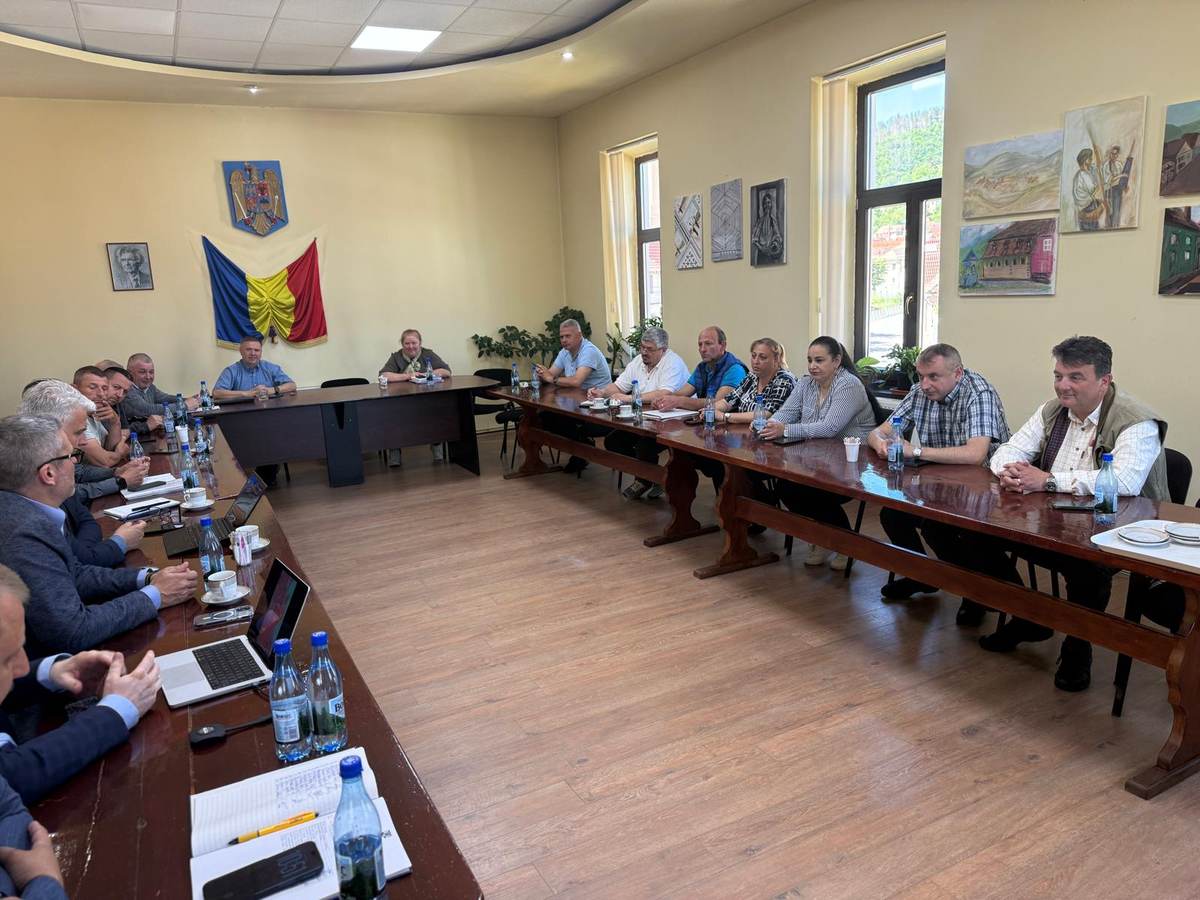
Degeratu and chief operating officer Mihai Roșu met Rășinari’s local council members on May 26 to answer questions about the project’s stages and local impact. Both sides agreed to open an information point in the village.
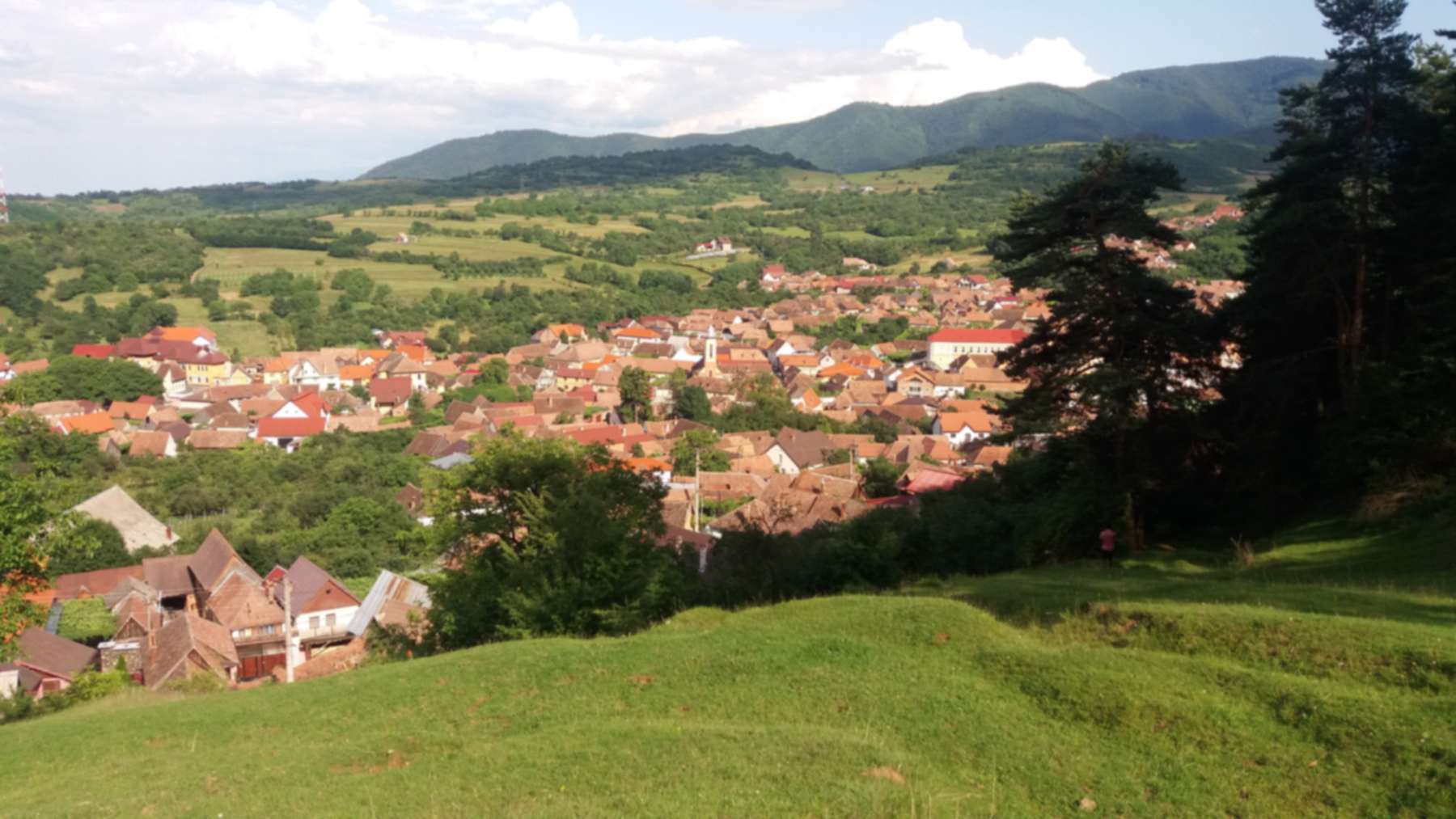
Rășinari is part of Mărginimea Sibiului, a district MPI itself links to pastoralism, local products and tourism. The village would get revenue through the mining royalty, according to the company.
What is still unknown
Almost every number here is MPI’s. The 50 million tons describe a geological resource, and MPI has not said how much of it it can mine at a profit. Magnesium’s critical status also does not automatically give the project EU Strategic Project status, which requires a separate procedure.
Full development would top €400 million. MPI lists equity, bank loans and national and EU public funds as possible sources. A rare earth deposit in Spain shows how long the road from find to mine can be, and getting magnesium out of seawater is no shortcut either.
The main source is MPI Magnesium’s press release of Sept. 9, 2026, updated Oct. 1, 2026, and the company’s FAQ.
Photo: Răzvan Molea / Wikimedia Commons, CC BY-SA 4.0