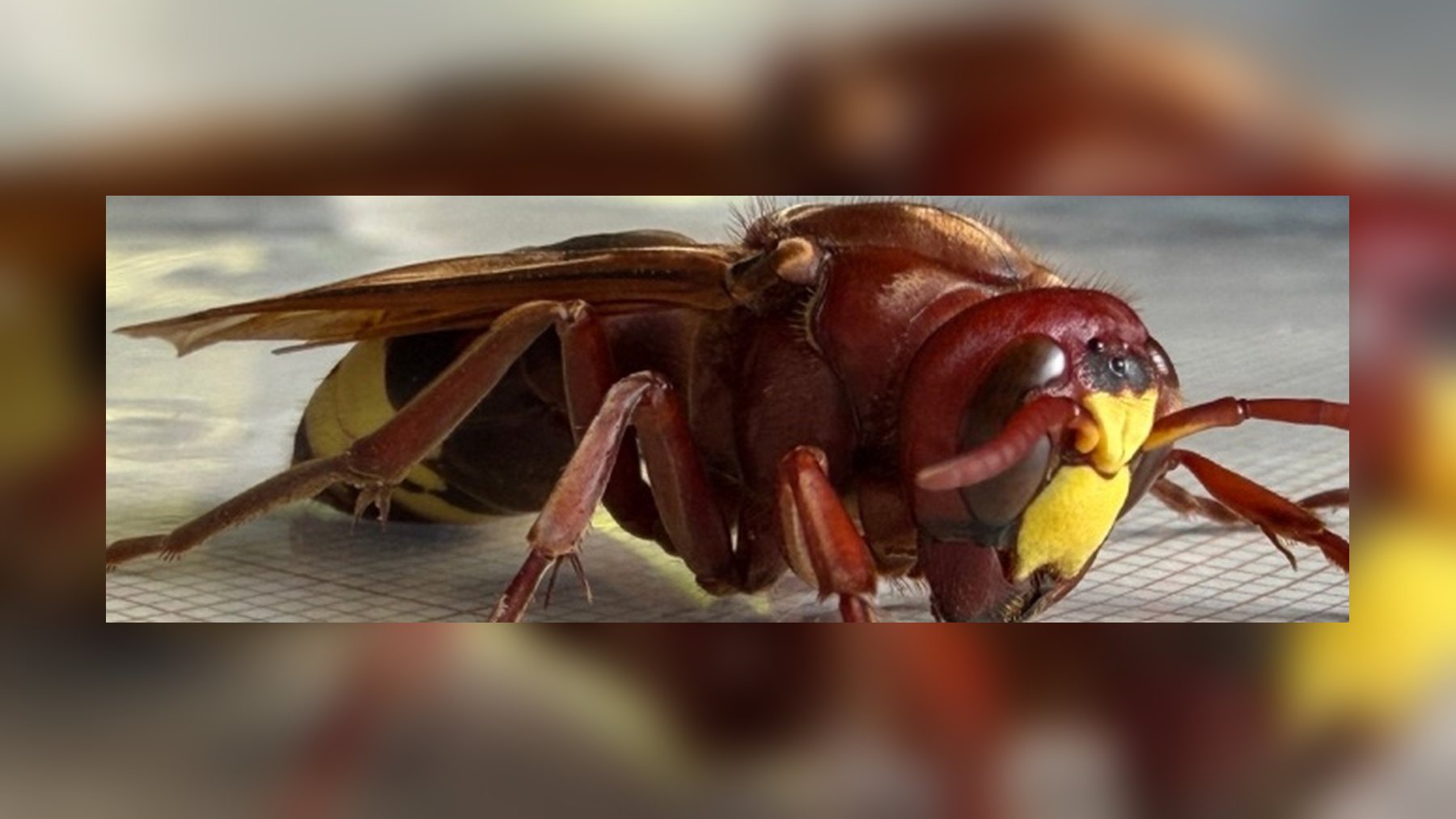
A hornet landing on your arm can make you want to swat first and think later. But as oriental hornets draw concern in Seville, Spain, biologist Daniel Gómez is urging people to resist that reflex when a lone insect settles on them.
“If it lands on us, we should let it leave on its own,” Gómez, director of pest-control company Coplaga, told ABC Sevilla (translated from Spanish). His advice highlights a distinction that matters for people and wildlife. A passing insect calls for a different response than a disturbed nest or an expanding invasive population.
If one lands on you
Gómez’s recommendation is consistent with general guidance from the U.S. Centers for Disease Control and Prevention (CDC). When a single stinging insect flies nearby, remain calm and still, because swatting can provoke a sting.
But standing still is not the advice for an attack by several insects. In that situation, the CDC recommends running away and getting indoors. The difference matters, especially if someone has accidentally disturbed a colony.
At an outdoor table, ordinary habits can reduce unwanted encounters. Keep food and sweet drinks covered, as the American Academy of Allergy, Asthma & Immunology recommends. A soda can left open between sips is an easy detail to overlook.
When a sting needs help
A hornet sting can cause pain, redness, and swelling around the affected area. For a mild local reaction, wash the skin with soap and water and apply a cold pack wrapped in a cloth.
Difficulty breathing, sudden swelling of the tongue or throat, or collapse requires emergency help. Use prescribed epinephrine immediately if anaphylaxis is suspected and call emergency services (112 in Spain or 911 in the United States). Do not wait to see whether the reaction settles.
Several stings also deserve prompt medical assessment, even without a known venom allergy. The American Academy of Allergy, Asthma & Immunology warns that venom can cause toxic reactions, usually after many stings. That is why describing these insects as harmless to everyone without allergies would be misleading.
An invasion already underway
The oriental hornet, Vespa orientalis, is a different species from the Asian hornet, Vespa velutina. And although recent reports have drawn attention to Seville, the oriental hornet’s presence in the surrounding province predates September 2026.
A study published in Biological Invasions compiled 695 occurrence records from Spain using information gathered through December 31, 2024. Its findings included records from Seville province, alongside evidence of expansion elsewhere in southern Spain. These were documented observations, not a count of nests or the total hornet population.
More than 75% of observations were within about 0.62 mile of an urban area, putting the issue close to everyday life. But the researchers also acknowledged observation bias, since people are more likely to report wildlife where they live. The pattern helps guide monitoring without revealing exactly how many hornets are present.
The cost to pollinators
For beekeepers, the concern goes beyond an insect circling a soda can. Oriental hornets capture honeybees and other insects to provide protein for their young, creating pressure on apiaries and potentially on native pollinators.
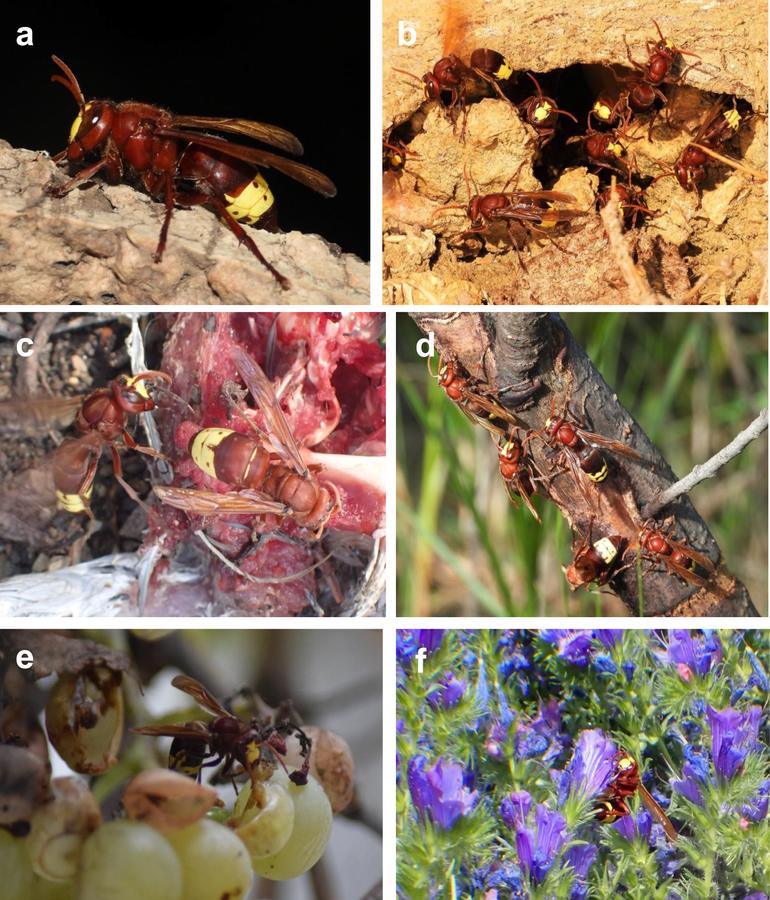
Researchers at the Doñana Biological Station warn that declining pollinator communities could affect wild plants and agricultural production. They call for continued monitoring to better understand the ecological consequences of these expanding hornet populations. The concern extends from individual hives to the plants that depend on insect visitors.
Residents can help document the spread through photographs and locations submitted to platforms such as iNaturalist or Observation.org. Any photograph should be taken from a safe distance, without approaching or disturbing a nest.
Why homemade traps fall short
What about hanging a plastic bottle filled with sweet bait in the yard? It may catch insects, but a full trap does not demonstrate that an invasive population is being brought under control.
Andalusia’s environmental authorities describe baited traps for adult hornets as nonselective and low in effectiveness. In practical terms, they can capture insects other than the intended target. That creates a problem when protecting local wildlife is part of the reason for taking action.
Spring trapping is not a guaranteed solution either. Although queens establish new colonies, the Biological Invasions paper notes that preventive bait trapping has not proved effective at reducing invasion spread. Counting trapped hornets and demonstrating fewer colonies are different measures of success.
Leave nests to professionals
Oriental hornets can nest in concealed spaces around buildings, including wall cavities, false ceilings, and shutter boxes. In guidance published August 5, 2026, Morón de la Frontera’s municipal government warned residents against striking nests, spraying household insecticides, or blocking their exits.
For a nest on private property, the municipality advises contacting an authorized pest-control company. Nests in parks, schools, or other municipal spaces should be reported to local authorities. Keep people and pets away while the situation is assessed.
Recognizing the difference between a lone visitor and a disturbed colony helps people respond safely when a hornet interrupts an ordinary afternoon. The official safety guidance was published on the CDC website and updated on September 28, 2026.
Photo: Ayuntamiento de Morón de la Frontera