What was for dinner before potatoes became a Dutch staple? Centuries-old human waste and discarded kitchen scraps point to meals built around grains, vegetables, and fruit, with basic eating patterns that changed surprisingly little between 1500 and 1850.
Archaeologist Merit Hondelink traced the plant foods in those meals using buried remains, cookbooks, household records, and cooking experiments. Her doctoral research challenges the idea that potatoes, meat, and vegetables defined Dutch cooking for centuries. “But the core of the daily diet remained stable,” she explained in the official research announcement.
Dinner in one pot
For many households, the main meal was “ketelkost,” food cooked together in a large pot over the kitchen fire. Porridges and other grain-based dishes provided a foundation, alongside vegetables such as parsnips, broad beans, beets, and several kinds of cabbage.
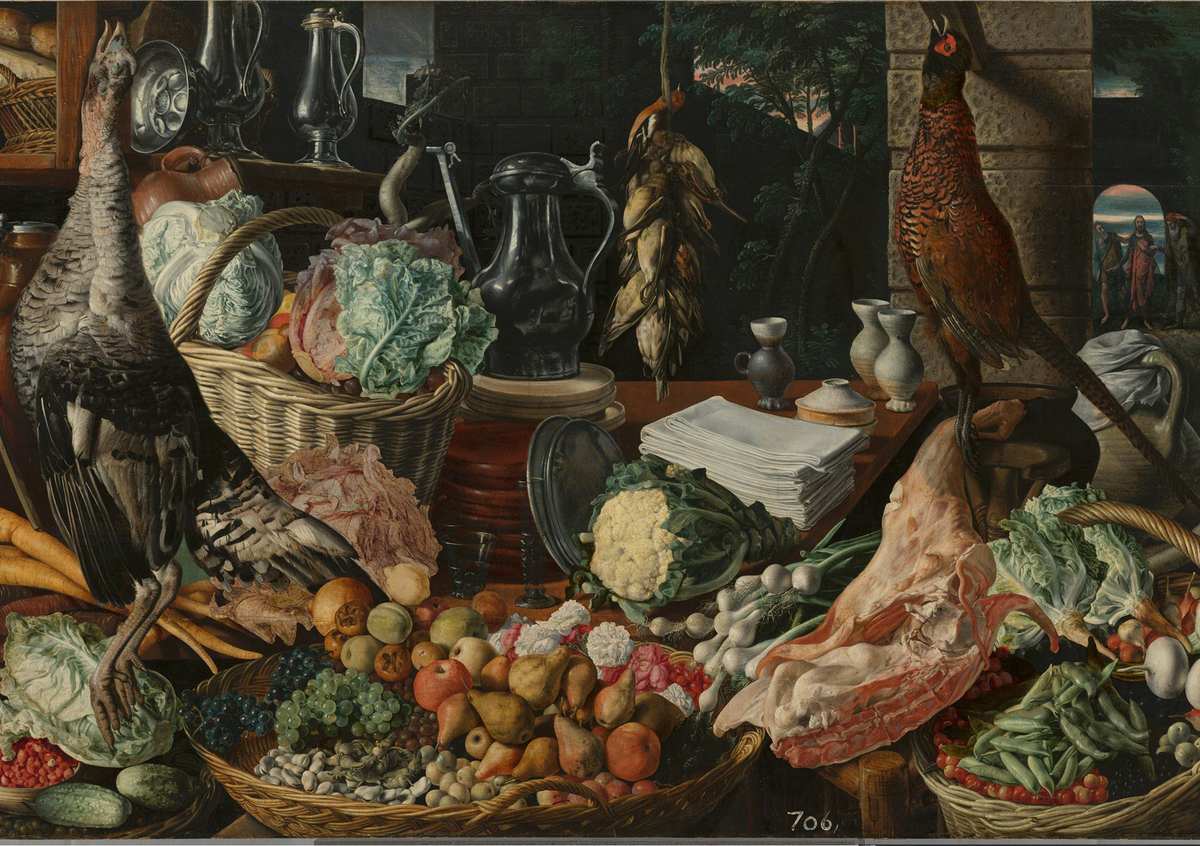
The ingredients changed with the season, as did the available fruit, including apples, pears, and berries. A familiar way of cooking could therefore produce different meals throughout the year without changing the basic kitchen routine.
That arrangement also made practical sense for busy households. A pot could simmer for hours with relatively little attention, an advantage that anyone juggling dinner and other chores can appreciate.
Potatoes came later
Potatoes originated in the Americas and reached Europe after the transatlantic exchanges that began in 1492. But arrival and acceptance were different things, and the crop took centuries to become an everyday Dutch food.
By the 1700s, potatoes were becoming a staple, initially joining other ingredients in the cooking pot. The now-familiar combination of separately prepared potatoes, meat, and vegetables developed gradually, rather than appearing as a fully formed national tradition.
Preparing several components separately required more time, cookware, and suitable cooking equipment. The research draws attention to those practical constraints, because what people ate depended partly on how their kitchens worked and how much time they had.
What cesspits preserved
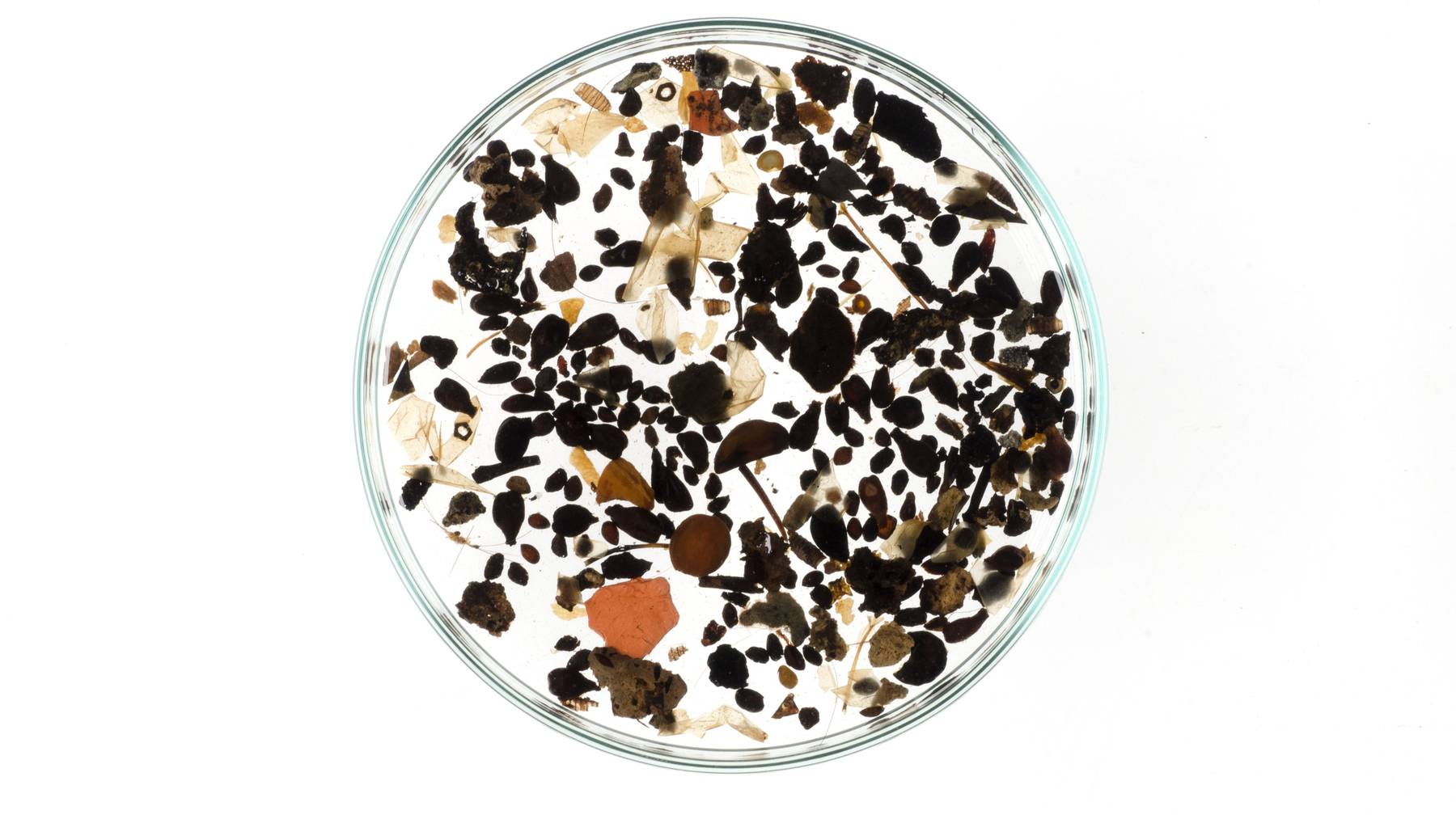
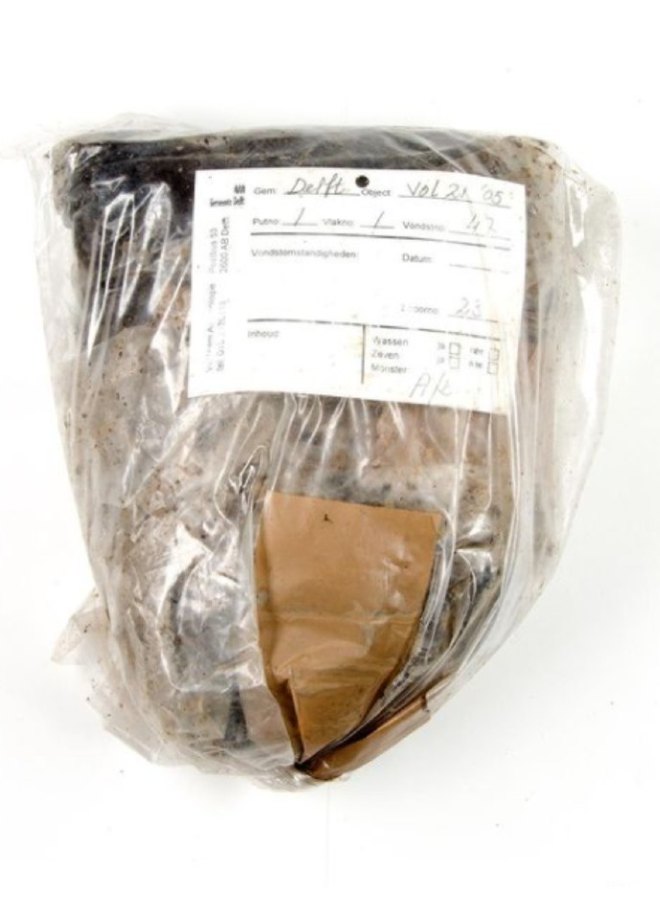
The evidence came partly from cesspits, underground pits that collected human waste, food scraps, and discarded household objects. Seeds, fruit pits, and other durable remains survived there, preserving clues to foods people prepared, swallowed, or threw away.
This field is called archaeobotany, the study of plant remains from the past. Its strength is the physical evidence, although a seed in a waste pit cannot, by itself, reveal the recipe or tell researchers how often a particular household ate it.
A 2020 study coauthored with Mans Schepers examined cesspit evidence from 51 Dutch cities and identified 97 edible plant types. Twenty appeared consistently in at least half of the settlements across the periods studied, supporting the finding that familiar plant foods persisted over 350 years.
Cookbooks meet kitchen scraps
Written recipes help fill in the gaps, but they have limitations too. Many early cookbooks served wealthy households, so a dish on the page was not necessarily something an ordinary family could afford or regularly prepared.
A 2024 study compared plant ingredients in four printed cookbooks and an old reference book about plants with remains from 191 cesspit samples. Most edible plant species overlapped between the sources, while some appeared only in the written records or only among the buried remains.
Cooking old recipes offered another way to connect these records. By comparing fresh cut marks on fruit pits with marks on excavated specimens, the researcher could investigate how ingredients had been processed, adding preparation clues to a simple list of foods.
The missing nutmeg
Nutmeg shows why missing remains do not automatically mean a missing ingredient. Historical sources record its use, but the expensive spice was grated and used up, leaving no recognizable pieces in the cesspit evidence described by the researcher.
An apple seed presents the opposite problem, because finding it still leaves several possible meals. The fruit might have been eaten raw or cooked into a sauce, pancake, or pie, a distinction that makes recipes and kitchen records essential.
Nor does a stable diet necessarily mean a flavorless one. Herbs, spices, seasonal substitutions, and different cooking methods could bring variety to familiar ingredients, although access depended on household circumstances.
Sugar changed the picture
Some new products did leave a clearer mark on daily life. As cane sugar became more affordable during the 1700s, consumption increased, and the researcher connected that shift with worsening dental health observed in historical teeth.
That dental evidence comes from studying human remains, rather than from seeds in cesspits alone. It adds another piece to the reconstruction, showing why food history benefits from evidence beyond either a cookbook or a collection of kitchen scraps.
The broader picture suggests gradual adjustments within familiar routines, much like a household that changes its grocery list while returning to dependable dinners. The doctorate was awarded on September 24, 2026. The full doctoral thesis, From recipe to refuse, has been published in the University of Groningen’s research repository. the University of Groningen research portal
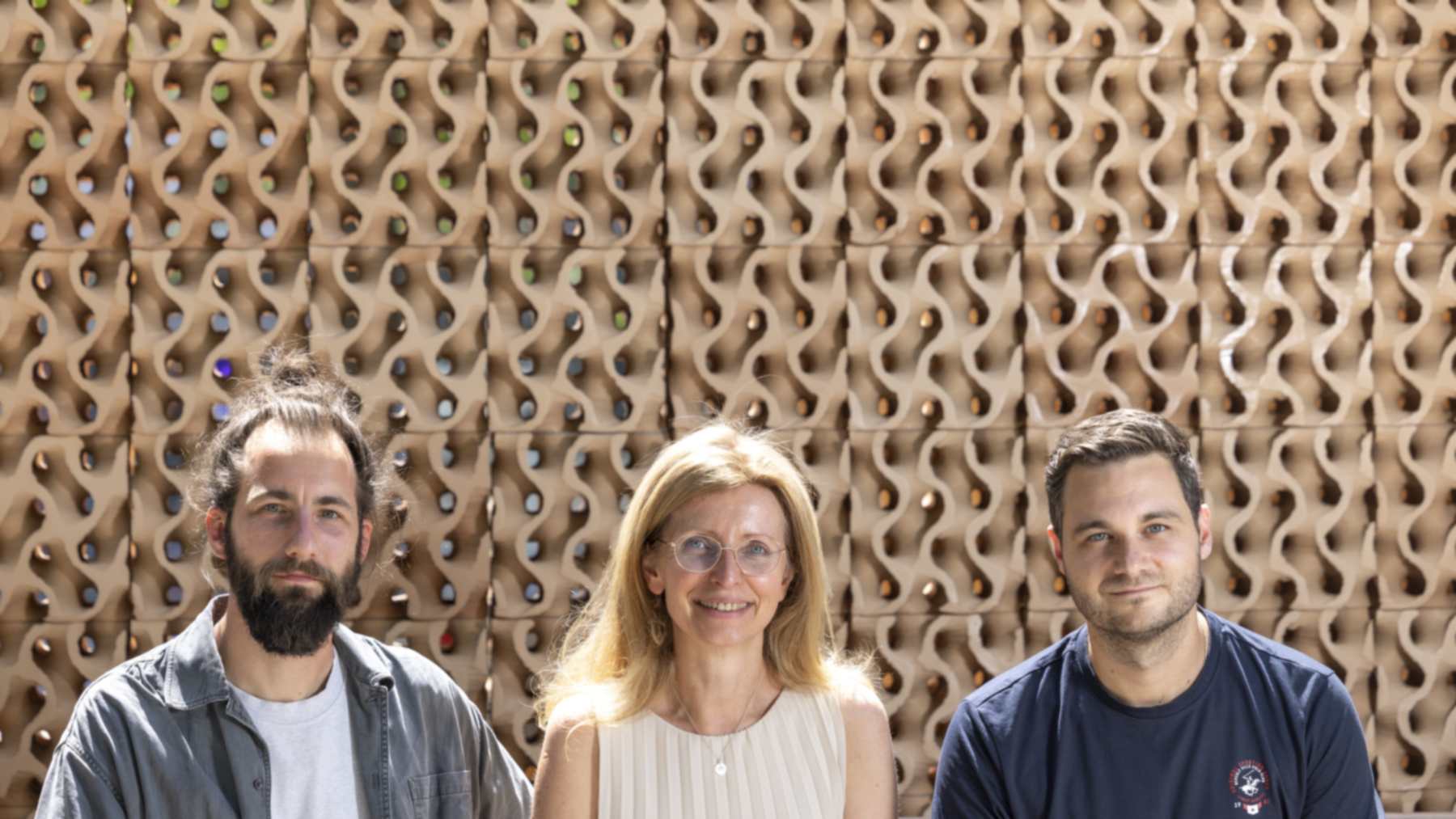
Photo: University of Groningen