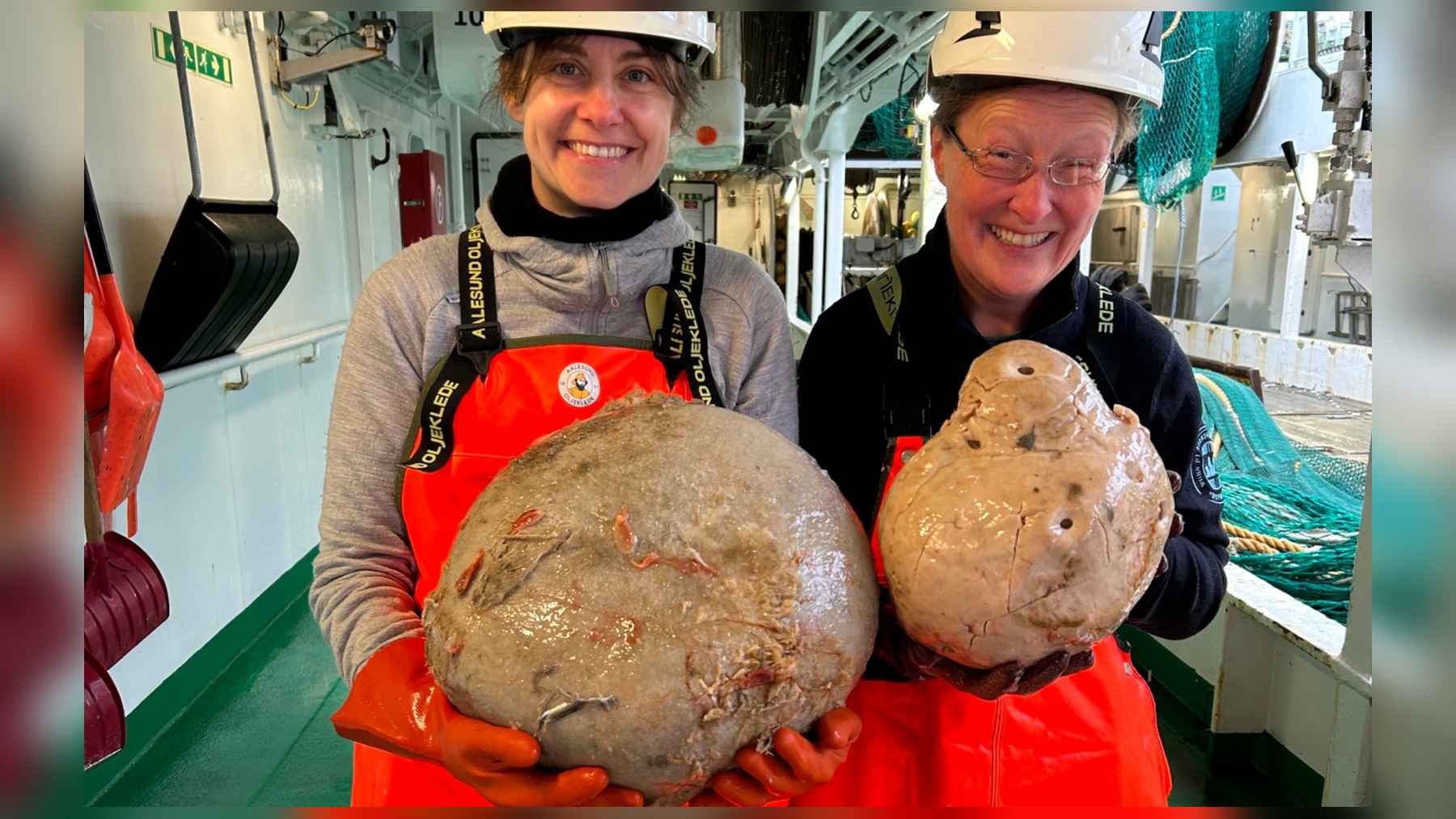
A research expedition in the Barents Sea has recorded 304 species in its nets, including a haul of sponges researchers think could be more than a century old. Yet that remarkable variety sits alongside a concern for the Arctic food web, with capelin remaining scarce in the latest survey update.
Norway’s Institute of Marine Research reported the species tally in September 2026, after marine scientist Johanna Myrseth Aarflot completed a leg aboard the G.O. Sars. An October follow-up brought the bigger ecological question into focus. What happens when a sea supports hundreds of species, but a fish that feeds many of them is in short supply?
Why capelin matters
Capelin rarely grow longer than about 8 inches, but their role reaches well beyond their size. They eat plankton and become food for cod, seals, whales, and seabirds, passing energy from small drifting organisms to much larger animals.
For anyone more familiar with cod at the grocery store than fish surveys in the Arctic, that connection matters. A shortage of these little fish can affect the growth of the bigger fish people catch and eat.
The October update reported noticeably lower lengths and weights among cod ages three to five between 2024 and 2026. Marine scientist Georg Skaret said limited capelin availability could be part of the explanation.
A population under pressure
In 2025, the maturing portion of the Barents Sea capelin population reached its lowest measured level since 1995. Researchers recommended no fishing in 2026, repeating their advice for 2025, to avoid adding fishing pressure to an already depleted stock.
The latest observations fit expectations of another lean year. In the institute’s update, published October 5 and revised October 7, researchers reported small quantities in northern parts of Storbanken, a normally important feeding area, while Russian colleagues also reported low quantities farther east.
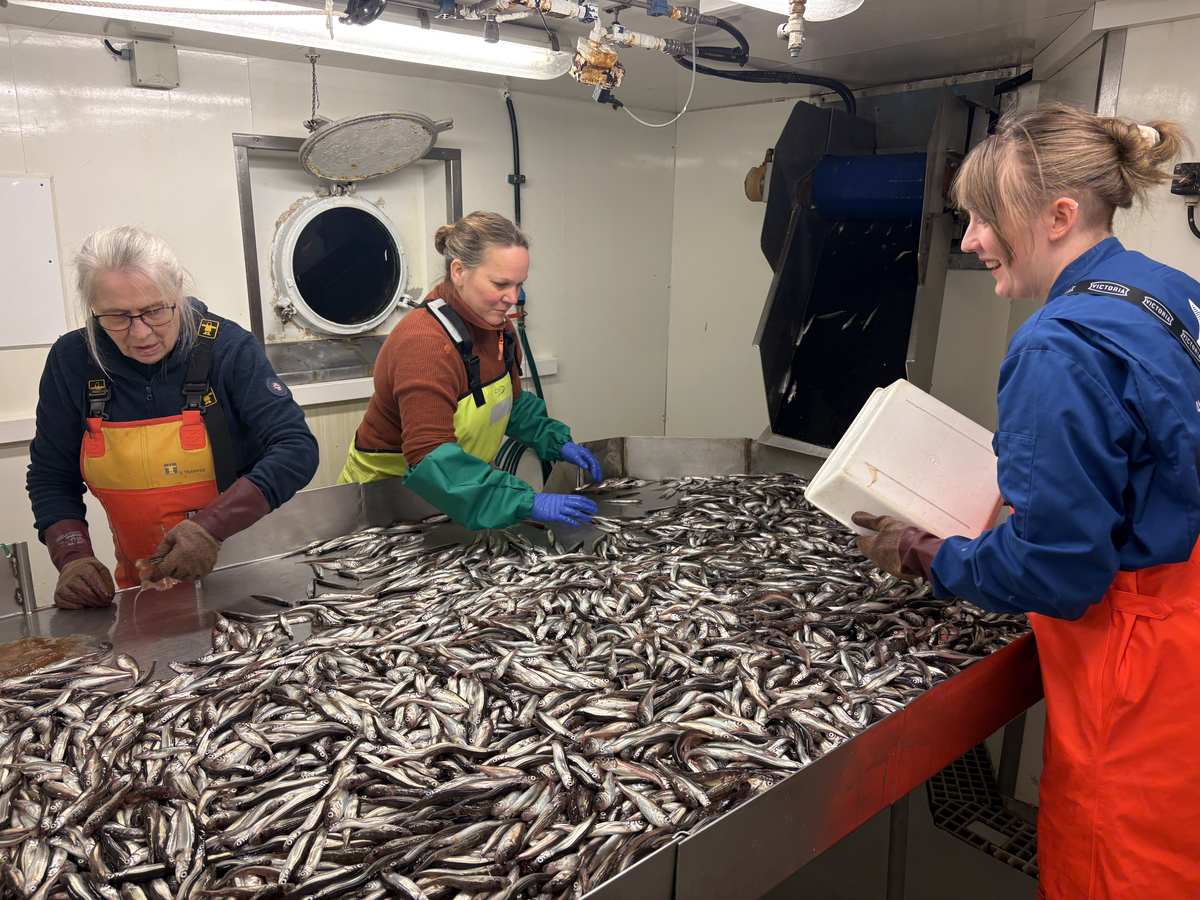
Why has recovery been slow? Skaret suggested that abundant Norwegian spring-spawning herring could be contributing, both by competing for food and eating capelin larvae. The strength of that connection still needs to be established.
A short life means big swings
Barents Sea capelin rarely live longer than five years and generally die shortly after spawning. Their population therefore depends heavily on younger fish replacing those that have reproduced, making the success of each new generation especially important.
The institute’s December 2025 assessment described weak recruitment following strong generations born in 2019 and 2020. “Recruitment” means young fish joining the population being assessed, so several weak years can leave fewer replacements moving through the system.
Researchers have seen recoveries before, but the timing varies. Monitoring since 1972 has documented three clear collapse periods in which the population stayed very low for at least four years, alongside shorter fluctuations in more recent years.
Four hours at each station
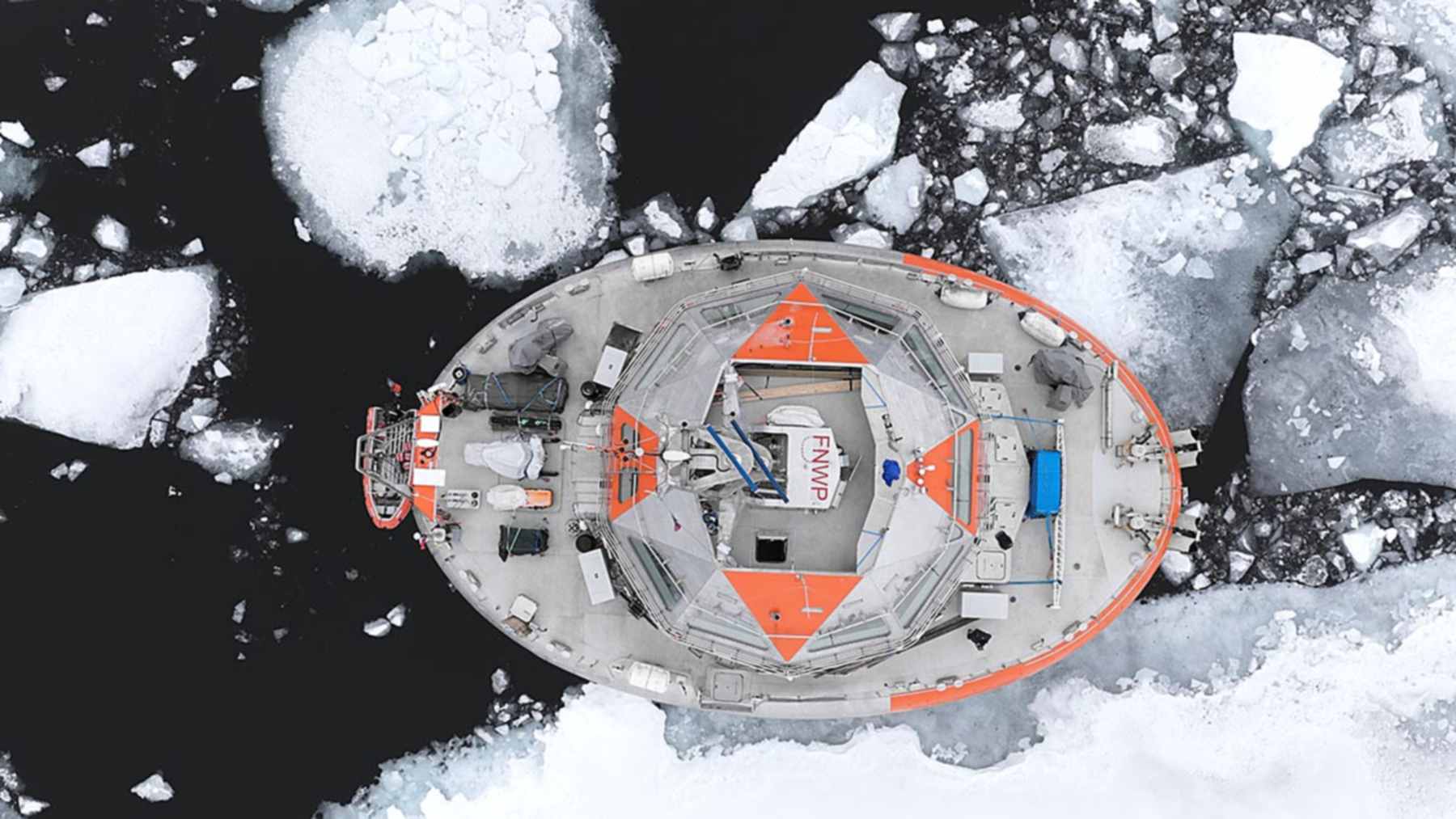
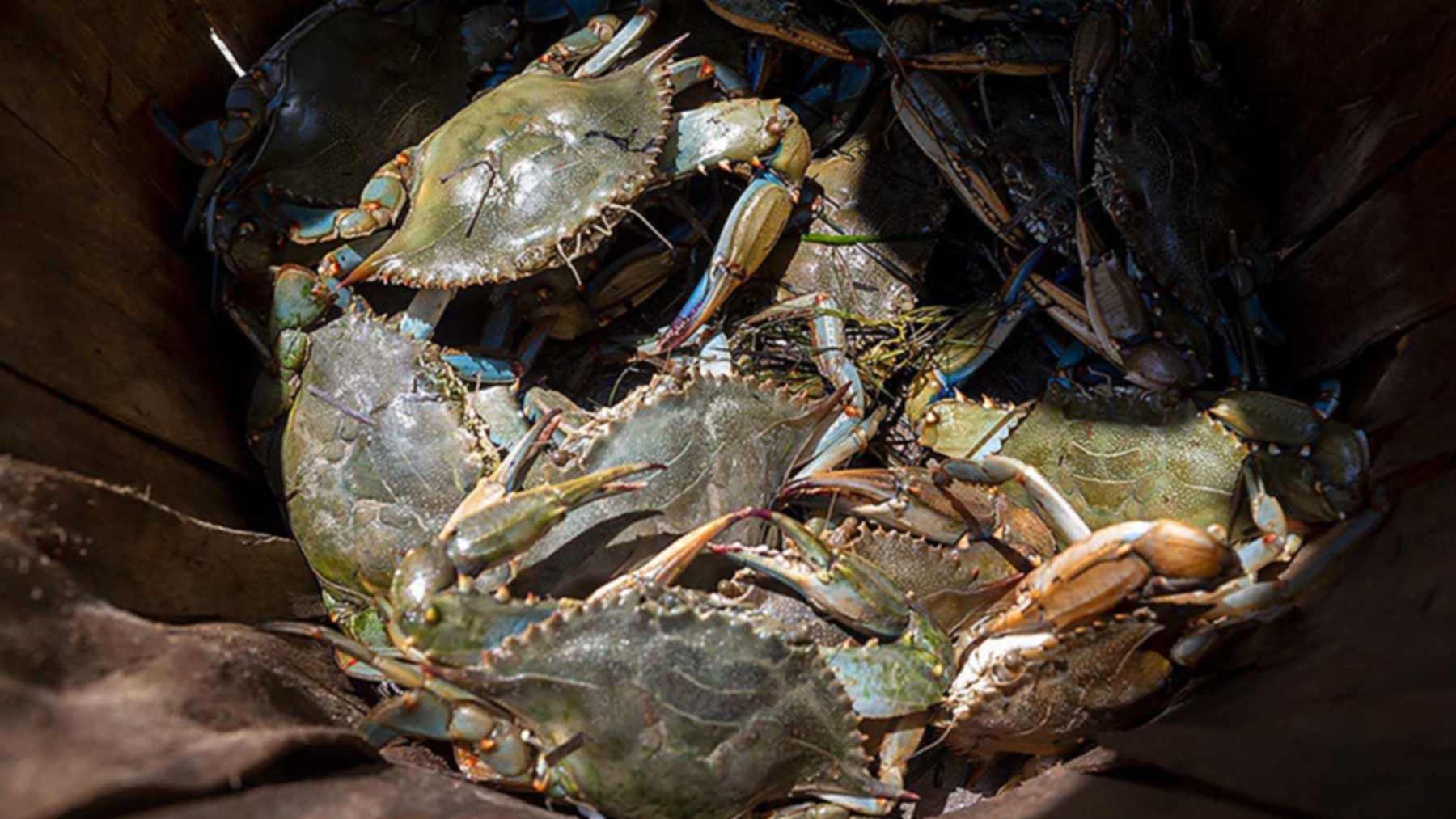
“We have recorded 304 different species from pelagic and bottom trawls so far,” Aarflot said in the September report, translated from Norwegian. Pelagic trawls sample the water column, while bottom trawls sample life near the seafloor.
Each sampling station takes about four hours because crews deploy multiple instruments and collect many samples. On deck, the work continues as catches are sorted and organisms identified, turning a mixed haul into records researchers can compare.
By the September update, the three Norwegian research vessels were heading north around Svalbard and into the central and northern Barents Sea after covering southern areas. The 304 figure was a running tally of species encountered in the catches, with more sampling still ahead.
Sponges and unexpected visitors
Some of the most striking specimens came from the seafloor. The team studying bottom-dwelling animals believed the large sponges brought aboard could be more than 100 years old because they grow so slowly, although the report did not present a confirmed age measurement.
Life above the water supplied surprises, too. Bird observer Håvard Eggen spotted a hoopoe, a crested bird associated with more southerly regions, which landed aboard the G.O. Sars far out in the Barents Sea.
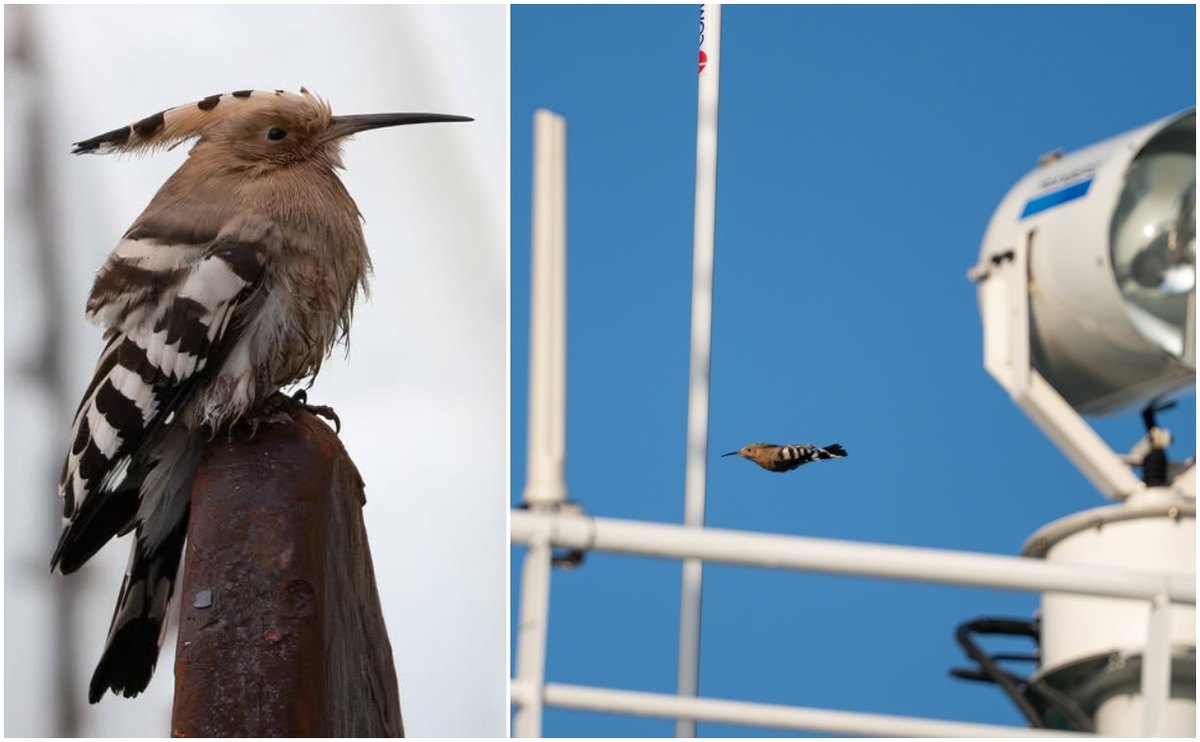
Eggen also described seeing a kittiwake chase the visitor near Svalbard. Meanwhile, a snow bunting found a snack on deck, picking up a large krill among the day’s catches.
Reading a changing sea
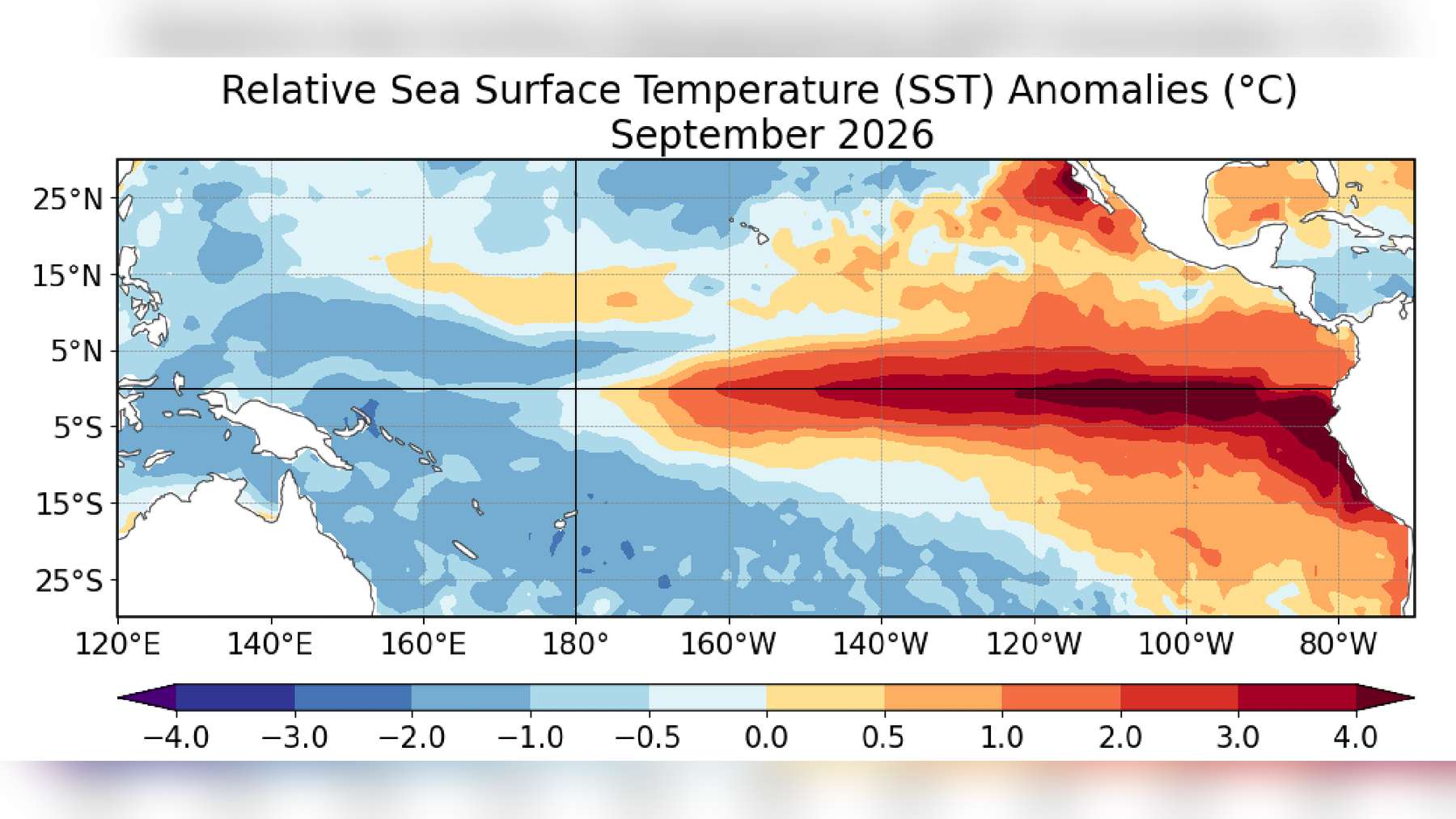
The survey is taking place against a backdrop of unusually warm water. In July 2026, the sea surface around Svalbard was more than 5.4°F above normal, according to oceanographer Randi Ingvaldsen, and the institute reports increasingly frequent marine heat waves around the archipelago.
The annual ecosystem survey has operated since 2004, while some of the region’s oceanographic records extend back more than a century and its longest biological records reach the 1950s. Those longer records help researchers place a striking catch or a poor fish year in context.
Taken together, the findings show why counting species is only part of understanding an ecosystem, since variety alone cannot tell us whether key food supplies are holding up. The latest official update was published on the Institute of Marine Research website.
Photo: Johanna Myrseth Aarflot / Institute of Marine Research