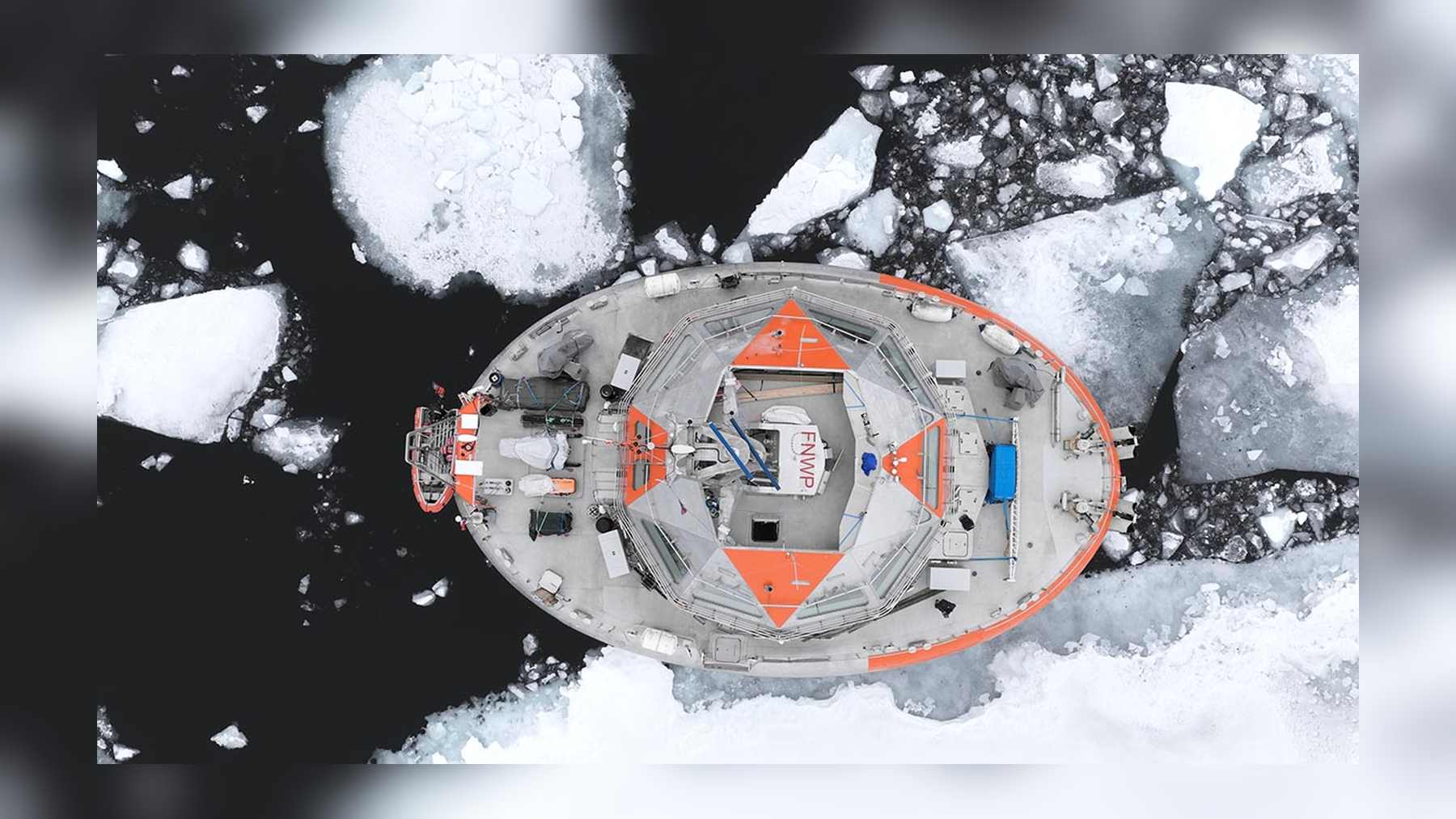
A research station has begun drifting across the central Arctic Ocean, with a winter ahead that will include roughly four months without sunrise. Tara Polar Station reached its deployment site on September 9, 2026, and moored to a large ice floe so scientists can follow the ocean, ice, and atmosphere through the changing seasons. Drift start
The mission targets a gap in our understanding of the Arctic, where winter observations remain scarce even as the ecosystem changes rapidly. This first expedition launches a program of 10 planned drifts through 2046, giving researchers repeated opportunities to investigate what happens beneath the ice before spring returns. fondationtaraocean.org
Why stay through the polar night?
For most of us, winter means shorter afternoons and turning on the lights earlier. For the station’s 12 winter residents, it means months when the sun stays below the horizon, with observations continuing through conditions that make ordinary research cruises difficult.
But darkness does not put the ecosystem on hold. Research published in ISME Communications, based on observations in Fram Strait, found that winter mixing and microbial processes help replenish nutrients that support the following growth season. PMC
That helps explain the value of staying through winter. By measuring conditions before, during, and after the dark months, Tara’s researchers hope to connect winter processes with the burst of biological activity that follows as sunlight returns.
A research vessel built to freeze into the ice
Getting trapped in sea ice would be an emergency for many vessels, but Tara Polar Station was designed for it. Its rounded shape and reinforced aluminum hull allow it to rise as surrounding ice presses inward, reducing the danger of being crushed.
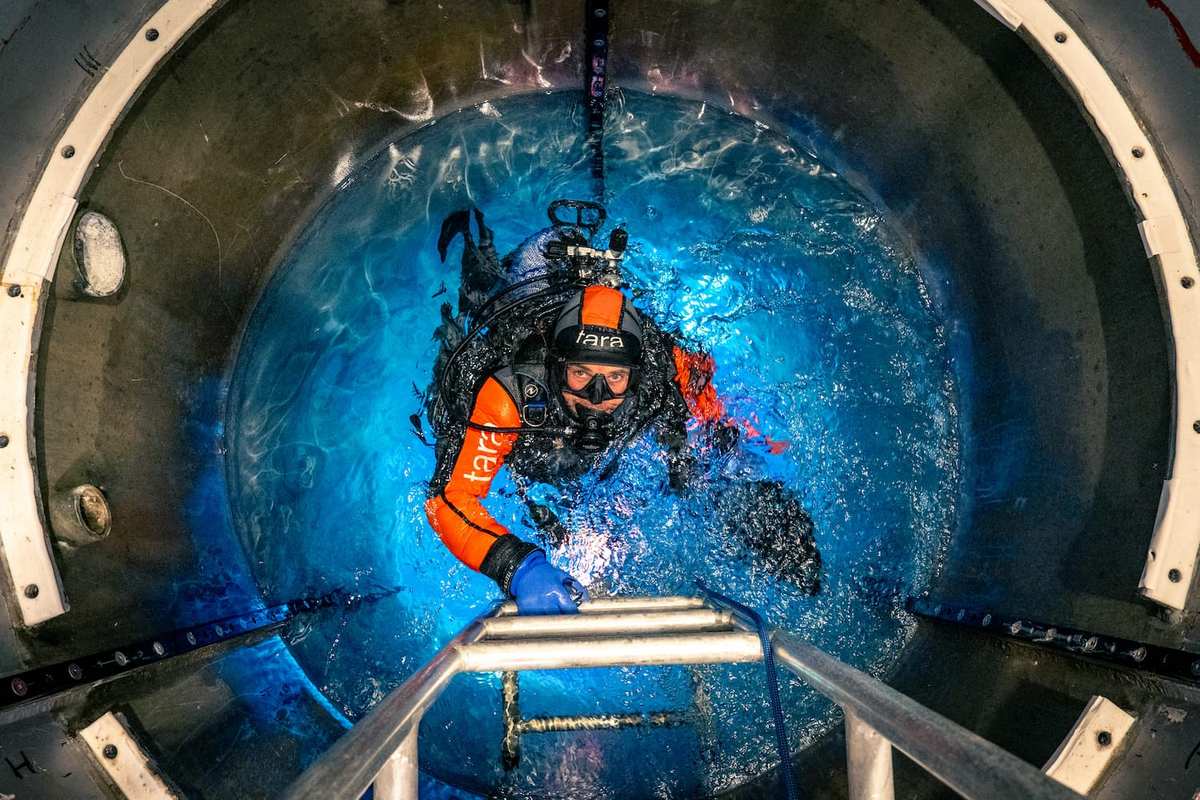
The station is designed to operate independently for up to 500 days and withstand temperatures as low as minus 58°F. A “moon pool,” an opening through the vessel, provides access to the ocean below, allowing scientists to lower equipment into the water from aboard their floating laboratory. The University of Maine
The tiny organisms supporting Arctic wildlife
What could possibly live beneath that frozen surface? Communities of microscopic organisms occupy the ice and the water beneath it, helping support food webs that ultimately feed fish, seabirds, and marine mammals.
Some, including algae, use sunlight when it is available, while other microbes recycle nutrients and organic material. Studying how these communities endure long periods with little or no sunlight could help researchers understand how Arctic ecosystems respond when their icy habitat changes. National Snow and Ice Data Center
Why shrinking sea ice matters far beyond the Arctic
Older ice that has survived several summers is giving way to younger, thinner ice that melts and breaks apart more readily. That shift changes both the habitat available to organisms and the physical conditions around them.
Sea ice also helps regulate climate by reflecting sunlight, while darker open water absorbs more solar energy. It acts as an insulating layer between ocean and atmosphere, so changes in its coverage affect exchanges of heat and moisture, according to the National Snow and Ice Data Center. National Snow and Ice Data Center
The Intergovernmental Panel on Climate Change projects that the Arctic will likely be practically ice-free in September at least once before 2050 under all five scenarios it assessed. In that assessment, “practically ice-free” means less than 1 million square kilometers of sea ice area (about 386,000 square miles), rather than the disappearance of every piece of ice. ipcc.ch
Twelve people working for a global scientific team
The winter crew includes four sailors, six scientists, a doctor, and a media specialist, with relief expected in spring 2027. Behind this small onboard group, the first expedition involves 80 scientists from 32 institutions across 12 countries, according to the Tara Ocean Foundation’s announcement. Drift start
Their work will include sampling for contaminants such as mercury and PFAS, alongside observations of biodiversity and the surrounding environment. Teams on shore support the research, while shared collection and preservation procedures help make samples useful to laboratories around the world.
Building a record before the habitat changes further
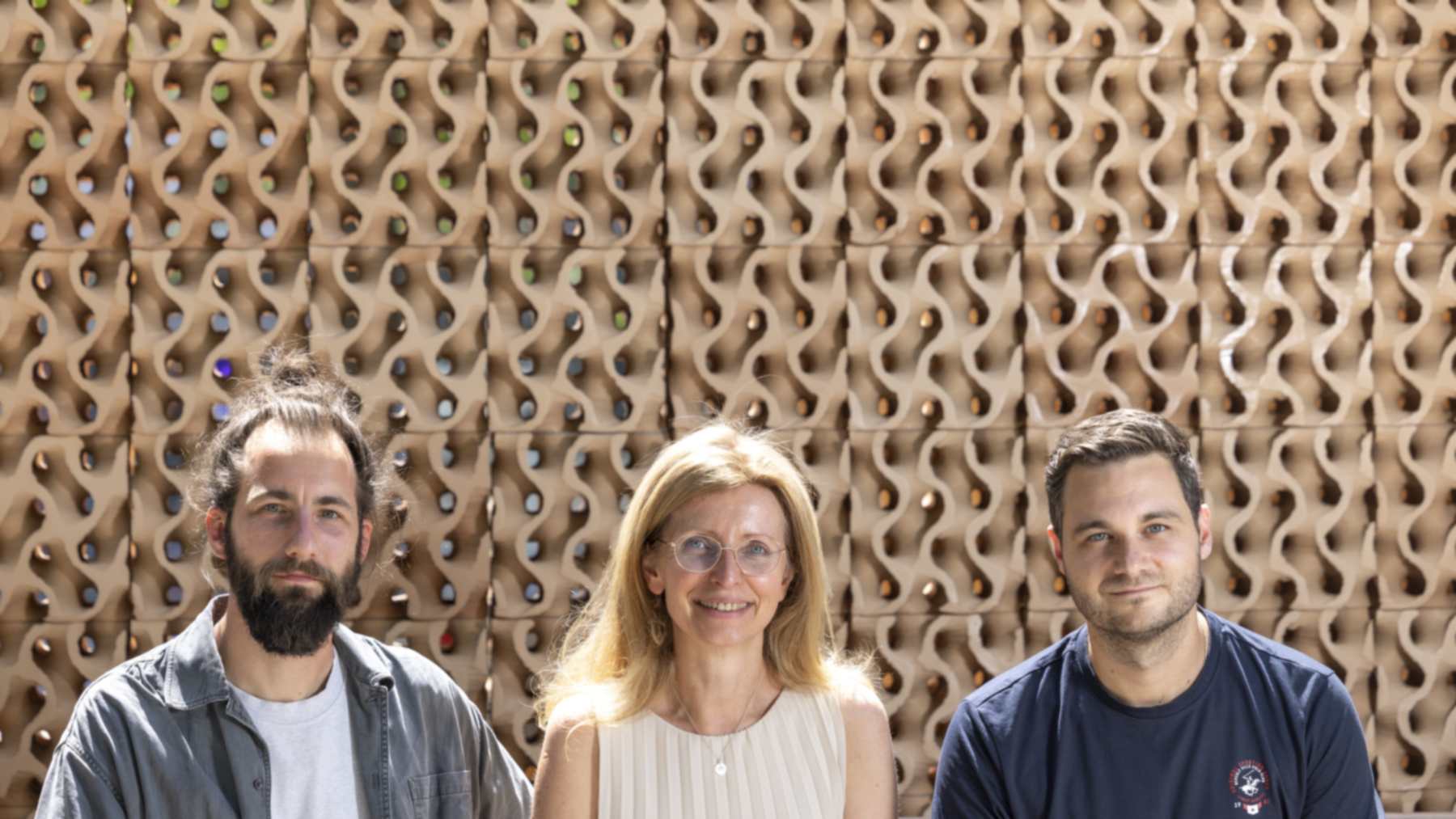
“We are in a race to establish a clear environmental and ecological baseline just as the ecosystem itself is being transformed,” wrote University of Maine oceanographer Lee Karp-Boss. She helped prepare the mission and is scheduled to lead its spring 2027 research leg. The University of Maine
That baseline is a record against which future changes can be measured. With shipping, tourism, and resource development creating additional pressures as ice retreats, repeated observations could give decision-makers stronger evidence for managing the region.
The expedition is beginning a long collection effort, with its scientific results still ahead. The official research update was published on the University of Maine website.
Photo: Maéva Bardy / Tara Ocean Foundation