Divers exploring Slovakia’s Morské Oko encountered crayfish, pike and fallen trees beneath its quiet surface, along with some unexpected human objects. A drone, an old animal trap and a sunken boat were among the finds described in a television report published on September 21, 2026.
The visit offers a glimpse of a lake most people experience from the shoreline, perhaps while stopping for a photo. It also raises a useful conservation question about what belongs underwater, because a submerged tree can provide valuable habitat even when a discarded object nearby has no place there.
What the divers found
“You could see crayfish, small fish, pike,” diver Lukáš Jusčík said, translated from Slovak. His account describes a varied underwater landscape where wildlife lives among submerged features that visitors on the bank rarely get to see.
The animal trap caught another diver’s attention. “It’s very old,” he said, also translated from Slovak, although the account provides no date or explanation of how it arrived.
The boat and drone add further questions about the lake’s human history. Their presence is documented, but the circumstances behind their arrival remain unclear, and the written account does not say whether the objects were recovered.
A lake shaped by landslides
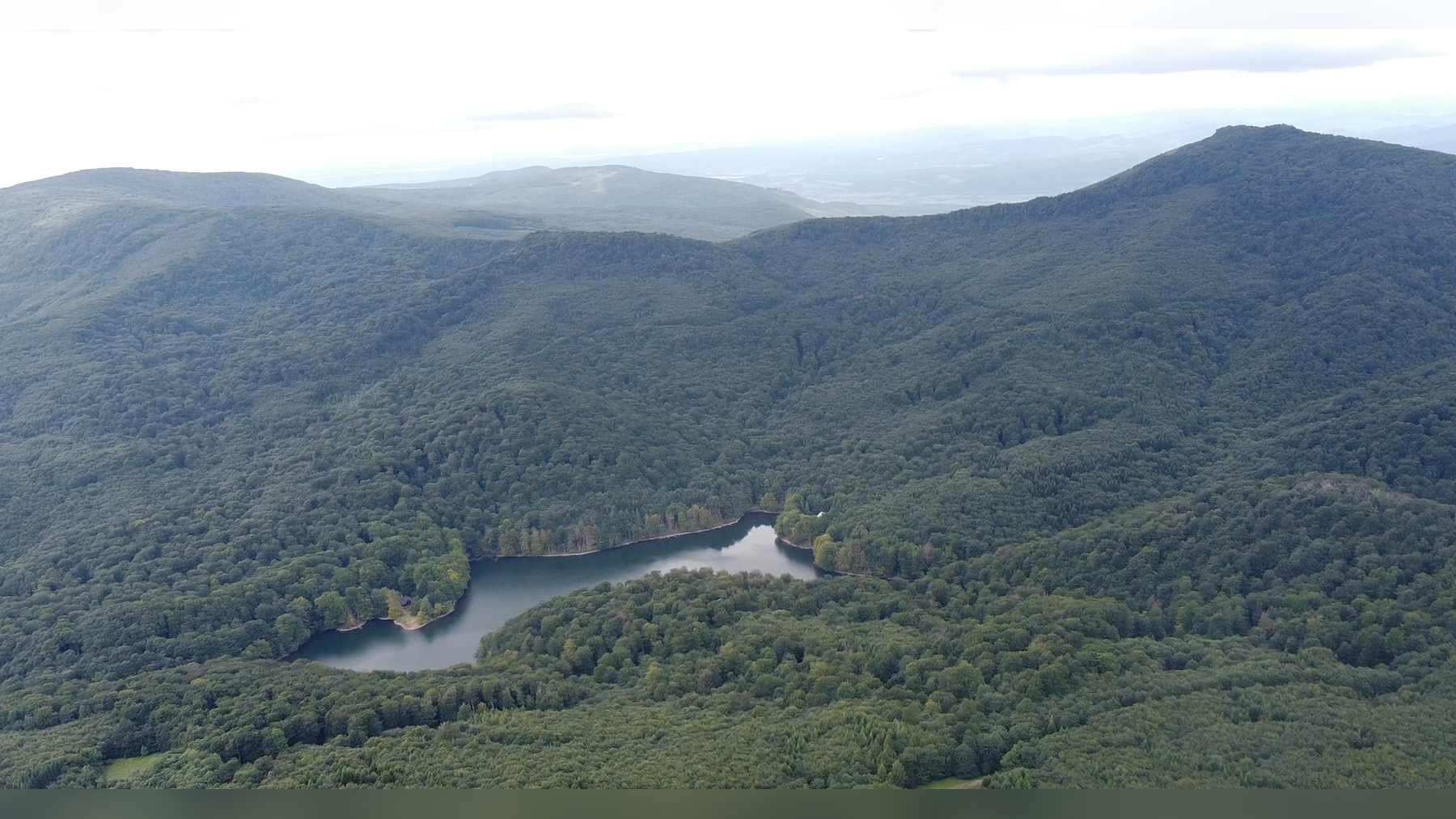
Morské Oko lies in the Vihorlat Mountains of eastern Slovakia, a densely forested region with a volcanic past. A major landslide blocked a stream valley, allowing water to collect behind the natural barrier and form the lake.
Today, it covers roughly 34 acres, and regional tourism information puts its deepest water at about 82 feet. Those dimensions help explain how much of this landscape remains beyond the view of someone standing on the bank.
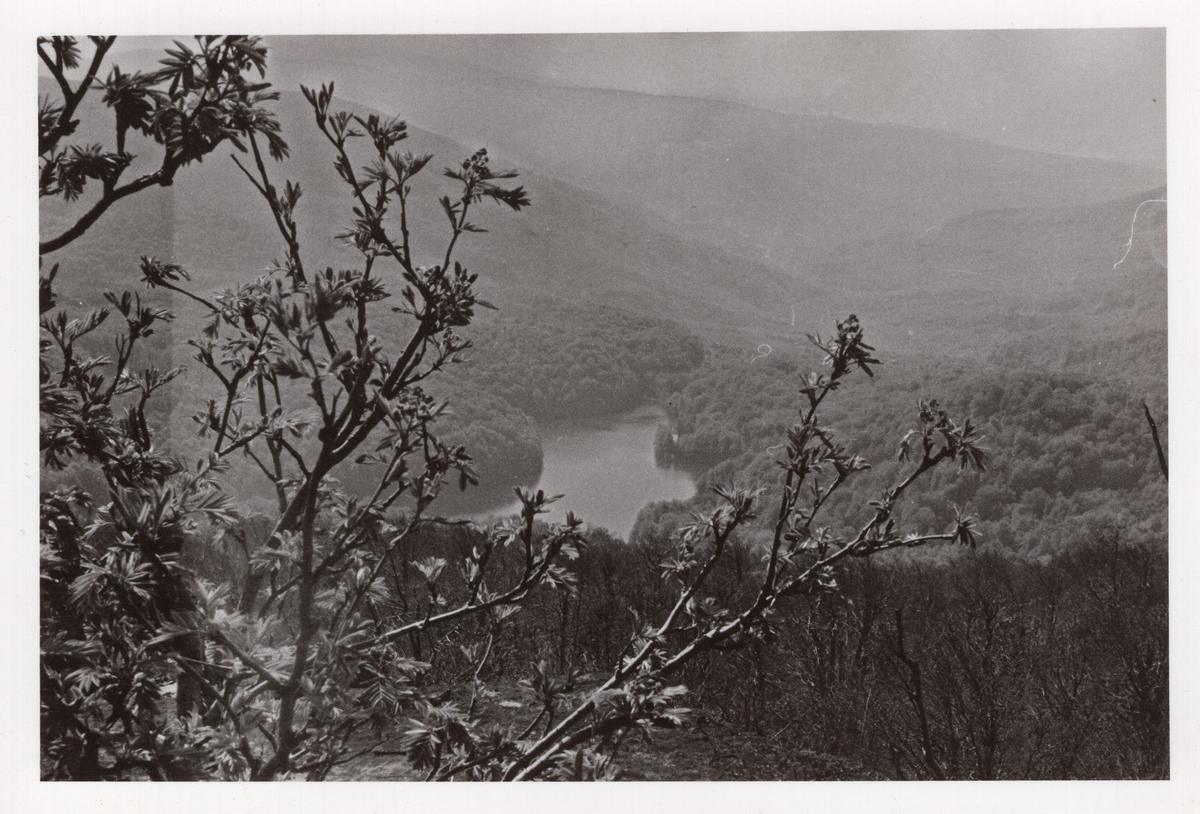
Its present shape also reflects human intervention long before the lost drone arrived. The conservation authority says a dam raised the water level by approximately 16 feet, expanding a lake that originally covered about 17 acres.
Fallen trees have a job
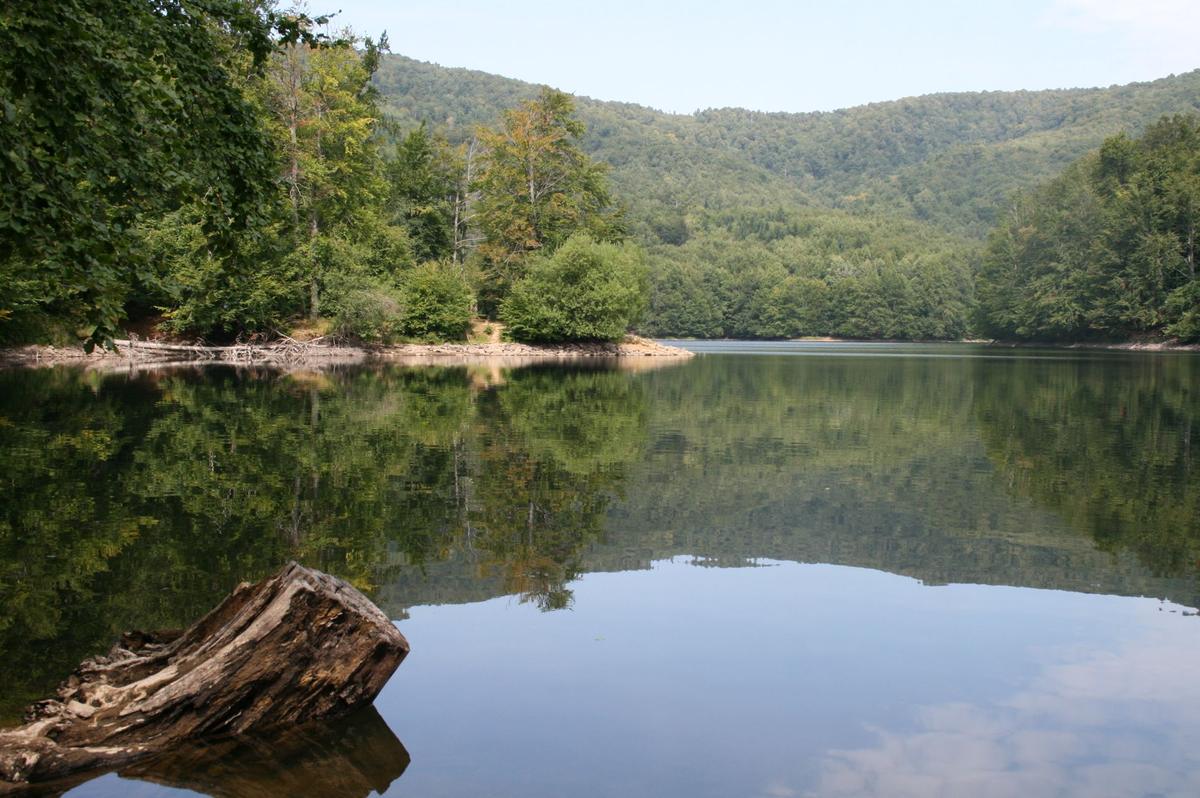
Why leave a fallen tree in the water? In a lake, trunks and branches create shelter and feeding areas, turning what looks like untidy debris into useful space for aquatic animals.
The Wisconsin Department of Natural Resources describes this role in its own lake conservation work. Its “Fish Sticks” projects place woody structures near shorelines to restore habitat, showing why submerged wood deserves consideration when people manage a lake.
That ecological context helps explain the importance of the trees described at Morské Oko. A blanket effort to clear the bottom could remove shelter along with unwanted objects, so identifying what actually supports wildlife matters before any cleanup begins.
What cloudy water can tell us
The divers initially encountered reduced visibility that the report attributed to cyanobacteria. As they descended, the water became clearer, allowing more of the underwater landscape to come into view.
Often called blue-green algae, cyanobacteria are bacteria that use sunlight for energy. Some can produce toxins, according to the U.S. Environmental Protection Agency, but the presence of a bloom does not automatically establish that toxins are present. Water testing is needed to answer that question.
That distinction matters here because the account provides no laboratory results identifying toxins or measuring nutrient concentrations. Better visibility deeper down tells us what the divers could see, while questions about water quality require measurements that a visual inspection alone cannot supply.
The sudden chill below
The divers also faced a sharp temperature change underwater, although the written account gives no measured temperatures. That observation is consistent with thermal stratification, the layering that develops when warmer water sits above colder, denser water.
Researchers at the International Institute for Sustainable Development’s Experimental Lakes Area explain that sunlight heats surface water more quickly than deeper water. Between warmer and colder layers, a zone of rapid temperature change can create the sudden chill that swimmers sometimes notice around their feet. The strongest temperature change occurs at the “thermocline.”
This layering matters beyond comfort. It can limit mixing between surface and deep water, affecting how oxygen reaches the bottom, although the dive account does not establish whether oxygen was low at Morské Oko.
A busy shoreline to protect
Morské Oko is part of the Vihorlatský prales reserve, and its calm appearance does not mean few people visit. An October 7 update from the conservation authority recorded 21,105 visitors around the lake between June 15 and September 15, 2026, including 19,819 walkers and 1,286 cyclists.
That total was about 18 percent lower than the previous summer, but it still represents substantial foot and bicycle traffic. The authority stresses that these figures cover the lake locality, mainly arrivals from Remetské Hámre, rather than the entire reserve.
For visitors, regional tourism guidance lists swimming, boating and fishing as prohibited, leaving the shoreline as the place to appreciate the lake. The official visitor update was published on CHKO Vihorlat’s website.
Photo: Archive of the CHKO Vihorlat Administration