Nearly 2,000 years after the eruption that buried Pompeii, a lab in California has dated its pumice more tightly than ever before. Scientists from the Berkeley Geochronology Center, UC Berkeley and Italy’s University of Padua put the age of sanidine crystals from Vesuvius at 1,938 years, plus or minus 13. The analysis was done in 2025, and the figures come from the UC Berkeley announcement of the study.
Historical records put the true age at 1,946 years, so the lab figure landed eight years from the answer. In the authors’ words, reaching “0.7% precision and 0.4% accuracy at such a young age marks a precedent” for the method.
Pliny’s letters as a benchmark
Most ancient eruptions left no written record, but Vesuvius had a witness. Pliny the Younger described the disaster that killed his uncle, Pliny the Elder, and his account points to August 24, 79 CE.
For a geologist, a rock with a known birthday is a rare thing. Check the lab against it, and the same method can be used with more confidence on lava nobody saw cool. The same eruption also carbonized the papyrus scrolls that AI is now reading.
Graduate student Caroline Hasler first had to deal with a dispute among historians. Some argue for an autumn eruption, citing a coin found at Pompeii that they say was stamped in September. Hasler compared it with other Roman coins and concluded it was likely minted earlier.
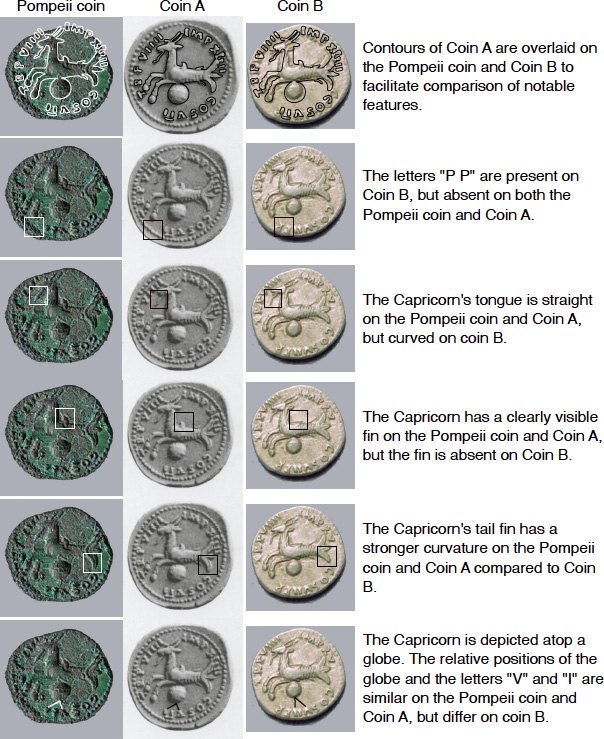
Even so, the team allowed a two-month margin around August 24. According to the Berkeley release, that margin barely affected the calibration. It was key, however, for working out the decay rate of potassium-40.
Argon builds up inside sanidine
Scientists call the technique argon-argon dating. It relies on potassium-40, a radioactive form of potassium found in volcanic minerals such as sanidine. Over time, it turns into argon-40, a gas normally absent from the crystals before an eruption.
In the lab, researchers bombard samples with neutrons to turn some potassium-39 into argon-39. They then compare the two argon isotopes. The more argon-40 a sample holds relative to argon-39, the older it is.
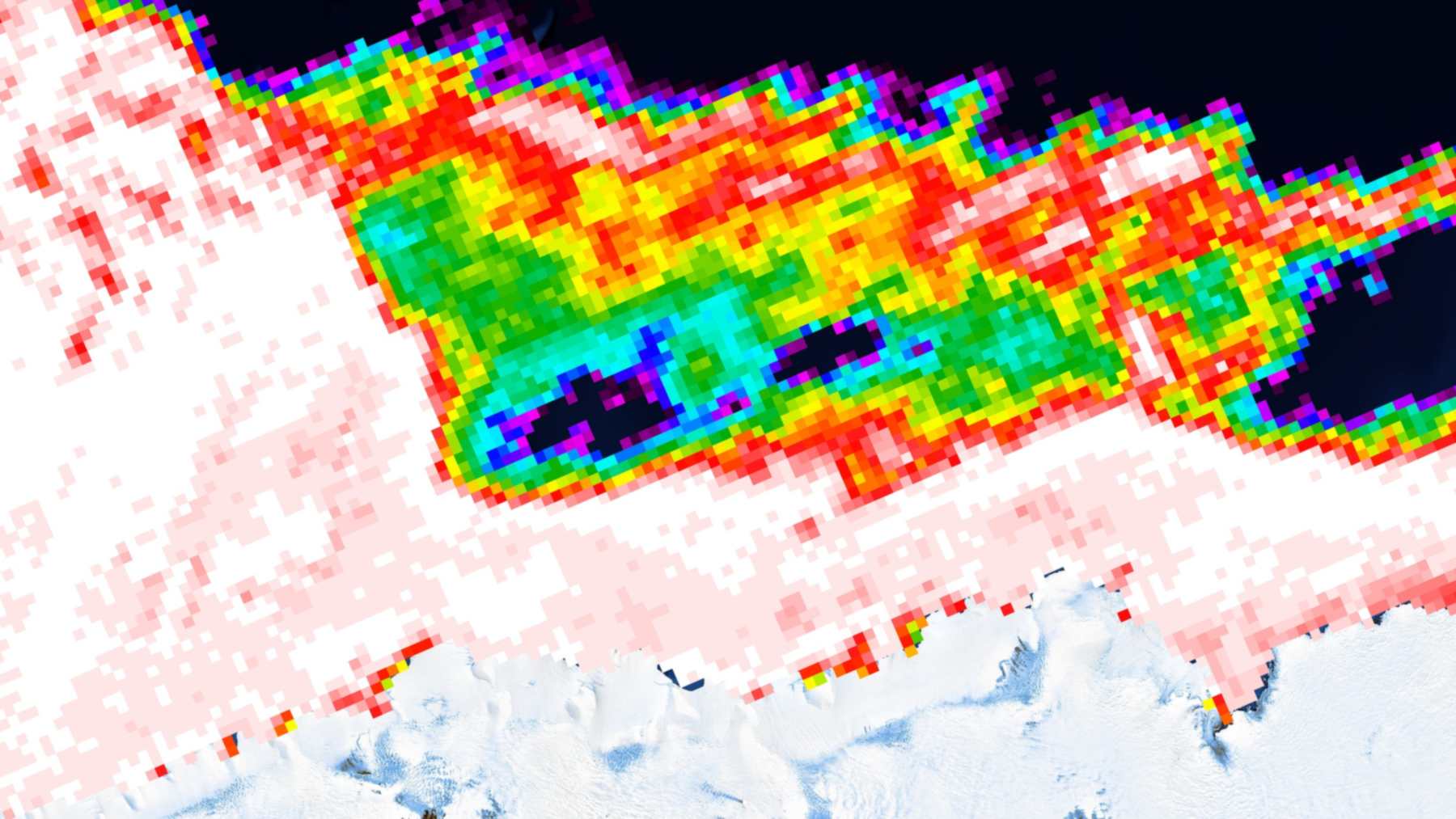
After fewer than 2,000 years, only a tiny amount of argon-40 has built up inside a crystal. That faint signal made young rocks a hard test for the method, while far older rocks like Antarctica’s pink granite are often the easier job.
Pumice gathered at Oplontis in 1998
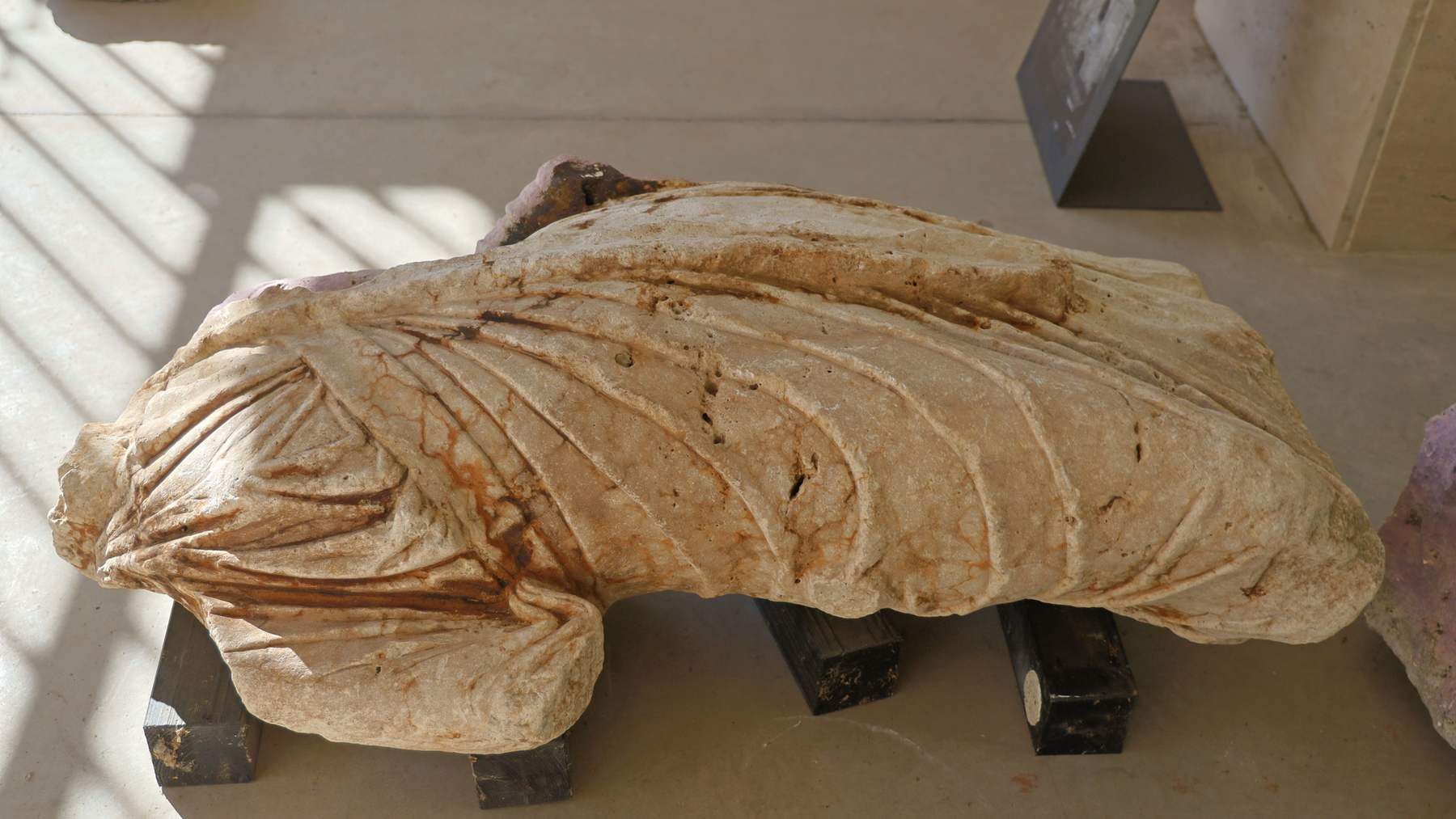
Andrea Marzoli of the University of Padua collected the pumice in 1998 at Villa Poppaea in Oplontis. The Roman settlement near Pompeii lies under present-day Torre Annunziata.
His samples came from the earliest phase of the eruption. Magma chambers under volcanoes like Vesuvius tend to form layers, with potassium near the top. As a result, potassium-rich material comes out first and ends up at the base of the deposits, which gave the team potassium-rich pumice to analyze.
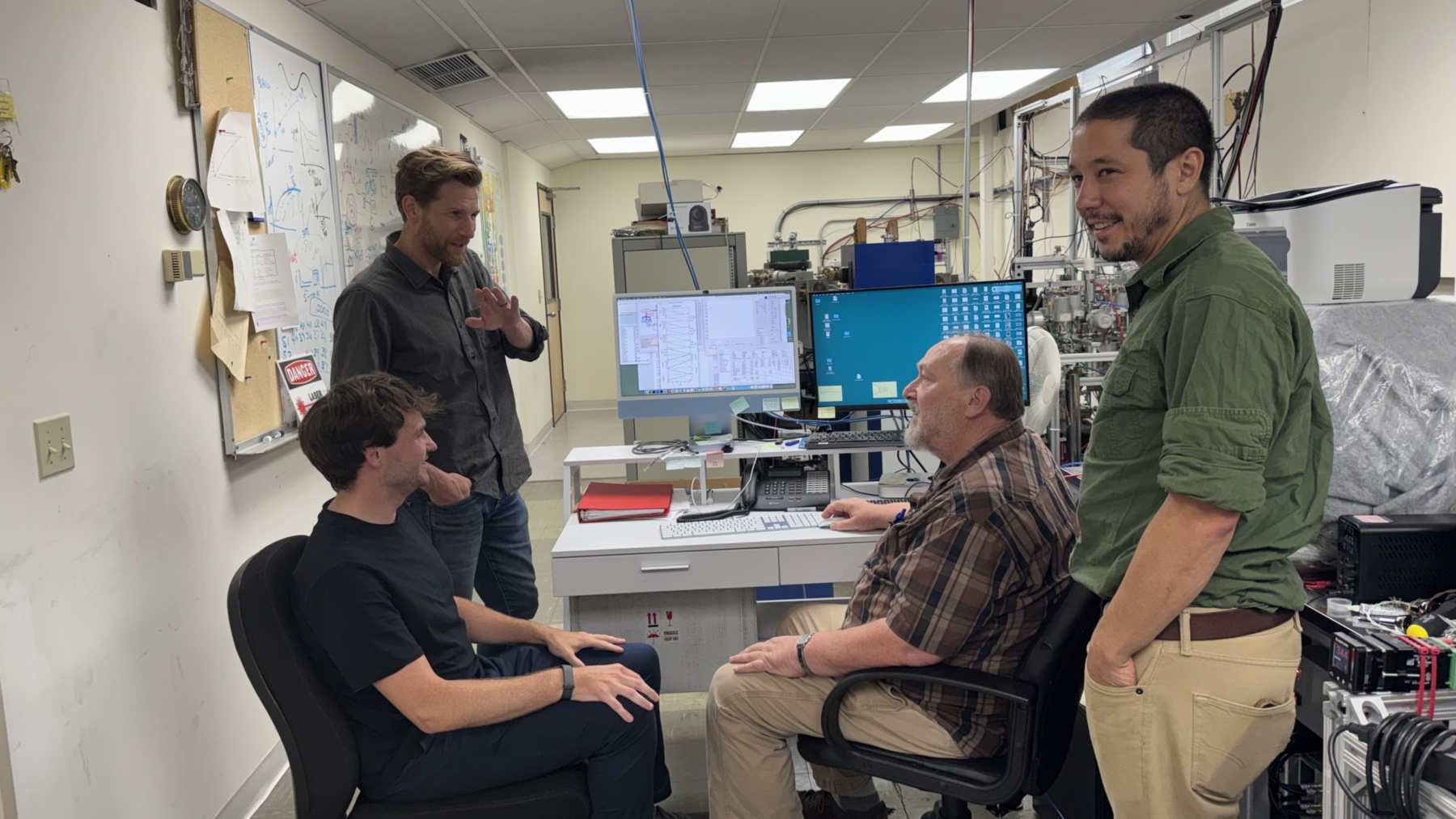
For years, nobody analyzed that pumice. Then graduate students Hasler, Anthony Fuentes and Andy Tholt, led by postdoctoral fellow Jack Carter, proposed pulling it out of storage in Paul Renne’s lab.
“It was really just a combination of better samples, instrumental advantage and a more concerted effort. All of those things came together,” said Renne. He directs the Berkeley Geochronology Center and is a professor in residence of earth and planetary science at UC Berkeley.
From 94 years to 13
Renne’s group had dated Vesuvius pumice once before. In a 1997 analysis, the team obtained an age of 1,925 years, only seven years off the historical date. The error, though, was plus or minus 94 years.
Renne said at the time, “We nailed the date to five percent on our first attempt, so we could probably get the error down to one percent or less.” Better pumice, an improved mass spectrometer and updated neutron irradiation methods have now taken it to about 0.7%.
Those 13 years are one standard deviation, a statistical measure of spread rather than a hard boundary. The eight-year gap between the lab age and the historical age sits inside it.
Pliny’s date had a second use. The team now puts the half-life of potassium-40 decaying to argon-40 at 12.044 billion years, give or take 0.088 billion. That is twice as precise as the previous value from nuclear physics.
Dinosaurs, radiocarbon and living volcanoes
Because that rate feeds into every argon-argon age, the gain reaches rocks billions of years old. “This lets us more precisely infer causality between events in the geologic record, for example a meteor impact structure and a mass extinction,” Renne said.
A decade ago, his lab used the method to date the asteroid impact that ended the dinosaurs, eruptions in India and the extinction itself. All three fell within a few tens of thousands of years, about 66 million years ago.
Renne also expects sharper argon-argon ages to help calibrate radiocarbon dating, used on wood and other materials younger than about 55,000 years. The Berkeley release names volcanoes that still threaten Mexico City, Naples and Yogyakarta in Indonesia.
Dated layers of ash and pumice show how often a volcano has erupted in the past. That long view complements the close monitoring of active volcanoes.
The month remains out of reach
Rock measurements cannot settle whether Vesuvius erupted in late August or in the fall. A 13-year margin is far too wide to pick a month, so that debate still rests on letters, coins and other clues.
Better dating does not forecast the next eruption either. It shows when earlier ones happened, which helps rebuild a volcano’s history. As Renne put it, “If you want to put together the eruptive history of a volcano in relatively recent time, precision and accuracy really count.”
The full study was published in Science Advances on September 25, 2026. The National Science Foundation, the Ann and Gordon Getty Foundation and the Berkeley Geochronology Center funded the work.
Photo: Paul Renne / Berkeley Geochronology Center and UC Berkeley