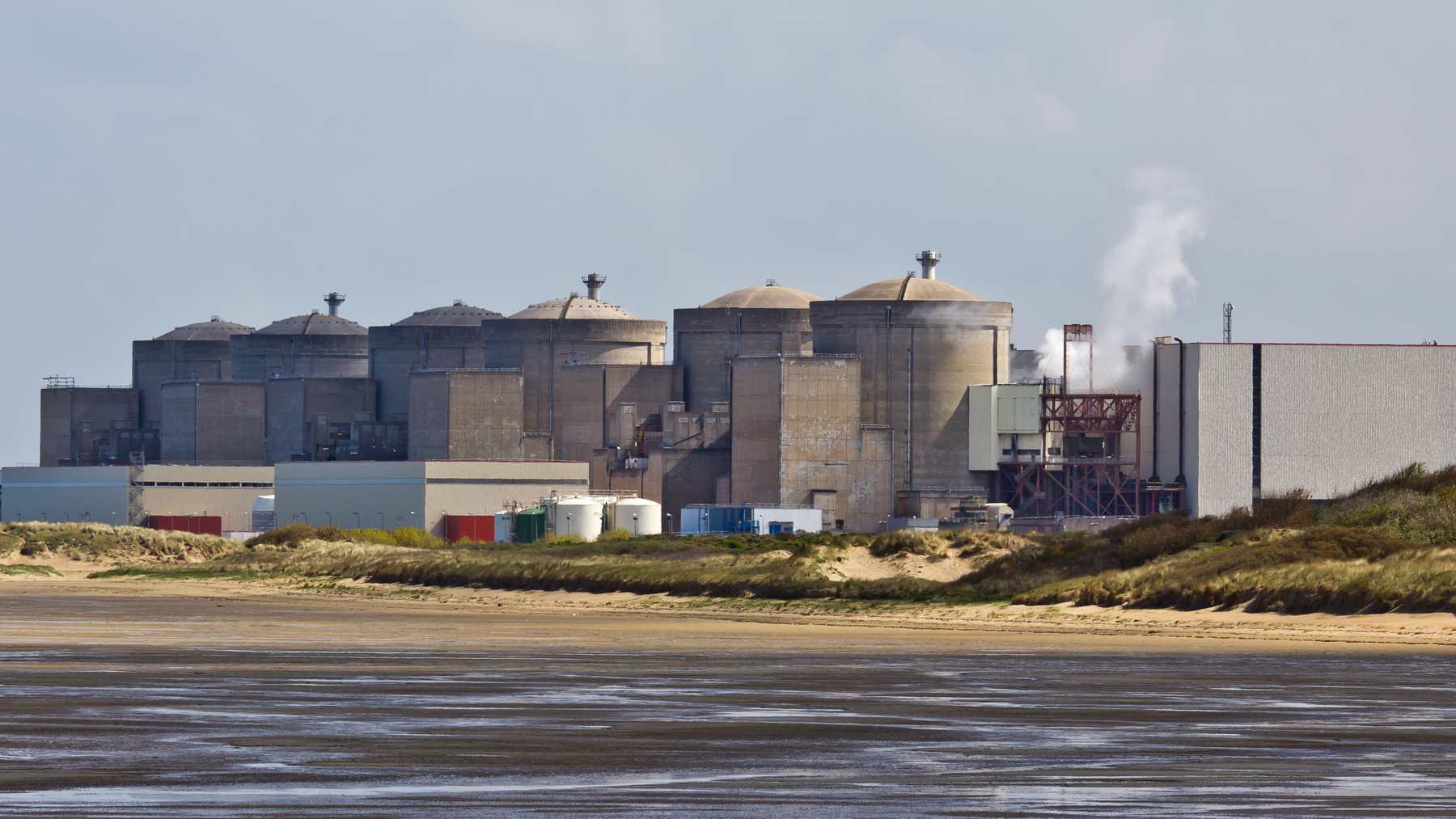
EDF shut down two nuclear reactors at its Gravelines plant in northern France on August 26 and 27, 2026. A new mass of jellyfish had reached the seawater filters. Unit 3 stopped around 4 p.m., Unit 6 followed overnight, and about 1,800 megawatts of rated capacity, two units of roughly 900 megawatts each, went offline.
Both stops came 16 days after a similar swarm knocked out part of the same site. According to EDF’s production notices, the episodes did not affect safety, staff, or the environment.
Unit 3 stopped twice in August
The first wave hit on August 10, when Unit 3 tripped automatically at 7:43 p.m. Unit 4 also went down. Operators took Unit 2 offline at 11:06 p.m. as a precaution, then reconnected it at 2:43 a.m. on August 13.
Recovery took far longer for Unit 3, which EDF reconnected at 3:55 a.m. on August 18. That was a little more than seven days after the trip.
Eight days later the animals returned to the pumping station’s pre-screens and rotating drum filters. EDF acted first this time and described both stops as “à titre préventif,” meaning as a precaution. It also lowered output at Units 1 and 2.
Unit 5 was already out for its scheduled ten-year inspection that week. The jellyfish explain only part of the site’s low output.
Filters at the North Sea
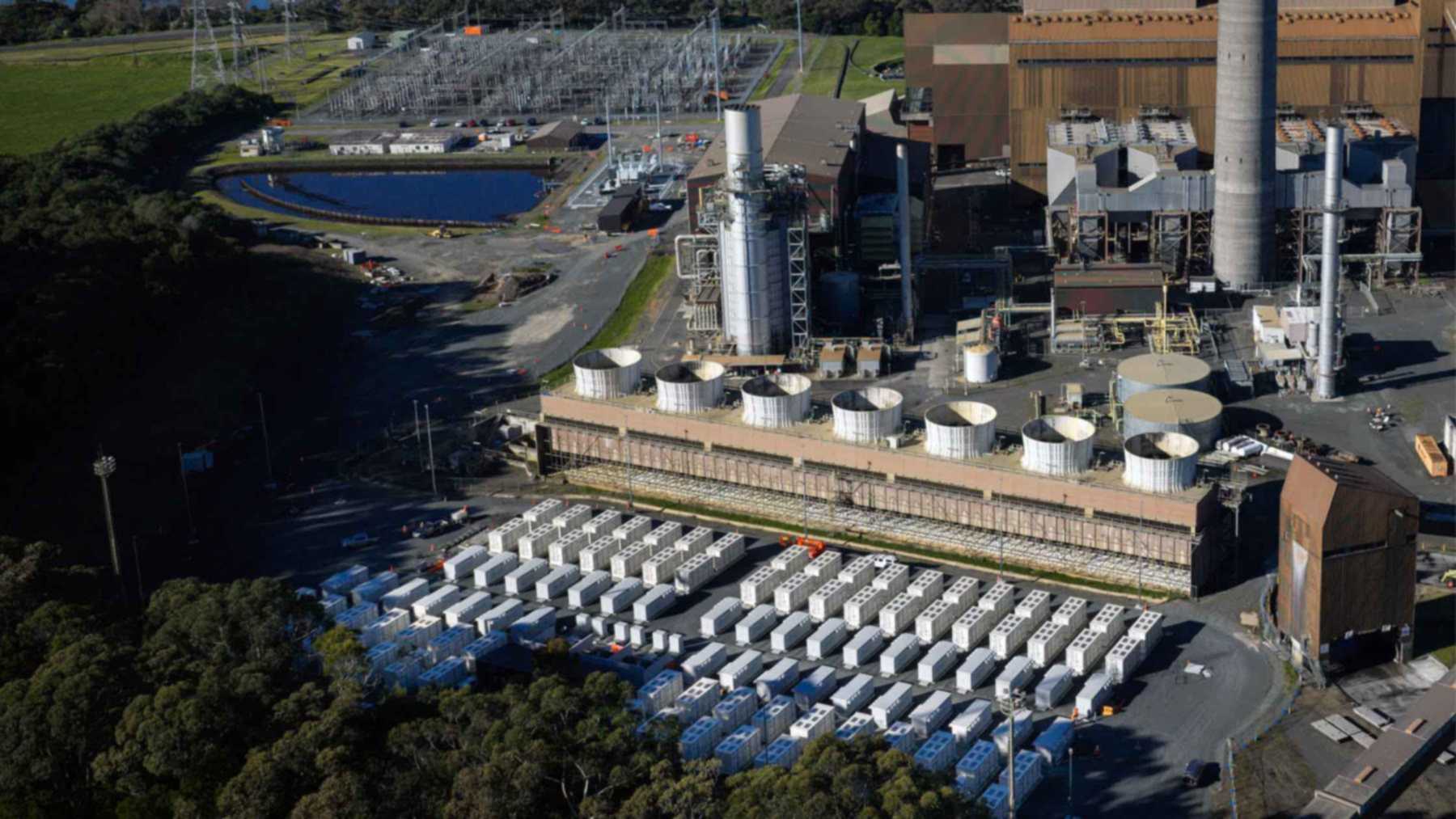
Gravelines runs without cooling towers, drawing water straight from the North Sea through an intake canal. Screens and filter drums clean that water. It then condenses the steam that has spun the turbines.
In 2024 the plant used nearly 222 billion cubic feet (6.3 billion cubic meters) of seawater for cooling, EDF reports. More than 99.9 percent of it went back to the sea. River plants know the same dependence on a steady water supply during a drought.
This cooling water stays apart from the water in the reactor core. A clogged filter therefore hits production, and EDF’s August notices report no safety consequence from these stops.
Fishermen on a 24-hour call
Gravelines had faced this problem one summer earlier, in August 2025, when several reactors tripped automatically as jellyfish partly clogged the filters. EDF later wrote of “l’ampleur exceptionnelle du phénomène,” the exceptional scale of the event.
In a review published in June 2026, the company listed what had changed. Supervision cameras now watch the filter drums and intake canal from the control room.
Offshore, the association France Pêche Durable et Responsable runs a network of fishermen and volunteers who make daily checks. Sampling can then start in under 24 hours across three defined zones.
Visual checks by the sea rescue society SNSM complete that network, and EDF puts the SNSM service at 30,000 euros a year.
According to EDF, those safeguards were in place from August 8, 2026, two days before the first wave. They gave operators warning, yet the swarm still reached the filters.
EPR2 reactors on this coast
Days before the second wave, France published Decree 2026-807, dated August 20, 2026, in its official journal. It grants environmental authorization for works tied to a pair of EPR2 reactors at Gravelines. Those works include relocating protected species and moving a rail terminal.
Building the reactors themselves requires a separate creation decree. EDF says it filed that application on June 30, 2026, and the nuclear safety authority ASNR is reviewing it.
Any new units on this shoreline would depend on the same kind of seawater intake. Other coastal nuclear sites face their own version of that constraint.
Nobody has explained this swarm
EDF’s notices say where the jellyfish arrived and what operators did about them. They do not say why so many gathered off Gravelines in two consecutive Augusts. Two summers at one site cannot show a trend, even as unusual jellyfish sightings draw attention elsewhere.
A 2013 analysis in PNAS of jellyfish records from 1940 to 2011 found recurring rises and falls. Its authors said sustained monitoring was needed to judge a weak increase after 1970.
The 1,800 megawatts measures equipment taken offline, and it does not show that any household lost power.
The operator’s production notices remain the primary record of these events and appear on EDF’s website.
Photo: Raimond Spekking / Wikimedia Commons, CC BY-SA 4.0