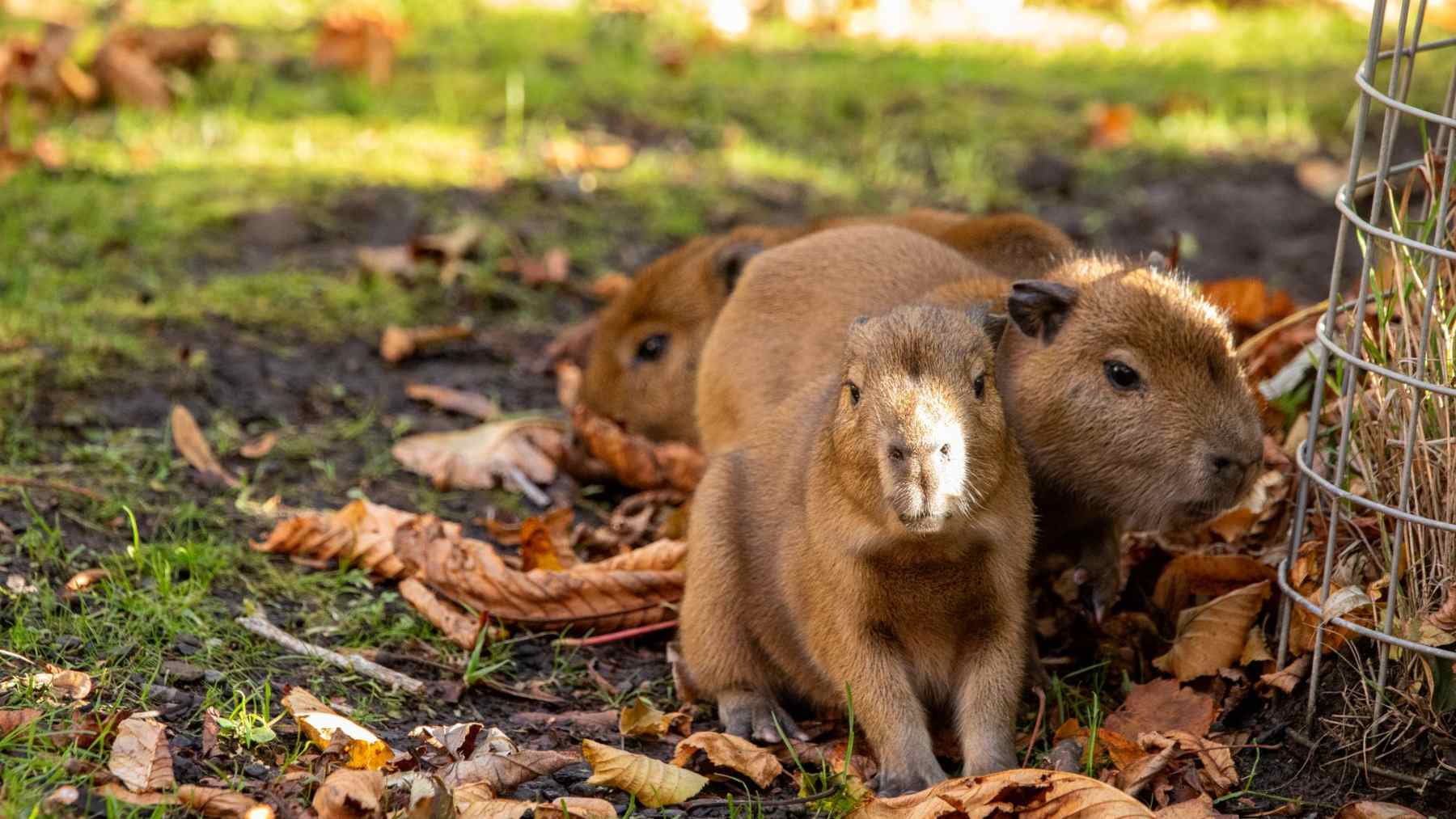
Edinburgh Zoo has named its three viral capybara pups Tattie, Tunnock and Toddy, after three beloved Scottish delicacies. The Royal Zoological Society of Scotland, the conservation charity that runs the zoo, announced the names on November 9 after counting votes cast by the public on social media.
The winning trio beat fierce competition, according to the charity. Rival suggestions included names inspired by the Scottish islands and by the iconic Scottish sitcom Still Game.
Born overnight to Luna and Rodney
Keepers spotted the pups on October 28, after they were born overnight to parents Luna and Rodney. In its statement announcing the birth, the zoo said the youngsters were doing well and sticking close to their mother.
About a week later, the charity’s veterinary team gave the pups their first health check. The vets weighed and microchipped them and confirmed that the litter is two boys and a girl.
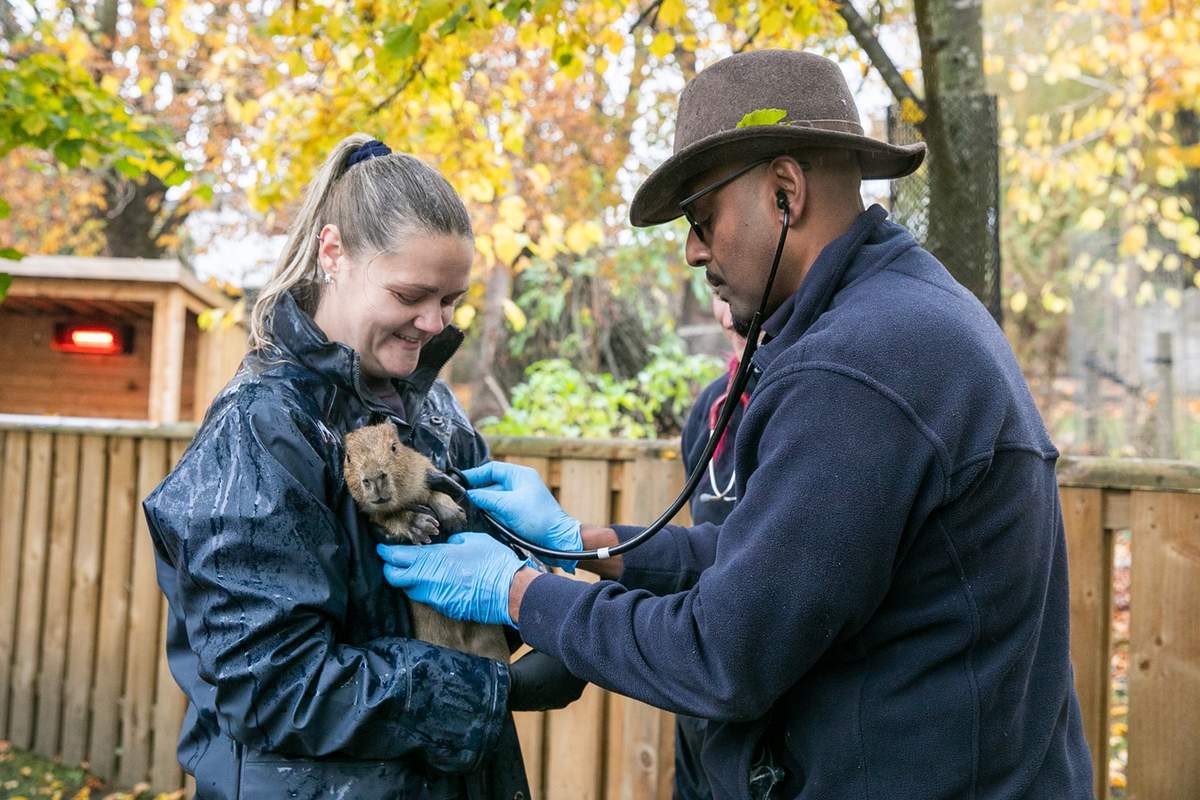
The poll to choose their names opened on the zoo’s social media channels shortly after that check, and the public voted on rival trios of names. Once the votes were counted, the zoo revealed the winners on November 9.
Soap opera in the pool
The triplets were famous before they were even named. According to the zoo, their birth followed several scandals in the capybara habitat. A romantic photograph of two capybaras in the zoo’s pool went viral on social media, and the zoo later revealed who was in it.
The pair were Rodney and Cali, who is Luna’s sister. In other words, the pups’ father was snapped in an intimate moment with their aunt.
“Capys might look cute and innocent but honestly, their lives are like something from a soap opera,” said Darren McGarry, head of animal care at Edinburgh Zoo. “Cali rules the roost and Luna does as she is told.”
McGarry called Bru the golden child of the group and described Rodney as a bit of a shy boy, but one who is clearly a hit with the ladies. “Like they say, it is always the quiet ones,” he said.
Bru is no longer the star
The zoo’s previous pup was internet sensation Bru, who was born in May. He was the first capybara born in Scotland in 18 years, according to the charity.
McGarry said Bru was adjusting to no longer being the center of attention and was a little grumpy for now. The keepers expect him to become best buddies with his siblings once he settles in.
Capybaras are the world’s largest rodents and can breed several times a year, the zoo notes. Bru arrived in May, and the triplets followed in October.
What makes capybaras so popular
Capybaras stand about 2 feet (60 centimeters) tall at the shoulder, according to the San Diego Zoo Wildlife Alliance. They have shaggy light brown hair, no tail and slightly webbed feet.
In the wild they live on riverbanks, ponds and marshes in Central and South America. They can stay underwater for up to five minutes to hide from predators, and their eyes, ears and nostrils sit high on the head, like a hippo’s.
An adult capybara can eat 6 to 8 pounds (2.7 to 3.6 kilograms) of grass a day, the alliance says. Like other rodents, capybaras have ever-growing front teeth, and they chew from side to side, like a camel.
Young capybaras can fall victim to caimans, ocelots, harpy eagles and anacondas, while adults mainly face jaguars and humans. Unlikely scenes with predators still go viral, such as a capybara filmed sleeping next to a massive caiman.
Wild capybaras usually live in groups of about 10, and as many as 40 may gather in the wet season. The species is not classed as endangered, though it is threatened by deforestation, habitat loss and illegal poaching.
Births that draw a crowd
Zoo births often win public attention, but some carry far higher stakes for conservation. Elsewhere, ECONEWS has reported on two Sumatran rhinos pregnant at the same time at an Indonesian sanctuary.
Capybaras were once thought to be a kind of pig, according to the alliance. Scientists now know they are rodents, closely related to cavies and guinea pigs.
Britain has its own rodent success stories in the wild, too. In southern England, two beavers released in Dorset built a 115-foot dam in a single year. For now, though, Edinburgh’s attention is on three small capybaras named after Scottish favorites.
Photo: Royal Zoological Society of Scotland