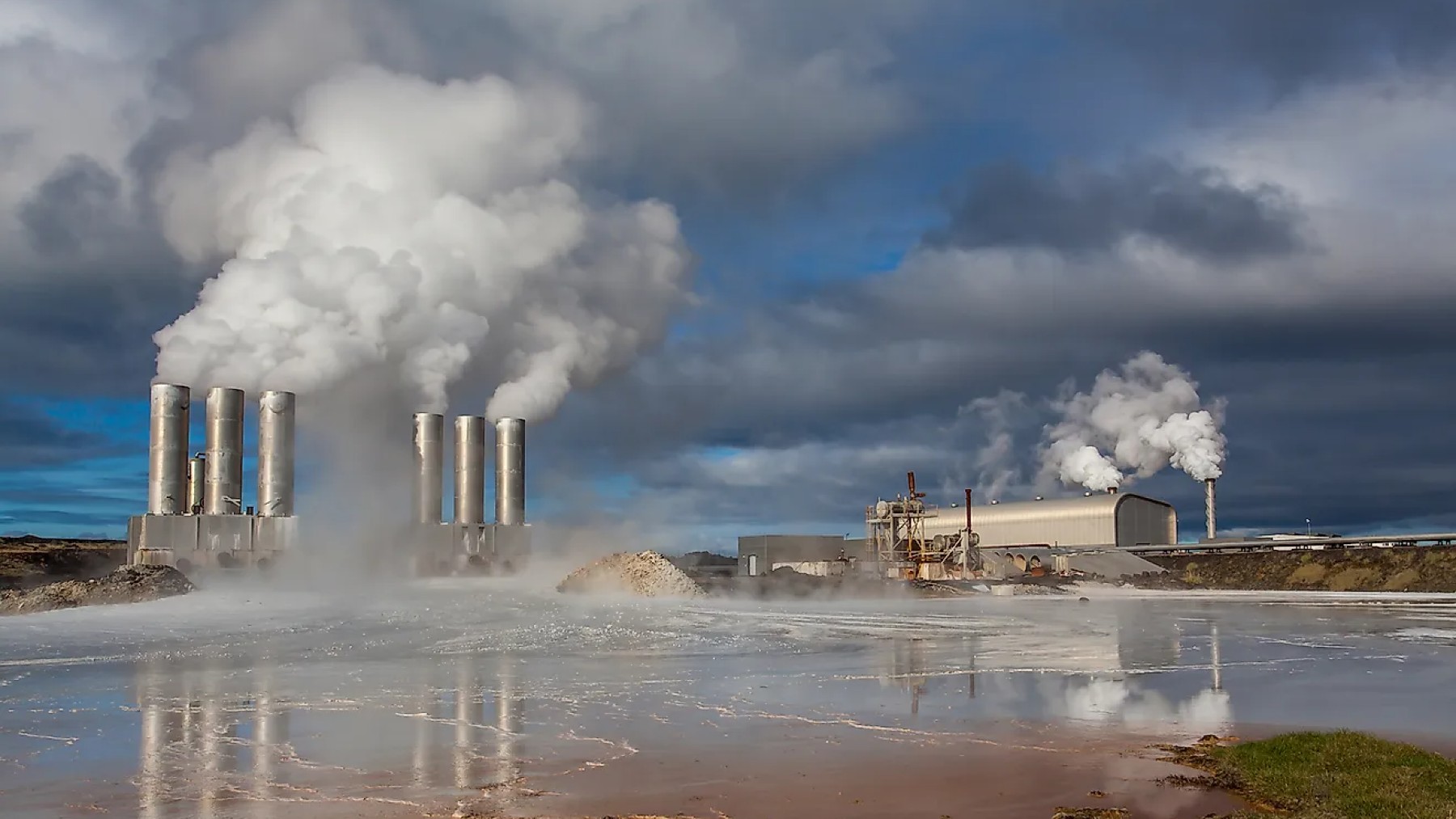
In a momentous deal, Meta Platforms Inc. (Meta) is stepping up its renewable energy endeavors by teaming up with Sage Geosystems Inc. in geothermal energy usage in its US data centers. The initial stage of this innovative geothermal undertaking with a capacity of 150-MW is expected to be finalized by the year 2027, which happens to be the first time Meta is venturing into geothermal and it is a step towards sustainable aggressive technology infrastructure.
Meta and Sage geosystems reach significant milestone by developing 150 MW geothermal project located in the east of the Rockies Region
The collaboration established between Meta and Sage Geosystems seeks to provide geothermal energy of up to 150 MW using Sage’s Geopressured Geothermal Systems (GGS). This ambitious GGS technology will be the first installed system of its kind that operates east of the Rockies, thus increasing the operational geographic extent of state-of-the-art geothermal systems. GGS has already been shown to be successful in pilot studies, and its application represents an incredible leap in the time scale of development of geothermal technology.
Sage and Meta announced the initiative during a US Department of Energy workshop on Catalyzing Next Generation Geothermal Development. This was where Deputy Secretary David Turk spoke of the necessity for such intelligent, reliable power sources in the light of increasing energy needs.
Meta’s mission for a net-zero emissions strategy progresses with a major geothermal energy initiative
This geothermal energy project is consistent with the ambitious goal set by Meta to achieve net-zero emissions across its entire supply chain by 2030. Also, by including geothermal energy sources in its power mix, Meta is not only decreasing its carbon emissions but also pursuing moderate and expanding data operations energy growth.
Innovations in Renewable Energy at Meta, Urvi Parekh clearly expounded on the importance of geothermal power in providing a constant supply of energy that is free from carbon and improves the grid’s reliability and economics greatly.
This project is an addition to Meta’s current renewable energy portfolio which incorporates large scale, numerous solar agreements as well as ongoing efforts to improve emissions and carbon decline. To facilitate the growth of sustainable technology Meta through such collaborations seeks to enhance its energy supply such that it is not only reliable but also multi-faceted.
Sage geosystems teams up with Meta to envision the future of geothermal energy revolution
This partnership with Meta further cements Sage Geosystems as a pioneer in the field of geothermal energy. This speaks volumes about Sage’s ability to produce and provide storage, highlighting the fact that geothermal can be a very good and compact solution for the energy transition.
Unlike solar and wind energy which can only be harnessed intermittently, geothermal energy is a constant source of energy that is dispatchable. This makes it suitable to support the aggressively growing energy requirements of the technology sector. At present, geothermal energy contributes only 0.4% of electricity generation in the US but the implementation of this green energy sources bears such promising signs.
Sage’s upcoming commercial facility will be integrated into the ERCOT grid to demonstrate the potential of bringing geothermal energy into different regions and facilitate their integration and expansion into the grid. Meta and Sage have established a paradigm shift in clean energy and technology convergence by emphasizing geothermal energy as a key contribution to renewable sources of energy.
As Meta plans to be 100% relying on renewable sources by the year 2030, this project underscores the importance of geothermal energy use in corporate sustainability and within the US energy transition period. Through this partnership, Meta furthers its ambitions on the environment and assists in establishing geothermal energy more firmly for sustainable climate positive energy transitions.