When politicians in Brussels talk about “highly efficient combustion engines”, it can sound as if the old technology just needs one more clever upgrade to become climate-friendly.
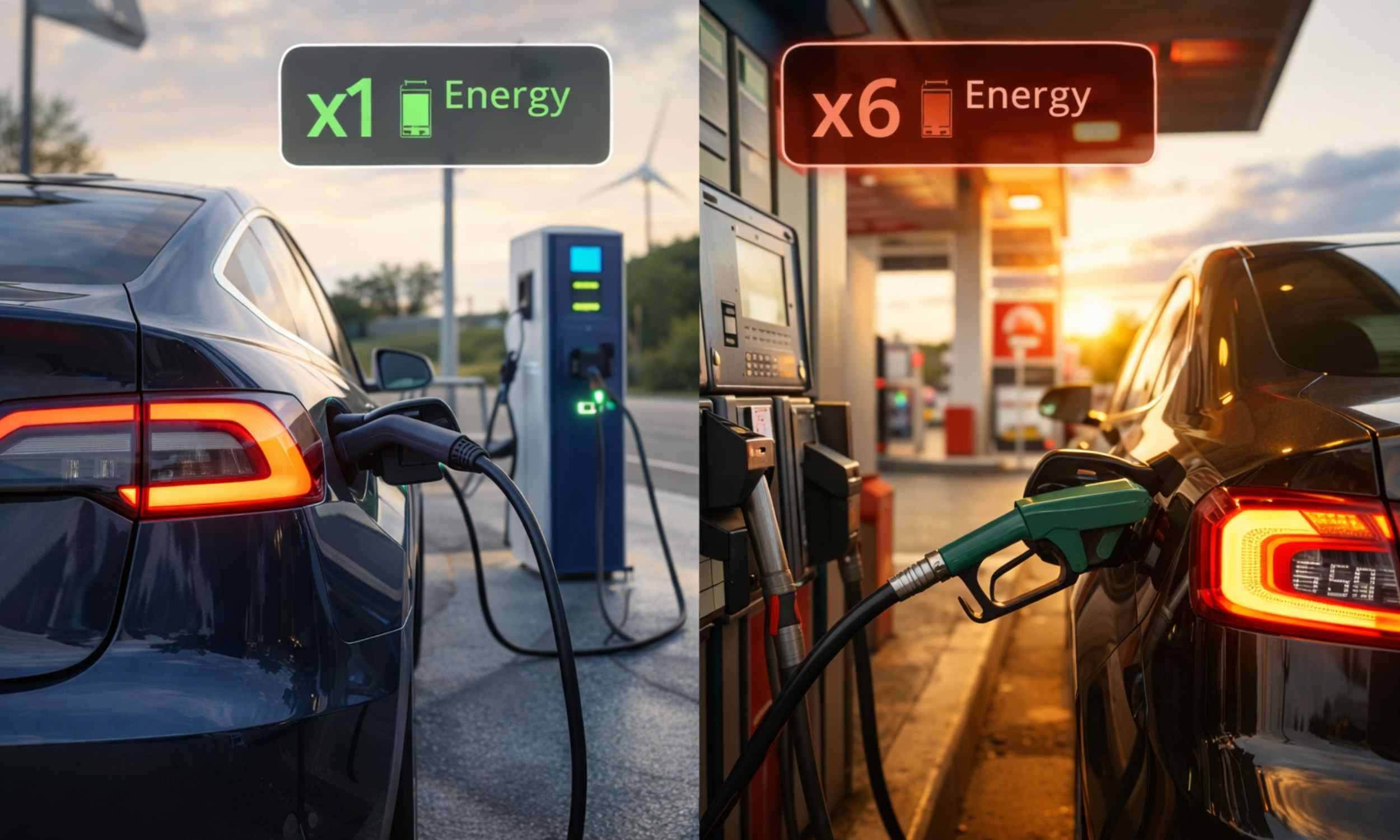
A German physicist, Johannes Kückens, is pushing back with something very simple. He argues that electric cars turn far more of their energy into actual motion and that with the same amount of electricity, a battery electric car can travel up to six times farther than a combustion car running on synthetic e-fuels.
His warnings arrive just as the European Commission proposes to weaken or even reverse the effective 2035 phaseout of new combustion-engine cars after intense lobbying by parts of the auto industry and several big member states.
The latest plan would keep a share of plug-in hybrids and combustion models on sale beyond 2035, if manufacturers rely on e-fuels or other compensations. So what does physics actually say about all this?
Where the energy goes in a combustion car
In interviews with European media, Kückens reminds readers that a combustion engine is a heat engine. Fuel is burned, the chemical energy becomes heat, and only part of that heat becomes movement at the wheels. The rest escapes as hot exhaust and warmth from the radiator, which is why the hood of a car feels so warm after a highway drive.
Thermodynamics sets a hard ceiling on how much of that heat can ever be converted into useful work. On paper, the very best diesel designs might reach around 65% efficiency under ideal conditions.
In practice, Kückens notes, new gasoline engines reach about 40%, diesels around 45%, but only when they run at a perfect operating point that drivers almost never hit in real traffic. Out on the road, he estimates that a typical diesel car turns only about 25% of the fuel energy into motion.
The rest is simply lost. Every traffic jam, every cold start on a winter morning, every sprint away from a stoplight keeps that efficiency figure low.
Electric motors and the 70% rule of thumb
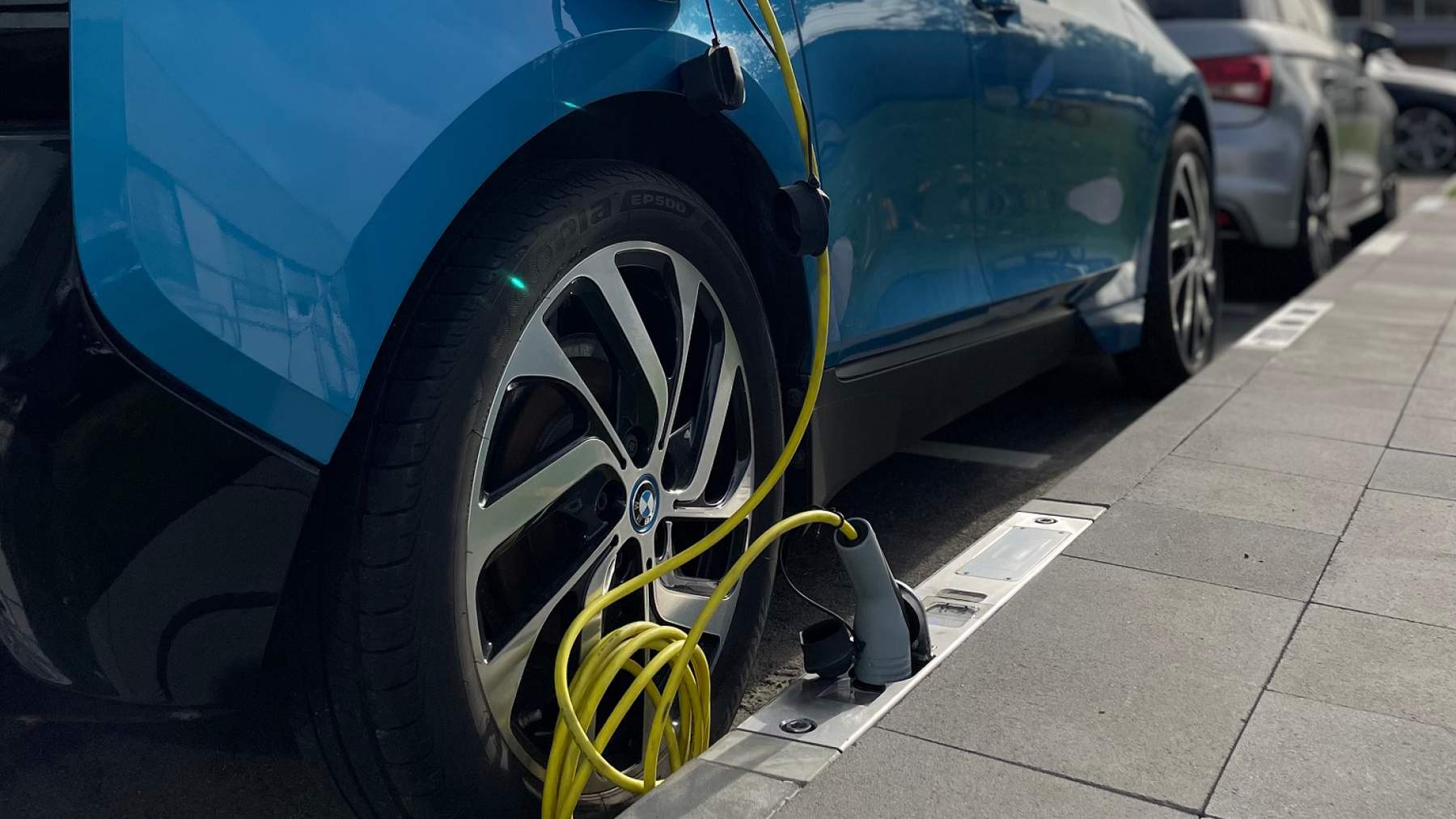
Here is where electric cars change the picture. An electric motor in a car can convert more than 90% of the electricity it receives into mechanical power.
Of course, electricity does not arrive for free. Power plants, transmission lines, and chargers each take a small cut. When researchers look at the whole chain, they still find that modern battery electric cars deliver roughly 36 to 52% well-to-wheel efficiency, about double that of conventional combustion cars.
Kückens gives drivers an easier rule to remember. He says that in real traffic, electric cars reach a total efficiency of around 70% once you include grid and charging losses. In everyday terms, that means much more of what you pay for on the electric bill actually moves the vehicle instead of heating the air.
Electric powertrains use a few hundred parts, compared with well over a thousand in many combustion engines, which reduces maintenance needs and wear over the life of the car.
The e-fuel detour
Supporters of e-fuels hope to keep combustion technology on the road with synthetic gasoline and diesel made from captured carbon dioxide and renewable electricity. The idea sounds elegant. The physics, again, is less kind.
Kückens explains that e-fuels need several energy-hungry steps. Renewable electricity splits water into hydrogen, more electricity pulls carbon dioxide from the air, then both are combined into liquid fuel. Each step throws away part of the original electricity. By his calculation, the finished fuel contains only about half of the renewable energy that went in at the start.
Then that fuel is burned in the same inefficient combustion engine. The result, he says, is that “only a little more than 10% of the energy used reaches the road” and that “with the same amount of electricity, an electric car travels six times more than a combustion engine powered by e-fuels”.
Independent analyses back up that order of magnitude. A major life cycle study by the International Council on Clean Transportation found that diesel cars running on e-fuels would require roughly six times more renewable electricity than battery electric cars to cover the same distance.
For the most part, that means every liter of e-fuel burned in a car is renewable electricity that could have moved several battery vehicles instead.
What it means for drivers and climate policy
Kückens does not argue that e-fuels have no role at all. Many experts see them as a scarce resource better reserved for sectors where batteries are hard to use, such as aviation or parts of shipping.
For everyday road transport, though, the numbers are hard to ignore. If policy makers keep a big window open for combustion cars that rely on e-fuels, Europe will need far more wind turbines and solar panels to move the same number of vehicles. At the end of the day, that extra demand shows up in heavier pressure on energy systems and, very likely, in higher costs for households and businesses.
The political debate in Brussels may shift from month to month. Thermodynamics does not. For drivers wondering whether their next car should plug in or fill up, the message from physics is clear enough. The less energy you waste on heat and exhaust, the easier it becomes to clean up the air, cut climate pollution, and keep the future transport system affordable.
The study was published on the website of the International Council on Clean Transportation.