While cities are looking into sustainable energy sources, British tech EvoPhase has launched an AI-design Birmingham Blade-an innovative urban wind turbine. Unlike most urban wind turbines, it designs for city wind conditions and industries. It offers much promise as a game changer in terms of power generation within the city.
AI-driven city-oriented wind turbines for groundbreaking urban energy
For decades, the design of wind turbines has been optimized mostly for high-speed winds typical in a rural or open area. Conventional wind turbine blades were designed with an operational speed of 33 feet per second. However, not so in cities like Birmingham.
The average wind speed is much lower, usually around 12 feet per second, and the turbulence from the tall buildings has really offset the efficiency of traditional designs. EvoPhase’s innovation is bringing AI and evolutionary design techniques together to create a turbine specifically optimized for these very difficult conditions.
Within weeks of pouring wind and architecture data into its AI system, EvoPhase has been able to generate over 2000 design variants. The AI would simulation-test those designs and declares the most efficient choices for harvesting energy from urban wind that travels at lower-than-expected velocities.
The evolutionary design event which mimics natural selection has given space to AI in iterating and improving models beyond a traditional human-engineered bias. The outcome? A turbine which performs seven times more energy-efficiently than normal models on a scale of urban settings.
The Birmingham Blade: Compact, agile , and designed to suit the urban breeze
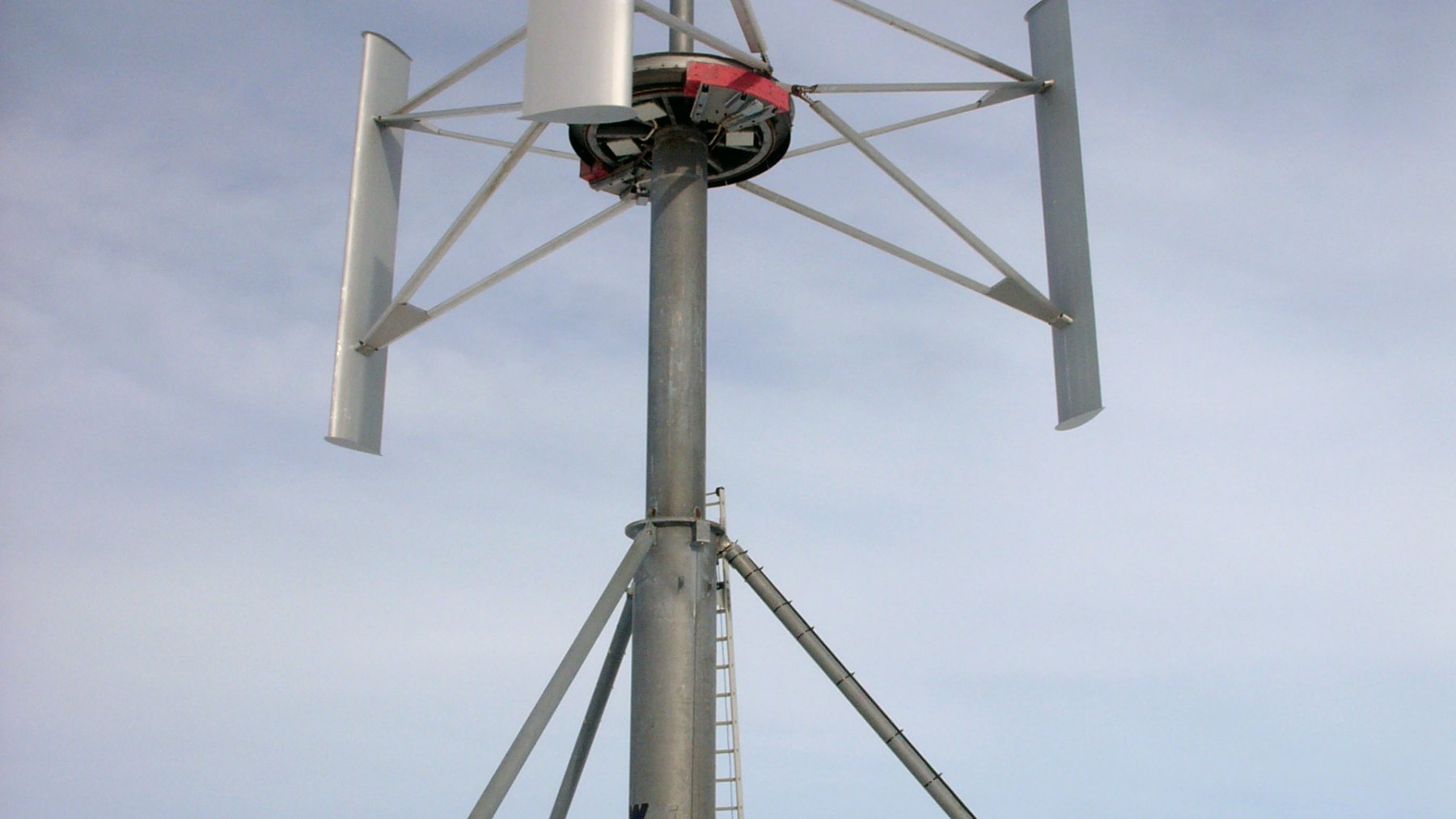
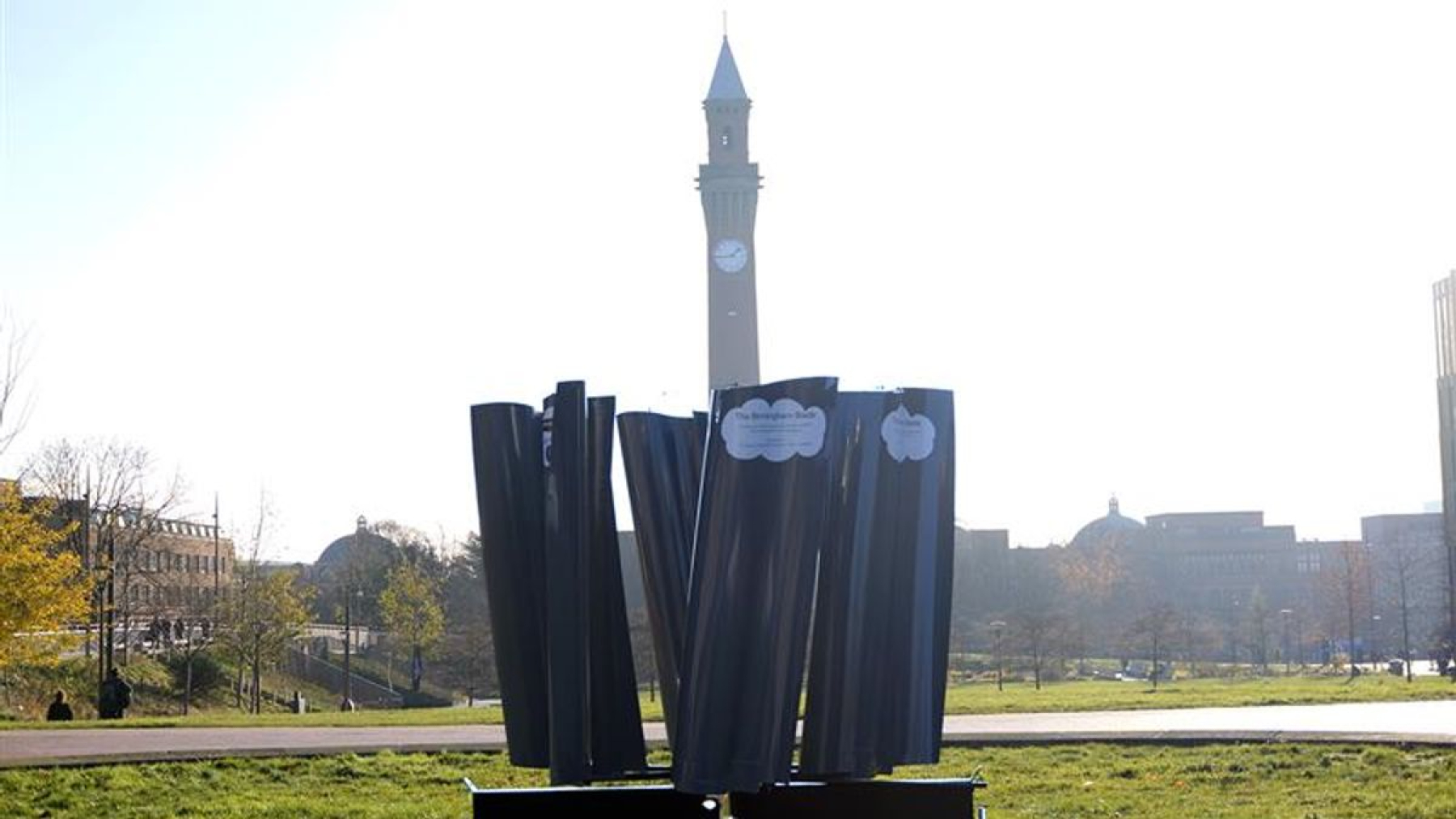
The Birmingham Blade design is ideal for urban environments. Whereas conventional turbines have large and stiff blades, the Birmingham Blade has six curved arms mounted around a central vertical axis. Each arm has a surface with two waves that adapt their angle of attack according to the height and length, which further increases the efficiency of the turbine in capturing kinetic energy.
Arguably one of the coolest features of the Birmingham Blade is its curved arms mounted around a central vertical axis that are designed to operate in turbulent wind conditions usually found between tall buildings. For instance, it can still harness wind at an average speed, such as 8 mph or so, seen in cities like Birmingham, hence making wind energy generation even without high speed (just like the Honeycomb wind turbines).
Its compact design makes it suitable for installation on rooftops, thus providing a cheap and easily scalable solution in such urban areas for creating clean energy quickly. At last, the birth of such a turbine makes it possible to shift the paradigm in the wind industry more than ever before, offering an actual, realistic solution for those cities that are finding it hard to place large-scale renewable energy infrastructures. Because it works efficiently in the urban wind conditions, the Birmingham Blade is possibly the device to revolutionize energy generation in cities around the world.
AI powered innovation: Going to the field with the Birmingham Blade prototype
After successful testing of the AI-generated design, EvoPhase has partnered with precision metal fabricators Kwik Fab to create a prototype of the Birmingham Blade. Its first version, which is made of lightweight aluminum, is about to be installed on rooftops in Birmingham for further testing, with the company expecting validation of the turbine’s performance under field conditions by end-2025.
EvoPhase and Kwik Fab are involved in a collaboration that proves the potential of AI in streamlining the design and manufacturing process. Such advancement and prototype testing have taken place at an unprecedented speed for an innovative development in the Birmingham Blade, thereby paving the way for rapid prototyping of renewable energy solutions geography and city specific.
Following on from the success in Birmingham, EvoPhase is already making plans to design a similar turbine for the specifities of the Edinburgh wind condition. The Birmingham Blade was designed by AI through EvoPhase, which is a groundbreaking sustainable urban energy propeller that can effectively harness power through low speed and turbulent conditions.
As it approaches testing and eventually production, this turbine could revolutionize renewable energy in towns and cities, creating clean, cheaper power for the masses and setting the stage for adoption at the global level (just like these home wind turbines).