
Adrian Villellas

Adrián Villellas is a computer engineer and entrepreneur in the fields of digital marketing and advertising technology. He has led projects in data analysis, sustainable advertising, and solutions for new audiences. He also contributes to scientific initiatives related to astronomy and space observation. He writes for science, technology, and environmental media outlets, where he makes complex topics and innovative advances accessible to a broad audience.
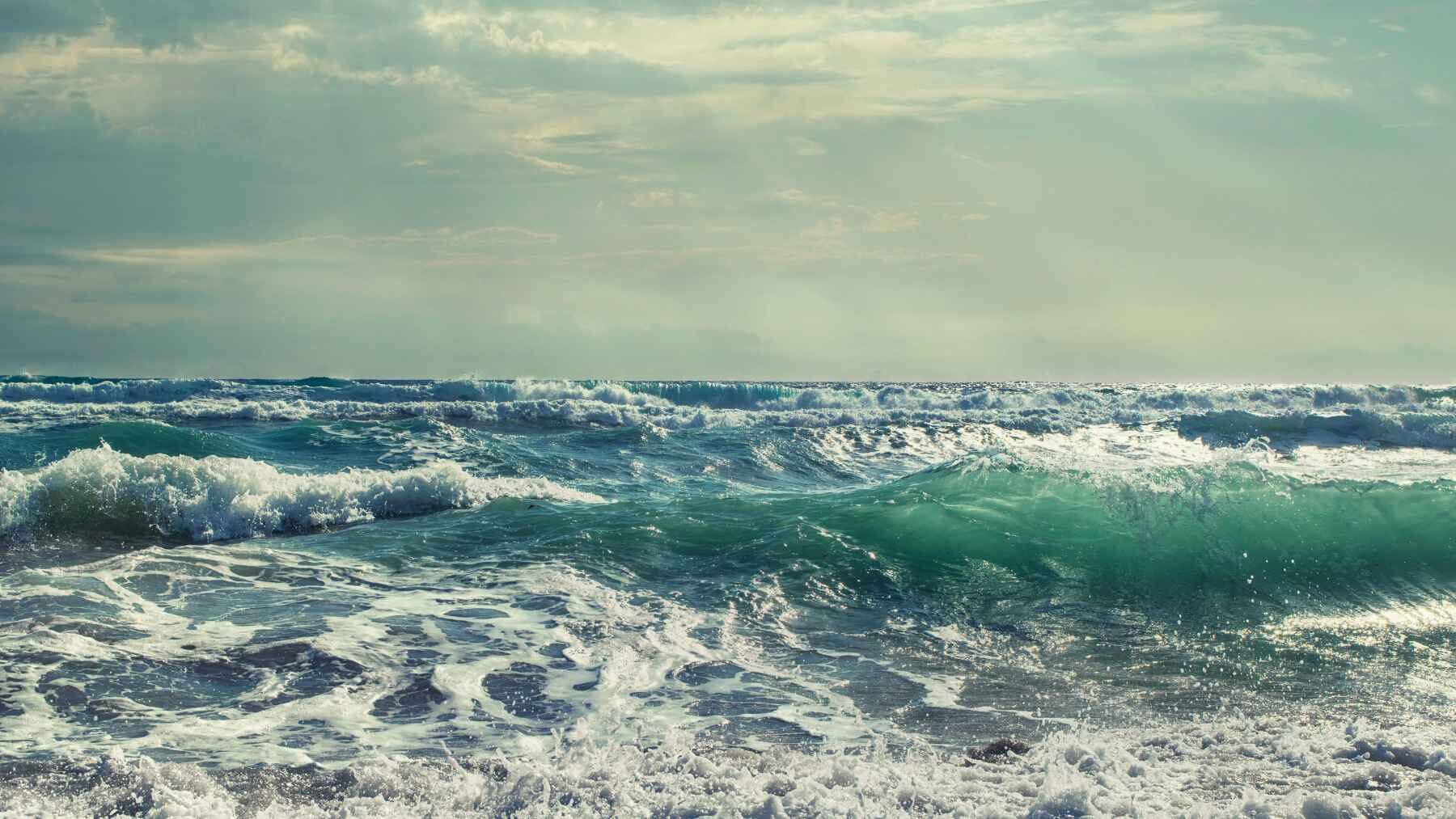
Ocean waves under sunlight illustrating how seas absorb heat and carbon emissions

For decades, the ocean has been the great silent hero of the climate, absorbing nearly 30% of human-generated CO₂ and most of the heat, but at the 2026 Bonn conference, it became clear that this “blue defense” is already taking its toll

—
July 8, 2026 at 1:00 PM
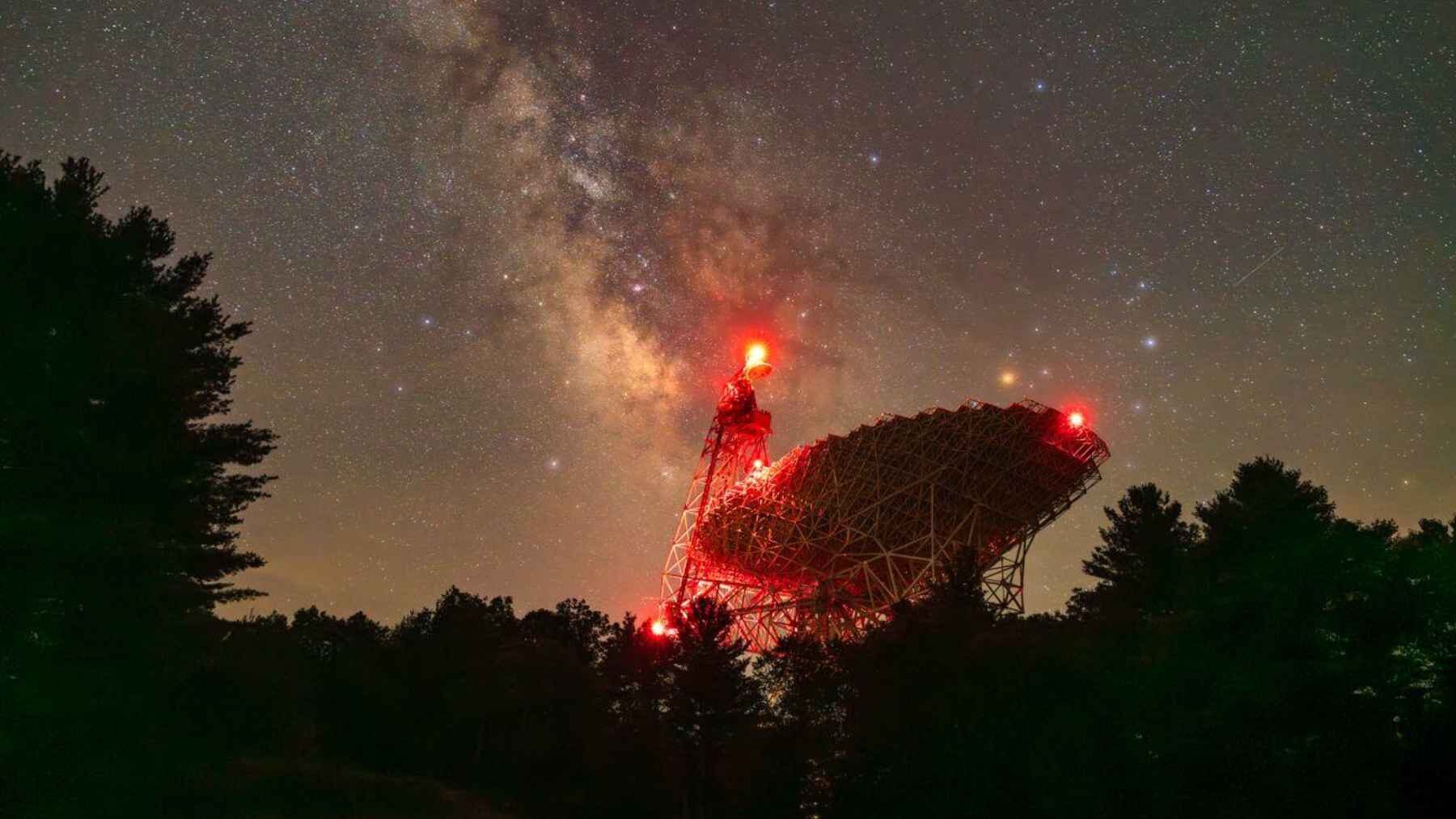
Green Bank Telescope tracking deep space signals under the Milky Way during Artemis II mission

An Earth-based telescope turned the Artemis II crew into a handful of pixels from more than 200,000 miles away, and the twist is that the 328-foot Green Bank Telescope tracked the capsule with precision down to 0.008 inches per second

—
July 8, 2026 at 7:00 AM
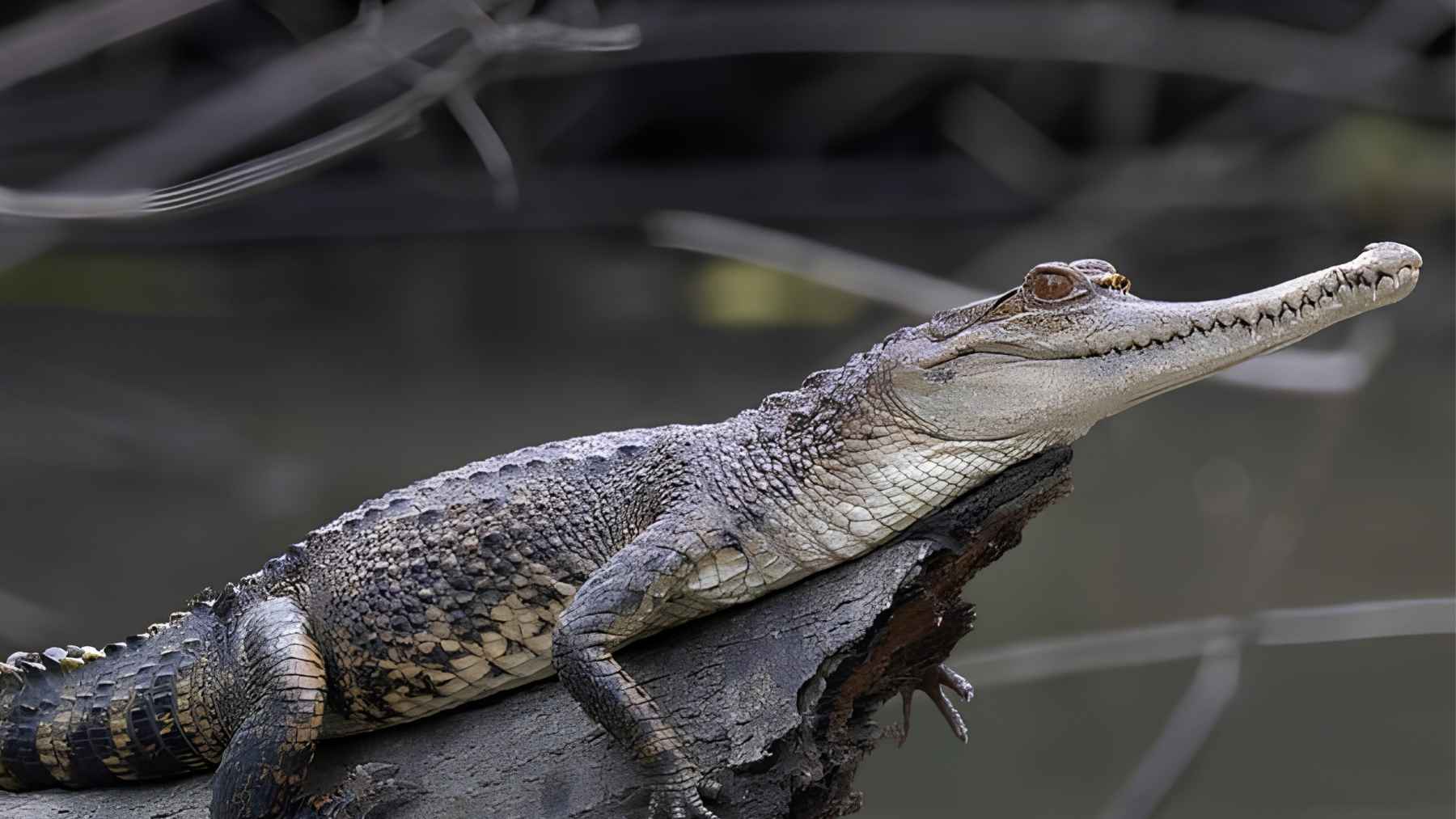
West African slender-snouted crocodile resting on a tree trunk above a forest river

One of Africa’s rarest crocodiles survives in the murky rivers of Ivory Coast, and, according to estimates by conservation experts, fewer than 500 adult specimens remain in the wild

—
July 7, 2026 at 10:26 AM
Portrait of Elliott Smith, whose legacy is honored with the official naming of minor planet 861969 Elliottsmith.

Almost 20 years after his death, Elliott Smith, born on August 6, 1969, has just received a very unusual tribute: a minor planet discovered in 2014 will officially bear his name in the solar system

—
July 5, 2026 at 7:30 PM
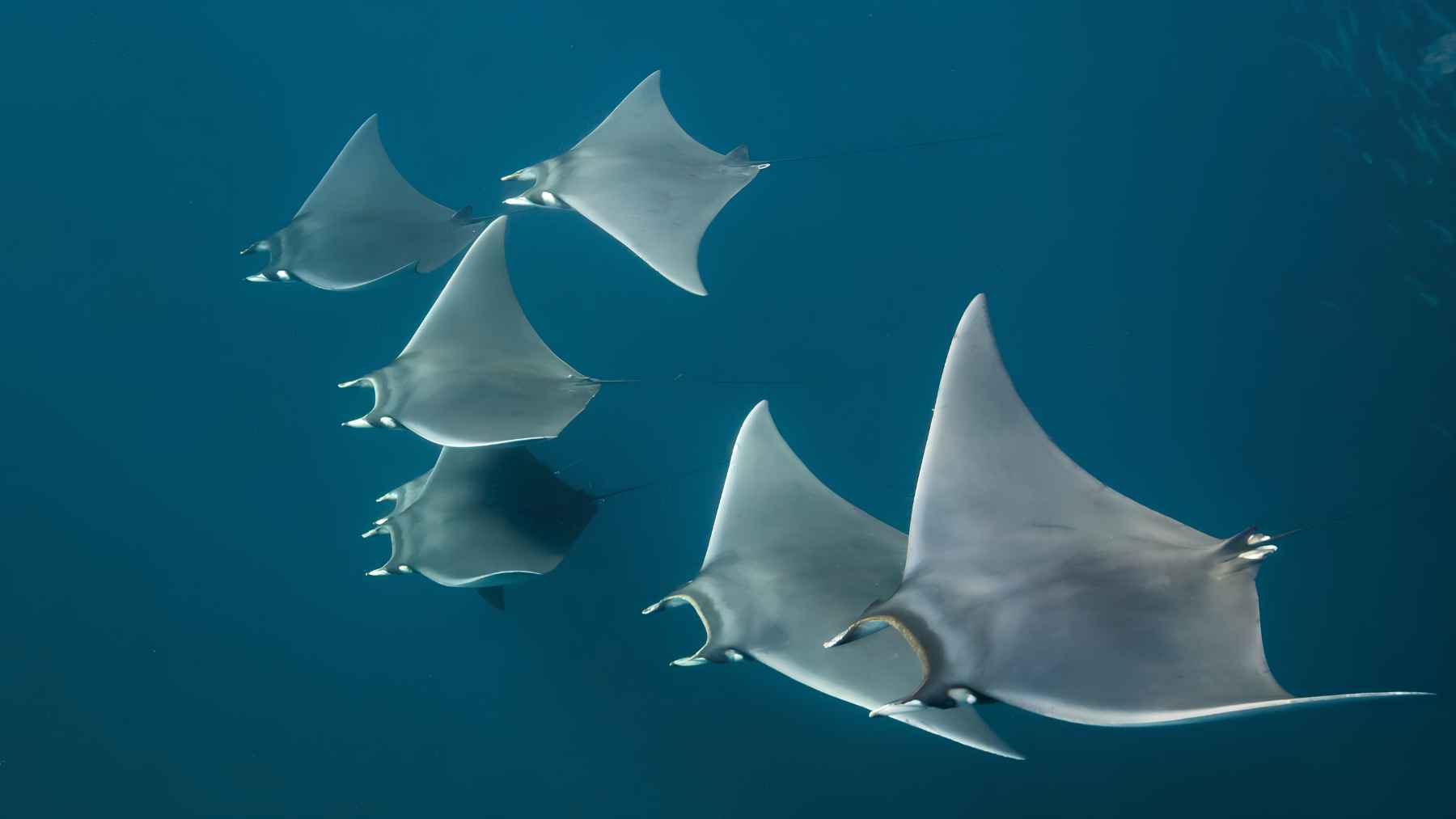
Group of bat rays swimming underwater showing social behavior linked to chemical warning signals

A frightened bat ray could warn the others without making a sound or splashing, by releasing a chemical signal into the water that its neighbors detect within seconds

—
July 5, 2026 at 3:00 PM
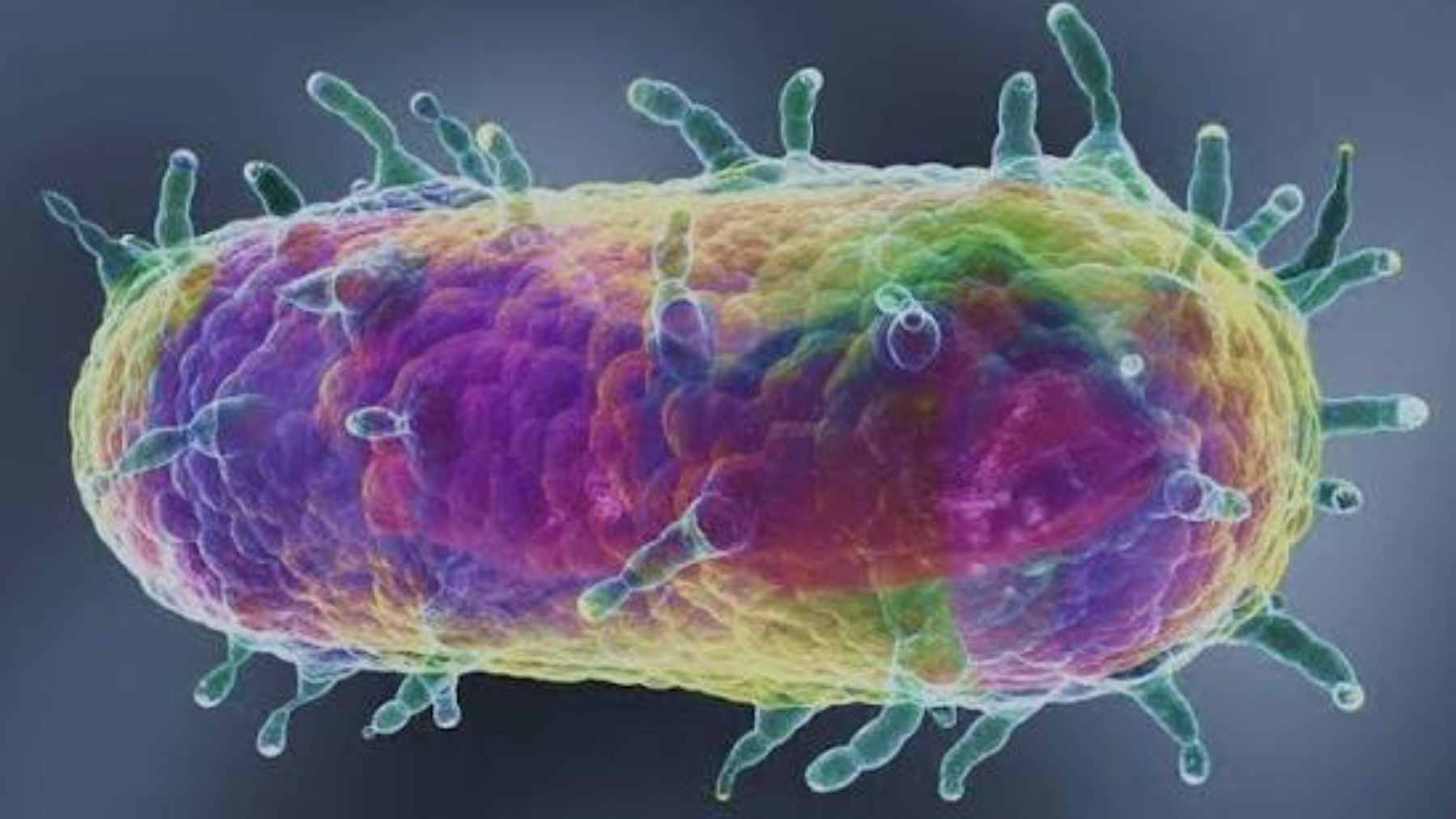
Ancient dental remains from a Siberian excavation site used by researchers to identify prehistoric traces of the Yersinia pestis bacterium.

The plague may have claimed the lives of children in hunter-gatherer communities in Siberia 5,500 years ago, long before medieval cities, flea-infested rats, and the dreaded Black Death existed

—
July 5, 2026 at 4:30 AM
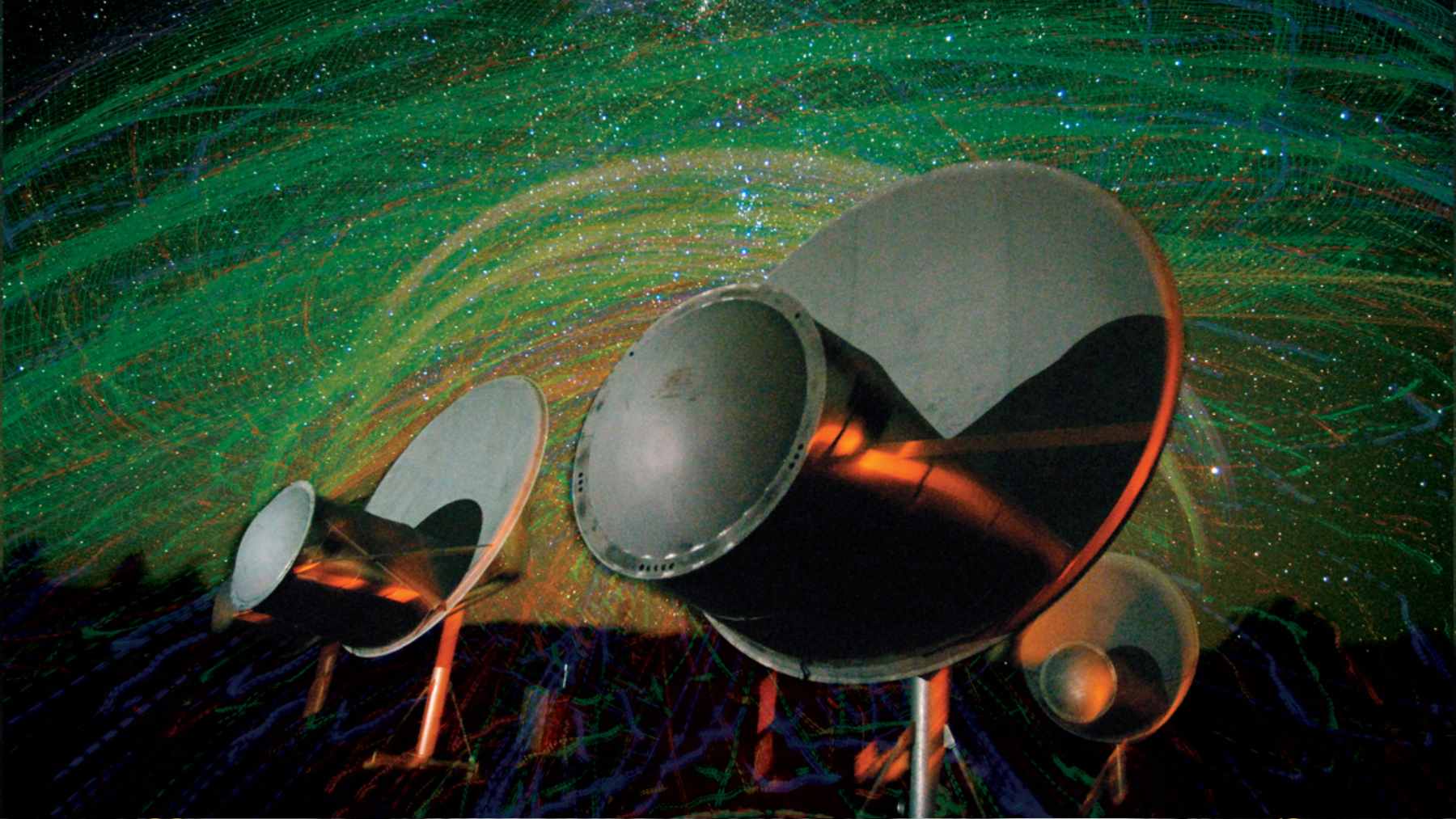
The Allen Telescope Array in Northern California monitoring the interstellar comet 3I/ATLAS for potential technosignatures.

SETI tracked the interstellar comet 3I/ATLAS for more than 7 hours and analyzed nearly 74 million radio signals; the results point to something less spectacular, but just as fascinating: a natural comet

—
July 4, 2026 at 8:45 AM
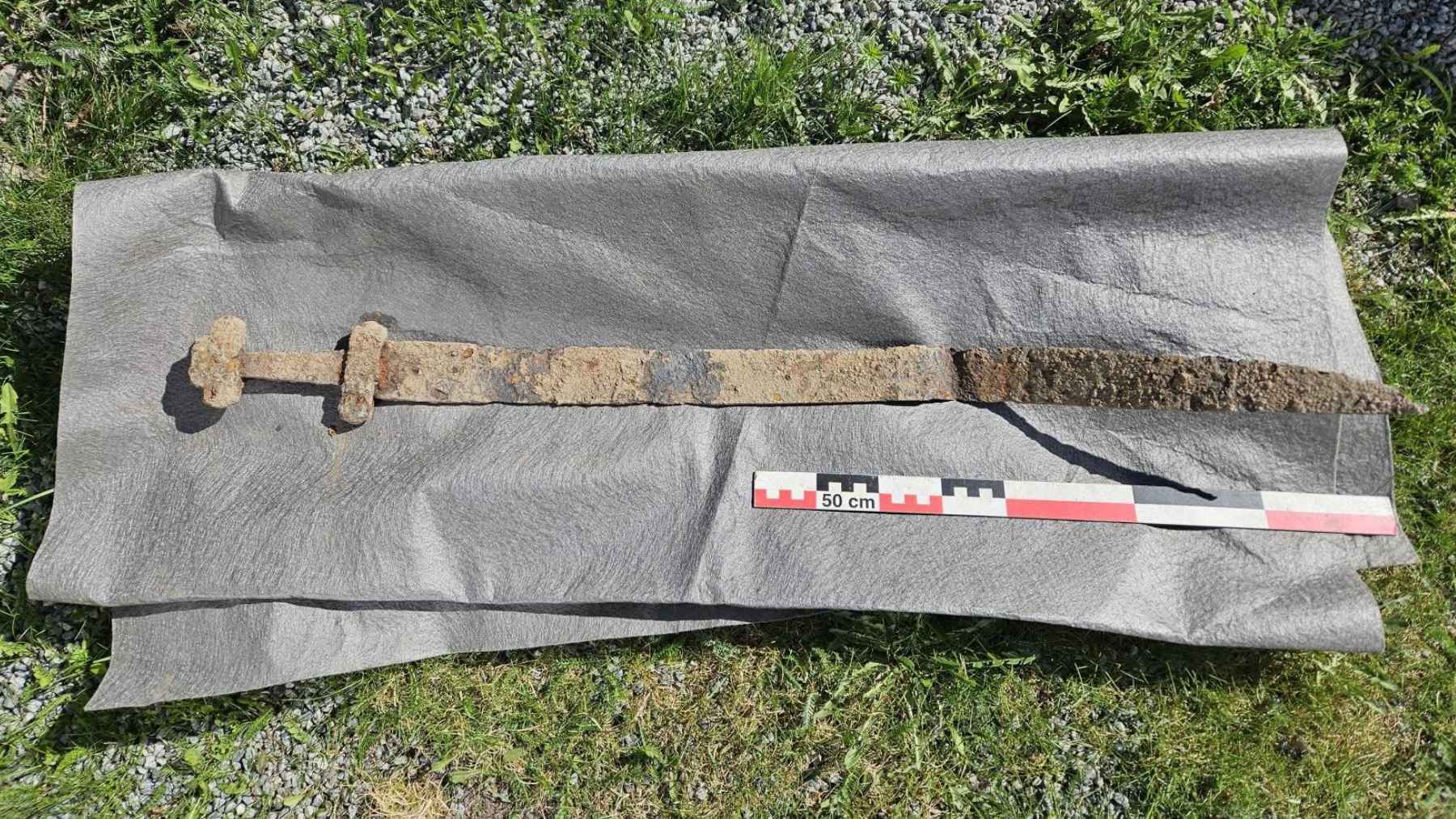
Corroded iron sword laid out after discovery in a field near Brandbu, Norway, where a 6-year-old found the early Viking Age weapon.

A 6-year-old boy was looking for rocks for a school arts-and-crafts project in Norway when he stumbled upon an iron sword that had been buried for about 1,200 years

—
July 3, 2026 at 10:15 AM
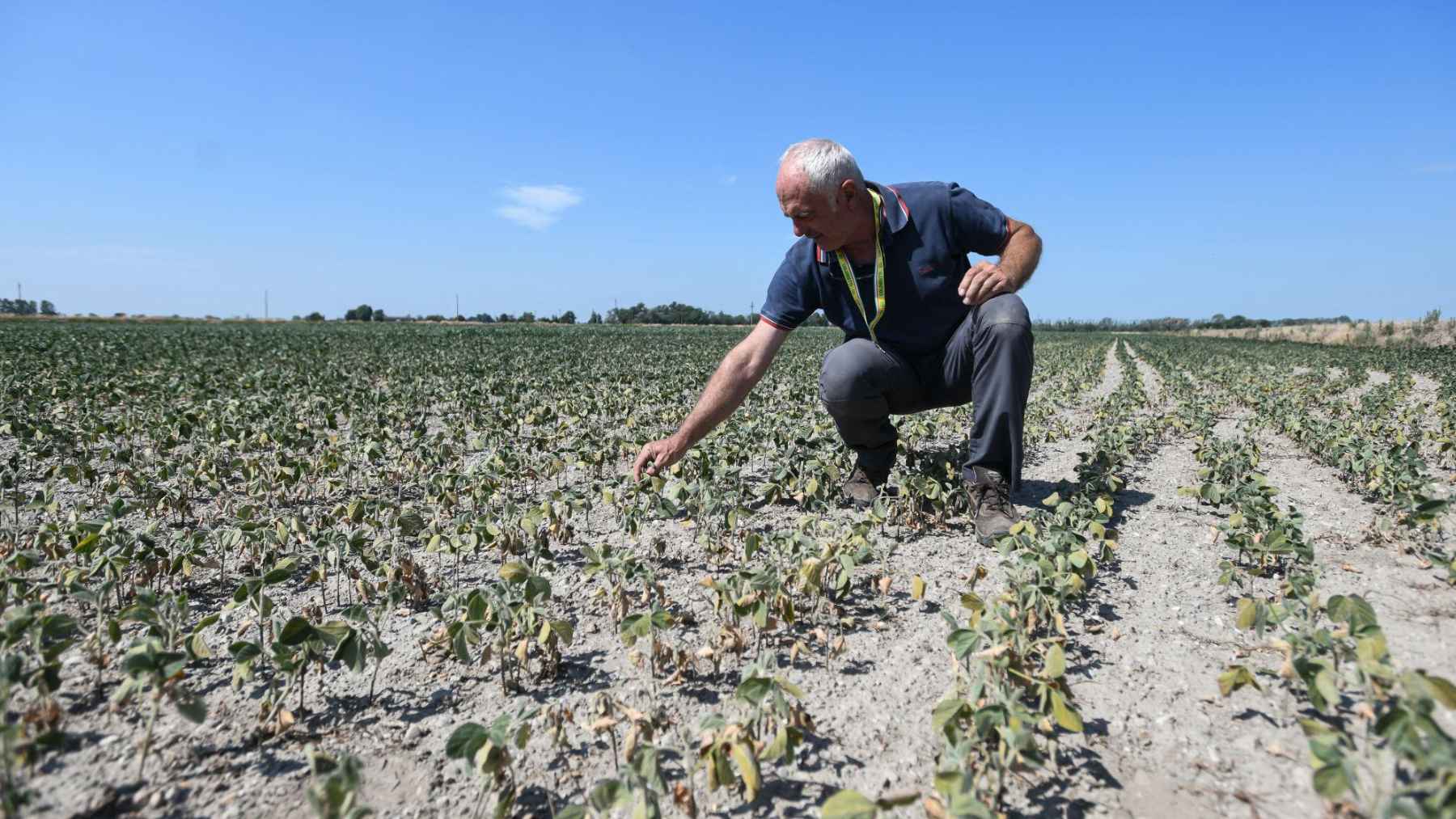
Soybean plants growing in an agricultural field as researchers study how climate change could increase yields while reducing nutritional quality.

A mixed bag for soybean farmers growing the crop in our future climate: higher yields but with poorer nutritional profiles

—
July 3, 2026 at 4:30 AM
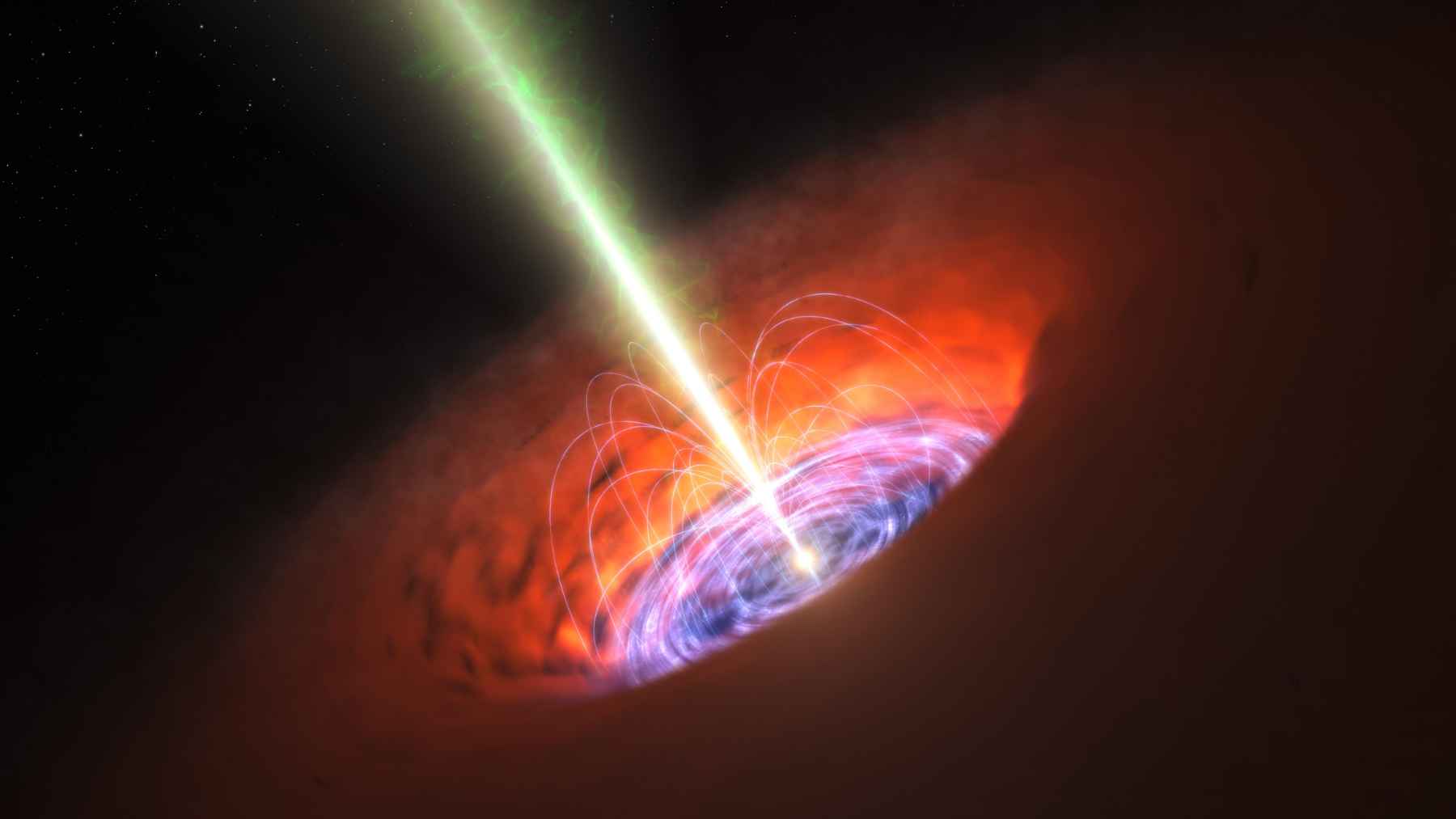
Artist's illustration of a supermassive black hole surrounded by glowing gas, used to explain echo mapping and the search for dark matter.

It all began with a strange echo around 14 giant black holes; scientists now believe it could indicate massive concentrations of dark matter, the mysterious component that makes up 27% of the universe

—
July 2, 2026 at 5:00 PM
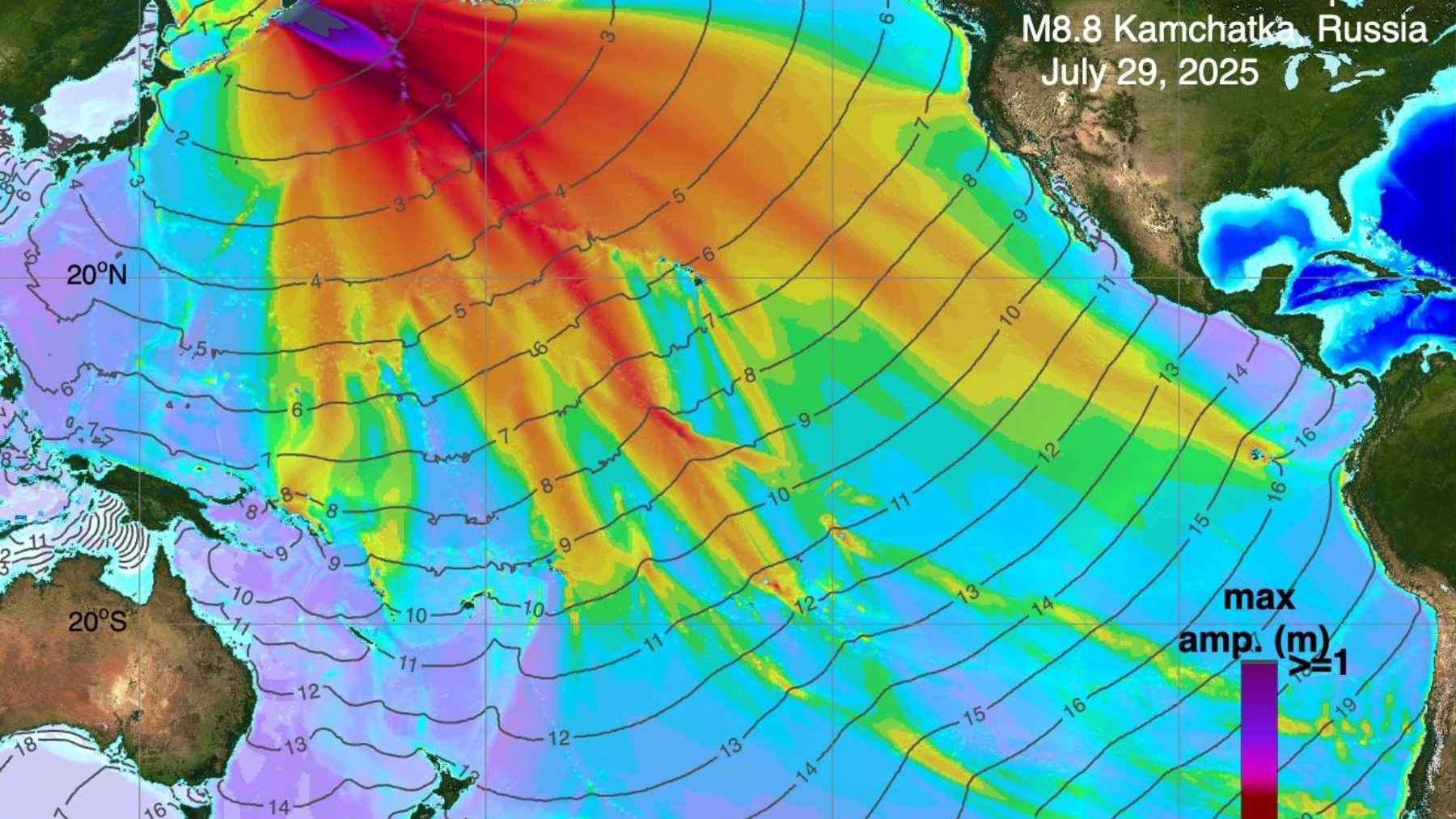
Seismic activity visualization illustrating small earthquakes detected before the magnitude 8.8 Kamchatka earthquake using waveform cross-correlation analysis.

It all began with dozens of small earthquakes that no one detected; now, a 64-page study suggests that they may have been a precursor to the massive 8.8-magnitude earthquake that struck nine days earlier

—
July 2, 2026 at 6:30 AM
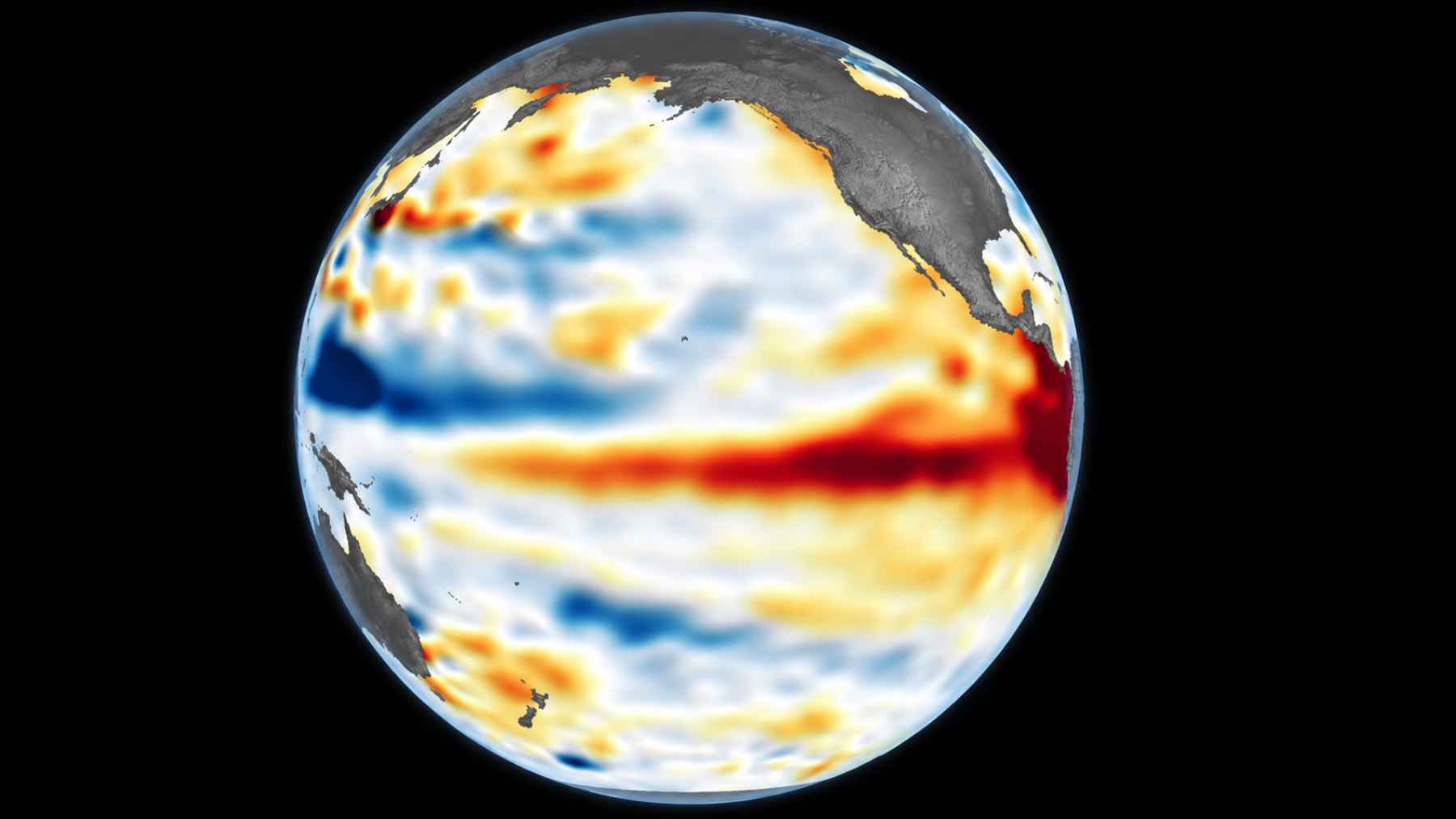
Clean globe visualization showing a band of unusually warm water across the equatorial Pacific linked to El Niño.

The enormous mass of warm water in the Pacific that has just “woken up” and could influence storms, wildfires, monsoons, and temperatures through 2027

—
July 1, 2026 at 7:30 PM
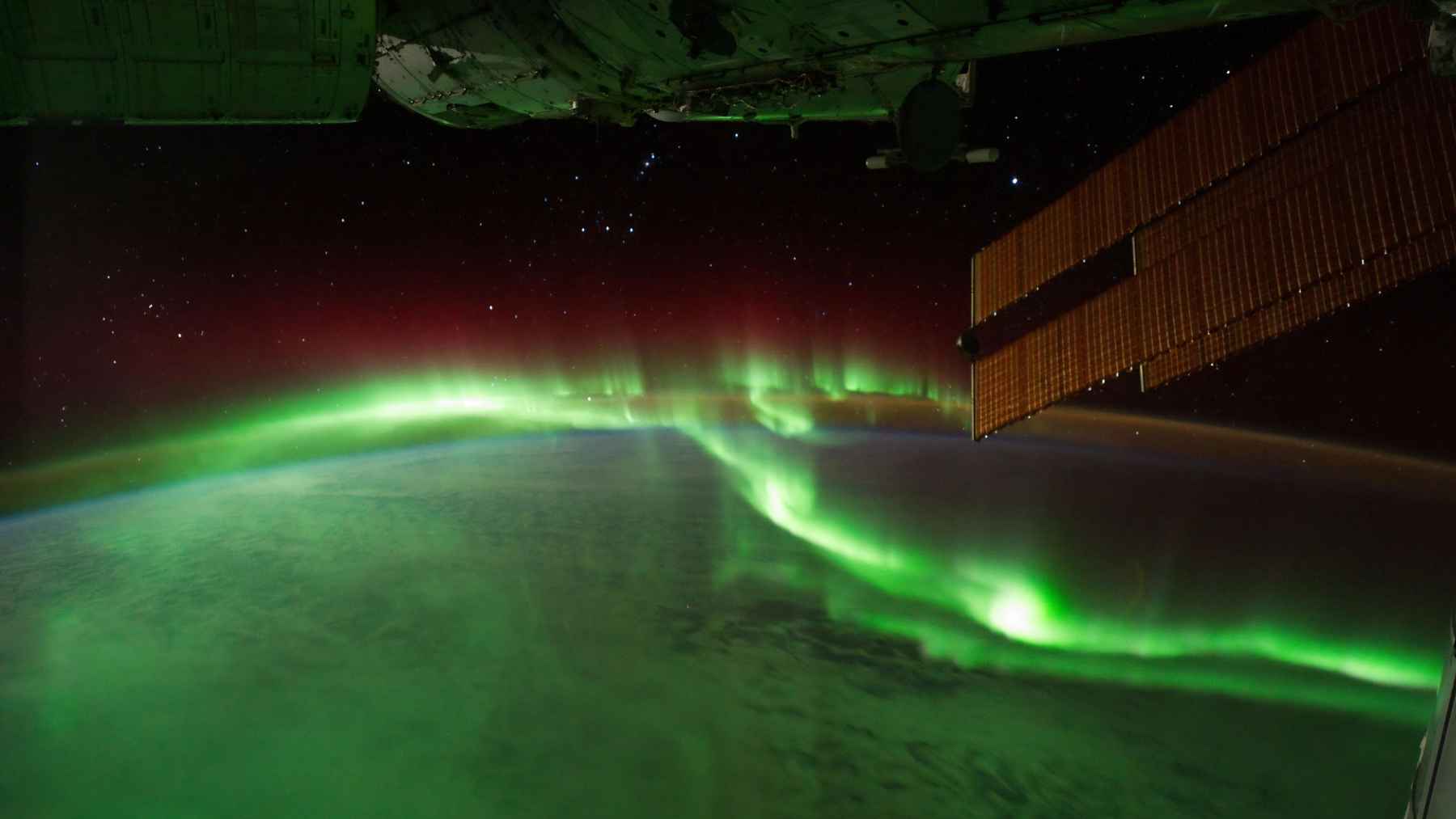
Green aurora australis glowing above Earth as the International Space Station passes over the planet at night.

A NASA astronaut filmed the southern lights swirling like neon paint, turning orbital night into a free light show

—
July 1, 2026 at 10:15 AM
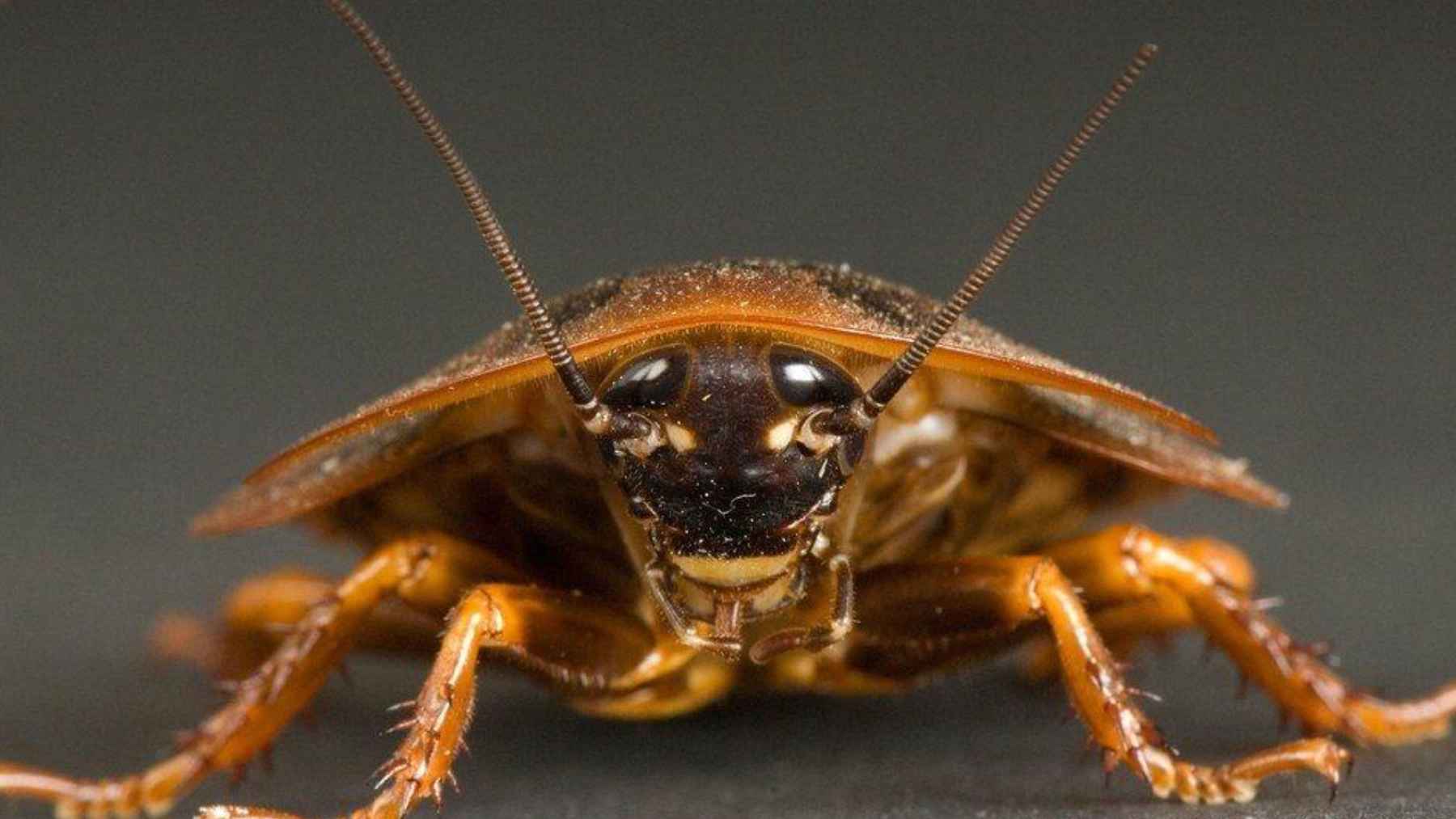
Macro close-up of a cockroach facing the camera, used to illustrate research on bacterial DNA fragments embedded in cockroach genomes.

Cockroaches already seemed indestructible, but a new genomic study has just revealed something even stranger: they harbor thousands of fragments of bacterial DNA hidden within their own genome

—
July 1, 2026 at 6:30 AM
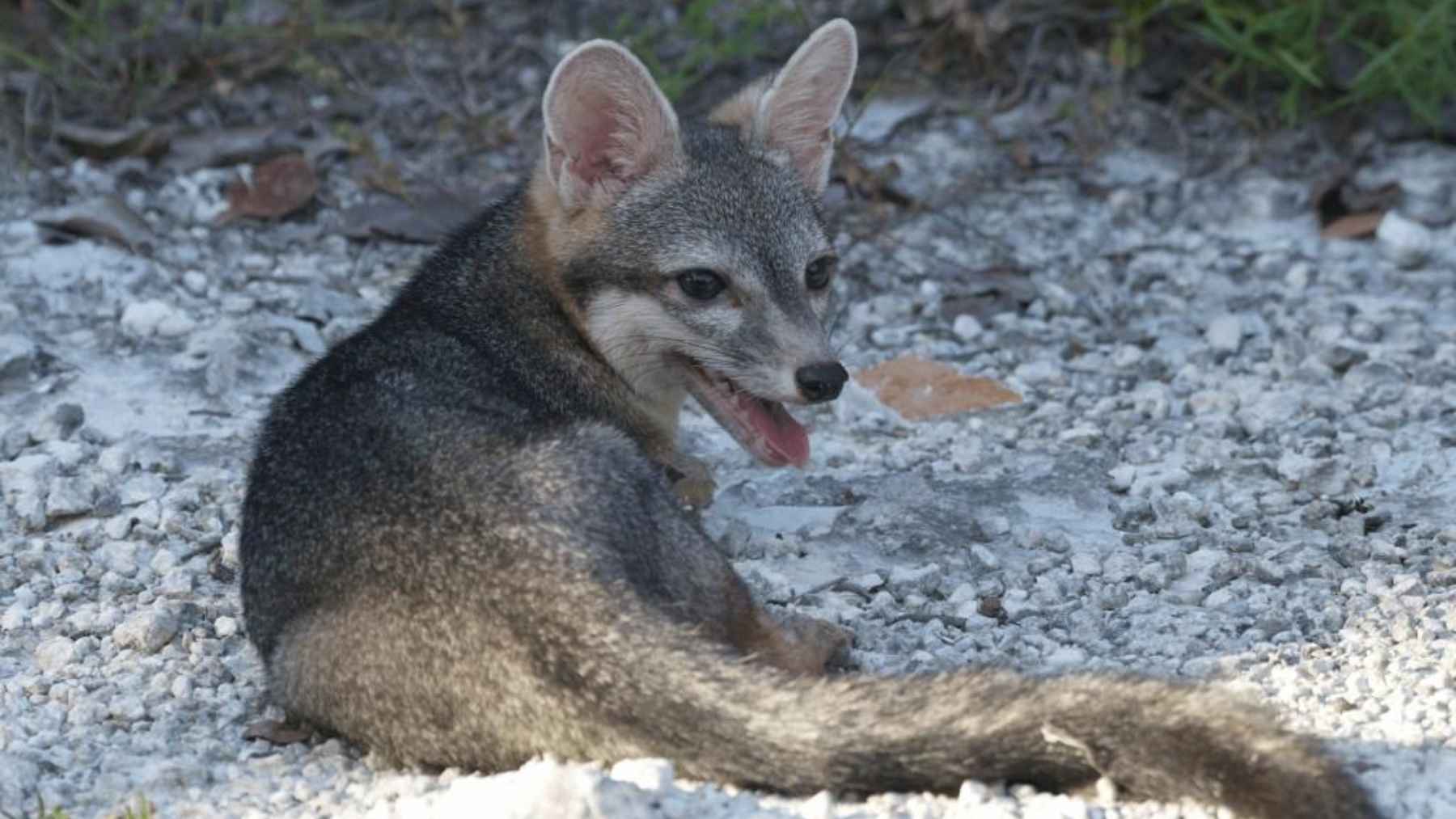
Cozumel dwarf fox resting on pale limestone ground in Cozumel, Mexico, in the first confirmed modern photograph of the rare canid.

An animal about the size of a small house cat has just caused quite a stir in Mexico after becoming the first known photographic evidence of the mysterious Cozumel dwarf fox

—
July 1, 2026 at 4:24 AM
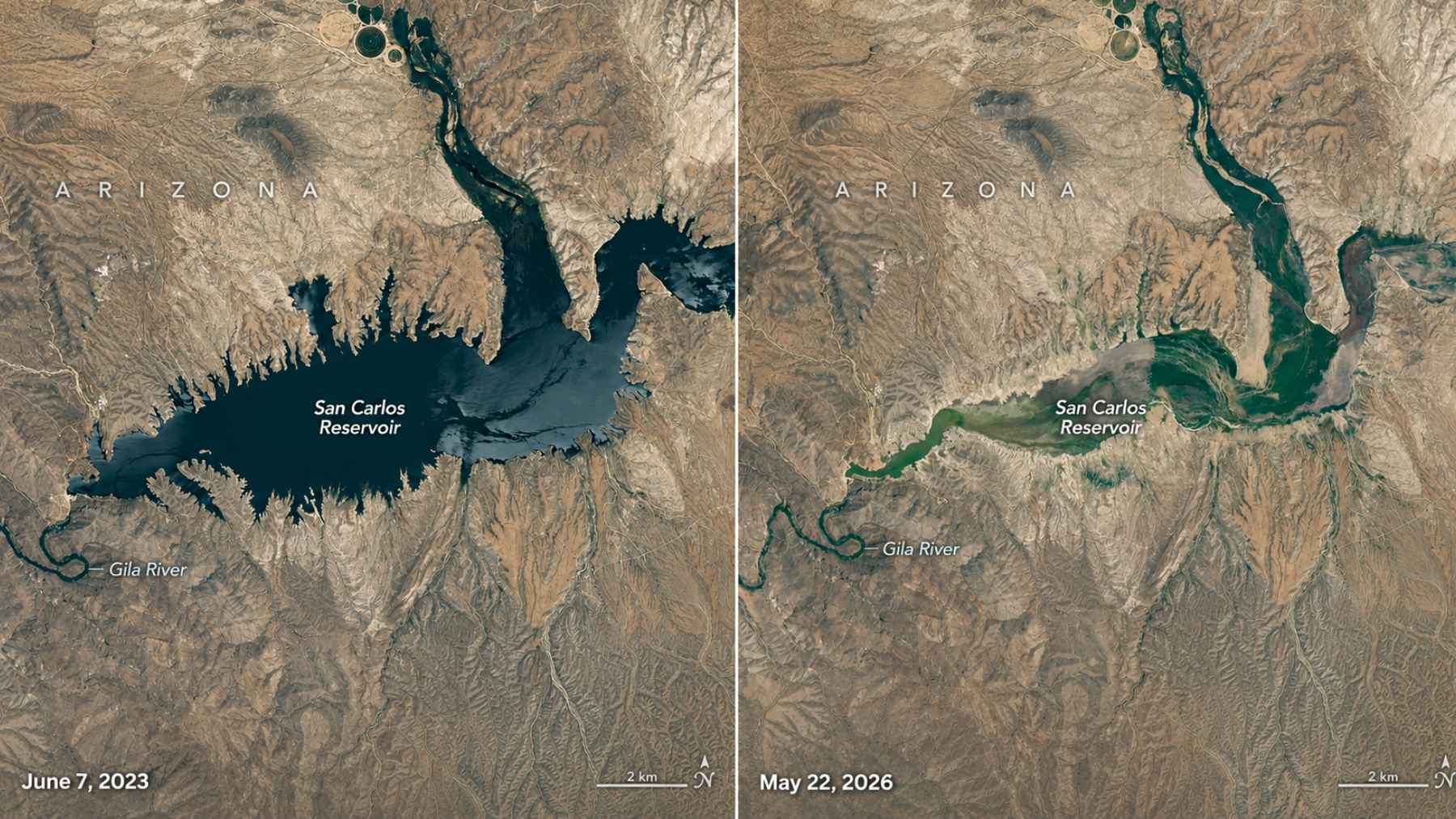
Side-by-side satellite comparison of San Carlos Reservoir in Arizona, showing much higher water levels in June 2023 and severe shrinkage by May 2026.

NASA photos reveal San Carlos Reservoir shrinking to a mud-ring, visual proof that drought plus demand equals trouble

—
June 30, 2026 at 12:30 PM
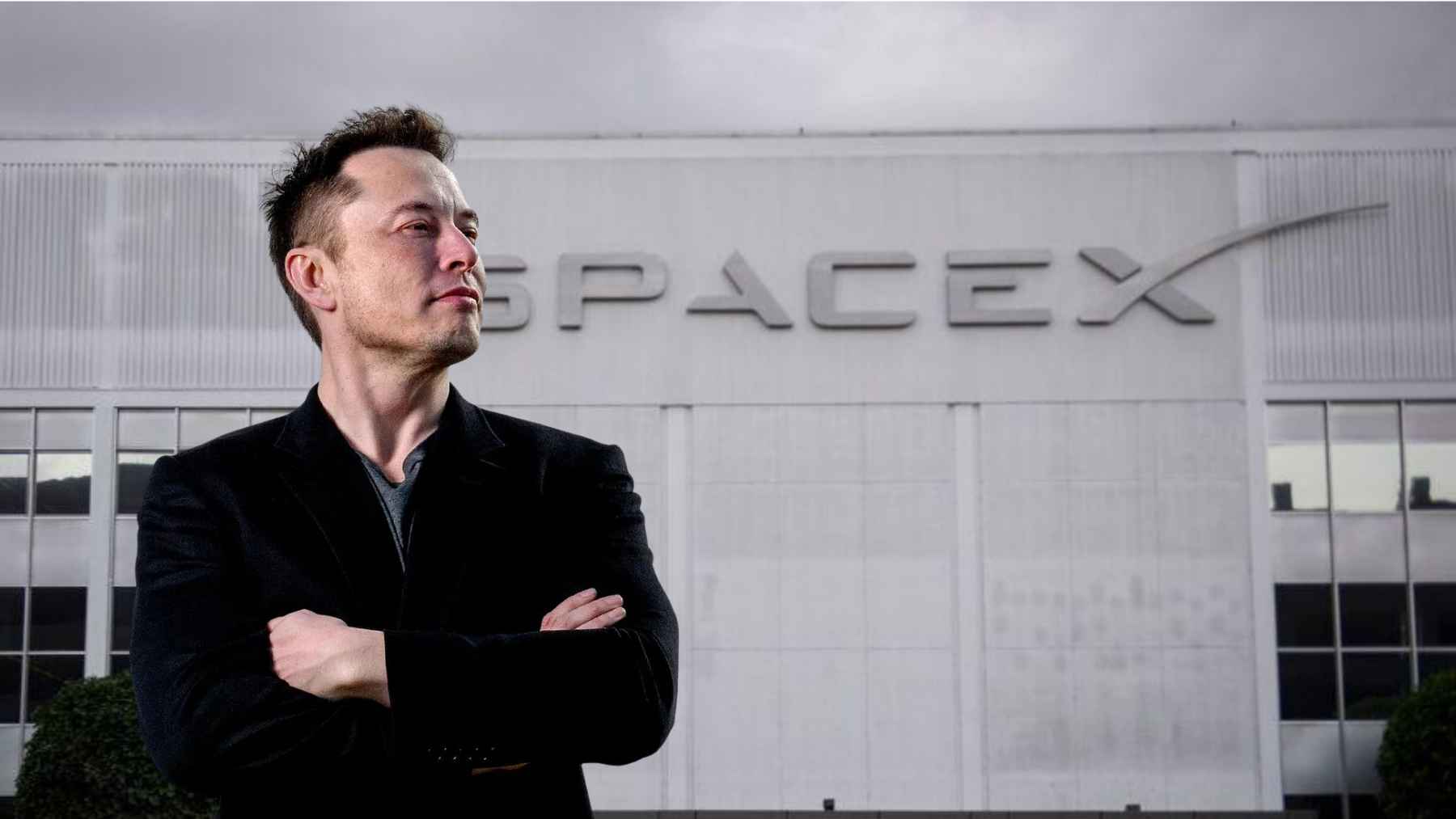
Elon Musk stands in front of SpaceX headquarters in Hawthorne, California, as the company pushes deeper into AI and market expansion.

SpaceX’s valuation keeps rocketing, raising eyebrows about how high a private company can fly before gravity bites

—
June 30, 2026 at 4:30 AM
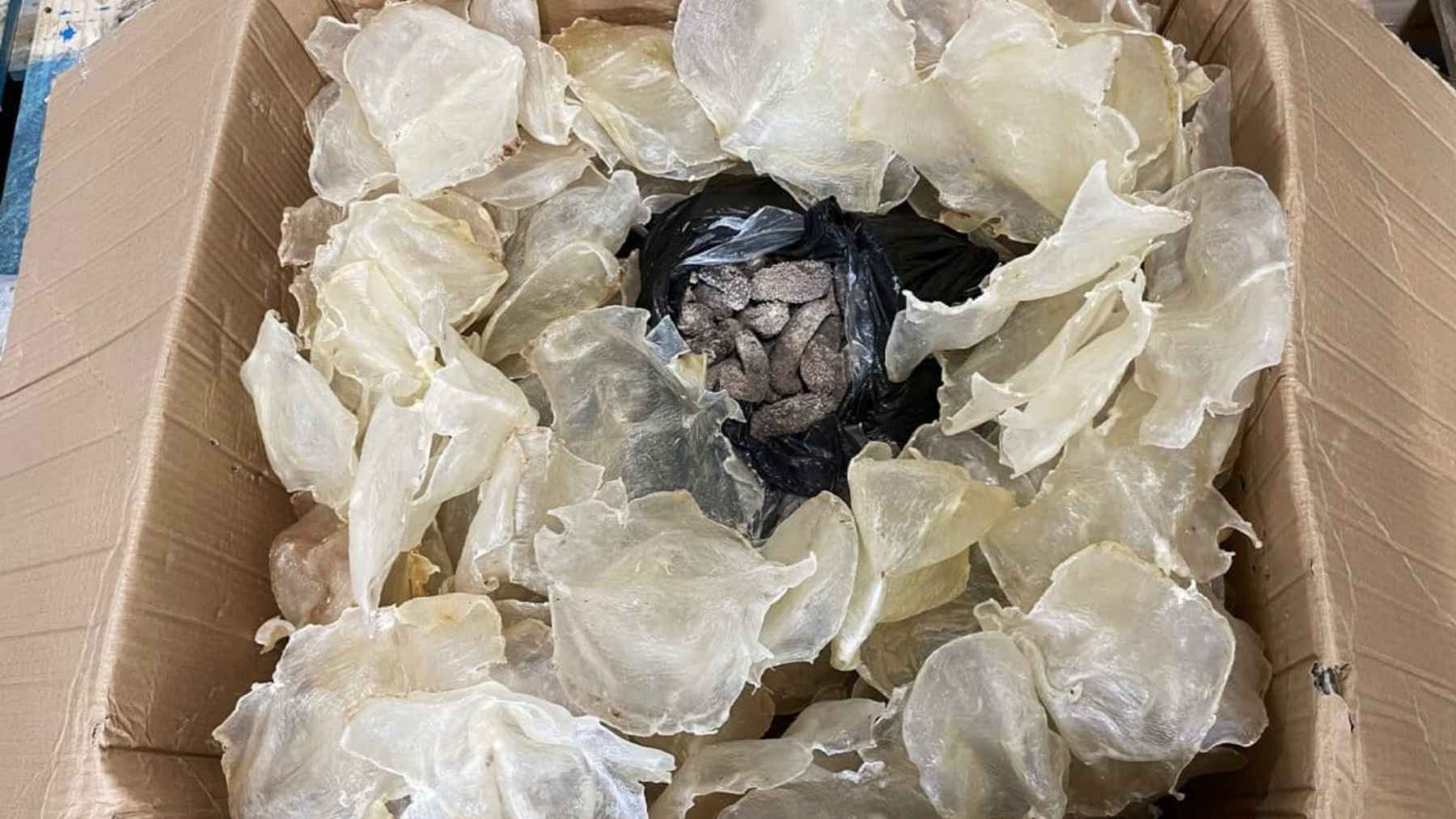
Box of smuggled shark fins hiding illegal marine wildlife products inside a shipment

Traffickers’ new nightmare: Artificial intelligence detects shark fins hidden in suitcases with 95% accuracy

—
June 28, 2026 at 12:30 PM
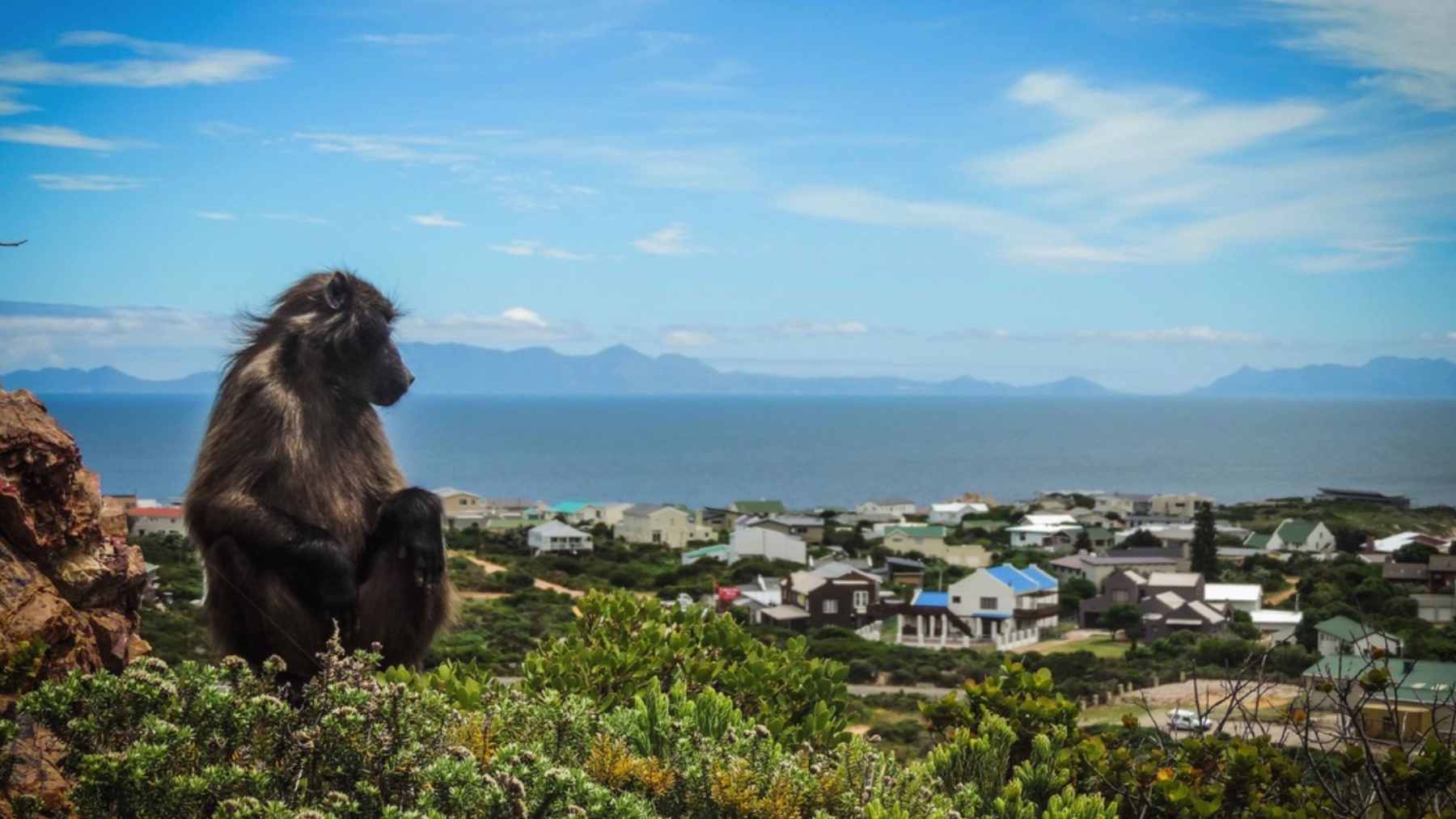
A wild chacma baboon sitting on a residential fence in Rooiels, South Africa, while residents maintain a cautious distance.

Rooiels surprises the world with a herd of 47 baboons that appears without warning, forcing residents to lock their doors, while demonstrating that coexistence between humans and wildlife is still possible in the 21st century

—
June 28, 2026 at 8:45 AM
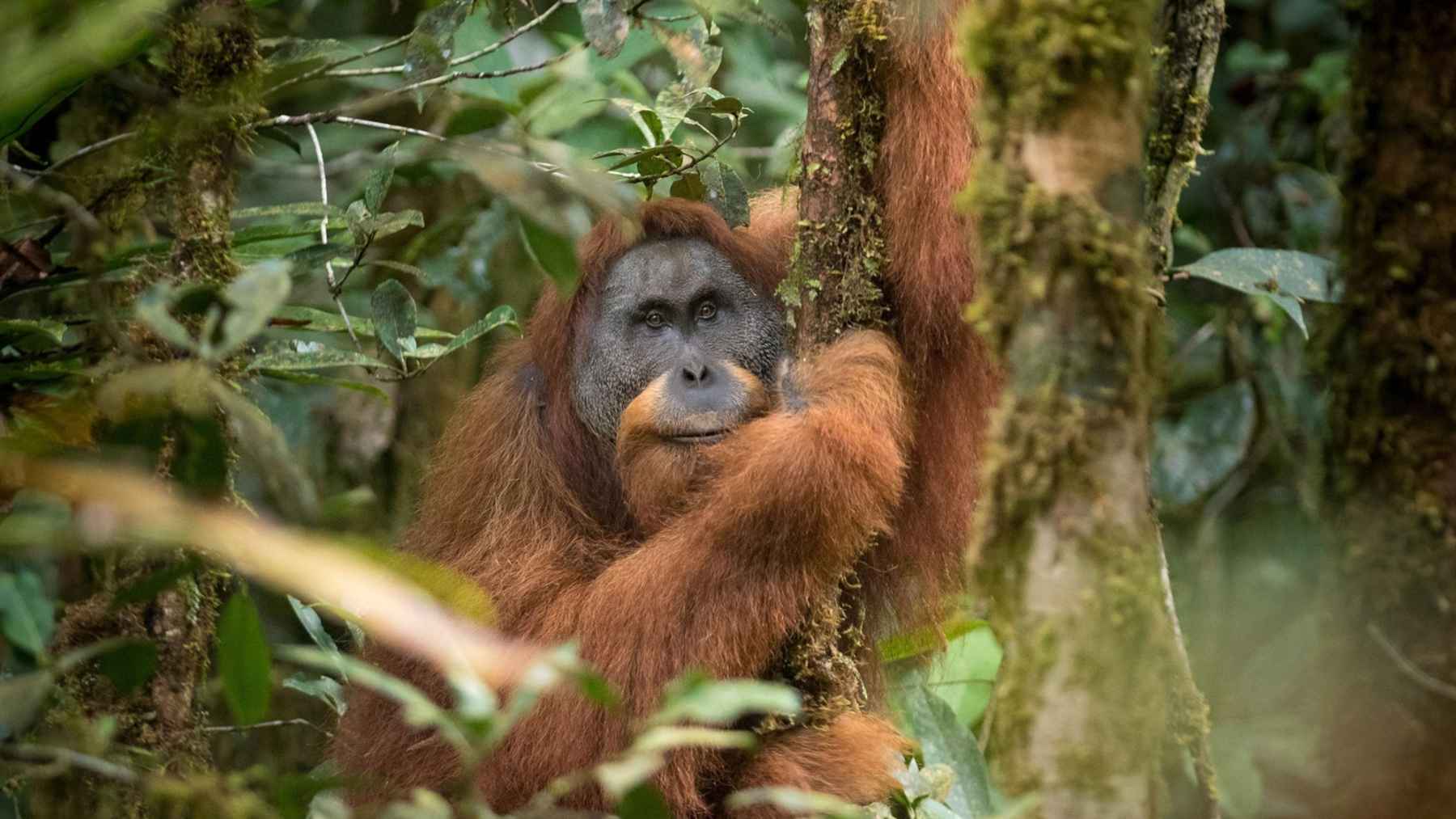
Tapanuli orangutan in the Batang Toru rainforest, the only place where the rare ape survives

Landslides triggered by wild weather killed 58 ultra-rare orangutans, showing climate change doesn’t play fair

—
June 27, 2026 at 7:32 PM
Previous Next