


Adrian Villellas

Adrián Villellas is a computer engineer and entrepreneur in the fields of digital marketing and advertising technology. He has led projects in data analysis, sustainable advertising, and solutions for new audiences. He also contributes to scientific initiatives related to astronomy and space observation. He writes for science, technology, and environmental media outlets, where he makes complex topics and innovative advances accessible to a broad audience.
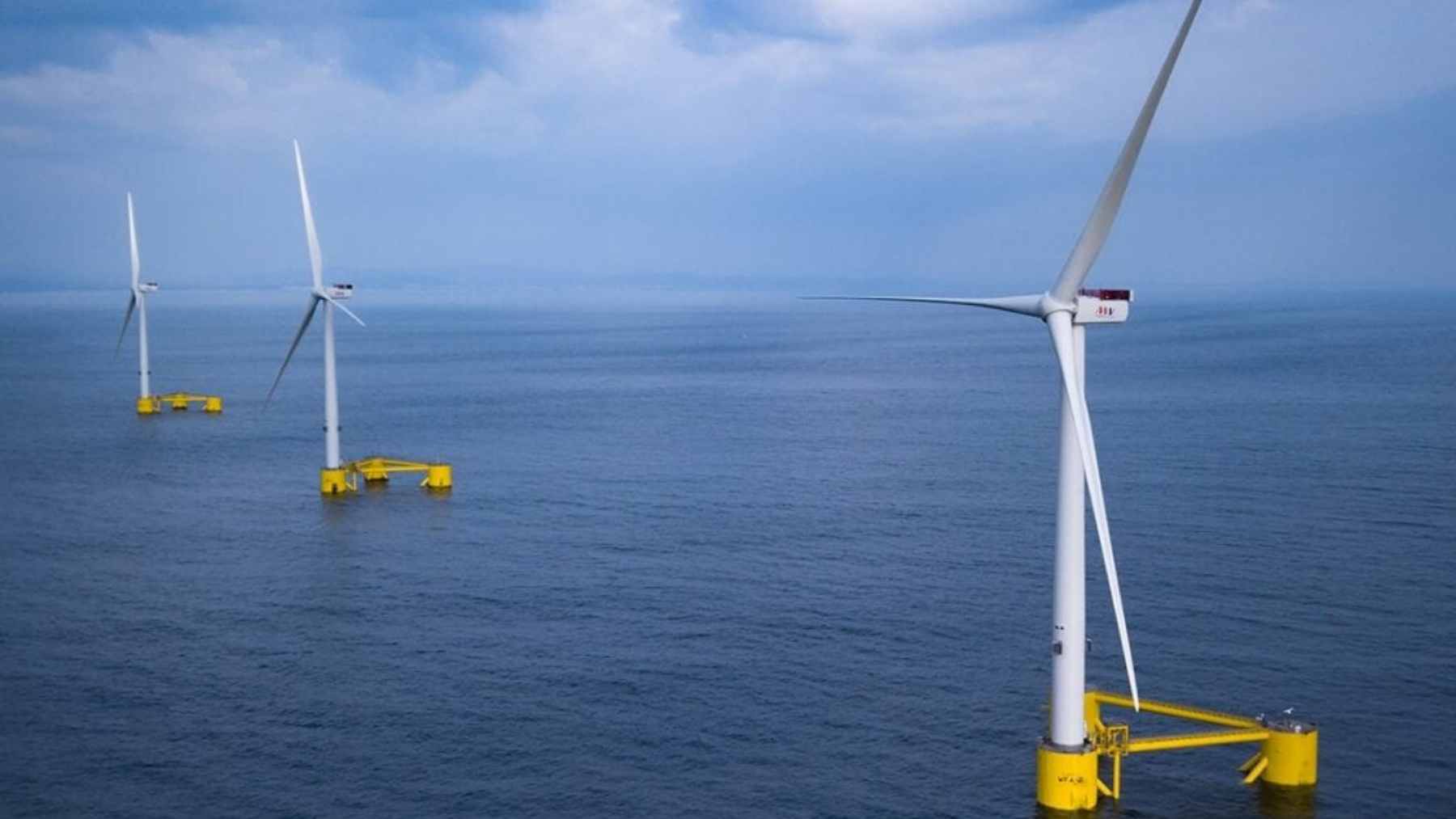
Floating wind turbine platforms at the WindFloat Atlantic project, serving as an artificial reef for marine life off the Portuguese coast.

An offshore wind farm in Portugal became a haven for octopuses and 270 other species in just eight years, a data point that reframes how energy and ocean life can coexist

—
June 8, 2026 at 8:45 AM
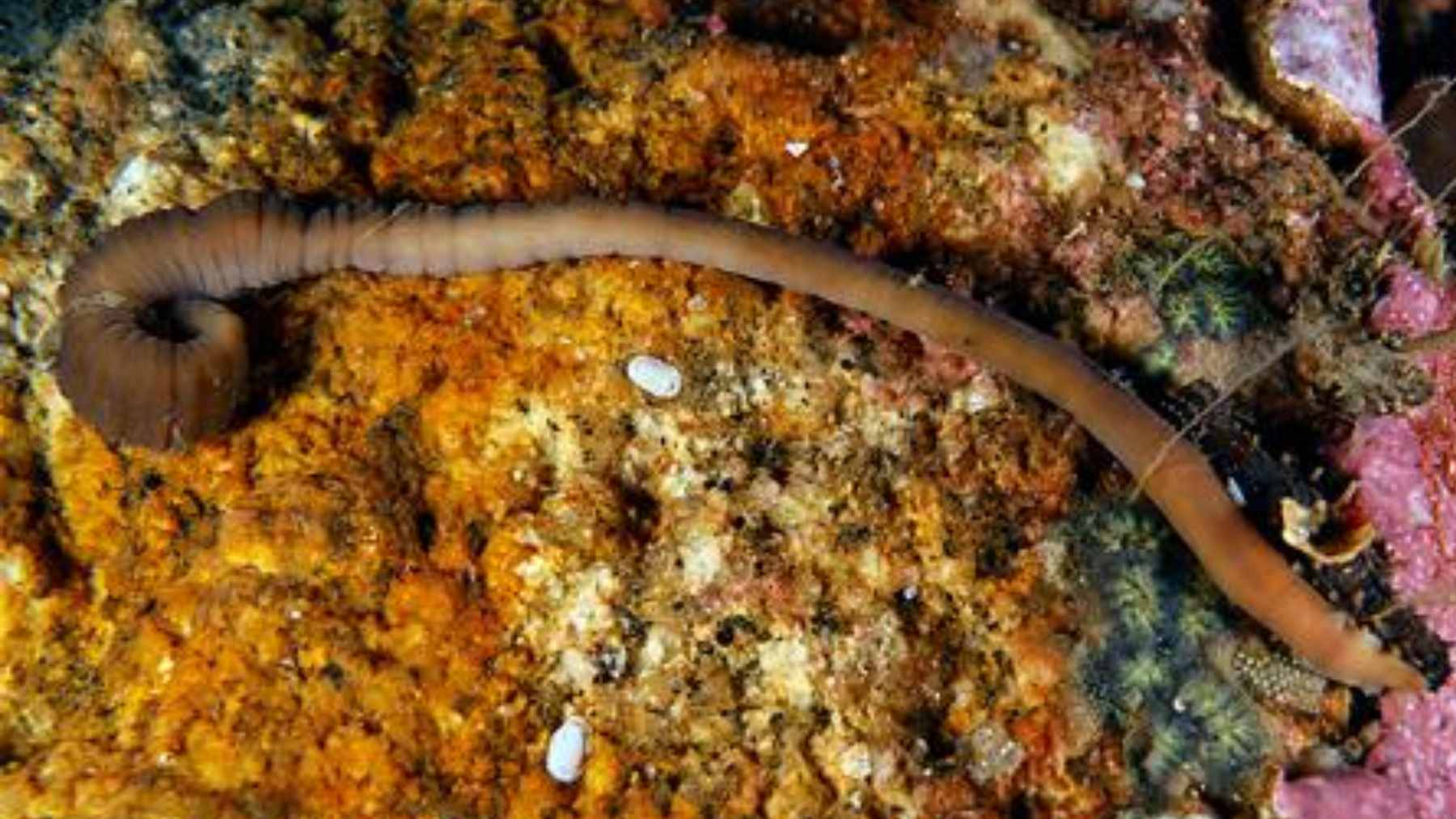
Close-up of the accordion worm (Pararosa vigarae) showing its characteristic ringed body structure while contracted.

First images show a ribbon worm that folds like an accordion, and Pararosa vigarae looks like sci-fi even though it lives in the real ocean

—
June 7, 2026 at 3:00 PM
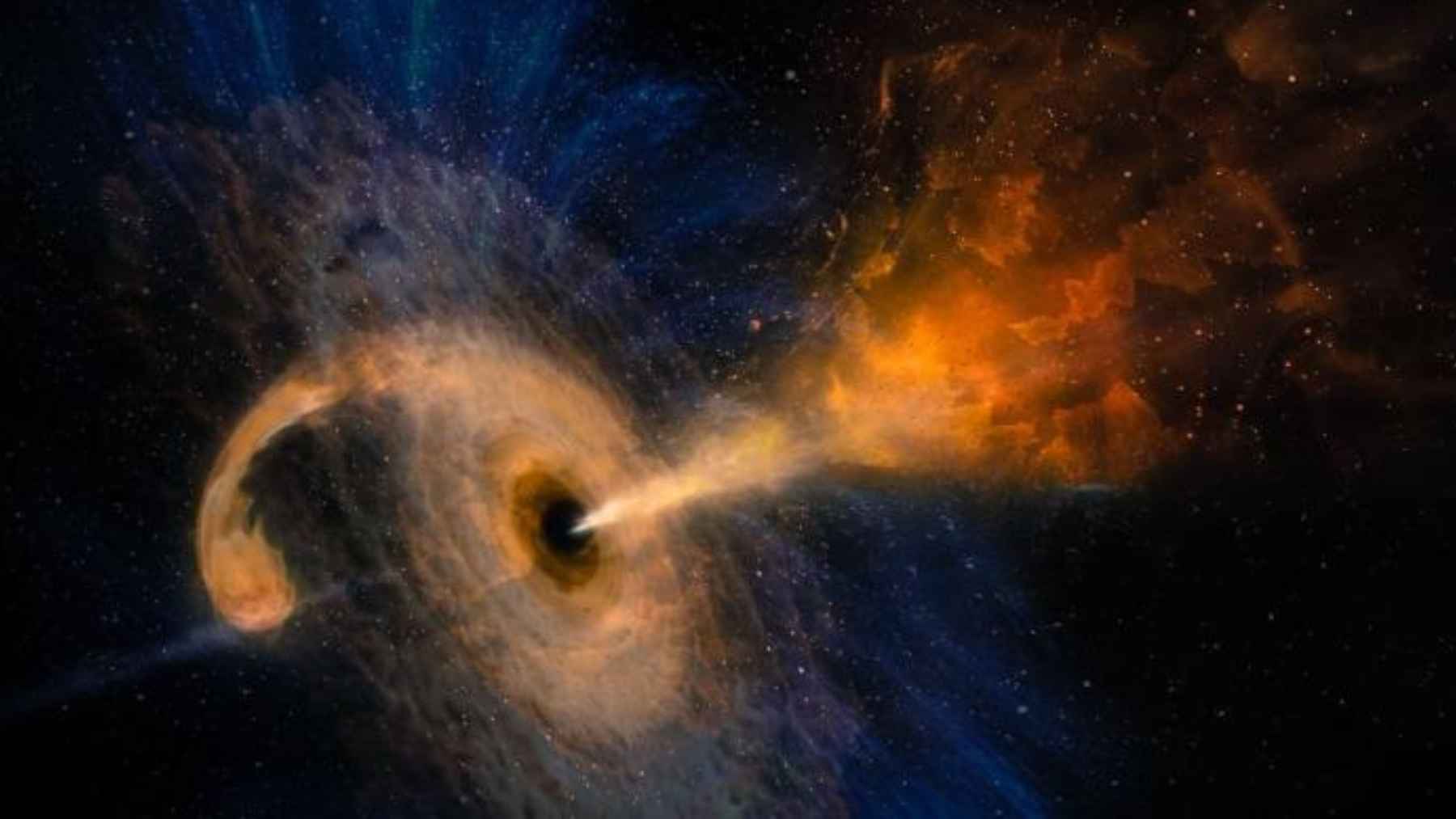
Visualization of the universe and distant galaxies related to a theory proposing a 27 billion-year-old cosmos without dark matter.

An astrophysicist argues dark matter doesn’t exist and the universe is 27 billion years old, a controversial theory trying to fit data that won’t sit still in the standard model

—
June 7, 2026 at 10:15 AM
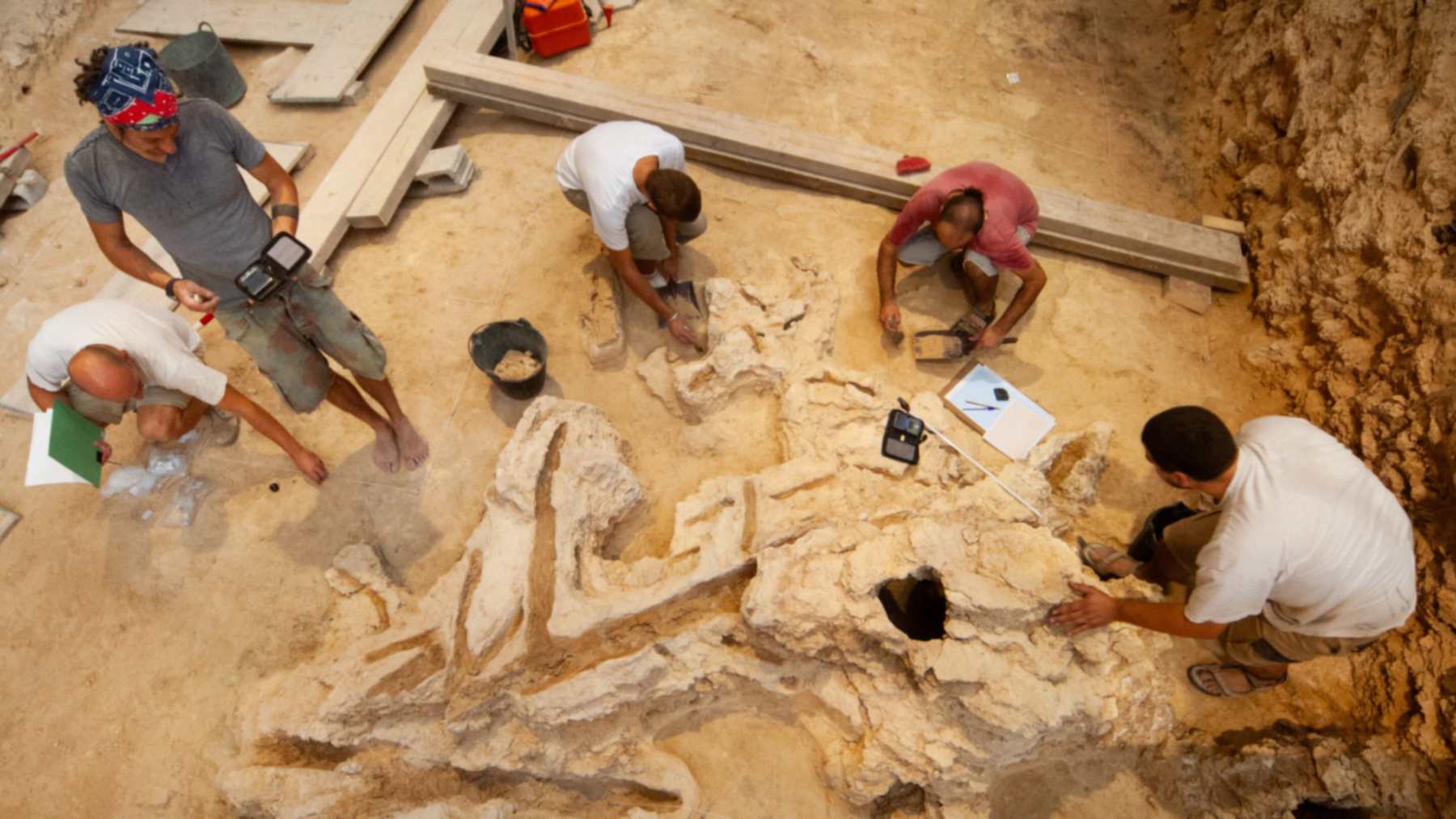
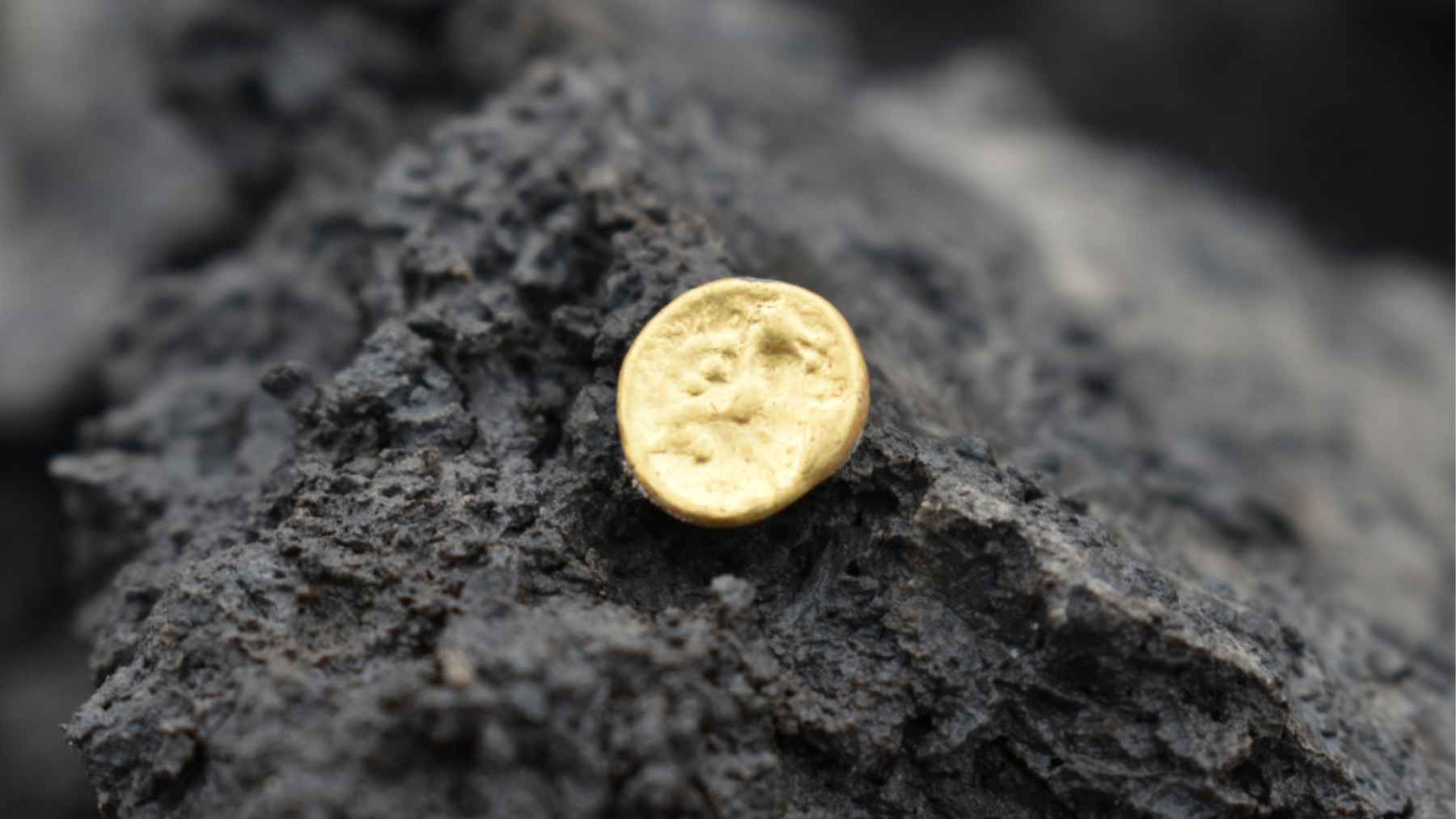
A small Celtic gold coin found in soil during an archaeological discovery near the D35 highway in the Czech Republic.

What started as a routine highway survey near Hradec Králové turned into one of Bohemia’s biggest Celtic finds, a 62-acre settlement where archaeologists pulled up gold and silver coins, Baltic amber, and workshops that suggest a production center, not just a stopover

—
June 6, 2026 at 3:00 PM
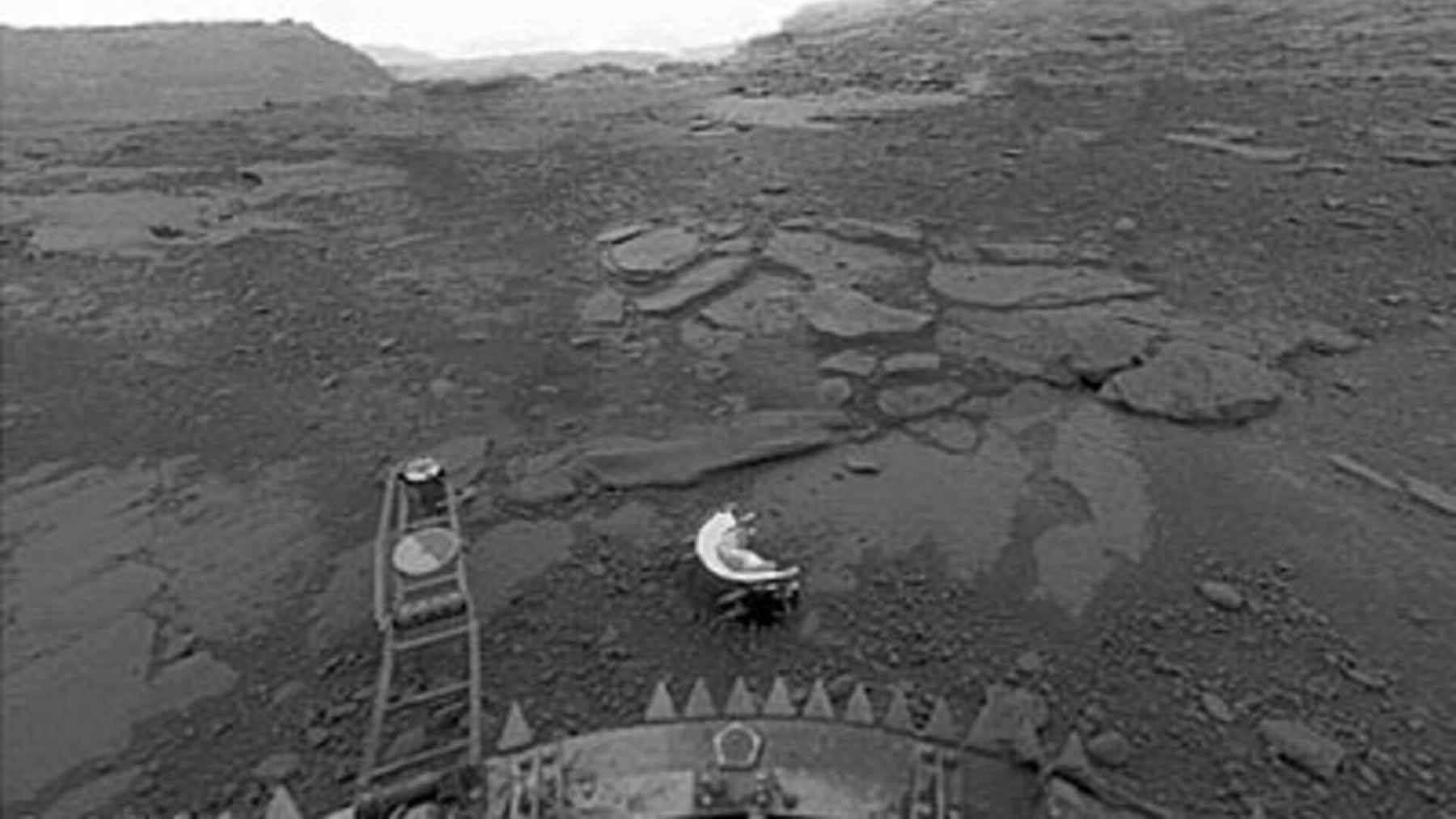
Panoramic view of the rocky Venusian surface captured by the Soviet Venera 13 lander in 1982.

In 1982 the Soviet Venera 13 lander survived 127 minutes on Venus in about 855°F heat and pressure comparable to roughly 2,950 feet underwater, long enough to beam back two panoramas of basaltic rock under an orange sky

—
June 6, 2026 at 10:15 AM
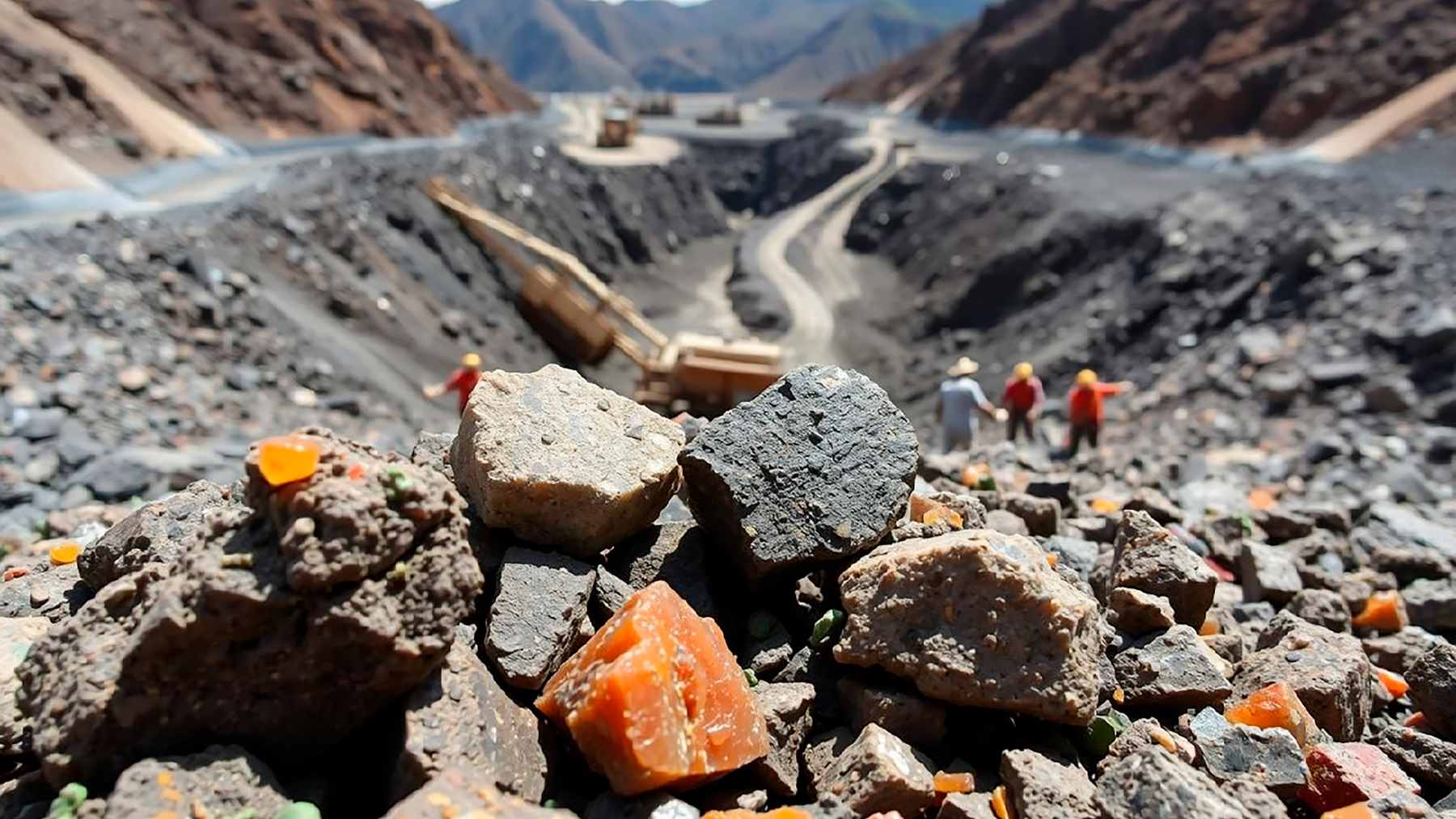
Aerial view of the Jijiaoshan mining area in Hunan Province, the site of a major lithium-bearing granite deposit discovery.

China discovers a mega-deposit of about 540 million U.S. tons of lithium ore, and the number reshuffles the battery and energy-transition board overnight

—
June 5, 2026 at 3:00 PM
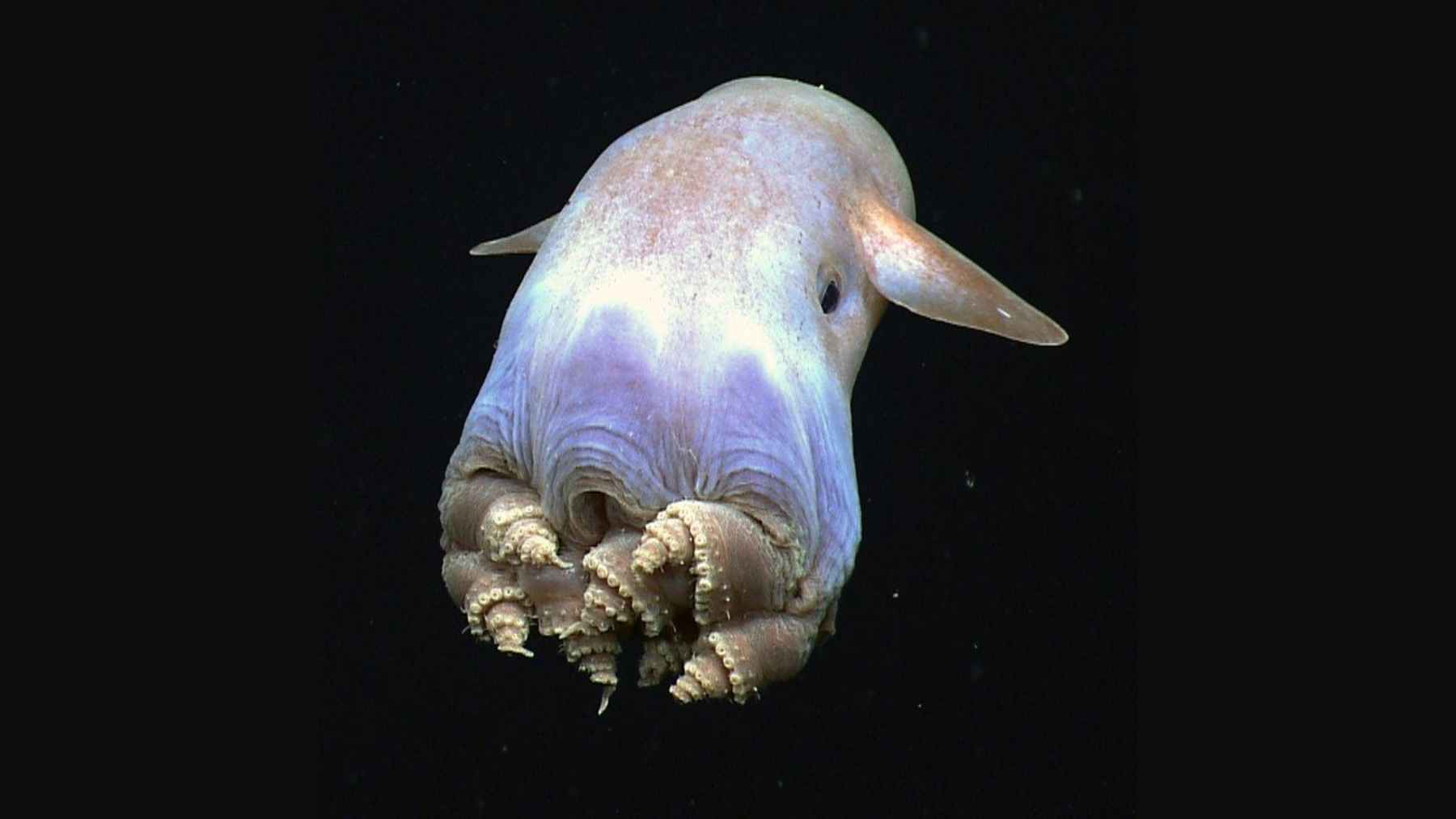
Close-up of a Dumbo octopus with ear-like fins and curled tentacles floating in the deep ocean.

A new Dumbo octopus is discovered in the deep Pacific, and Grimpoteuthis feitiana proves every deep-sea expedition still finds names that didn’t exist yesterday

—
June 5, 2026 at 6:30 AM
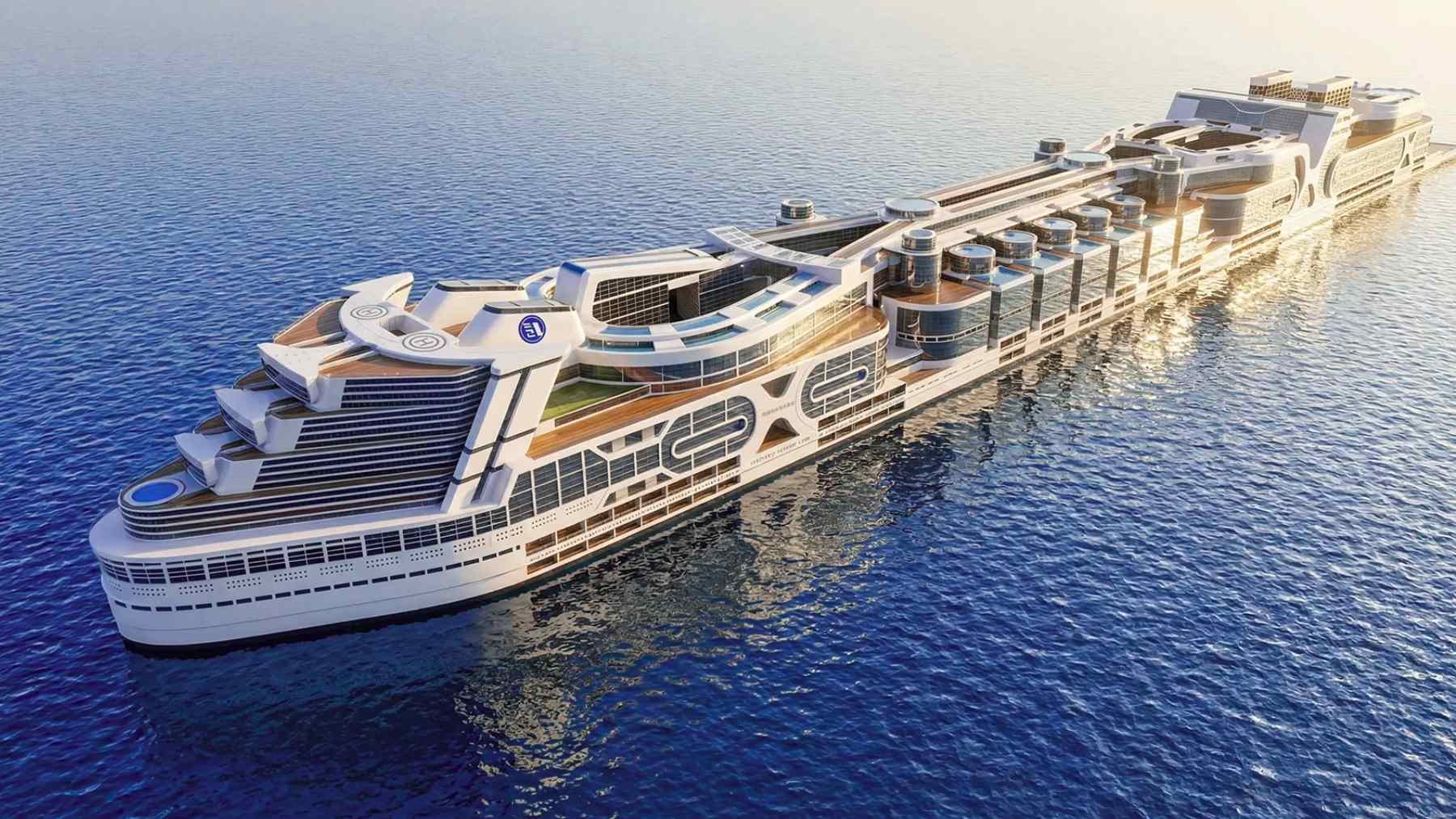
Rendering of Freedom Ship, a proposed floating city vessel designed to carry 80,000 people with schools and a hospital

The world’s largest floating city is back in action: 80,000 residents, a stadium, schools and even eight helipads

—
June 4, 2026 at 12:21 PM
A cross-section diagram of an aquifer showing the chemical reaction between nitrate from fertilizer and naturally occurring uranium minerals.

A University of Nebraska-Lincoln study finds nitrate pollution can release uranium into US drinking water

—
June 3, 2026 at 6:30 PM
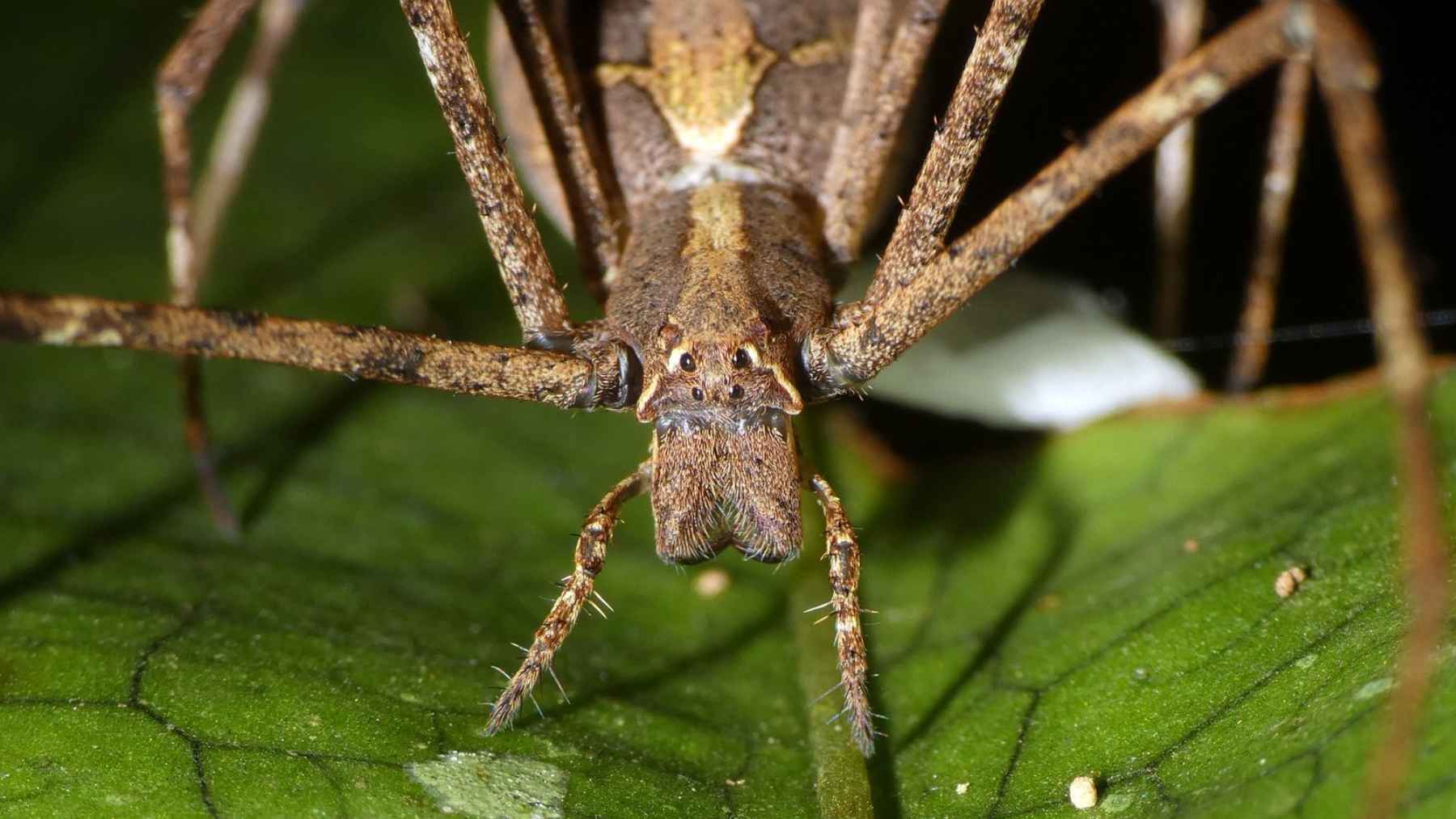
Close up of a net casting spider showing its eyes and body while resting on a leaf.

The Australian net-casting spider Asianopis subrufa spins silk that stiffens as it stretches

—
June 3, 2026 at 12:30 PM
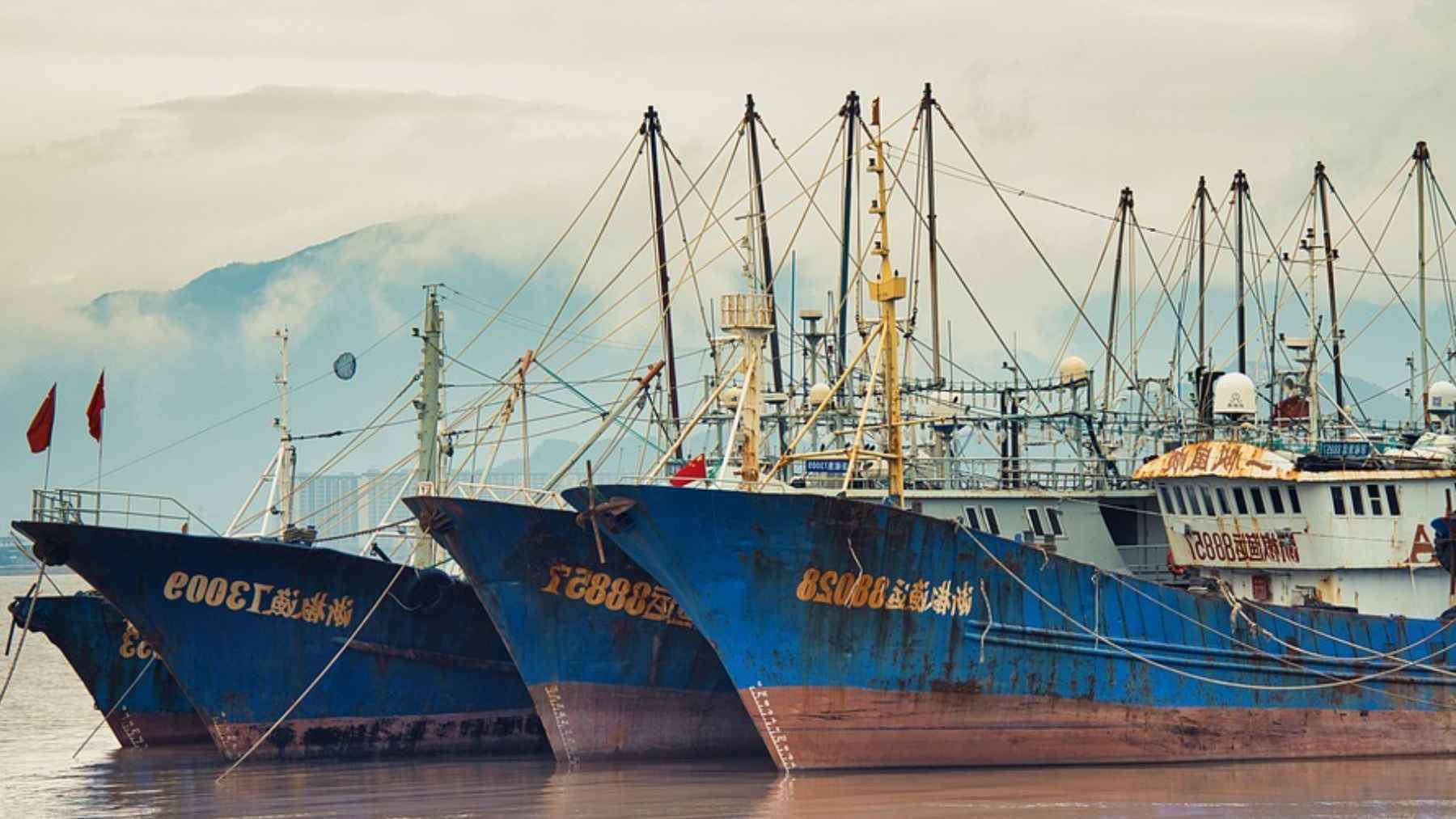
Chinese industrial fishing vessels docked as Senegal faces a deepening fisheries collapse linked to foreign fleets.

Chinese vessels are accelerating the collapse of fishing in Senegal, driving $300 million in annual losses and impacting 13 million people, a quiet crisis already hitting dinner tables

—
June 3, 2026 at 7:14 AM
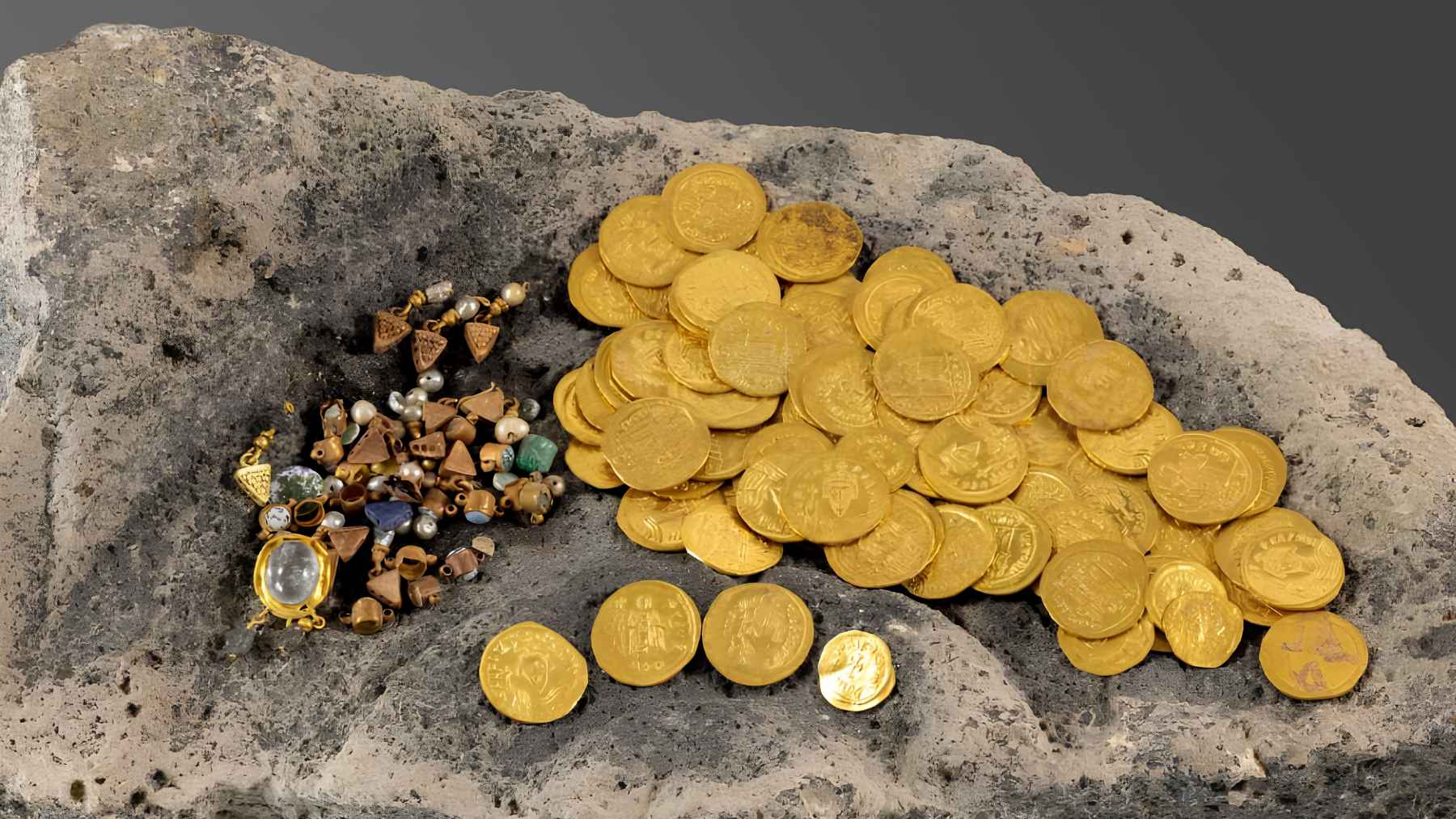
Byzantine gold coins and jewelry discovered in Hippos, Israel, forming a hidden treasure from the 7th century.

A metal detector uncovers a 1,400-year-old Byzantine treasure, and the coins reappear as if they were hidden yesterday

—
June 2, 2026 at 6:30 PM
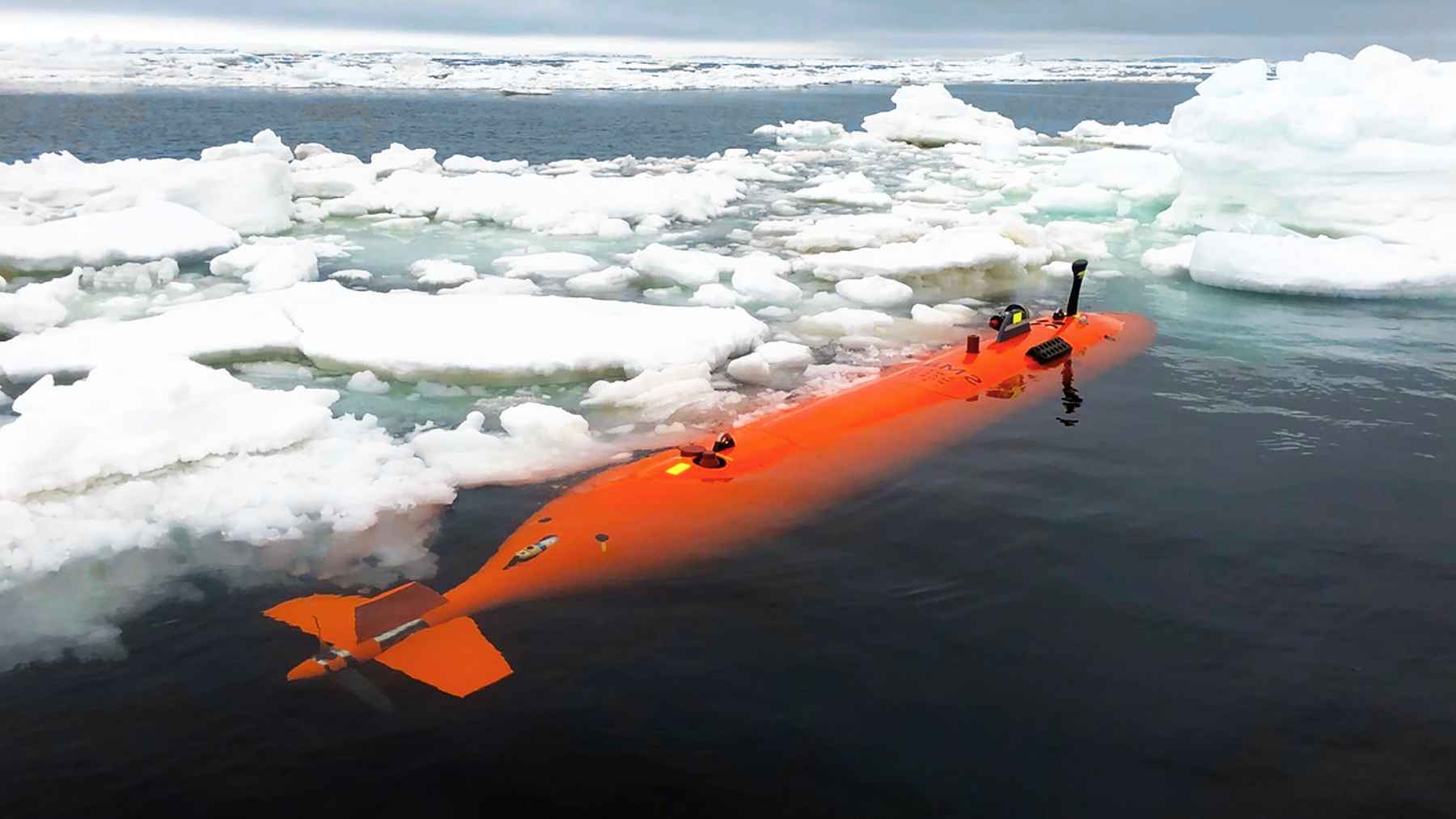
Autonomous submarine Ran floats among Antarctic sea ice after mapping melt scars beneath Dotson Ice Shelf

An autonomous submarine named Ran mapped 54 square miles under Antarctica’s Dotson Ice Shelf and found plateaus, terraced “steps,” and teardrop pits carved by basal melt, then lost contact and disappeared, leaving behind data that shows why melt can concentrate in hidden fractures models often miss

—
June 2, 2026 at 9:43 AM
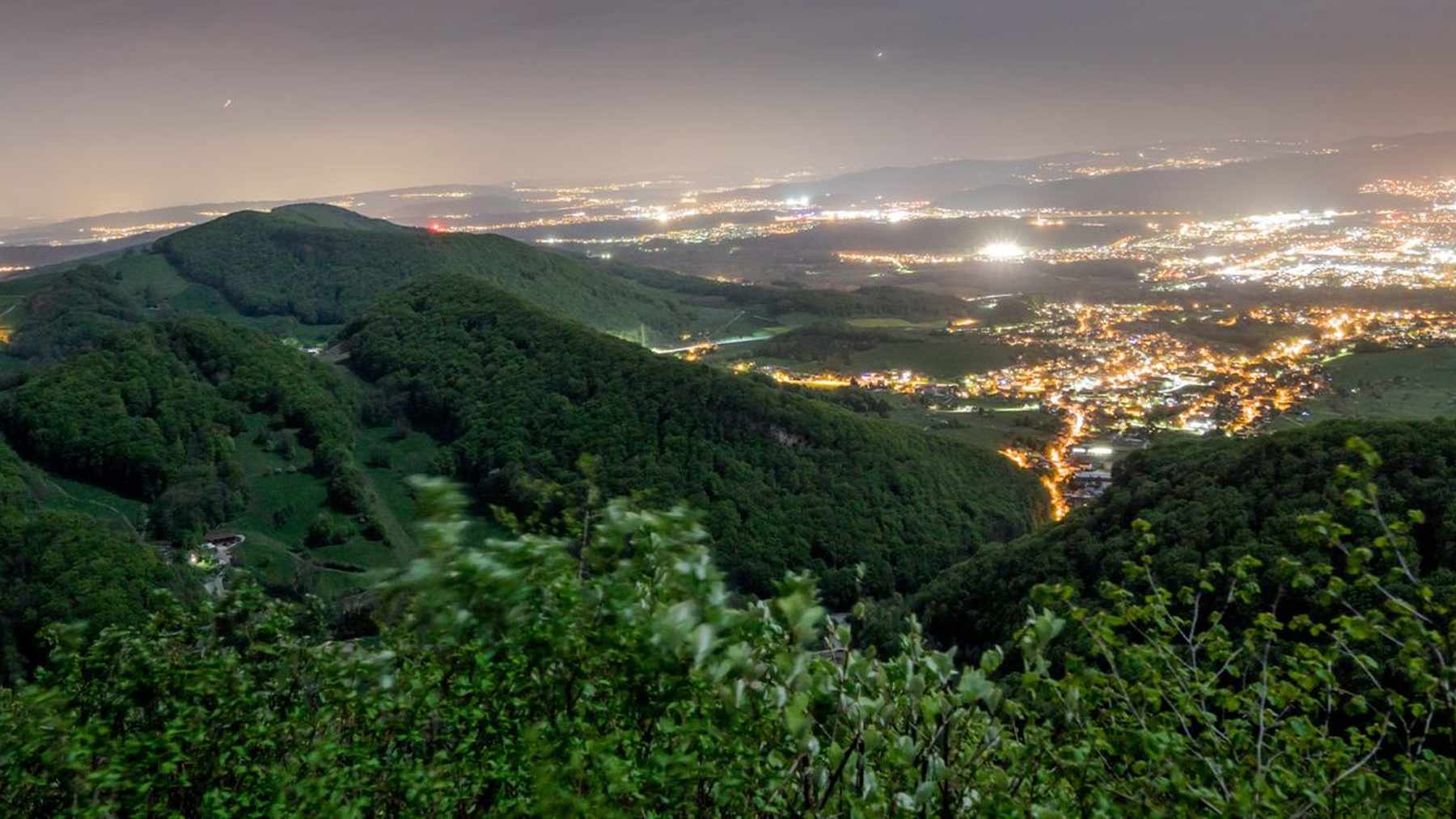
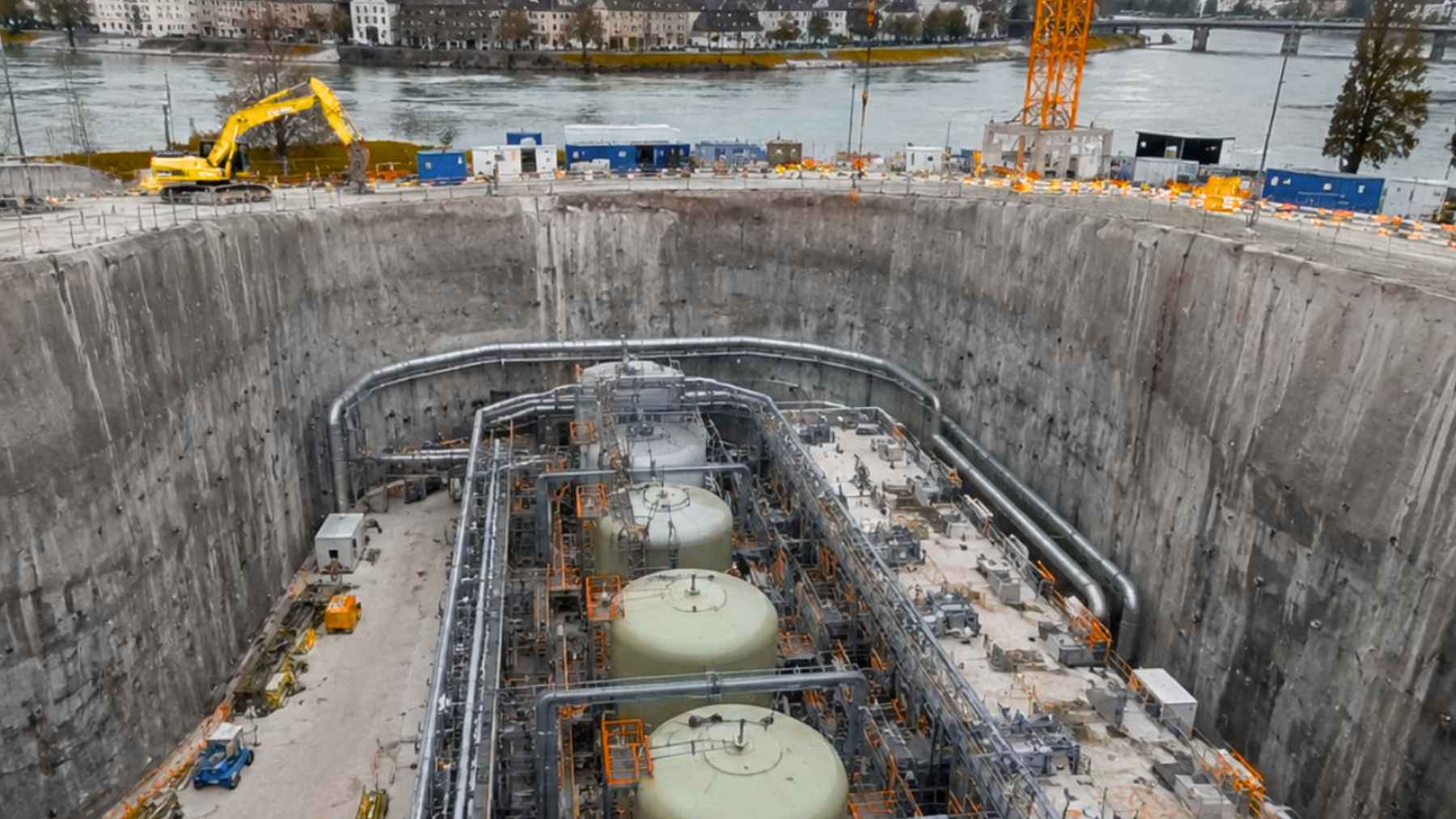
Massive underground redox flow battery construction site in Laufenburg, Switzerland, built for grid-scale energy storage

Switzerland dug a hole the size of two soccer fields to install the world’s most powerful underground battery, able to release 1.2 GW in milliseconds and store 2.1 GWh at a multibillion-dollar price tag

—
June 2, 2026 at 8:06 AM
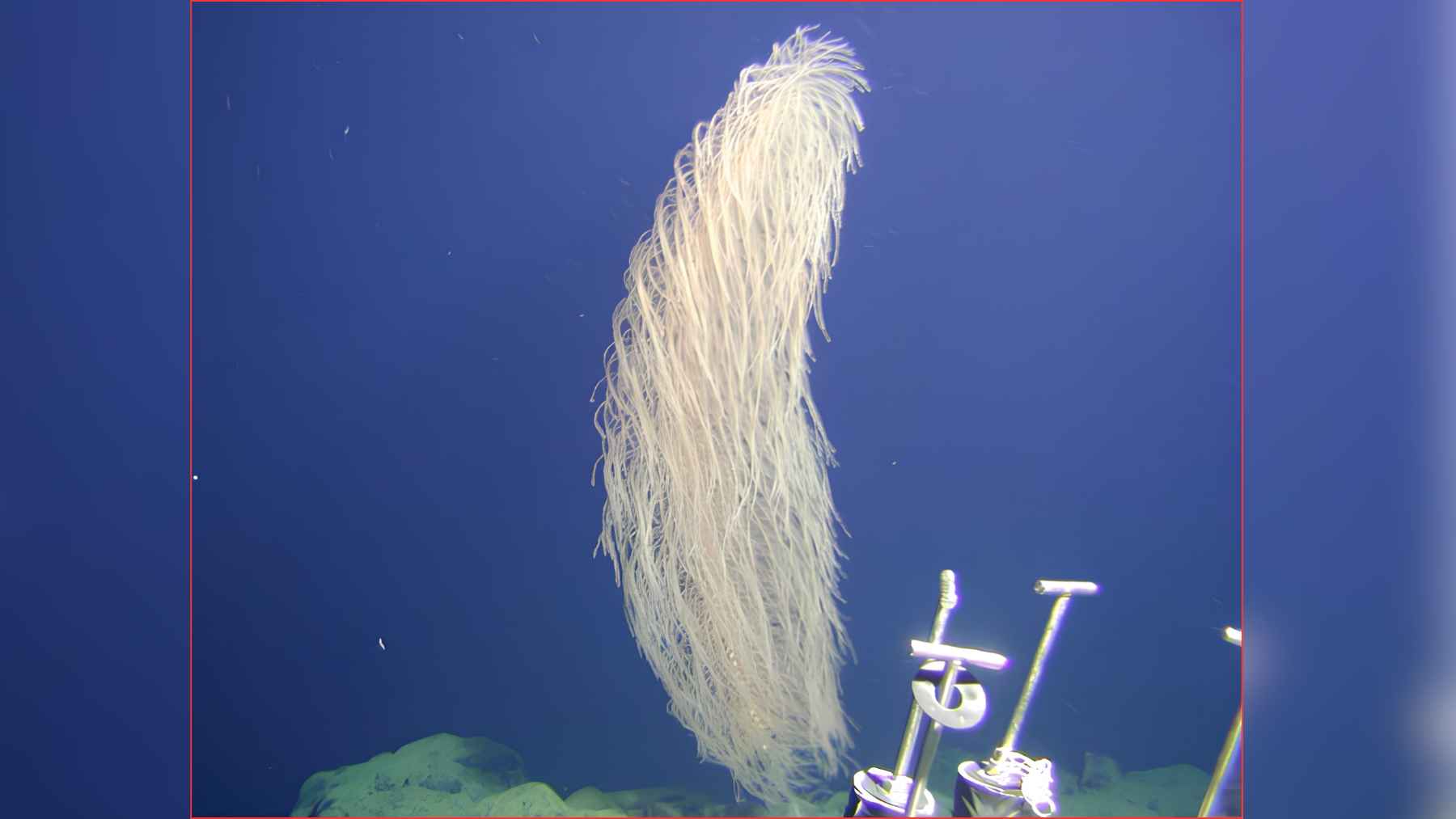
Deep sea coral with long hair like branches floating in the dark ocean, resembling the Chewbacca inspired species.

Scientists discover a new deep-ocean coral nicknamed “Chewbacca,” and Iridogorgia thrives where sunlight never reaches and life seems impossible

—
June 1, 2026 at 12:30 PM
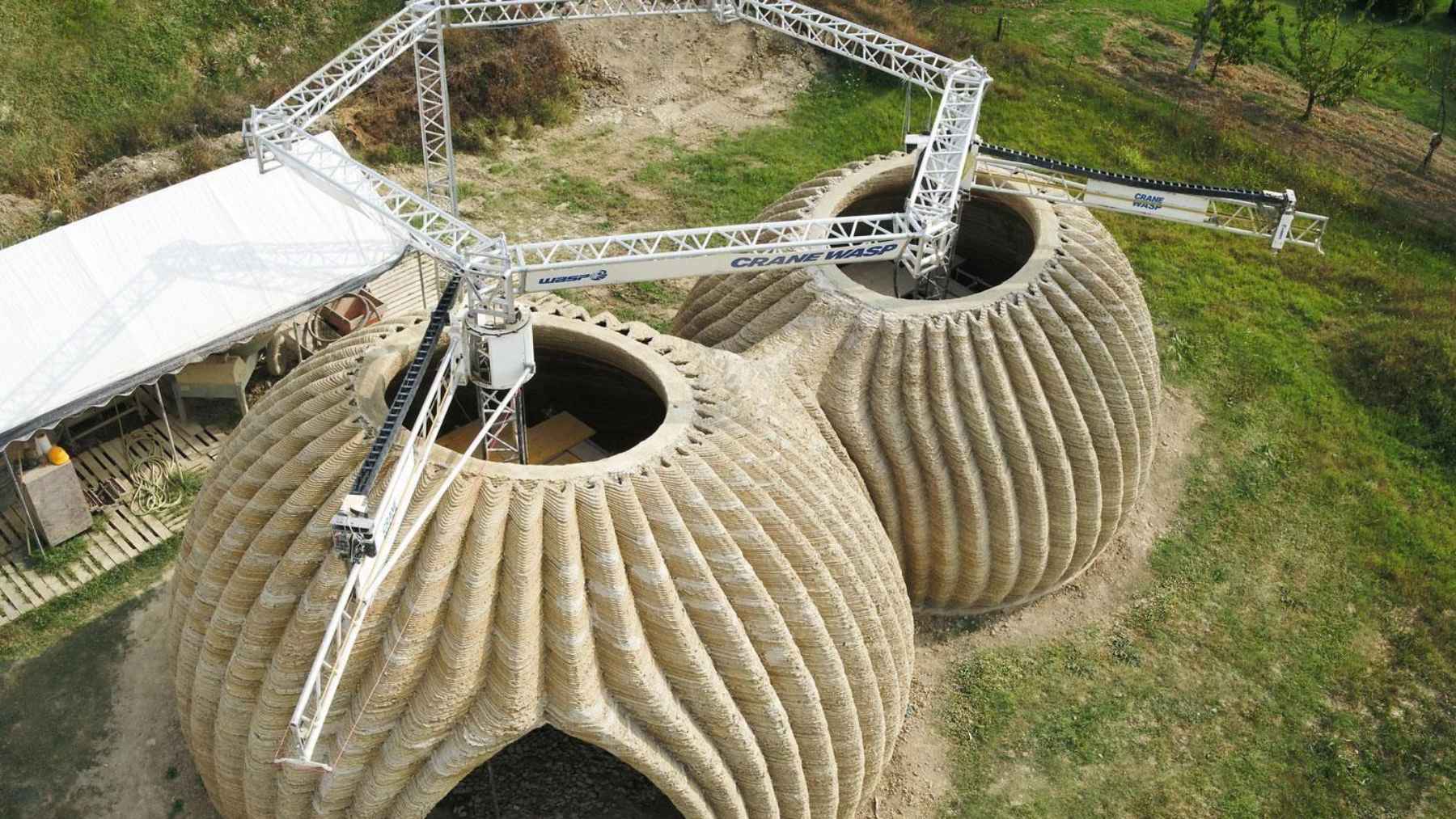
Large 3D printer building clay dome structures for the TECLA house using local soil in Italy.

Italian architects 3D-print a house from local clay— without using traditional bricks — by sourcing soil from the site itself. The question is no longer if it works but how much it can cut costs?

—
June 1, 2026 at 8:45 AM
A close-up view of a tiny, reddish-orange kyawthuite crystal, the only confirmed natural specimen of this mineral species in existence.

The rarest mineral recognized by science weighs about 0.011 ounces, exists as a single known natural specimen, and its discovery exposes how fragile Earth’s catalog still is

—
May 31, 2026 at 8:45 AM
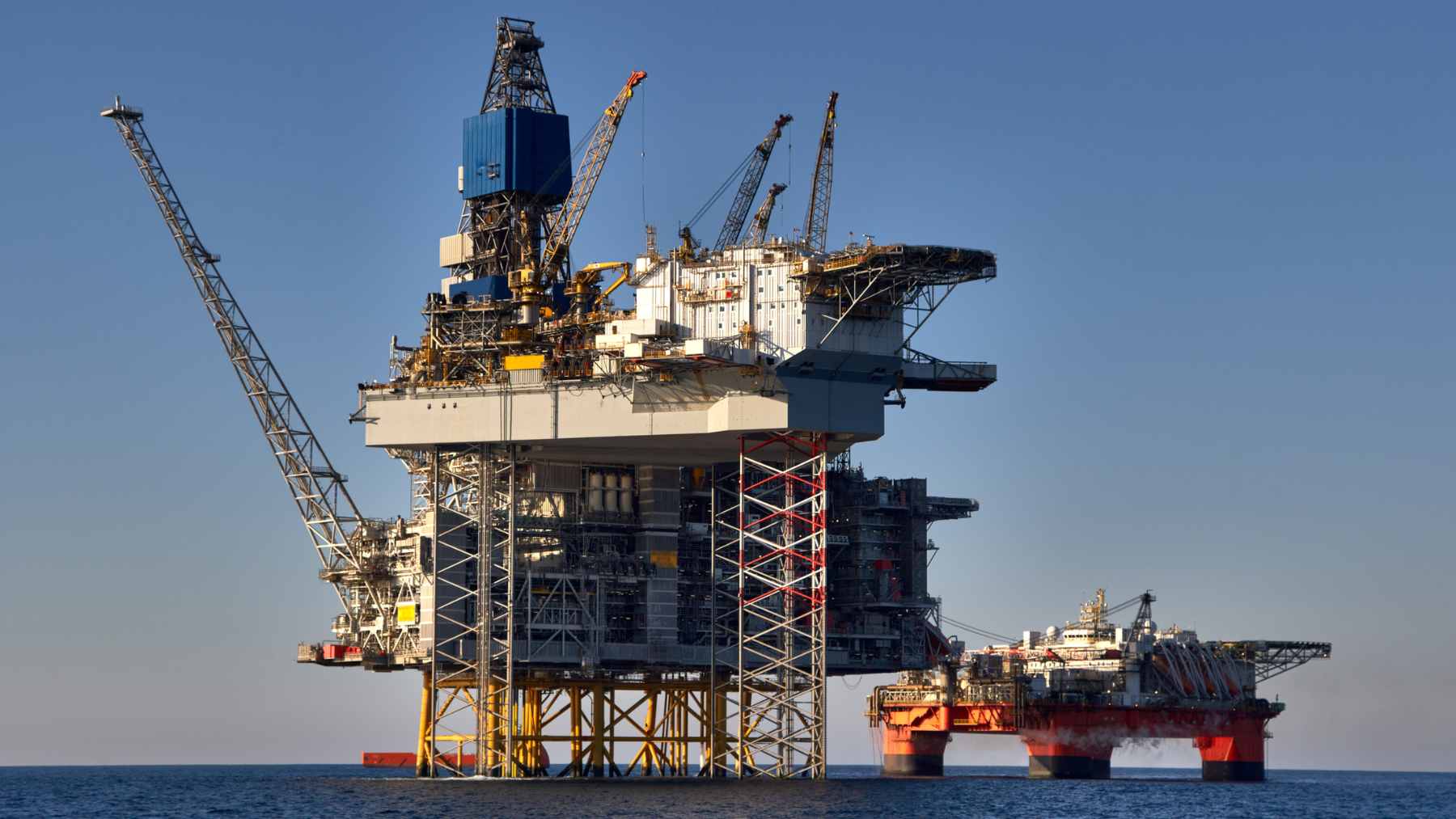
A deepwater drilling rig operating in the Santos Basin offshore Brazil at the Bumerangue exploration site.

BP finds oil and gas nearly 20,000 feet deep in Brazil’s Santos Basin, its largest discovery in 25 years

—
May 30, 2026 at 10:15 AM
Large-scale aerial view of the Dalian Jinzhouwan International Airport land reclamation site in Jinzhou Bay, China.

China is building a massive floating airport in the middle of the ocean, and the idea of a runway on water shows how far engineering goes when land runs out

—
May 29, 2026 at 5:00 PM
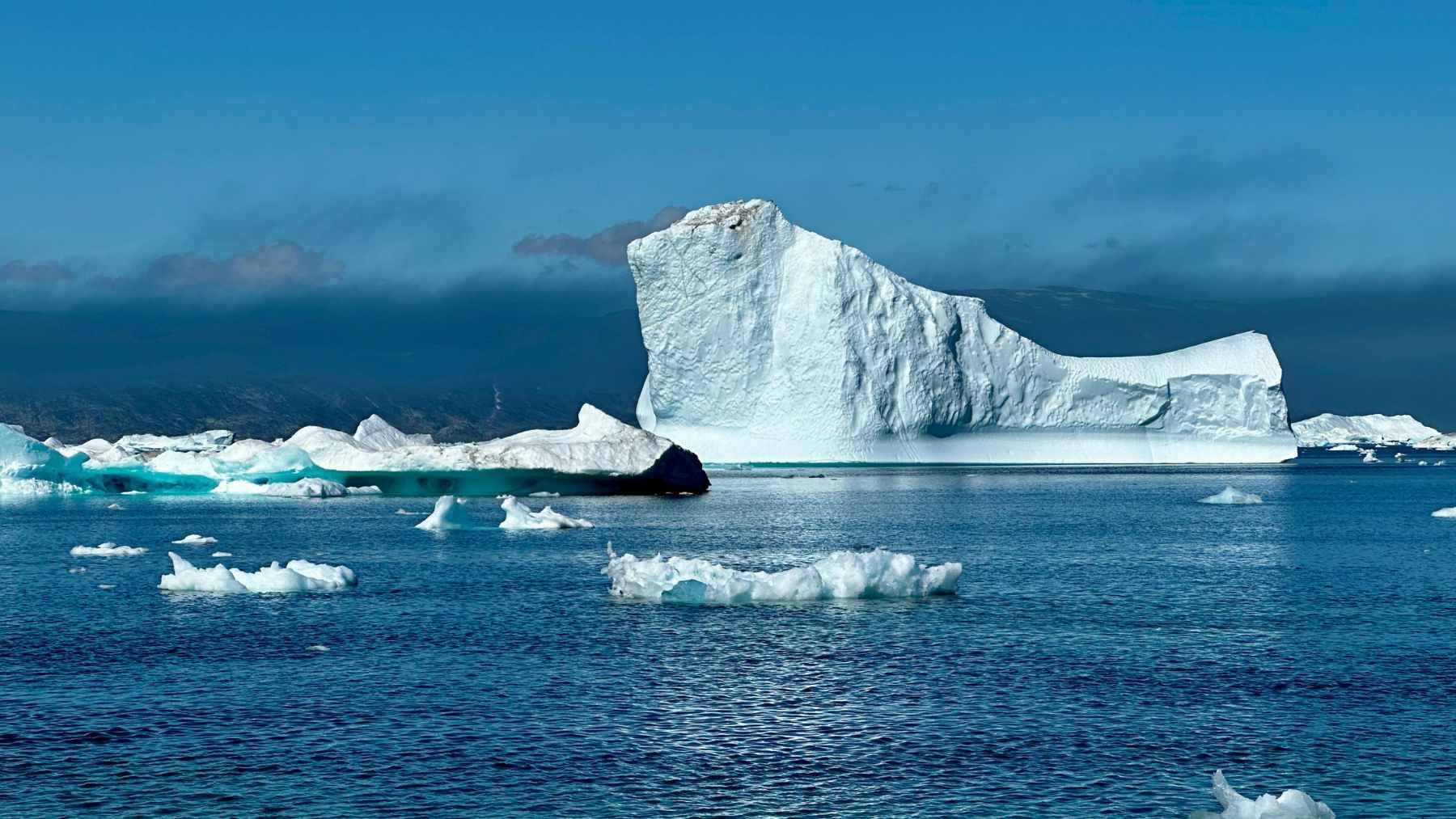
Aerial view of meltwater runoff forming rivers on the surface of the Greenland Ice Sheet during an extreme heat event.

A study finds Greenland’s ice melt grew sixfold in three decades, from about 14 to 90.8 billion U.S. tons, and the numbers put hard scale on a change already showing up at sea

—
May 28, 2026 at 5:00 PM
Previous Next