


Adrian Villellas

Adrián Villellas is a computer engineer and entrepreneur in the fields of digital marketing and advertising technology. He has led projects in data analysis, sustainable advertising, and solutions for new audiences. He also contributes to scientific initiatives related to astronomy and space observation. He writes for science, technology, and environmental media outlets, where he makes complex topics and innovative advances accessible to a broad audience.
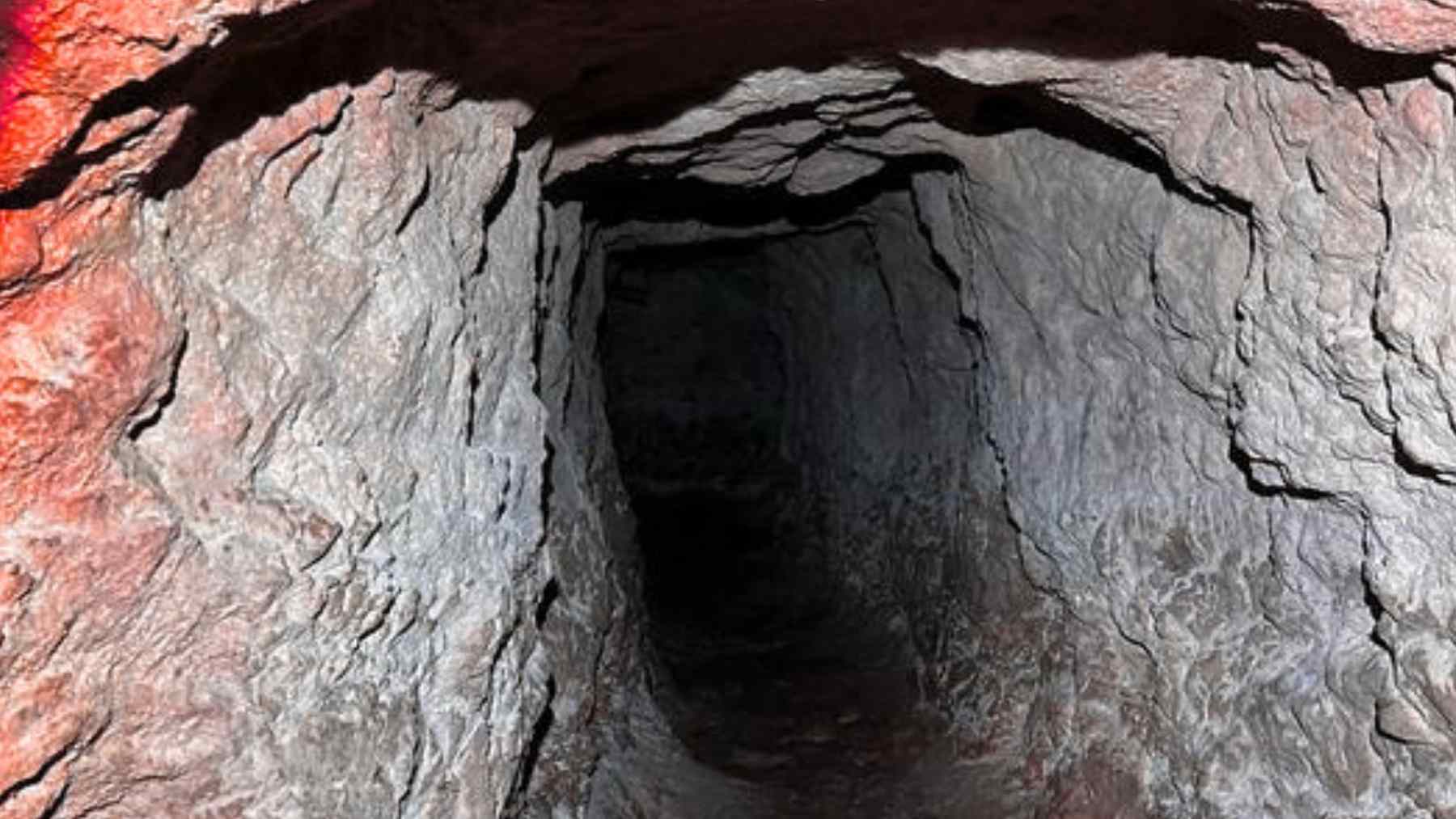
Researchers exploring an underground tunnel in Greece found a new cave cricket and named it Dolichopoda balrogi, and what’s wild is that the discovery came from a manmade tunnel where hardly anyone expects to find a brand-new species

Researchers exploring an underground tunnel in Greece found a new cave cricket and named it Dolichopoda balrogi, and what’s wild is that the discovery came from a manmade tunnel where hardly anyone expects to find a brand-new species

—
June 17, 2026 at 1:40 AM
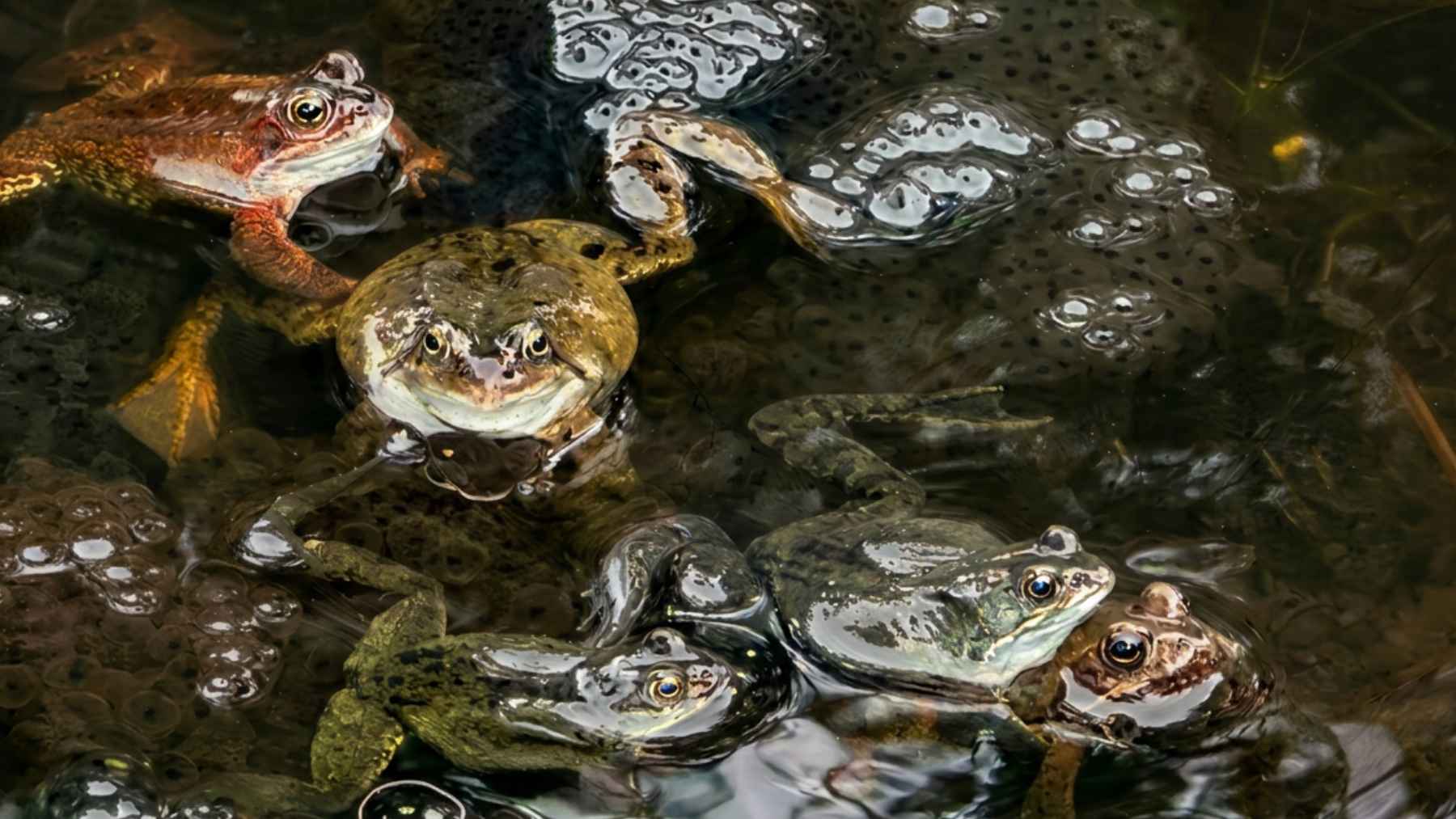
Multiple frogs gathered in a shallow backyard pond during breeding season creating a natural habitat.

Someone dug a tiny backyard pond about 2 ft. deep for amphibians, and within weeks it drew five clutches of frog eggs and turned a lawn into a living habitat

—
June 16, 2026 at 6:30 PM
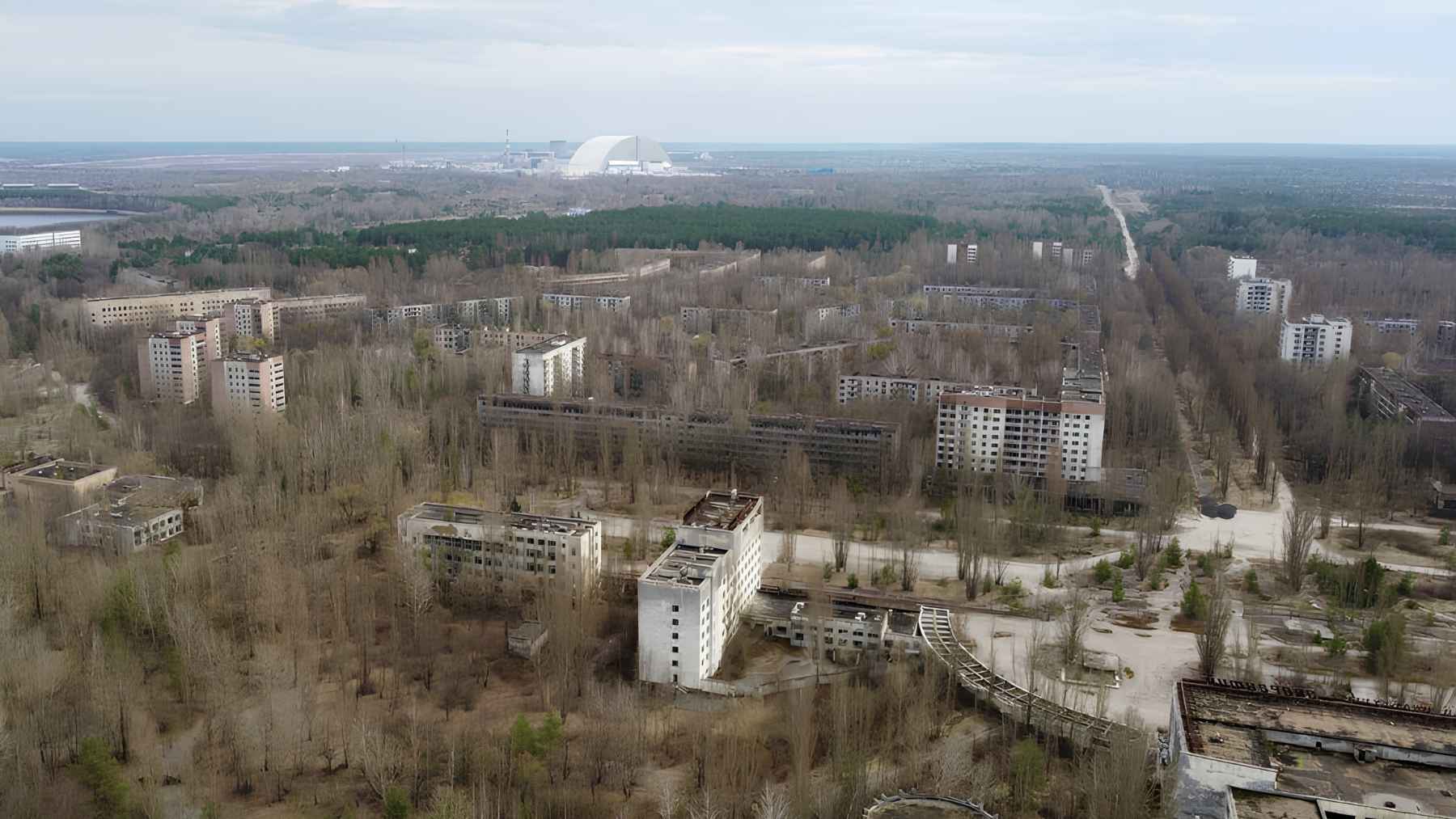
Aerial view of Pripyat with the Chernobyl reactor in the distance inside the exclusion zone.

Forty years after Chernobyl, its legacy still echoes across health, politics, and the land itself, and the disaster’s long tail has not stopped reshaping lives

—
June 16, 2026 at 3:00 PM
Group of people in a meeting listening and discussing ideas, illustrating how individuals reconsider opinions in conversations.

Psychology: people with more intellectual humility change their minds in public more easily

—
June 16, 2026 at 8:45 AM
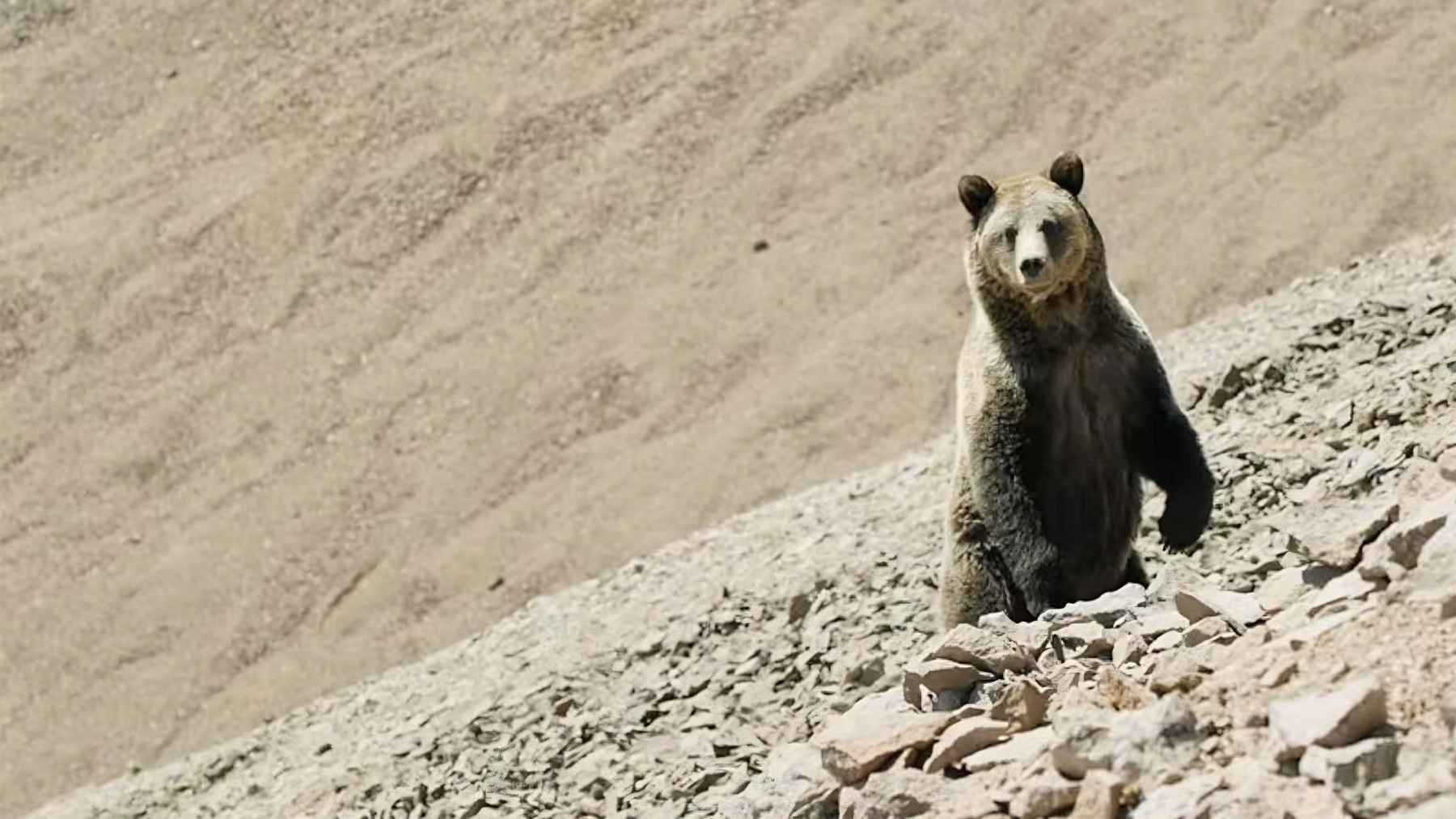
Grizzly bear standing on a rocky alpine slope in Yellowstone while searching for food.

A filmmaker finds 47 grizzlies gorging on moths that taste like honey-roasted peanuts, and the bizarre buffet is real, seasonal, and shockingly intense

—
June 15, 2026 at 5:00 PM
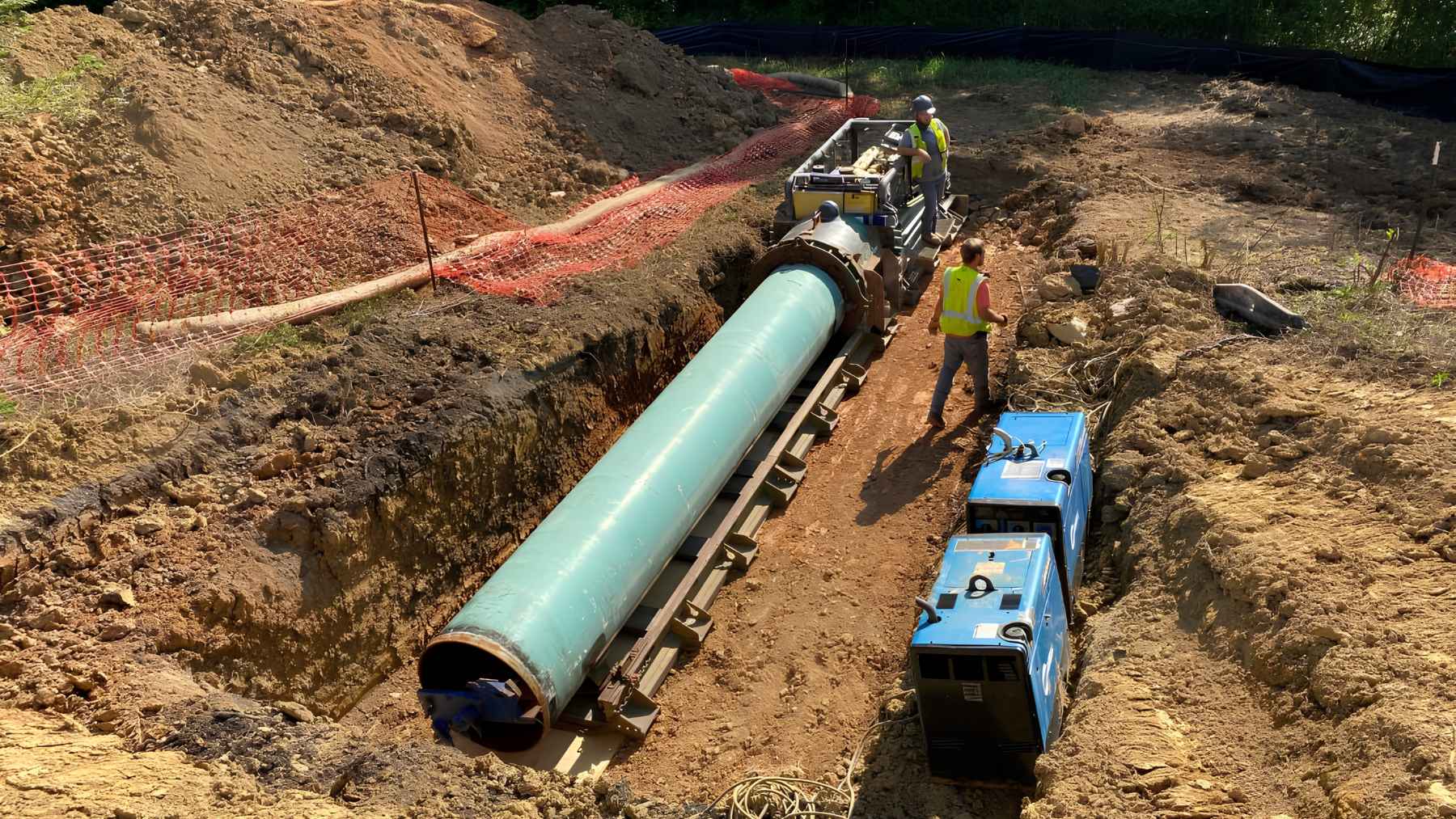
Workers install a steel test tunnel in an excavated trench at Oak Ridge National Laboratory for underground acoustic detection research.

Underground acoustic signals can expose hidden tunnels beneath U.S. roads and railways, turning vibrations into a new kind of subsurface X-ray

—
June 15, 2026 at 6:30 AM
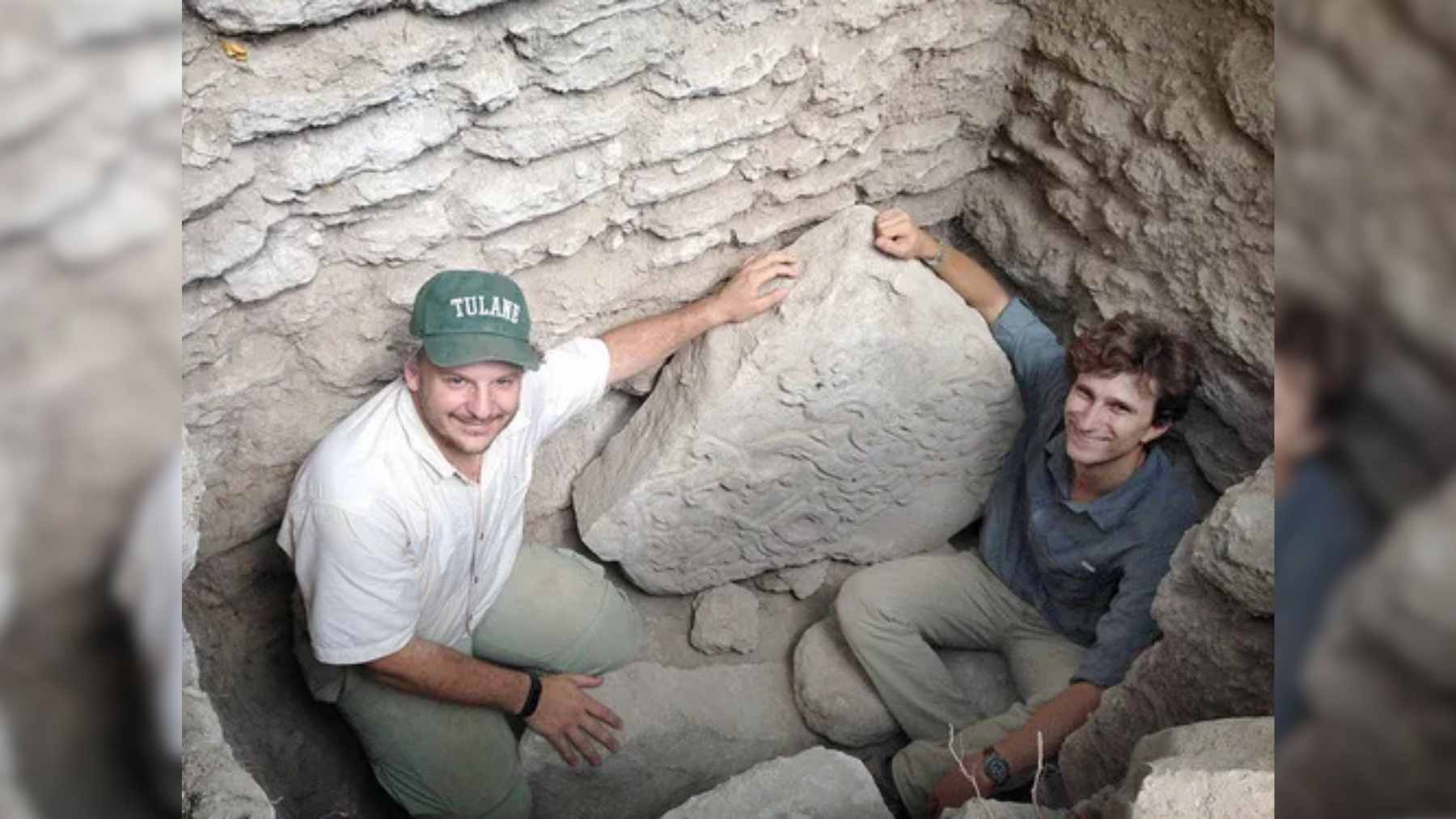
A lidar-generated 3D map revealing the outlines of ancient stone pyramids and plazas hidden beneath the dense jungle canopy.

An archaeology student “found” a lost Maya city with a simple Google search, and the discovery shows how modern tools can crack ancient mysteries

—
June 14, 2026 at 3:00 PM
Portrait of Alessandro Volta next to a diagram of his voltaic pile, the invention that pioneered modern electrical measurement.

Italy has spent nearly 200 years calling the volt a name derived from an Italian scientist’s name. Now, it wants the world to give back the letter English erased, and the strange part is that the fight over credit is hiding inside a unit everyone uses

—
June 13, 2026 at 5:00 PM
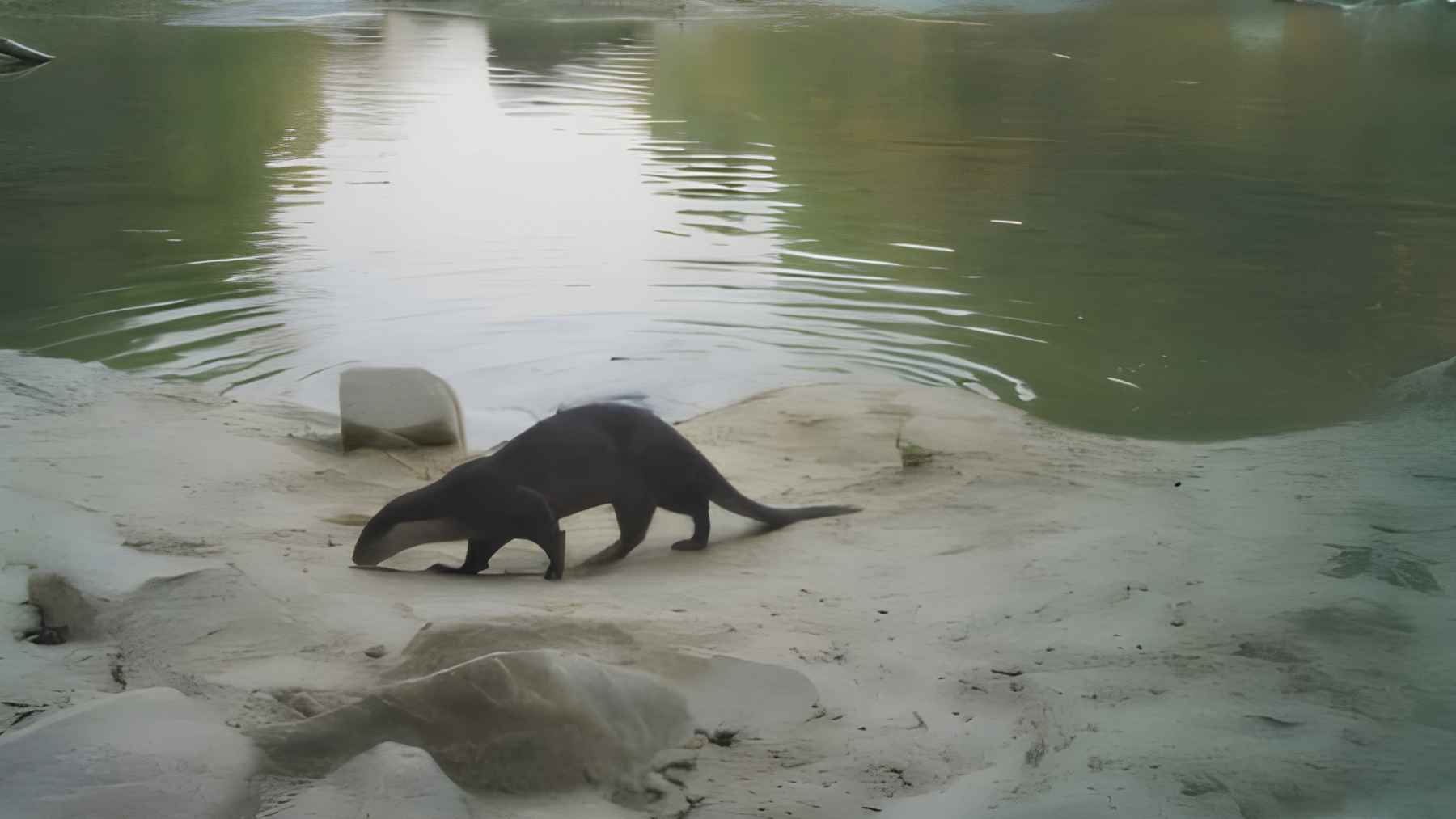
Smooth-coated otter walking along a riverbank captured by camera trap in India

Camera traps just captured a smooth-coated otter in that area for the first time, and what stands out is that it showed up where almost nobody was looking because the focus was on something else

—
June 12, 2026 at 3:00 PM
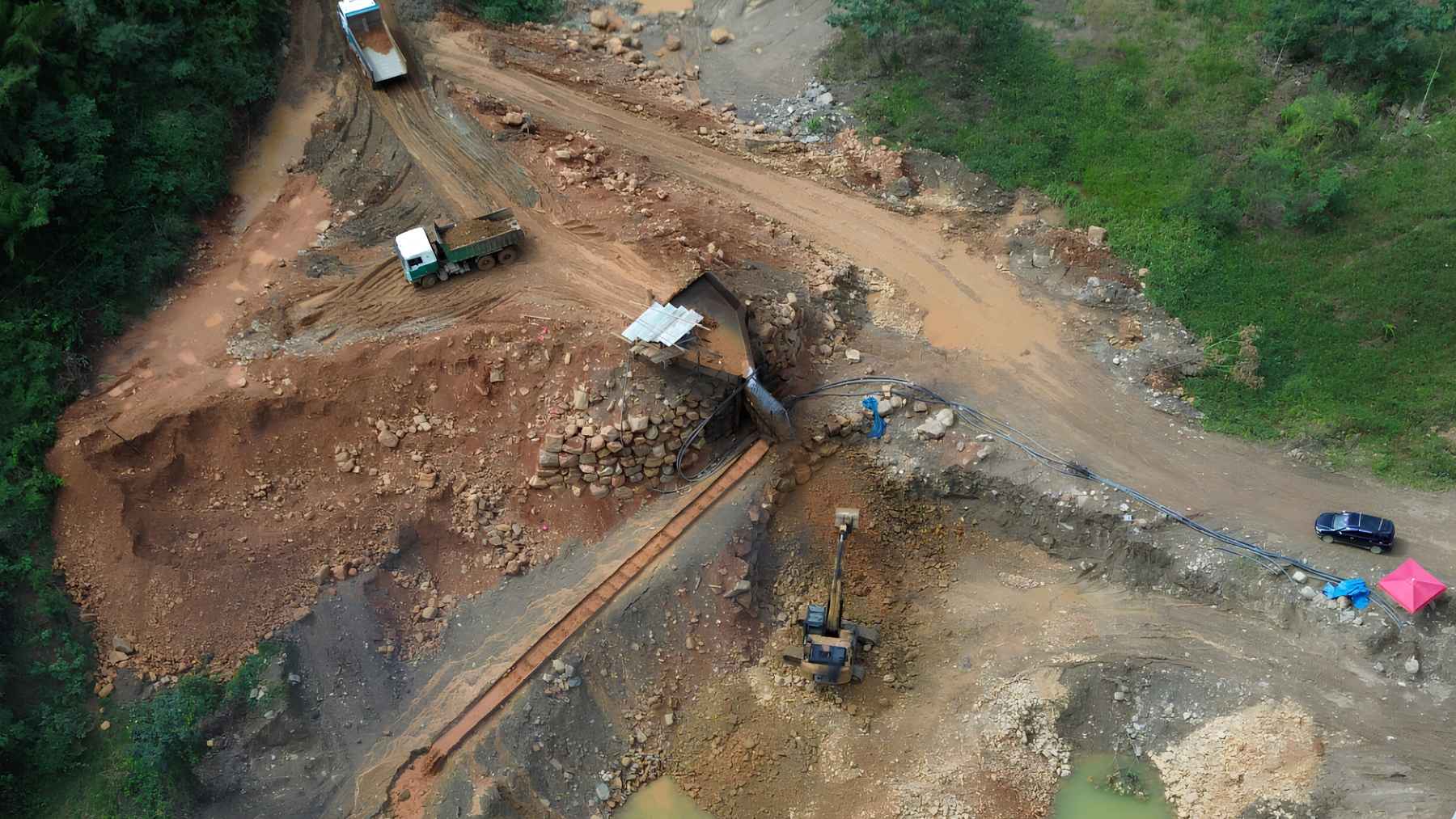
Aerial view of gold mining dredges operating in a muddy Amazon river in Bolivia, showing sediment pollution.

Bolivia moves to formalize mining permits without environmental licenses, and the plan reopens the clash between enforcement, revenue, and the ecological cost of “legalizing” the irregular

—
June 11, 2026 at 12:30 PM
Bill Gates, co-founder of Microsoft, discusses the future of artificial intelligence and its long-term impact.

Bill Gates, co-founder of Microsoft: “We overestimate what AI will do in two years and underestimate what it will do in ten”

—
June 11, 2026 at 8:59 AM
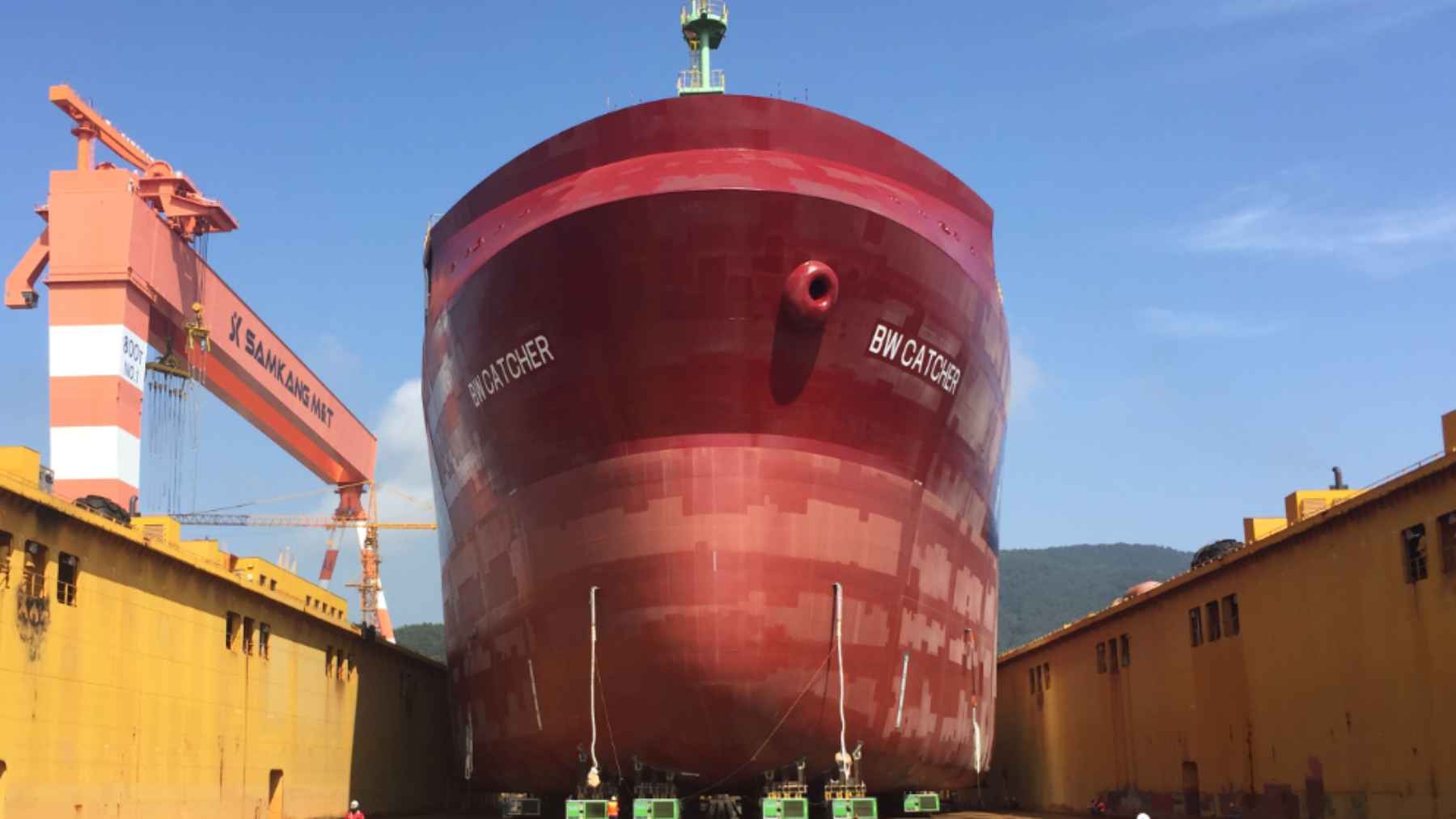
Massive ship block positioned on modular transporters inside a Korean shipyard before heavy transport.

The heaviest load ever hauled by a trailer was a roughly 16,300-ton naval block, and the 324-axle transport looks like industrial choreography designed not to crack the ground

—
June 11, 2026 at 6:30 AM
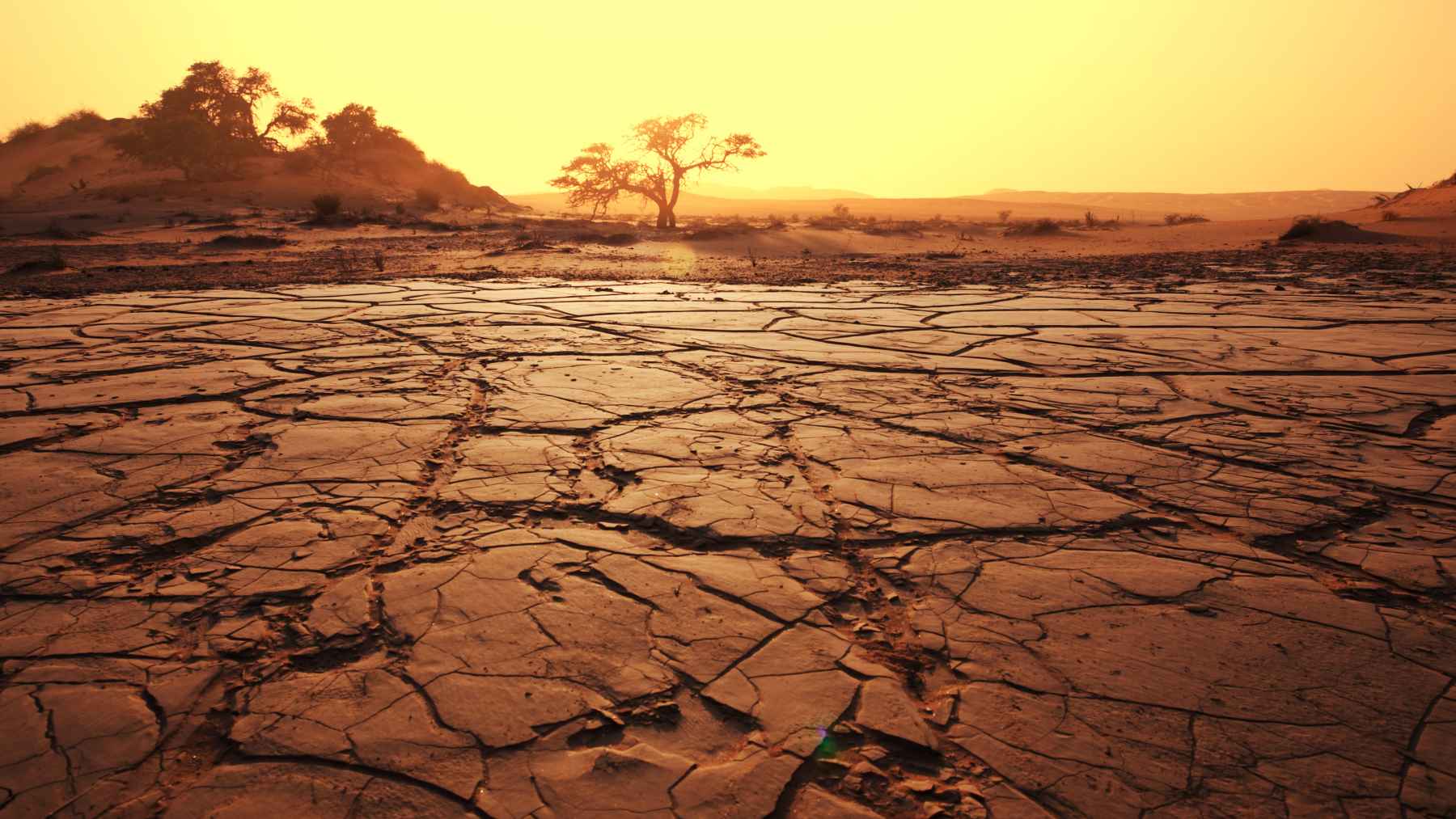
Cracked dry earth at sunset symbolizing AI water use, data center cooling demand, and growing drought concerns.

A 100-word email written with ChatGPT may use about 17.6 fluid ounces of water, roughly the size of a stan

—
June 11, 2026 at 6:04 AM
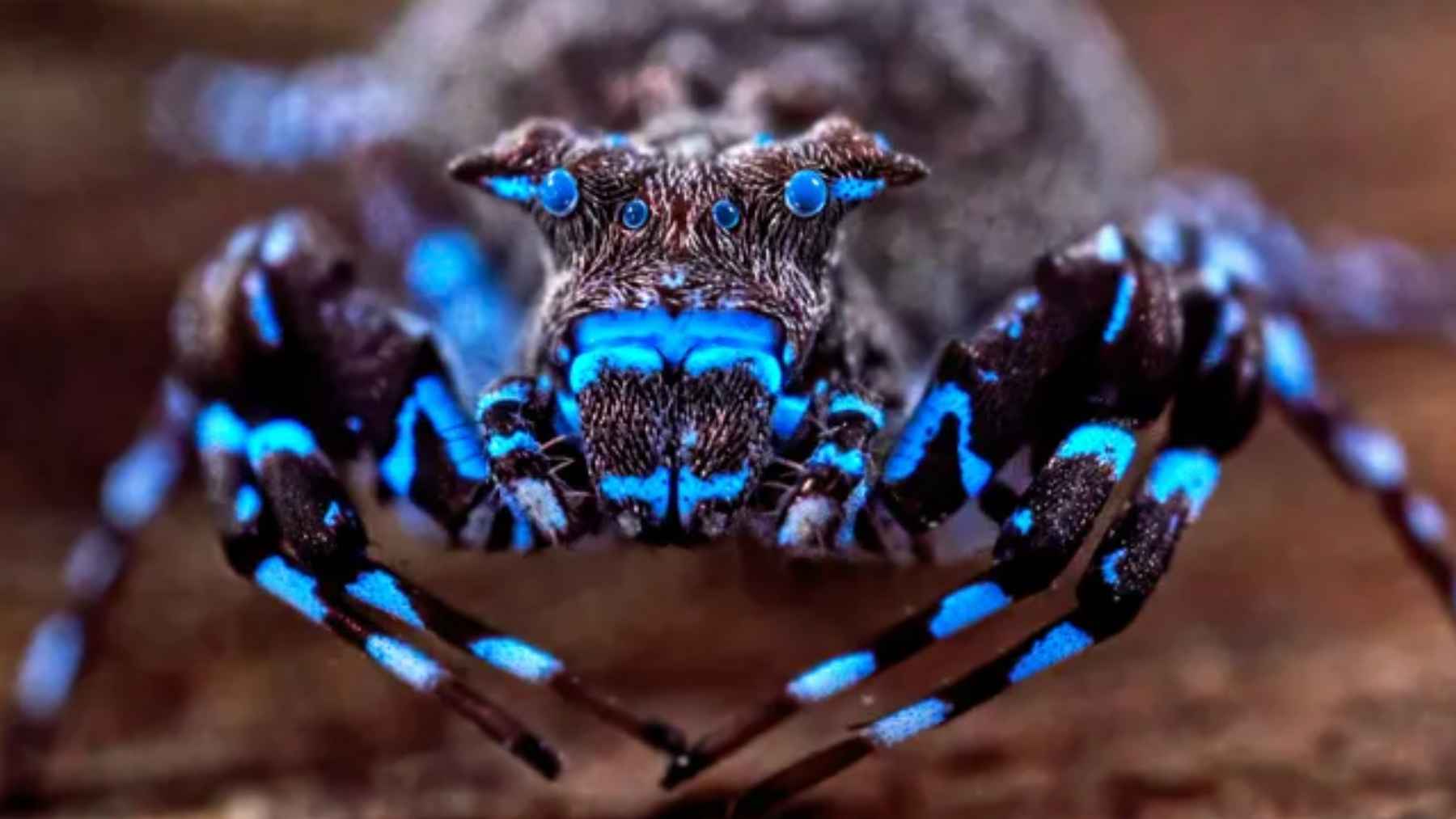
Blue-fluorescent crowned crab spider discovered during Angola Lisima Plateau biodiversity survey

An expedition conducted in Angola in February 2026 documented the presence of insects and spiders that may be new to science, with the highlight being a crowned crab spider that glows blue under ultraviolet light

—
June 10, 2026 at 12:45 PM
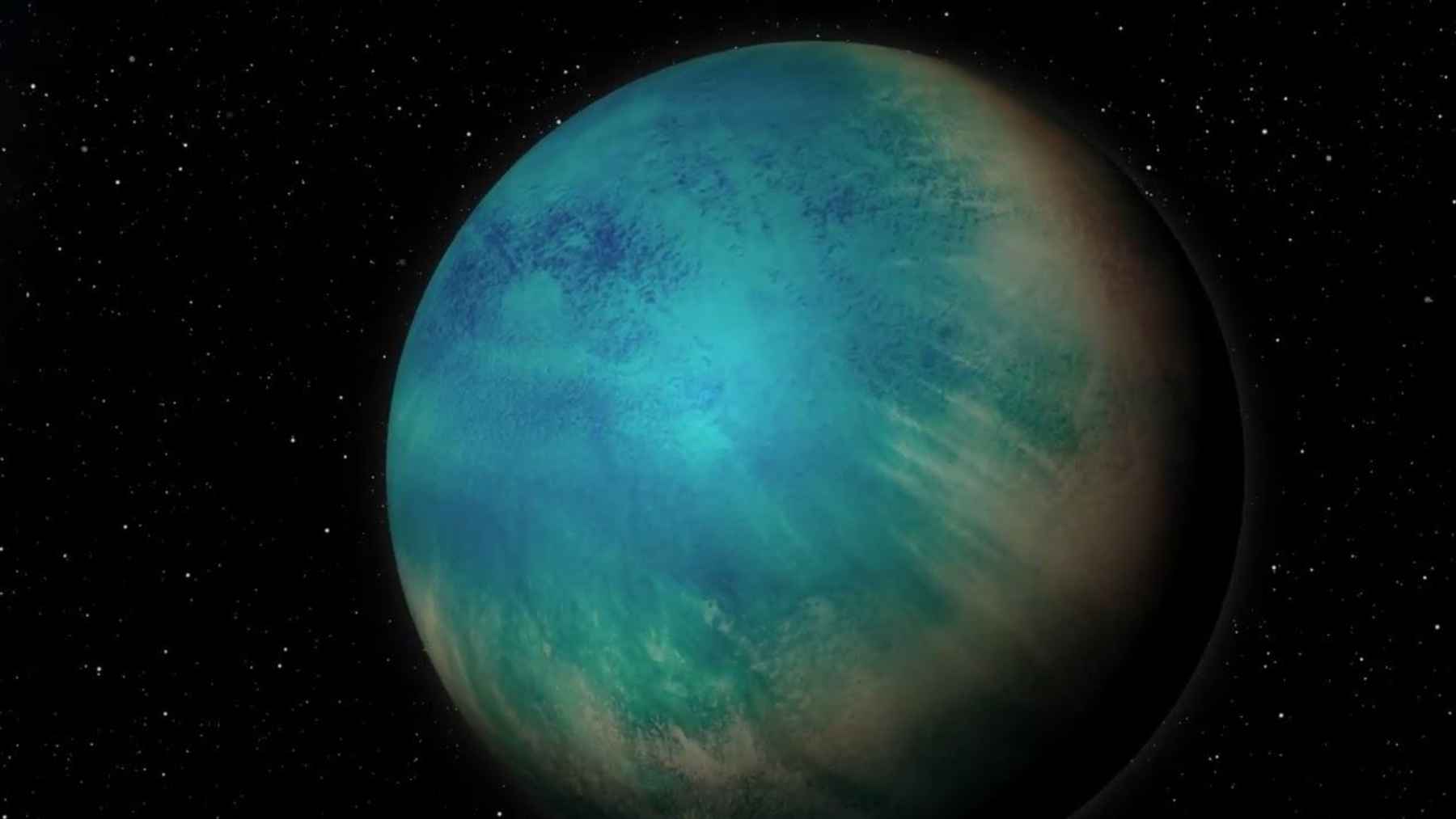
Artist’s illustration of TOI-1452 b as a blue-green possible ocean world against a field of stars.

Astronomers describe an exoplanet that may be an “ocean world,” and the idea of a water-covered planet puts the search for hidden life back on the table

—
June 10, 2026 at 12:30 PM
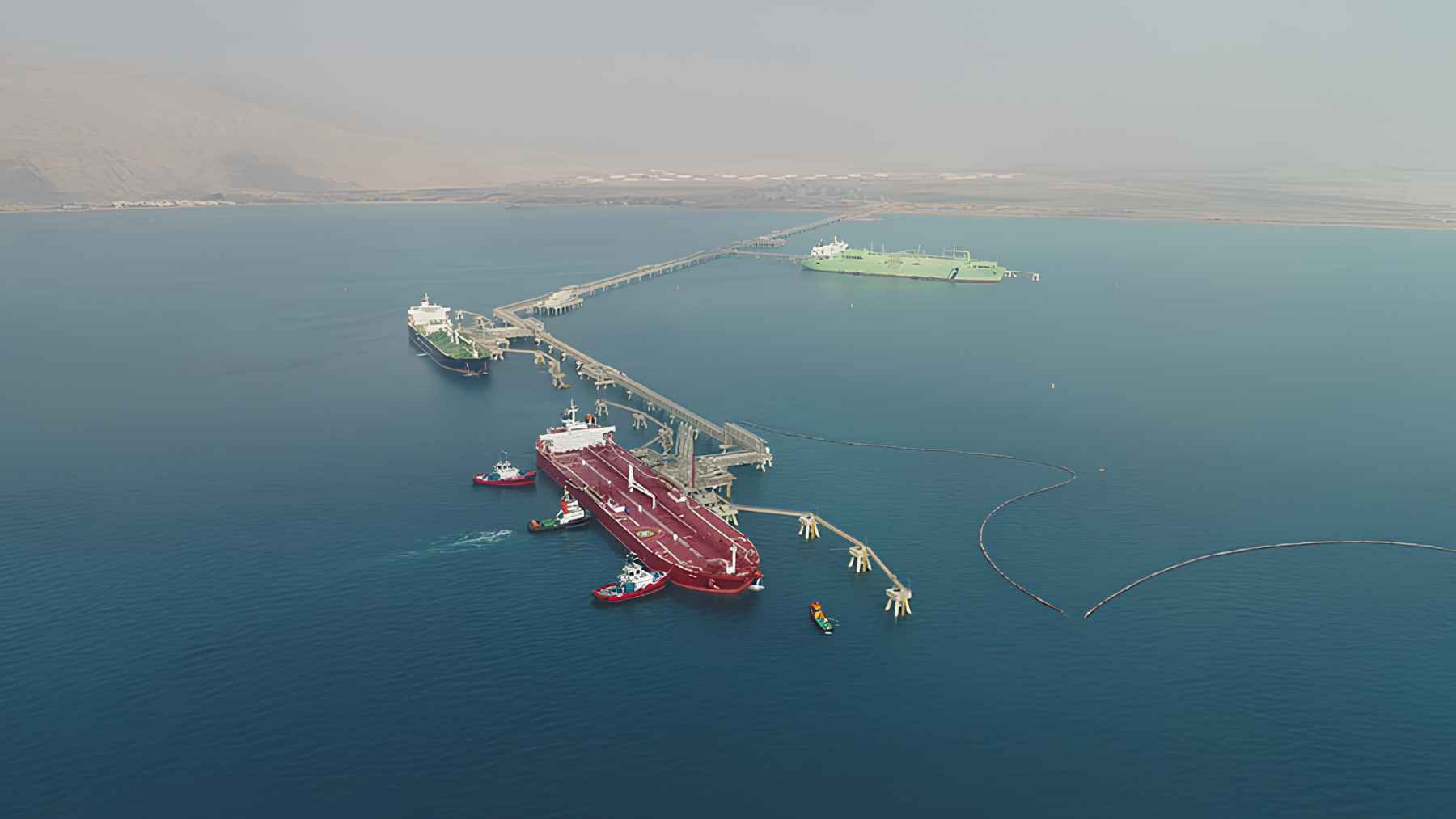
Aerial view of tankers docked at the SUMED Ain Sukhna oil terminal on Egypt’s Red Sea coast.

Can SUMED steal Hormuz’s spotlight? Saudi Arabia and Egypt move to secure oil routes into Europe and reduce reliance on the strait

—
June 10, 2026 at 8:45 AM
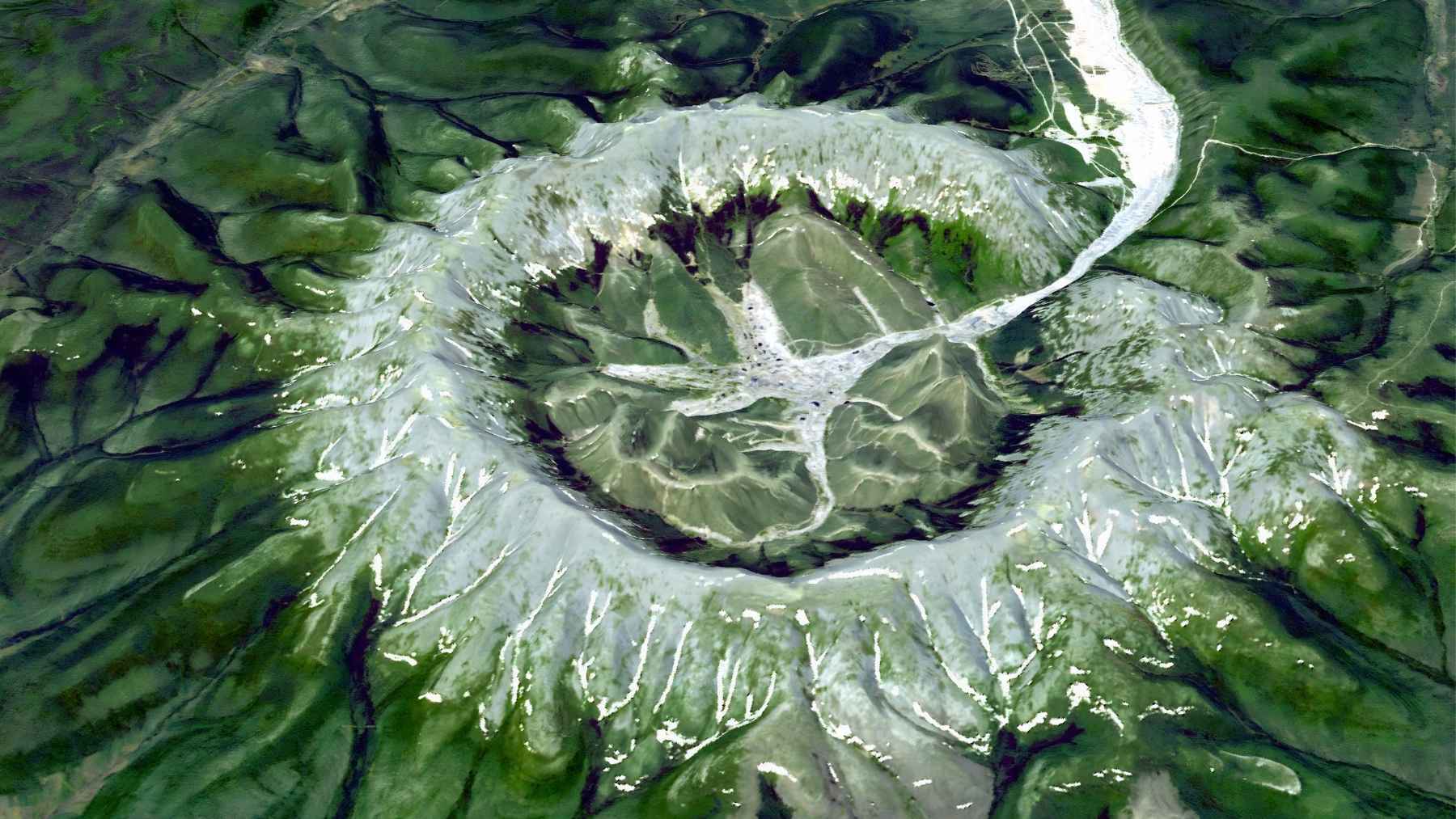
Satellite view of the Kondyor Massif circular ring structure in eastern Russia, showing its raised ridge and central basin.

A perfect 3.7-mile ring in far eastern Russia puzzles NASA satellites, it looks like a crater or volcano, but the agency says it is neither, and that is the mystery

—
June 9, 2026 at 3:00 PM
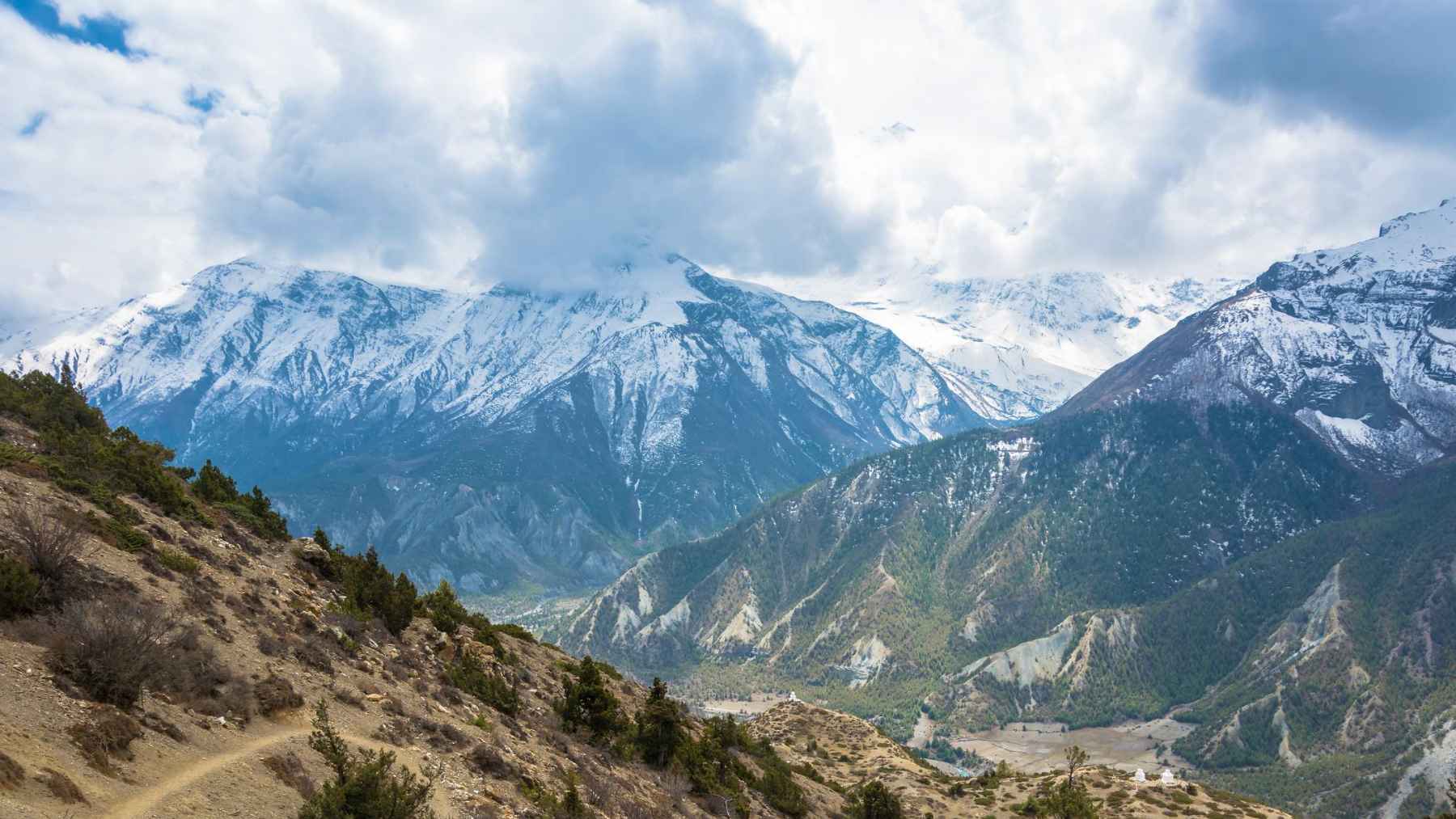
Mountain slopes in the Himalayas show sparse vegetation spreading toward higher altitudes below snow-covered peaks.

Scientists see more vegetation in the Himalayas, but it is not good news, because that extra “green” can disrupt water, snow, and high-mountain biodiversity

—
June 9, 2026 at 8:45 AM
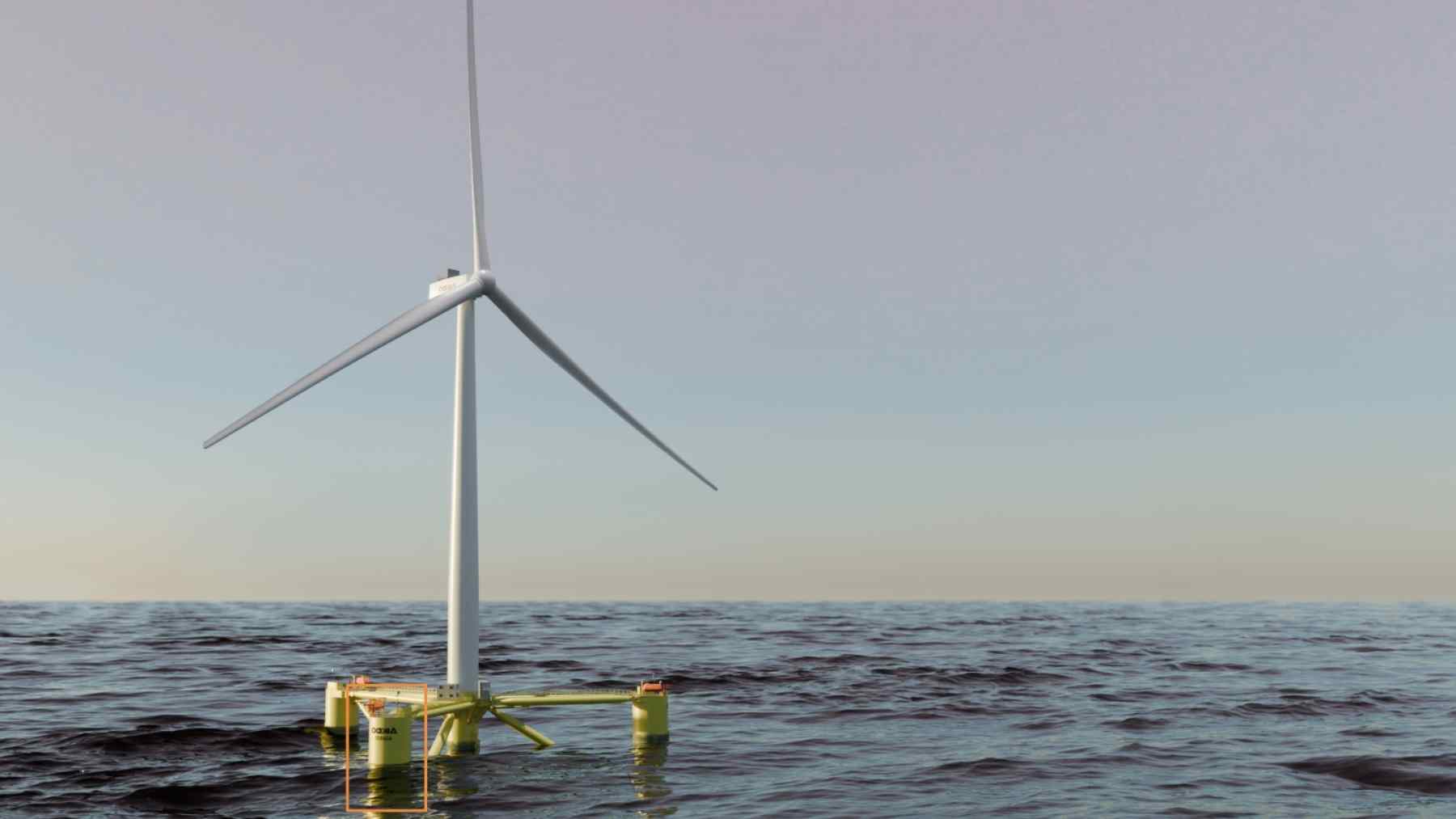
Aikido floating offshore wind turbine with an integrated AI data center module at sea

A floating wind turbine could become the next AI data center, packing 10–12 MW of compute, a 15+ MW turbine, and seawater cooling into one offshore platform as land, power, and water constraints tighten toward 2030

—
June 9, 2026 at 5:40 AM
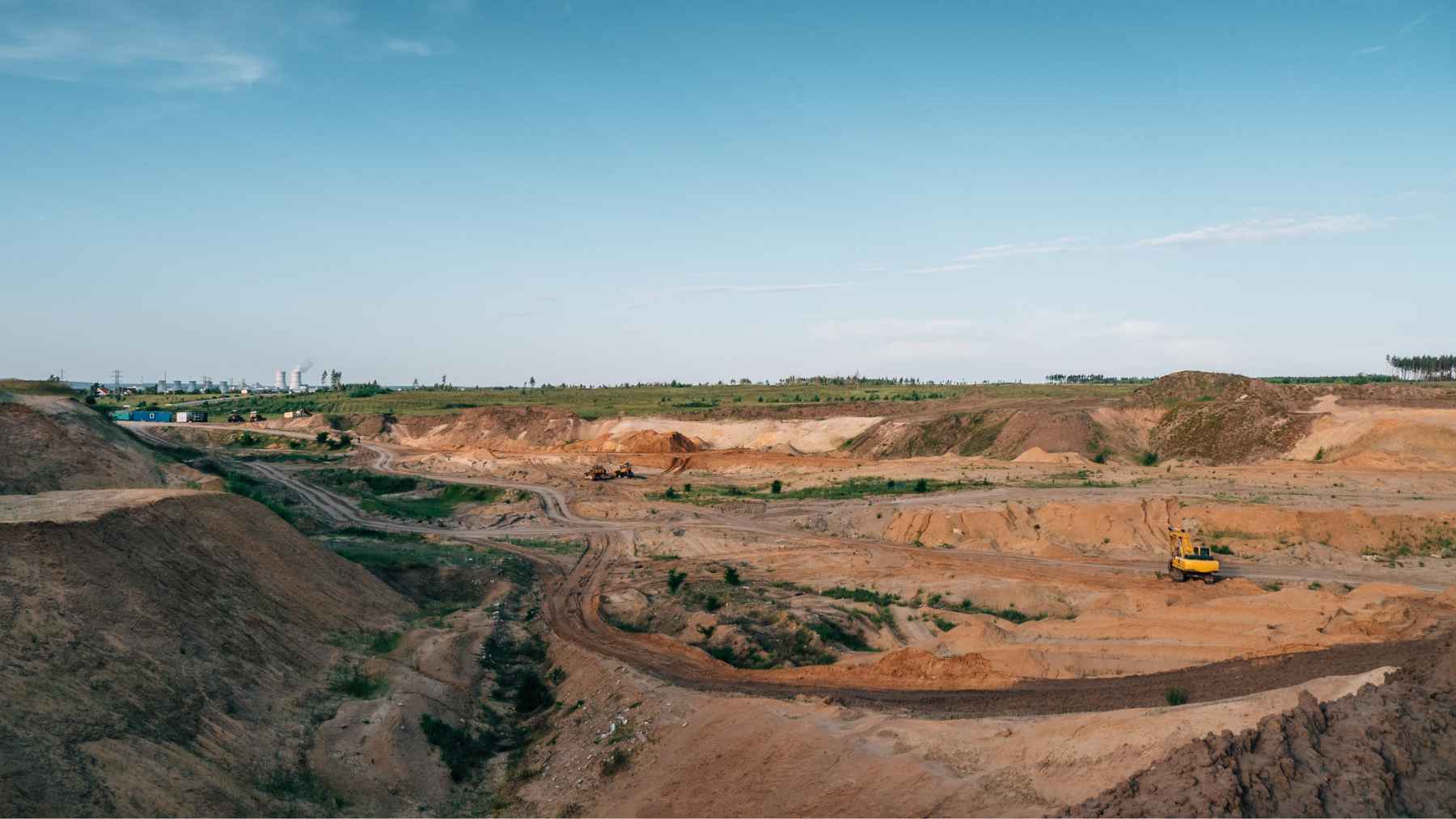
Large sand quarry with excavators extracting sand, illustrating industrial-scale sand mining linked to global shortages.

Not gold, not oil: sand, the world’s second-most used resource, is being consumed at 50 billion tons a year, and shortages are already pointing toward a global crunch

—
June 8, 2026 at 12:30 PM
Previous Next