The Sihwa Lake Tidal Power Station in South Korea may get toppled as the world’s most powerful tidal barrage. If the U.K.’s Mersey Tidal Power proposal goes from plan to action, its generation capacity could almost triple that of Sihwa Lake’s 254 megawatts.
The idea dates to 1924, yet as of Aug. 8, 2026, the project had no confirmed line across the estuary and its expected planning submission had not arrived. Its developer also needed government-backed money for a full business case. The concept is drawn, but the decisions around it are not.
How tidal range power works
Tidal range power uses the height difference between high and low water, not mainly the speed of a current. A barrage holds water on one side, lets that difference build, then releases it through submerged turbines. Picture a hydroelectric dam whose reservoir fills and empties with the sea.
The Mersey’s tidal range can reach about 10 meters. Its predictable pattern repeats over a 17.6-year cycle, allowing generation to be planned far ahead of the next electric bill. The proposed system could use incoming tides, outgoing tides, or both, creating up to four generating periods each day.
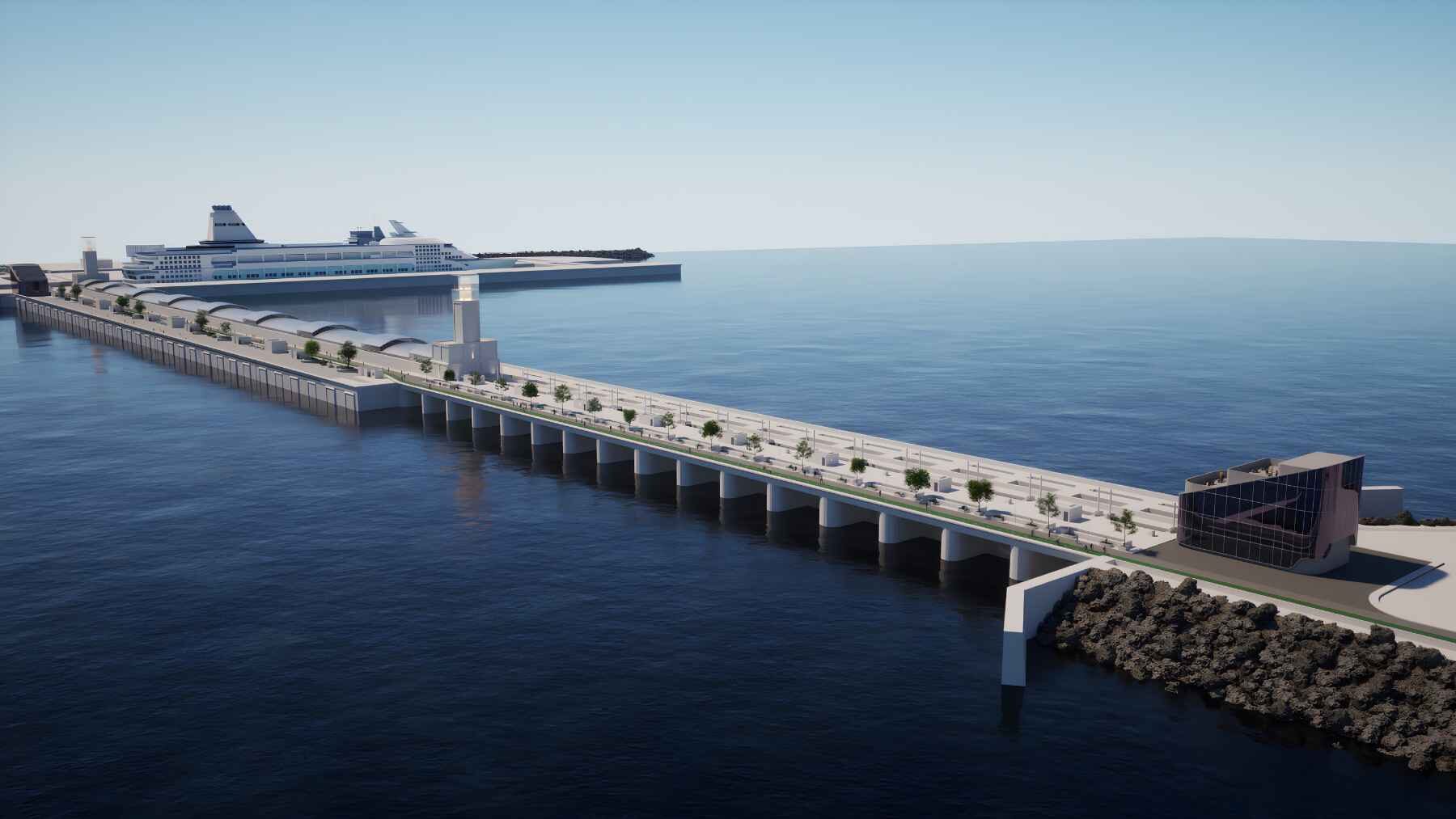
A wall built around a working port
The design calls for 28 turbines rated at 25 megawatts each, giving 700 megawatts of planned capacity, a measure of maximum output. A broader planning limit allows up to one gigawatt, which explains the larger number in older reports. Sluice gates would manage water levels and release water when needed.
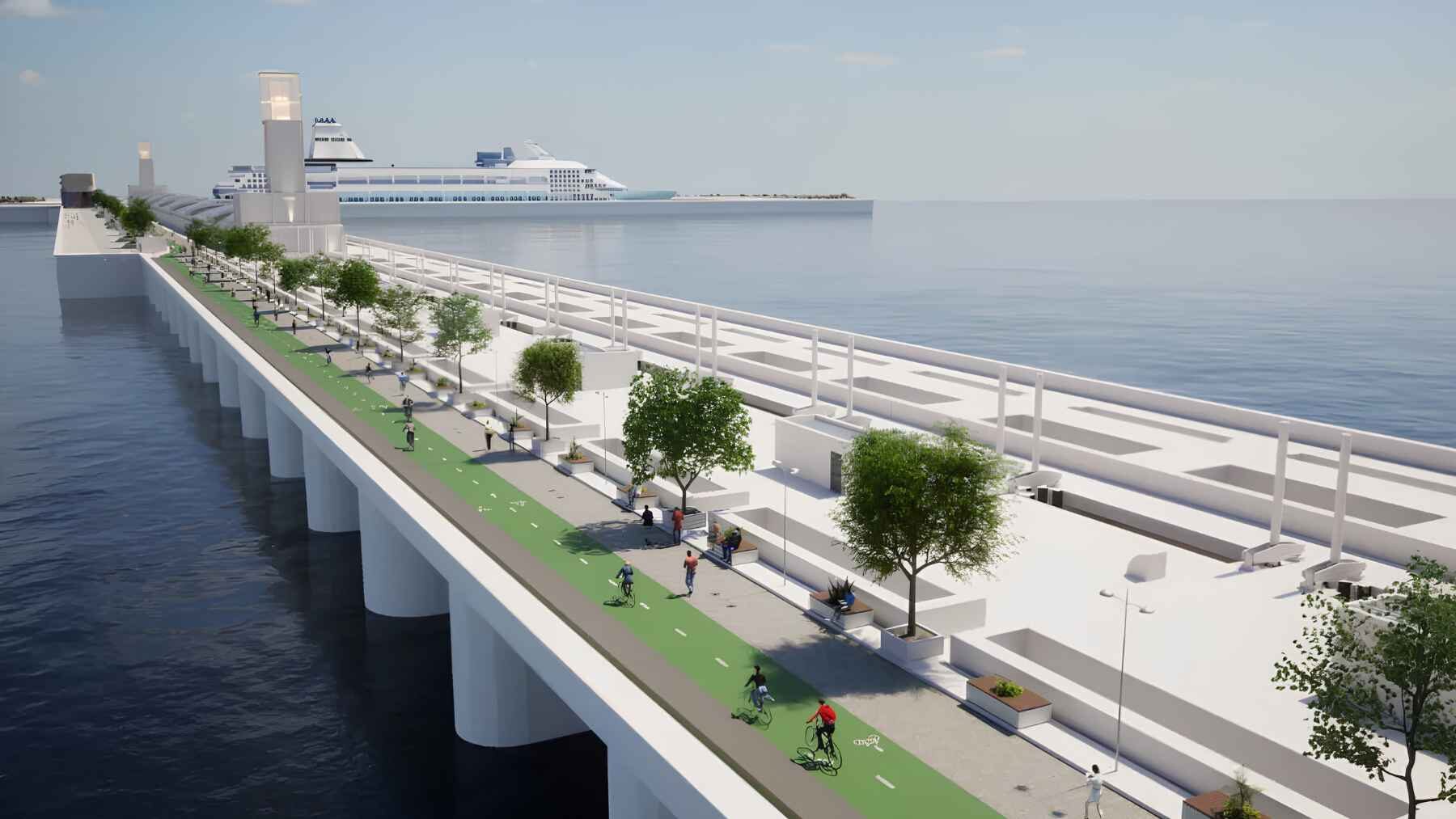
The Port of Liverpool cannot simply be sealed off. Marine locks would keep ships moving, while the barrage could carry the first walking and cycling route across the river. Construction is estimated at 7 to 10 years, with an operating life of at least 120 years.
Far bigger than today’s tidal leaders
South Korea’s Sihwa Lake plant runs 10 turbines and boasts 254 megawatts. France’s La Rance station has 240 megawatts and has generated power since 1966. The proposed Mersey barrage would have nearly three times Sihwa’s capacity.
The regional authority has been learning from those who already run this technology. It extended its cooperation agreement with K-Water, Sihwa’s state-owned operator, for two years in November 2025. Still, copying lessons is easier than copying scale.
The barrage still has no final address
The project team has been comparing locations and configurations through a formal review called the Barrage Scheme Options Appraisal. A recommendation was scheduled for a June 12, 2026, authority meeting, but the decision register still showed it awaiting determination in the supplied source. Four possible grid connections also remained open.
The public timeline still shows a planning application in 2026 and a government decision in 2028. Yet the authority said in January that the full business case was now expected in 2030. In practical terms, the old construction date and the newer financing timetable no longer fit neatly together.
Money is the real bottleneck
The reported construction estimate is about $4.7 billion at early August 2026 exchange rates, with roughly 3,300 skilled jobs linked to the project. After a year of talks with national departments, the authority said it had not secured the development funding needed to complete the business case. That document would let the Treasury and investors assess a final commitment.
The policy door remains open. The Department for Energy Security and Net Zero has published criteria covering energy benefits, environmental mitigation, value for money, ports, jobs, and financing. A National Energy System Operator study estimated that tidal range could cut wholesale power prices by about $161 million a year from 2037 through 2060, but said funding options needed more work.
Industry disputes parts of that analysis. The British Hydropower Association said it relied on “flawed assumptions and outdated modelling,” including project sizes and locations it considered unrealistic. That disagreement matters because a barrage demands enormous spending before its first electricity reaches a home.
The estuary gets a vote, too
Local support has been strong. The first public engagement received 3,039 responses, and 84% backed the plan, while 1,238 people attended 10 drop-in events. That is a political asset for a project that could reshape the river for generations.
Wildlife groups see another side. The Royal Society for the Protection of Birds (RSPB) says the protected estuary supports more than 100,000 nonbreeding waterbirds and is “deeply sceptical” that a barrage can avoid serious damage. Mudflats, water quality, fish movement, and feeding grounds will be central to any consent decision.
Liverpool’s counterargument is flood protection. Authority modeling says sea level could rise by about 2.6 to 3.9 ft. by 2150, and that properties at risk could triple if existing defenses stay unchanged. Because a barrage can restrict an incoming tide, flood resilience is now a core objective.
A new government now holds the pen
Official records show Andy Burnham became prime minister on July 20, 2026, and Miatta Fahnbulleh was appointed energy secretary the same day. The energy secretary ultimately decides the Development Consent Order, the national approval required for major infrastructure. Her department is also being asked to support the work needed before that decision.
As of Aug. 8, no national announcement had committed money specifically to the Mersey barrage. The project remains technically ambitious, locally popular, environmentally contested, and stalled by ordinary paperwork. A century of predictable power is still waiting on a location, a financing plan, and signatures.
The official project information has been published by the Liverpool City Region Combined Authority.