As the first droplets of snowfall begin to settle on nearby rooftops and fields, solar panels are also being covered by this first snowfall of the new season. The sight of the snow covering the panels has proven to be a cause for concern. While many homeowners believe their solar panels will stop working due to the layer of snow covering them, the opposite seems to be happening. This strange effect produced by solar panels will get even stronger when more snow starts to fall.
The snow arrives and causes a strange effect on solar panels
During the colder winter months, one fact about solar panels proves to be true. Solar panels do operate more proficiently during colder weather. Photovoltaic cells perform even better when it is colder. With the temperature dropping, each cell’s electrical conductivity improves. Despite the assumption that a layer of snow may prevent the solar panel from trapping the sun’s light, modern solar technology ensures that the panels continue to function despite the snow.
This strange effect is based on the principles of how solar energy systems are designed, which enable them to thrive throughout the year. Solar panels are thus powered to work all year round.
Colder weather proves that solar panels are more effective in the cold
While most household appliances do not perform better when they are cold, photovoltaic cells are quite the opposite. The reason is that when sunlight shines on a sheet of snow, it doesn’t disappear but bounces back. Since fresh snow is highly reflective in nature, it redirects sunlight onto the panels either underneath or around. In this way, light exposure increases. Snow results in a mirror-like effect that increases solar productivity.
According to researchers at the U.S. Department of Energy’s Regional Trust Center in Vermont, solar panels worked at consistent output levels, even during the colder winter months. According to these researchers, solar panels sometimes outperform the expected performance during the colder months.
Solar productivity is at its peak during colder months, producing cleaner power
While snow reflects light, it also cleans the light. When the layers of snow melt off the panels, they take away all the debris and dust, too. The glass surface is left shiny and clean. The natural cleaning process results in better output of the panel thereafter.
Since snow tends to be softer, fall gently, and feel lighter, sunlight can penetrate through the snow layers onto the photovoltaic cell. Thus, the performance of solar panels during the colder winter months can compete with the solar panel’s performance during summer months.
Sweden, too, understands this strange effect since Sweden has unveiled the golden Solar Egg, which at 176°F above the snow, hints at a new solar era for solar surfaces. The new era of solar power surely is here, and it is one where the performance of photovoltaic cells is not affected or reduced by snowfall in the slightest.
Winter, a season where solar power can be generated
According to the U.S. Department of Energy, solar panels do not lose efficiency during winter, and that is the strange effect that seems to be on everyone’s lips. Since solar panels do not lose efficiency when it is colder, they gain efficiency in winter. Snow will become more frequent as the season progresses, and we can assume that solar power’s efficiency will increas,e too.
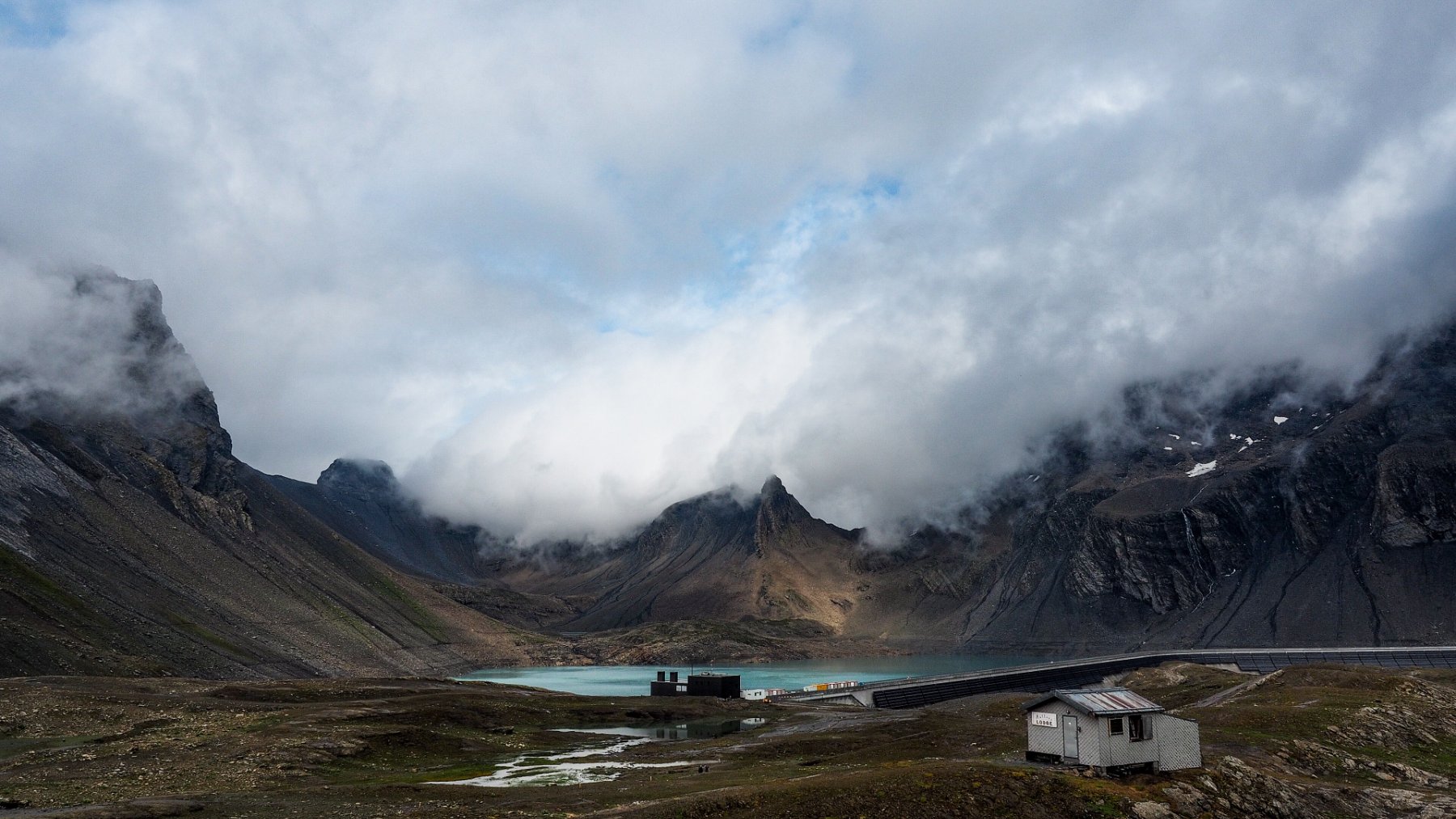
Sometimes nature and technology work hand in hand to produce the strangest results, and sometimes these results are in favor of clean energy generation. It makes sense now why Switzerland could cover the Alps with solar panels to achieve something impossible. The new photovoltaic project by Switzerland may have come as a surpri,se but yet again the results produced are nothing short of amazing.
Disclaimer: Our coverage of events affecting companies is purely informative and descriptive. Under no circumstances does it seek to promote an opinion or create a trend, nor can it be taken as investment advice or a recommendation of any kind.