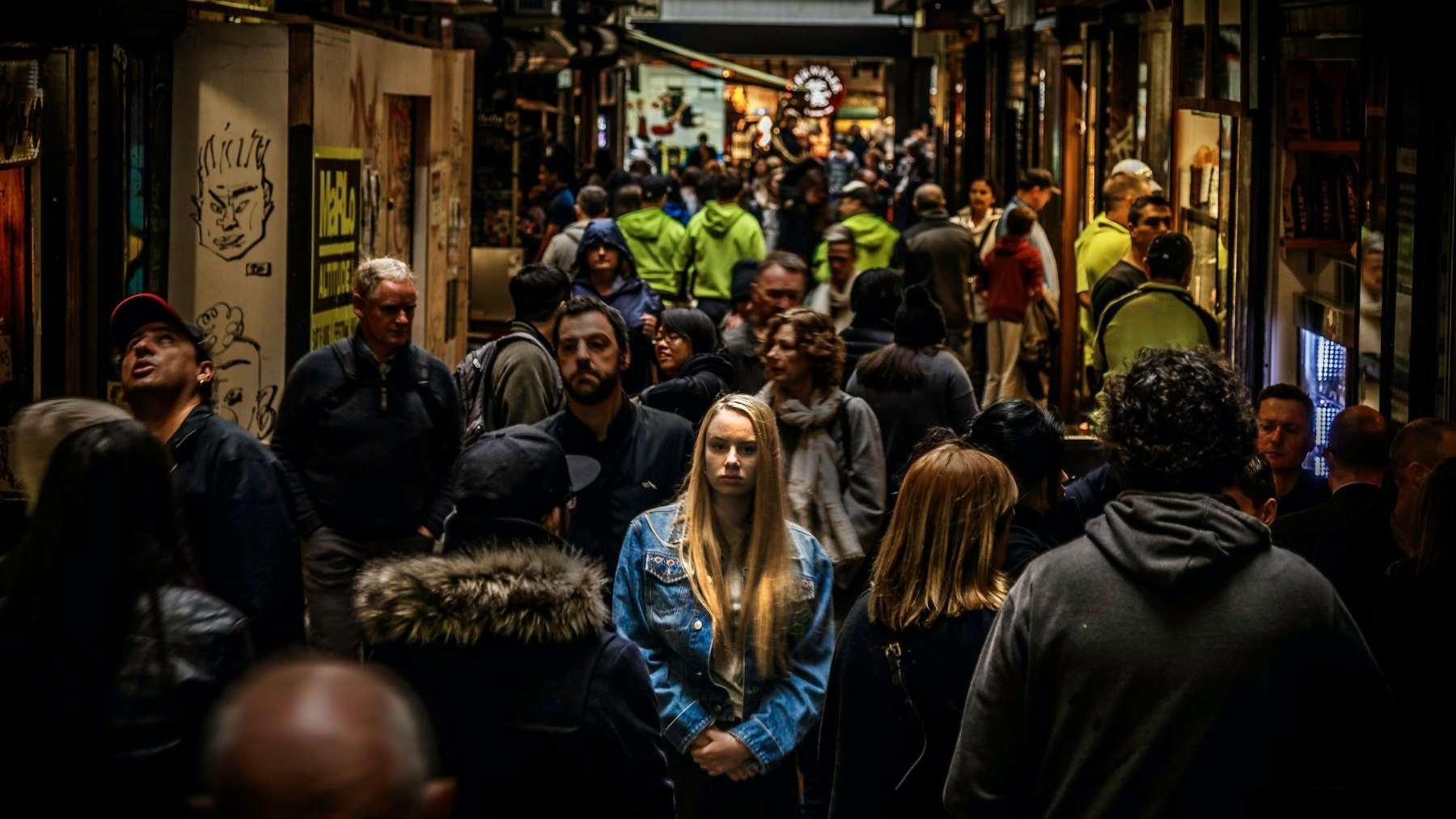
“Since Sept. 14, I have spent a lot of time alone,” Bea L. Hines, an 88-year-old Miami columnist, wrote on Oct. 1, after a bout of flu kept her indoors and away from friends she didn’t want to infect. “And, yet, I wasn’t lonely.” She had just read about a new study on loneliness and social isolation, and its headline number stopped her. “When you are already 88, you don’t want to even think about losing six years of your life,” she wrote in her column.
That number comes from a Tulane University-led analysis of 277,489 British adults, published Aug. 20 in Nature Communications, which found that men who were both lonely and socially isolated could expect about 5.8 fewer years free of depression or anxiety from age 50 than men who were neither, while for women the gap was about 3.7 years. Free of physical disease, the gap was smaller, 2.4 years for women and 1.7 for men.
“Overall, the study found that social isolation and loneliness can have a significant impact on disease-free life expectancy,” Lu Qi, a professor at Tulane’s Celia Scott Weatherhead School of Public Health and Tropical Medicine, said in the university’s announcement. “This includes both physical and mental disease.”
Being alone and feeling alone
The participants came from UK Biobank, were 40 to 69 when they joined and started out free of seven chronic conditions, type 2 diabetes, heart disease, chronic lung disease, neurodegenerative disease such as dementia, cancer, depression and anxiety. The researchers then estimated how many years each group could expect to live, from age 50, without developing them.
Social isolation, in the researchers’ terms, is about how much contact a person has with others, while loneliness is the feeling that those relationships fall short, however busy a person’s calendar looks, and the Centers for Disease Control and Prevention draws the same line. Hines put it her own way, looking back on years as a young mother with postpartum depression, an empty nest and caring for her mother after a stroke. “Loneliness creeps in whenever there is an opening in your life, an empty space,” she wrote, and she filled hers with church, sewing and work as a journalist.
“The findings weren’t surprising to me,” Qi said, pointing out that earlier studies had already tied isolation and loneliness to premature death, and that this one adds evidence on healthy years lived.
What the numbers say about men and women
Qi linked the larger gap for men to gender differences. “Our research found men are more susceptible to being affected by loneliness,” he said in the announcement. The paper’s own breakdown for depression and anxiety is more mixed, though. For loneliness without isolation, women lost about 3.9 years free of those disorders and men 2.9, and for isolation without loneliness, women lost 2.0 and men 3.0, so the bigger male gap shows up with isolation and above all when the two come together.
The physical and mental figures describe different outcomes and shouldn’t be added up, and they are population estimates, not a number of years any one person should subtract from their own life.
Healthy habits helped with one but not the other
A healthier lifestyle, including diet, exercise, sleep and not smoking, went with a smaller loss of disease-free years linked to isolation. For loneliness, the extra gap did not narrow significantly across lifestyle groups, although people who felt lonely still did better with healthy habits than without them, which led the team to suggest the two problems may call for different kinds of help. Researchers at Oregon State have reported something related, finding that support through social media eased loneliness far less than real-life ties.
The study is observational, so it shows associations and can’t prove that loneliness or isolation caused the missing years. Loneliness and isolation were measured once, at the start, and UK Biobank volunteers don’t represent the whole population, which matters for readers in the U.S., where, as the Tulane announcement notes, roughly half of adults are lonely according to a 2023 report. The team’s next step is to study other groups and test cause and effect in clinical trials.
Friendships take upkeep as people age, a point psychologists have made about growing old, and research has also looked at people who reach 60 without close friends. Hines makes no claim to have the answer for everyone. “I know it isn’t that easy for everyone. And I am no psychologist: I can only say what works for me,” she wrote.
Photo: Mike Wilson / Wikimedia Commons (CC0)