One company is ditching boring black solar panels in favour of aesthetic cohesion. What will this mean for the appearance of our cities and homes?
Do all of our solar panels have to be black?
We are all familiar with the standard black solar panels that dot our landscapes and lie atop our buildings, darkening even the most colorful environments. The black of most solar panels, far from being a purely aesthetic choice, serves a scientific purpose.
The silicon that makes up a solar panel naturally becomes black during the manufacturing process. Solar cells are made of one silicon crystal. These monocrystalline solar cells are black in appearance. Black, then, is the default color of your everyday solar panel.
Black is also more absorbent than other lighter shades. Have you ever noticed how black cars get hotter than white cars when left in the sun? Well, the solar panel works on the same principle. Black absorbs heat better than other colors.
It would seem then that black is the perfect color for solar panels, but is it the perfect color for our buildings?
If black solar panels work so well, why mess with perfection?
The simple answer is that it is not perfect. The typical black solar panel can be a bit of an eyesore. Many developers choose lighter shades like white for their buildings. Not only does white repel heat, minimising energy costs during increasingly hot summer months, but it also looks good.
Lighter shades are pragmatic in their uniformity and general appeal. As a result, more and more buildings are being painted white or other lighter shades.
It is a shame then, that people who wish to become self-sufficient through the use of solar panels must sacrifice the visual appeal of their buildings. But is such a sacrifice really necessary?
Can solar panels be made in a range of different colors?
Aside from the slightly abnormal and very expensive anomalies (this solar panel is making waves in the scientific community due to its immense power capabilities), Solarix has begun to develop solar panels in full white and white.
White is the most difficult color to produce solar panels in. It seems counterintuitive to have a solar panel in a shade that typically reflects rather than absorbing sunlight. Through Solarix’s intensive designing efforts, they have proven that where there is a will, there is always a way.
Their full white solar panels blend seamlessly into the white edifices of buildings, helping them reduce expenditure on cooling systems while also maintaining the self-sufficiency that solar panels enable. Their white solar panels have a similar aesthetic effect, but have higher energy yields.
Green, turquoise or blue: the possibilities seem endless
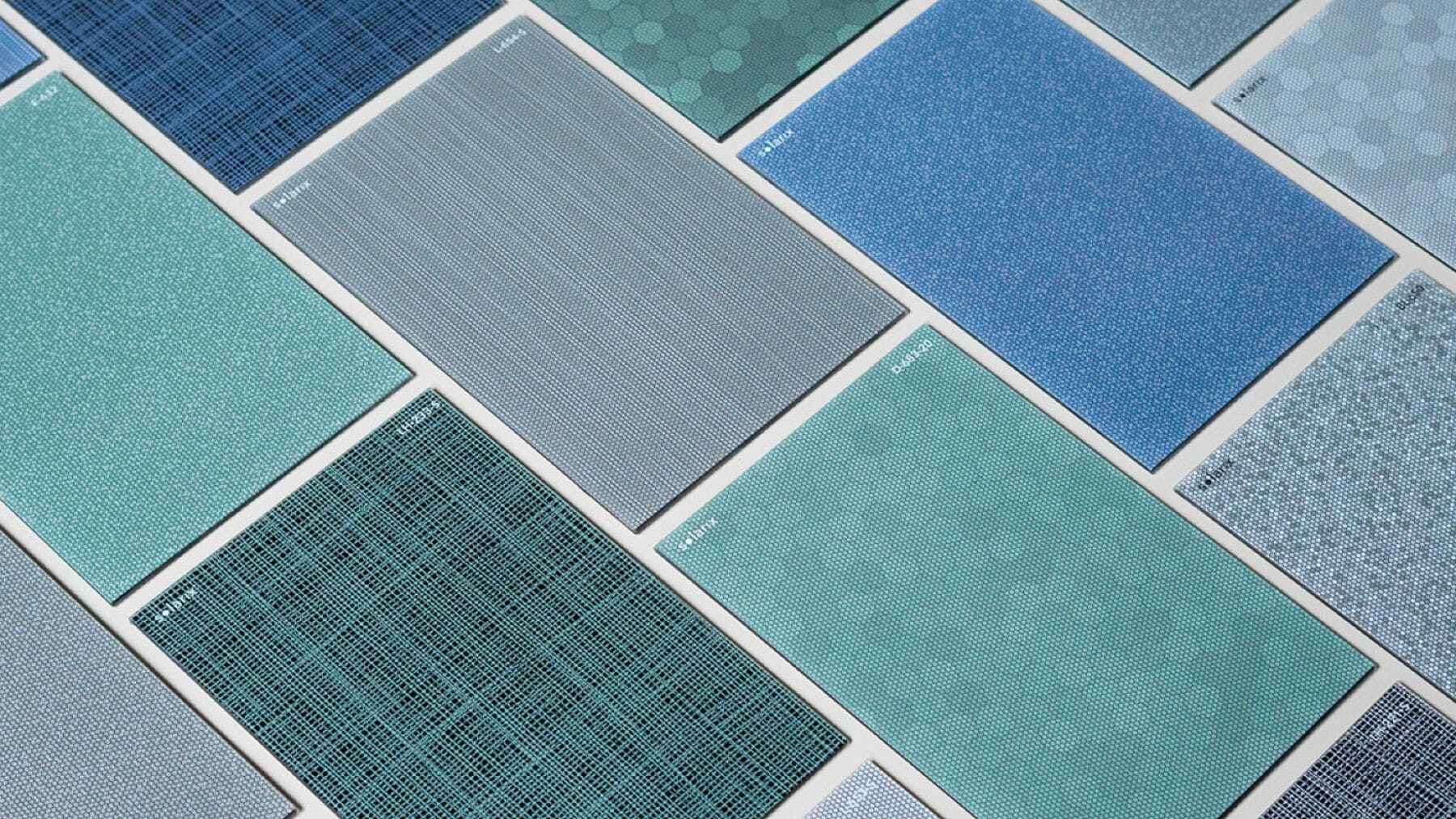
Solarix did not just stop at white. Their website allows you to choose from a vast array of colors. Solar panels can be bought in anything from a vibrant forest green and a bright deep blue, to a moss green and muted ochre for a more ‘natural’ look.
Houses and buildings can once again be tools for self-expression and brand identification without having to sacrifice aesthetics in the name of environmentalism.
The future of solar panels is looking bright – literally
Gone are the days when solar panels clash with the environments in which they are placed. Solarix has proven that solar panels do not need to stand out, announcing their presence to the world. They can be both functional and visually appealing. These solar panels do not detract from the look of a building, they enhance it.
Solarix’s solar panels seem to be a part of a broader shift to visually appealing renewable energy infrastructure (like this wind turbine which is changing the way we view renewable energy, literally). Environmental consciousness never looked this good!