As the world shifts to being sustainable, new design solutions that enhance the sustainability of structures are more relevant as of now. One of such projects is the recycling of a wind turbine nacelle and converting it into a solar-powered tiny house.
This remarkable project, presented during Dutch Design Week 2024, was designed by Superuse Studios and Vattenfall and proved the great potential of reusing materials to create something sustainable and valuable.
How a decommissioned wind turbine becomes a stylish tiny house with all modern amenities
Wind turbines have been viewed as clean energy for a long time now, but any machine has an operational time, and when these wind turbines are decommissioned, what do we do with the parts? Many of the components in a wind turbine are reusable, but recycling them calls for energy-consuming procedures.
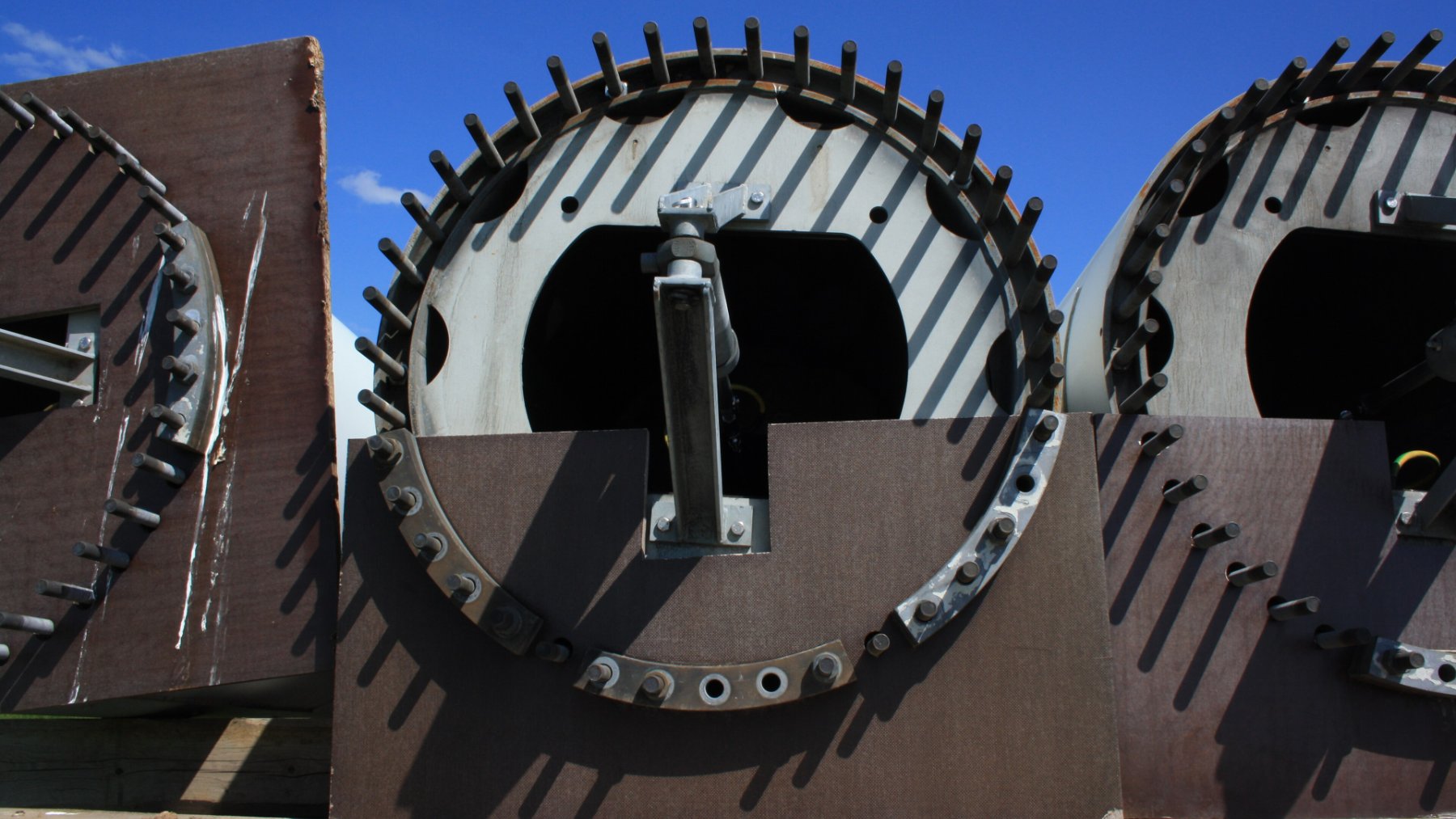
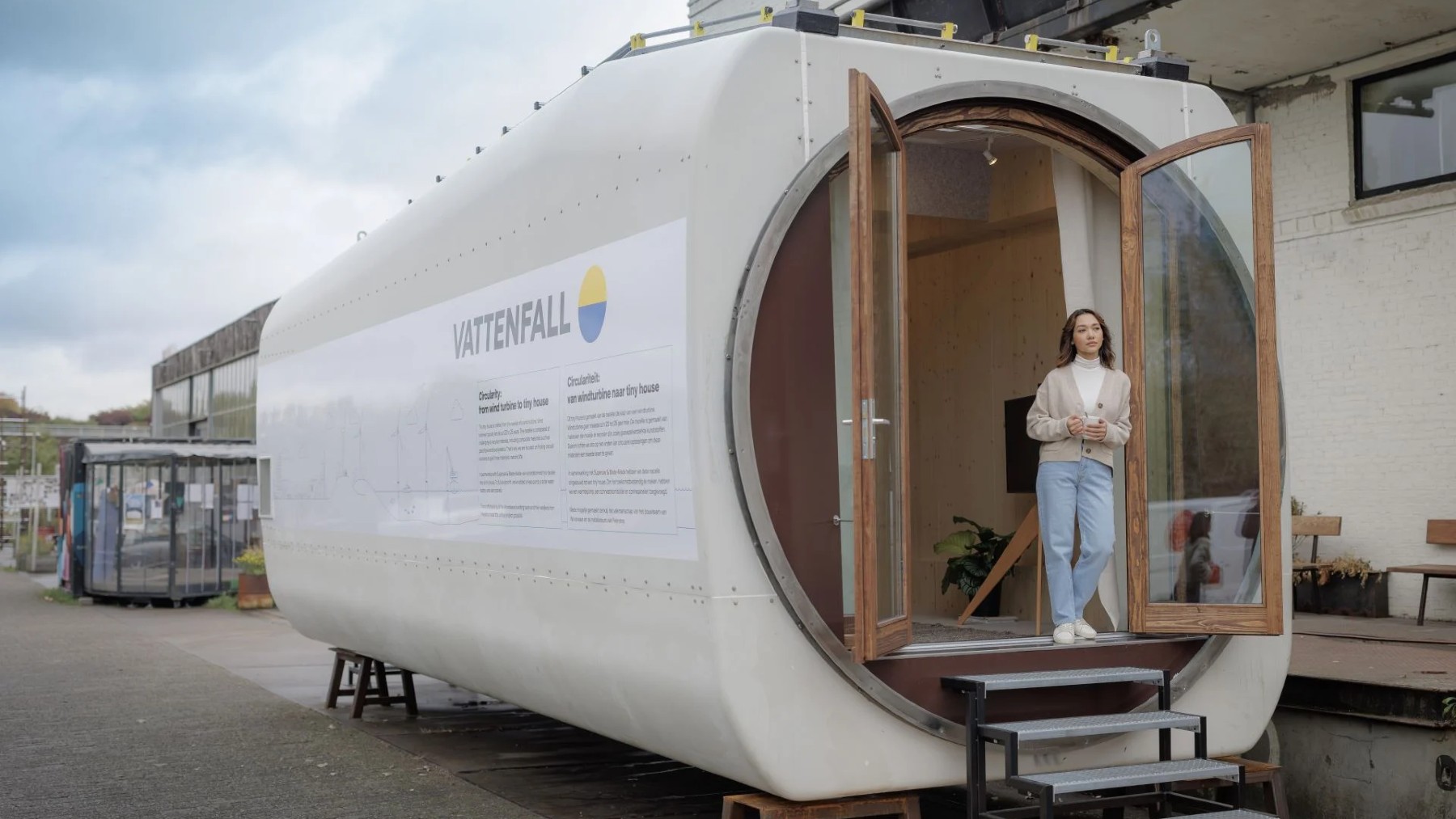
Rather than allowing such materials to be wasted, Superuse Studios and Vattenfall decided to repurpose one of these turbines. The focus is on the nacelle, which is the housing that encloses the wind turbine’s engine and which was used at a wind farm in Austria for almost 19 years.
This nacelle was later transformed into a warm and fully functional tiny solar-powered house, which may contain all the necessary amenities for a sustainable life. The wind turbine nacelle is not just a variation of a new use of an old part – it is a tiny house with all the amenities.
The home measures 10 meters in length and 3.5 meters in width and has a kitchen, bathroom, and living area. But it doesn’t stop there. Some of the current technology features include solar power, solar water heaters, and heat pumps, among others.
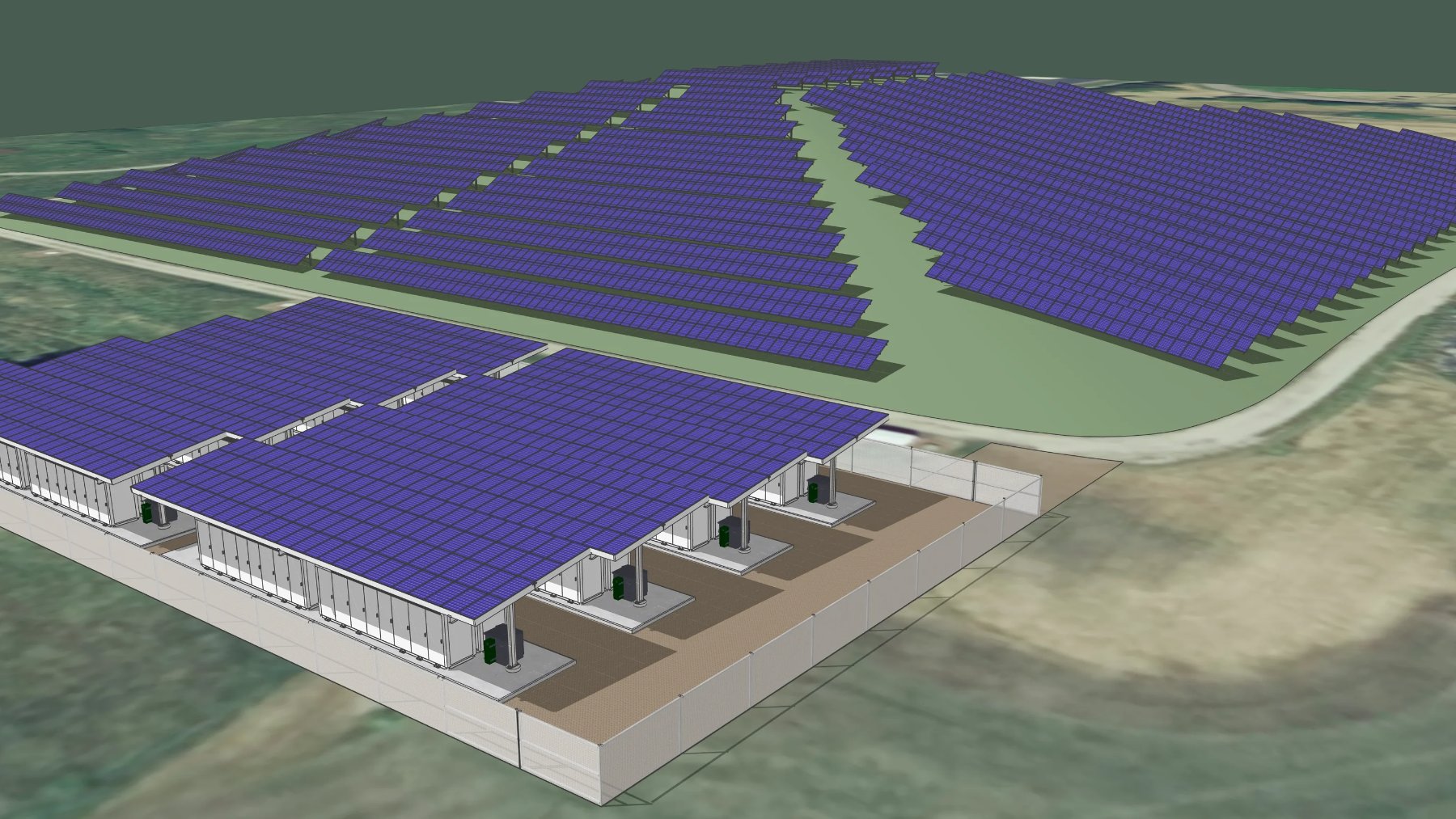
The solar panels produce adequate power for the home so that it can be independently efficient and powered. This setup even contains the ability to recharge electric or hybrid cars, which makes it a perfect example of how renewable energy can be utilized.
Sustainable interior design that maximizes space and functionality in a tiny house
Inside, the wind turbine nacelle has been transformed into a stylish and functional living space. The interior design team, led by Superuse Studios, used sustainable materials, such as wood and earthy tones, to create a warm, welcoming atmosphere.
Recycled furniture from Reliving, a platform for second-hand items, complements the eco-conscious aesthetic. The compact space is not just a house; it’s a demonstration of how reusing materials, both in the construction and the furnishings, can help reduce waste and promote sustainability.
Inside, the wind turbine nacelle has been converted into a stylish and rather practical living space. Interior designers at Superuse Studios incorporated environmentally friendly materials such as natural woods and warm colors to give the home a cozy look.
Second-hand furniture from Reliving, a website selling reused items, fits the green theme. It is not just a house but an example of how the construction of the compact space and all the furniture inside can be made with reused material.
Together with the use of environmentally friendly materials for the construction of the house, the interior space is organized in such a way that the small area of the house is used optimally.
Clever storage, pieces that have more than one use, and window placement help make the home look spacious and not congested. Some of these design decisions are not only functional for the space but also demonstrate how green building design can address contemporary needs and desires.
A vision for sustainable architecture that balances comfort, style, and environmental impact
Inside, a nacelle of the wind turbine has been turned into a chic and practical dwelling. Superuse Studios was tasked with the interior design and made sure to incorporate recycled wood and natural colors to make the place warm.
Furniture from the Reliving second-hand marketplace is also used, which matches the environmental focus of the store. It is not just a house that is compact; it is a house that shows how recycling materials in the construction of the house and the furniture used in the home is important in cutting down waste.
Not only has the use of green materials been incorporated throughout the building, but the interior design also provides efficient use of space while at the same time providing comfort. Clever storage, versatile furniture placement, and well-chosen windows allow avoiding the feeling of being inside a large box and keep the home as spacious as possible.
All these choices not only improve the functionality of the space but also show that it is possible to achieve sustainable architecture that will fit today’s trends without compromising comfort and style.