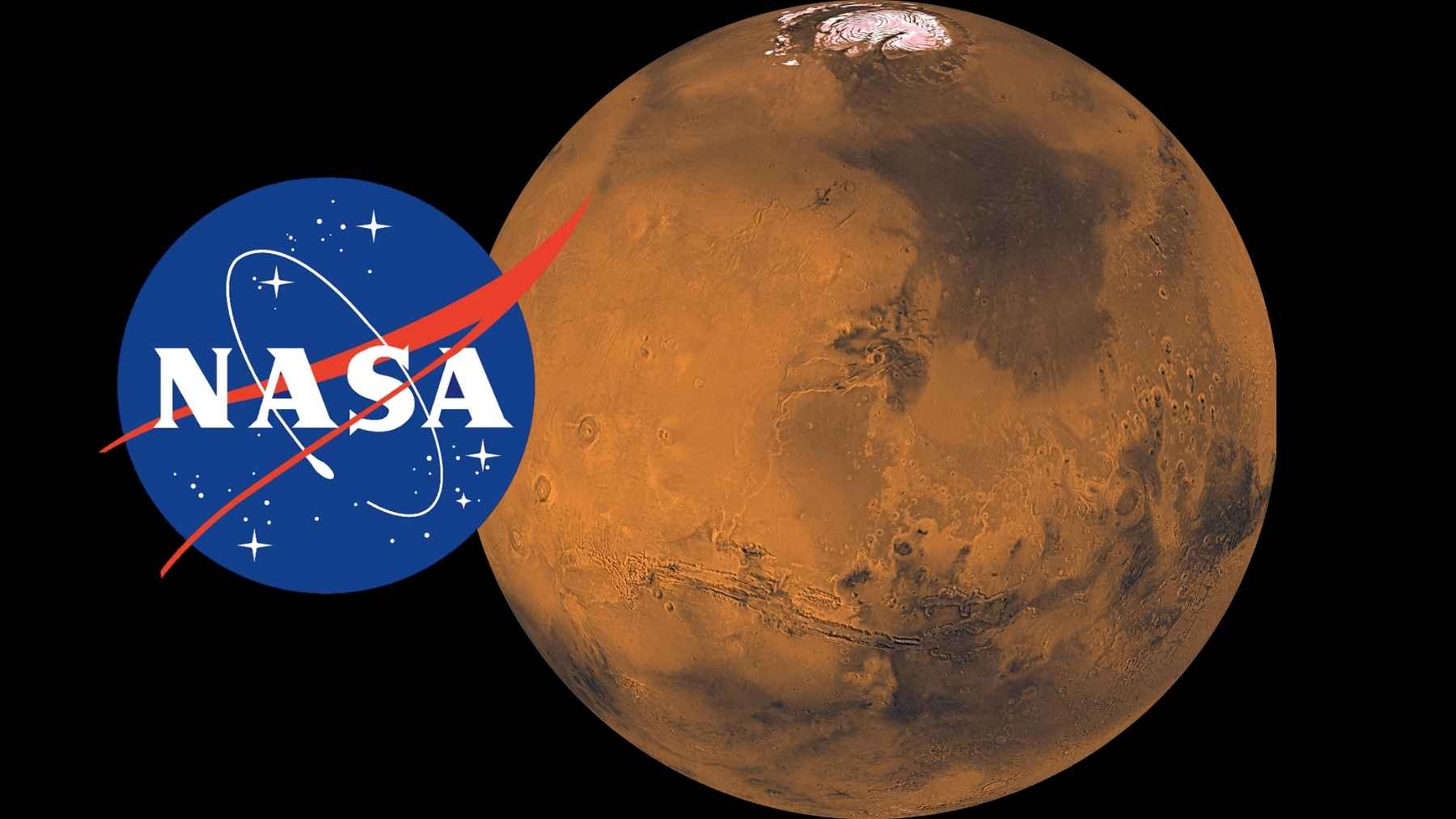
For the last 50 years, humans have supposedly been just 20 years away from travelling to Mars. However, by August 2026, NASA’s architecture documents still do not give a clear date for the first landing on Mars with crew.
This does not mean that a human mission to Mars is impossible. It does show that choosing a destination, developing the appropriate systems needed to reach it, and approving an actual flight program are three different things. For the moment, NASA is using the Moon to practice its landing, with Artemis II currently test ing the next step of the plan.
Estimated dates depended on unfinished phases
In 1969, following the Apollo era, NASA’s Space Task Group considered different paths, including a space shuttle, a base on the moon, and preparing a mission to Mars in the 1980s. For this proposal, NASA needed to double its budget by 1980. If this was not possible, a second, more affordable option, estimated going to Mars around the year 1986.
But there were previous steps that had to be completed to achieve this, such as the stations and lunar bases. These were not approved according to that schedule. This meant that the project did not get the political support and industrial program it needed.
Europe and its timeline
Europe planned to take people to Mars around 2030 or 2033. Following the ESA’s Aurora roadmap, the first step was a demonstration mission to the Moon and a trip to Mars with robots.
But ESA described the roadmap as a plan that would keep evolving, and the target date for a crewed landing slowly disappeared. However, the idea of robotic exploration still continues. Europe continues working on a mission to search for life on Mars.
So, these estimated dates are merely estimations. They can only be accomplished if all previous missions and stages are actually achieved.
NASA is working on the details
Today, NASA updates its timeline through an annual Architecture Concept Review that assesses and chooses different options. The agency has chosen nuclear fission as its main source of power and is still evaluating how big the crew should be, while Perseverance’s marathon drive across Mars shows the slower robotic progress already in progress.
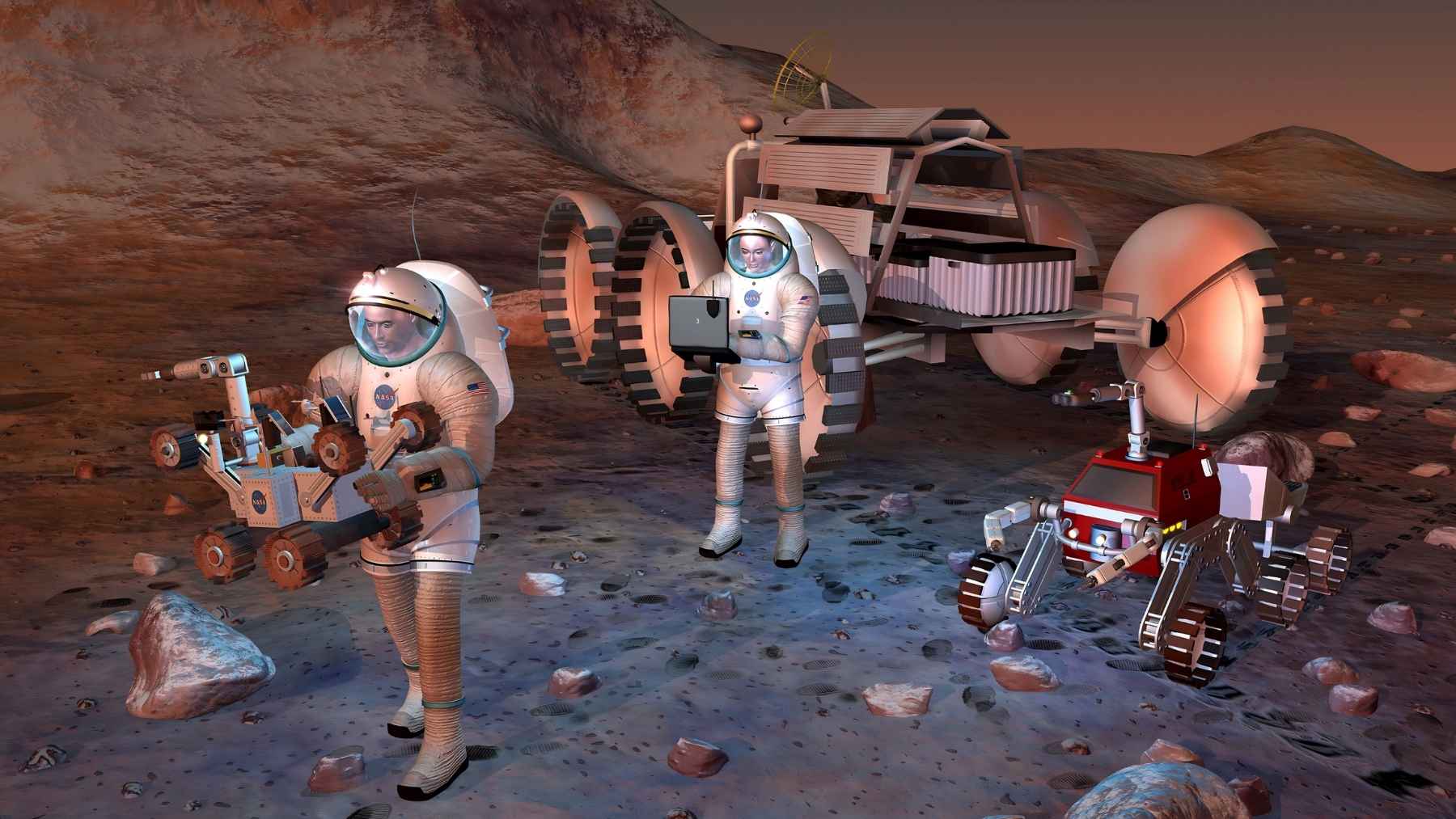
But there are still important decisions to make. NASA’s Mars architecture trade space is still designing the landing of crews and cargo, if the lander and ascent vehicle should be combined, and where its ascent propellant should come from.
Coming home is the hardest part
NASA has already landed robotic spacecraft on Mars, but it has never launched one from its surface back into orbit. Until that can be done, it seems difficult to set a realistic date for sending people there. A crewed mission also needs reliable life support, surface power, radiation protection, and a proper plan to return to Earth.
The challenge can be seen even in robotic programs. Problems with the Mars sample-return effort have shown how cost, hardware, and modifications to the mission design can affect the schedule well before astronauts are involved.
A credible date
To set a believable date, it is necessary to have a detailed plan. It should also explain how the equipment and vehicles will be tested, where the astronauts will live, how supplies will reach the surface, and how the crew will eventually return home. It also needs the commercial and international roles to add a private Mars partner and blend them into one integrated program.
The first person to walk on Mars might be alive today, but right now, the real countdown is not a year written in a headline, it is the number of ideas and plans that eventually turn into tested flight systems.
The latest official Moon to Mars Architecture information was published on NASA.