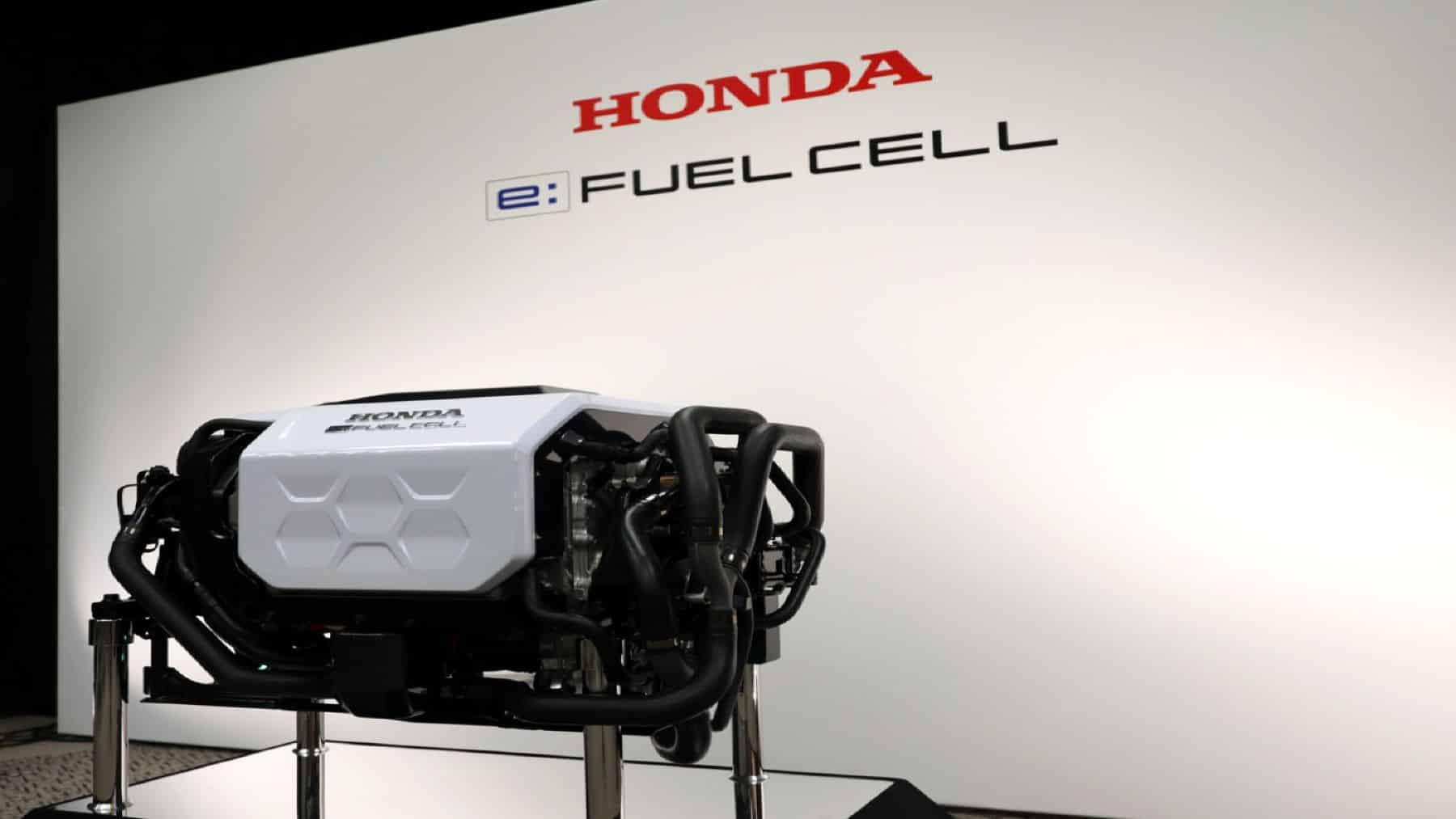
Honda revealed a remarkable hydrogen engine in the automotive market, which caused a worldwide stir in the industry. A new development emerged through General Motors (GM) collaboration to create sustainable transportation. This article delves into the details of this innovative hydrogen engine, its implications for the automotive industry, and the future of hydrogen fuel technology.
Honda launched its industry-shaping move by establishing a partnership with GM that is transforming the market.
A joint venture between Honda and General Motors enables the production of their new hydrogen fuel cell system. A strategic alliance formed between Honda and GM integrated their distinctive areas of expertise because Honda would provide fuel cell technologies while GM supplied manufacturing capabilities. As a result of its partnership, Honda established an advanced hydrogen engine, which produced a transformative effect on the automotive industry.
Honda and GM launched their cooperation in 2013 to build an improved, economical hydrogen fuel cell system. Through extensive research and development, the institutions turned their vision into reality. Because of its commercial readiness, industrial-scale production of the hydrogen engine now achieves milestones for sustainable transportation.
The innovation exposes the unique characteristics of its hydrogen technology that exceed any previously developed system.
Honda and GM have constructed their new hydrogen engine using fuel cell technology, representing advanced development. Traditional internal combustion engines involve fossil fuel combustion power vehicles, but hydrogen fuel cells create power through hydrogen-to-oxygen chemical reactions. Water vapour is the only product output of this process, establishing the technology as an eco-friendly substitute for conventional combustion engines.
The main innovation of this hydrogen engine is its efficient manufacturing and compact dimensions. The new compact design of the fuel cell system provides automobile manufacturers with more flexibility in planning vehicles while delivering better results. The motor offers greater power potential and enhanced driving capability, which tackles some major obstacles of hydrogen fuel cell vehicles.
This brand-new hydrogen engine is starting to reshape the whole automotive sector. Governments worldwide are implementing emissions limits while pursuing environmentally sustainable transportation methods through hydrogen fuel cell technology, which provides an alternative to traditional gasoline and diesel-powered engines. The new Honda engine holds the potential to support hydrogen-powered vehicles and gain more market penetration, which would decrease fuel dependence on fossil sources.
The road ahead: can hydrogen fuel technology replace gasoline-powered cars?
The Honda-GM partnership demonstrates a pathway that future organizations in the automotive field can use for collaborative work. Companies enhance their chances of developing new technologies through the collaborative sharing of financial support and technical capabilities. The joint approach between companies will provide additional opportunities to discover innovative solutions for sustainable transportation.
Honda made major progress with its new hydrogen engine, reaching commercialization success while advancing hydrogen fuel technology. The widespread commercial success of hydrogen vehicle technology requires the removal of multiple existing barriers. The insufficient number of hydrogen stations across the country is a major obstacle to hydrogen fuel cell car uptake because drivers lack regular refueling options.
Honda joins GM in collaborating with government institutions and other major stakeholders to promote the establishment of hydrogen refuel stations throughout the nation. The companies construct additional hydrogen refilling stations(Check out the future of clean energy vehicles), which enhances the practicality of hydrogen-powered cars available to regular consumers. Production scientists strive to enhance hydrogen fuel cell technology through constant research that creates better efficiency and reduced costs.
The road to a hydrogen-powered future is closer than ever
The Honda engine showcases revolutionary advancement because it combines operations with General Motors to transform the automotive industry. This motor utilizes advanced fuel cell technology to build an effective, clean alternative to traditional internal combustion engines. The hydrogen engine is now commercially developed for sustainable transportation systems development.
Modern vehicle development depends heavily on creating novelty technologies, such as Honda’s hydrogen engine, to reduce emissions and establish environmentally friendly transportation systems. The Honda-GM alliance represents a successful blueprint for future business collaborations. It shows how partnerships help organizations solve problems that would be challenging to address alone.
The growing investment support for sustainable transportation benefits hydrogen fuel cell technology. The path toward sustainability continues to be extended because Honda’s hydrogen engine contributes substantially to the advancements(explore the next significant innovation in hydrogen fuel technology). Our company’s innovative and collaborative approach enables us to establish a clean and sustainable future for generations to come.