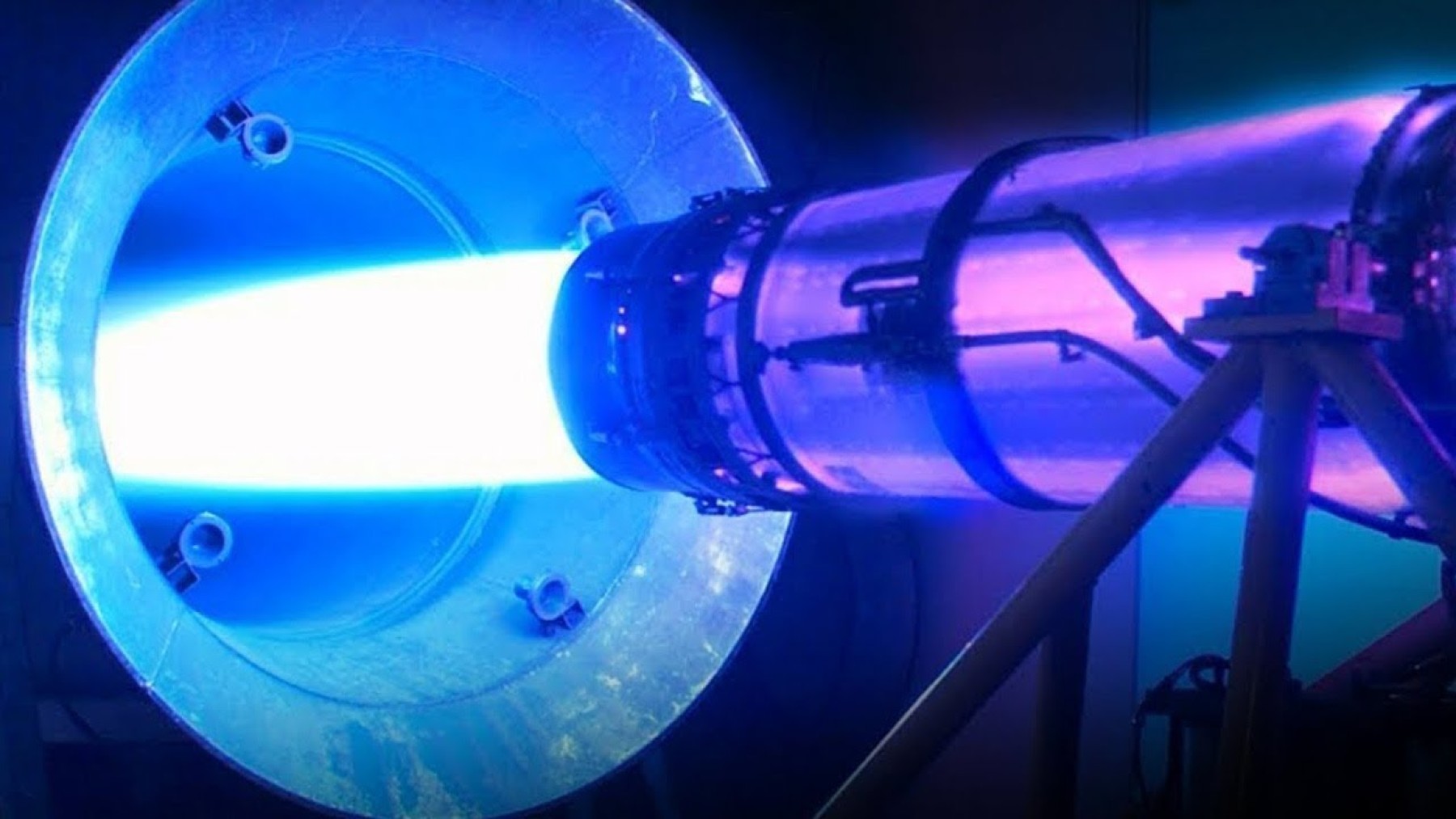
Plasma was first discovered scientifically in 1879 by Sir William Crookes, which is the fourth state of matter after the well-known states of solids, liquids, and gases. Jumping forward over a hundred years, the science of plasma has moved forward to a stage where plasma is being used to create new, efficient car engines.
It is possible that this new engine technology could change the automotive industry and make it much greener. Here’s how this incredible idea, first predicted over 140 years ago, has finally begun to come to fruition.
Understanding the fourth state of matter: What makes plasma unique?
Plasma is usually known as the fourth state of matter. It is different from the three states of matter that are more often than not discussed, which include solids, liquids, and gases, due to the fact that it is made up of charged particles.
In plasma, electrons are stripped off the atoms, and what you get is a soup containing positive ions and free electrons. While plasma is present in about 99% of the universe (stars, lightning, neon signs, etc.), it is not familiar to most of us on Earth. Crookes discovered plasma, and now, with the help of plasma, new and unique technologies are being developed.
Otto cycle, Wankel, and diesel cycles, which run the majority of today’s automobiles, are based on the process of burning a fuel-air mixture. But conventional spark plugs cannot ignite leaner, more efficient fuel-air mixtures with more air than fuel.
This is where plasma comes into the picture. Plasma ignition systems generate far more intense energy compared to a standard spark plug, thus enabling it to ignite the leaner mixtures above. It leads to improved fuel economy and reduced levels of pollution, thus making plasma one of the most critical technologies of tomorrow’s transport.
The future of automotive engines: Plasma technology’s potential impact on the environment
At the moment, plasma-jet ignition technology is adopted by several automotive producers, such as Toyota and Ford. The function of this technology is to use microwave energy together with high voltage to create strong plasma impulses at the spark plug.
These are as yet in the pilot stage, yet there is much potential. Plasma ignition could enhance the burn rate and make automobiles more fuel efficient by as much as 20 percent and also lessen the harm done by conventional internal combustion engines to the environment. The next step is to commercialize these systems, which might be done within the next few years.
The first and probably the most compelling reason for using plasma ignition systems is the capability to minimize the harm caused by internal combustion engines to the environment. Today, the automotive industry is one of the leading polluters in terms of greenhouse gas emissions.
This can be solved by plasma technology through improving combustion engines so that they will consume little fuel and emit little toxic gases. As electric cars become more and more popular, internal combustion engines will still dominate the roads in the near future. In this case, plasma ignition systems present a feasible approach to improving the environmental friendliness of such engines.
Conclusion: Plasma ignition systems—clean technology for a greener automotive future
To sum up, plasma, which was only a theoretical idea more than a hundred years ago, is now a critical component in the creation of the new generation of clean-burning combustion engines. Even more, development could bring plasma ignition systems to the automotive industry as the link to a better future while maintaining ICE in the picture.
The prospects for plasma are not limited to automotive, though; potential areas of utilization include energy, aerospace, and environmental. Therefore, plasma technology is a critical innovation for sustainability.
Most read
- US scientists poured 16,500 gallons of lye into the Gulf of Maine and dyed the water bright pink to track it, the first federally approved try at reversing ocean acidity
- Soviet scientists released giant red king crabs into the Barents Sea in the 1960s to build a fishery, but decades later those invaders are still changing the seafloor
- New Orleans is collecting thousands of used Christmas trees and dropping them from helicopters to slow the loss of land, which has already exceeded 5,000 square kilometers
- The U.S. will pay up to $65 million to leave Colorado River water in Lake Mead, and Hoover Dam explains why
- Britain is dropping 20 concrete reef cubes and 44 tons of scallop shells into the sea, and the goal is to bring back oysters down more than 95% since the 1800s