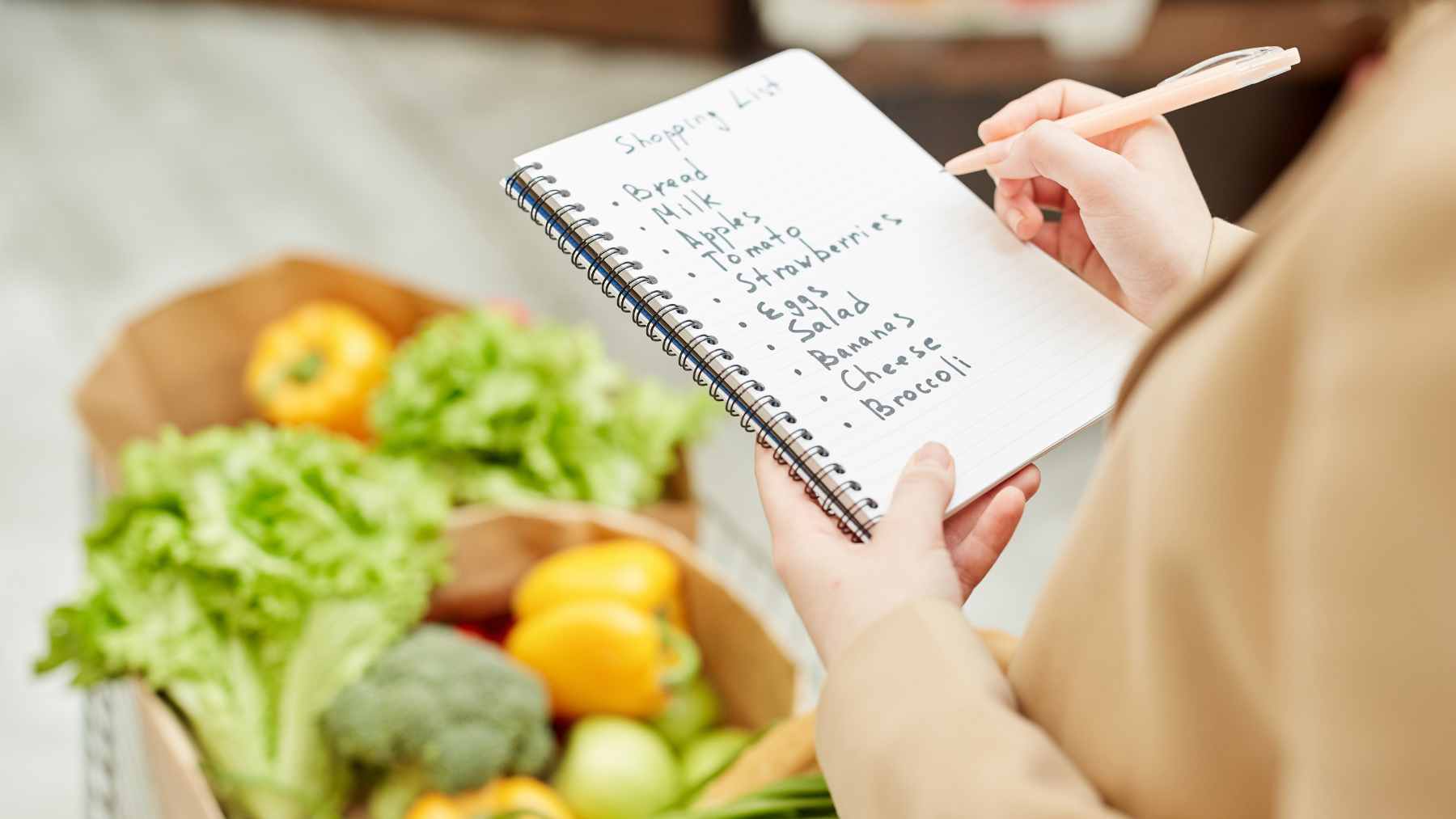
A paper grocery list can look almost comically simple next to a smartphone packed with reminder apps, shared notes, barcode scanners, and meal-planning tools. But psychology suggests that the person walking into the store with a folded sheet of paper may not be behind the times at all.
Research from the University of Tokyo found that writing on physical paper can produce stronger brain activity during later memory recall than writing similar information on a tablet or smartphone.
In everyday terms, that little list stuck to the fridge may be doing more than tracking eggs, milk, and tomatoes. It may be helping the brain rehearse the trip before it even begins.
Paper gives memory a map
The Tokyo study did not focus on grocery shopping, but its findings fit the experience many shoppers know well. Before leaving home, a person with a paper list often checks the pantry, opens the fridge, looks at what is missing, and writes the items down one by one.
That process matters. Researchers found that paper offers spatial and tactile clues, including the fixed location of notes, the shape of handwriting, and the physical feel of the page. Those clues may help the brain build a stronger “map” of the information.
So when someone remembers that bread was written near the top left corner, or that coffee was squeezed in at the bottom, that is not just a quirky habit. It is the brain using place, touch, and movement as memory anchors.
The phone has a distraction problem
A grocery app can be useful, especially for shared households or long lists. But the phone is rarely just a list. It is also the place where messages, alerts, social media, news, and work emails compete for attention.
That is where paper has an advantage. It does not buzz. It does not pull the shopper into a group chat while standing in front of the cereal aisle.
In practical terms, a paper list creates a small zone of focus. You look, choose, cross off, and move on. That simple rhythm can feel almost old-school, but in a crowded store with bright shelves and impulse buys everywhere, less distraction can be a real mental benefit.
Writing is not the same as typing
The Tokyo researchers asked 48 volunteers between ages 18 and 29 to record fictional schedule information using a paper datebook, a tablet, or a smartphone. After one hour, participants answered memory questions while researchers scanned their brains with functional MRI.
The paper group finished the writing task faster, taking about 11 minutes, while tablet users took about 14 minutes and smartphone users took about 16 minutes. The University of Tokyo said volunteers who used paper completed the task about 25 percent faster than those using digital devices.
Even more interesting, the paper group showed more activity in areas linked to language, visual imagery, and the hippocampus, a brain region involved in memory and navigation. That does not mean phones are bad for memory in every situation, but it does suggest that paper can give the brain more details to work with.
The act of crossing off matters
There is also something satisfying about drawing a line through an item once it is in the cart. It is a tiny gesture, but it gives the shopper immediate feedback. Done. Next item.
That physical act can make the trip feel more controlled, especially when the store is noisy, the cart has a wobbly wheel, and someone is trying to remember whether there is enough pasta at home.
A phone checklist can also mark progress, of course. But handwriting and crossing off involve movement, pressure, and visual change on a real surface. Those small signals may help explain why the list feels more present in the hand and, for some people, easier to trust.
Brain connectivity adds another clue
A separate study from the Norwegian University of Science and Technology compared handwriting with typing and found that handwriting produced more elaborate brain connectivity patterns than keyboard typing.
The researchers collected high-density EEG data from 36 university students as they wrote words by hand with a digital pen or typed them on a keyboard.
“We show that when writing by hand, brain connectivity patterns are far more elaborate than when typewriting on a keyboard,” said Professor Audrey van der Meer, a brain researcher at NTNU and co-author of the study.
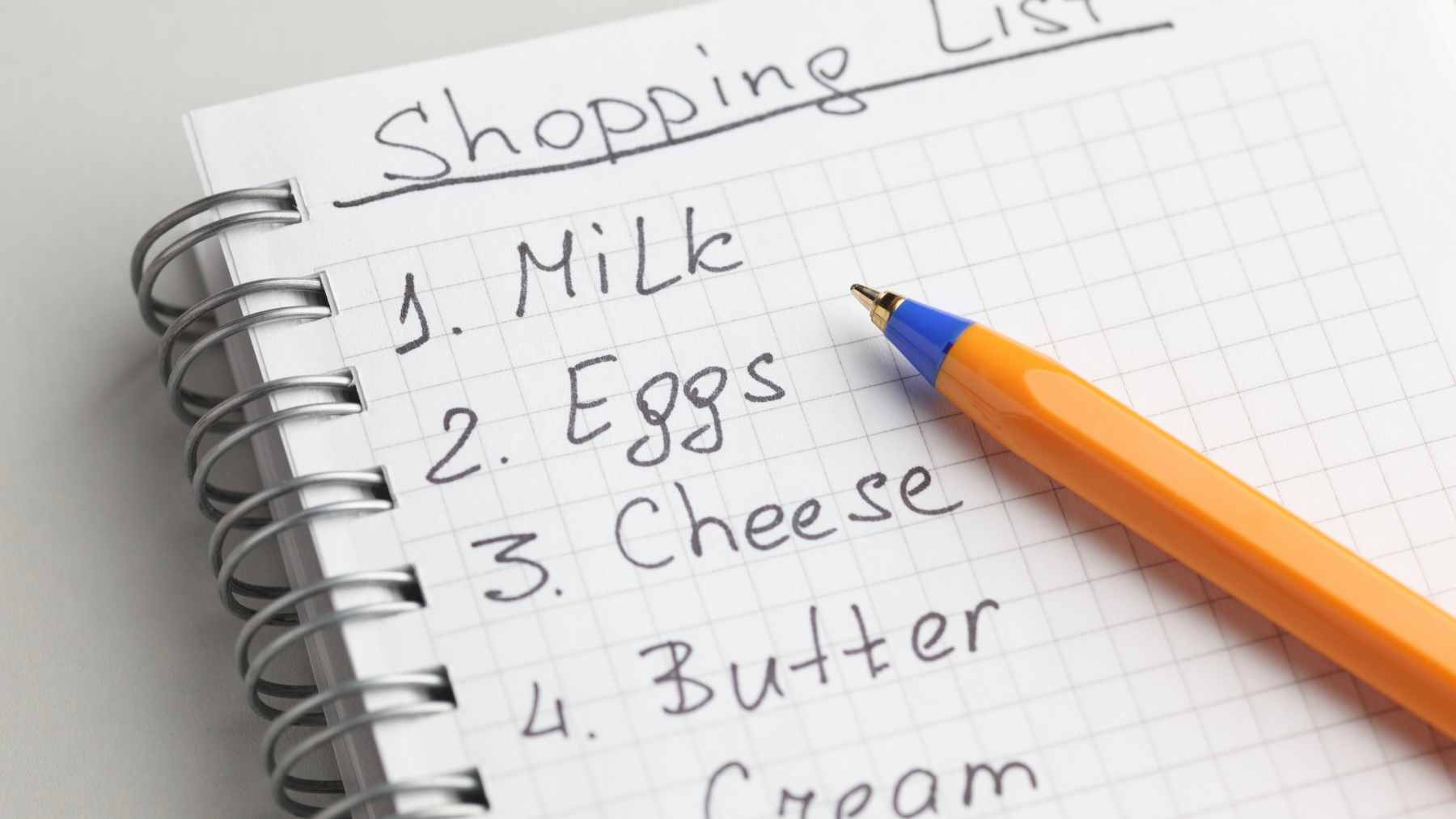
The researchers linked those patterns to visual and movement information produced by controlled hand movements. In plain language, forming letters by hand appears to make the brain work differently than pressing keys that all feel mostly the same.
A small habit with a food waste angle
This is not only about memory. A better list can also mean a better grocery trip, and that matters for sustainability.
The USDA estimates that 30 percent to 40 percent of the U.S. food supply is wasted. Its 2010 estimate put food loss and waste at about 133 billion pounds and $161 billion at the retail and consumer levels. That is a huge amount of food, money, water, labor, and energy ending up in the wrong place.
The EPA recommends checking the refrigerator, freezer, and pantry before shopping, then making a list based on meals and quantities. The agency says this can help households buy what they expect to use, which makes it more likely the food will actually be eaten.
Not anti-technology
None of this means everyone should delete their shopping apps. A digital list can be better for shared errands, price comparisons, accessibility needs, or families who update items throughout the week.
But the research does challenge the idea that paper is automatically outdated. For the most part, the benefit seems to come from the full process, looking around the kitchen, deciding what matters, writing it down, and then using the list as a guide.
At the end of the day, the humble grocery list is not just a reminder. It is a planning tool, a memory cue, and sometimes a small defense against buying a third jar of peanut butter when two are already hiding in the pantry.
The study was published in Frontiers in Behavioral Neuroscience.