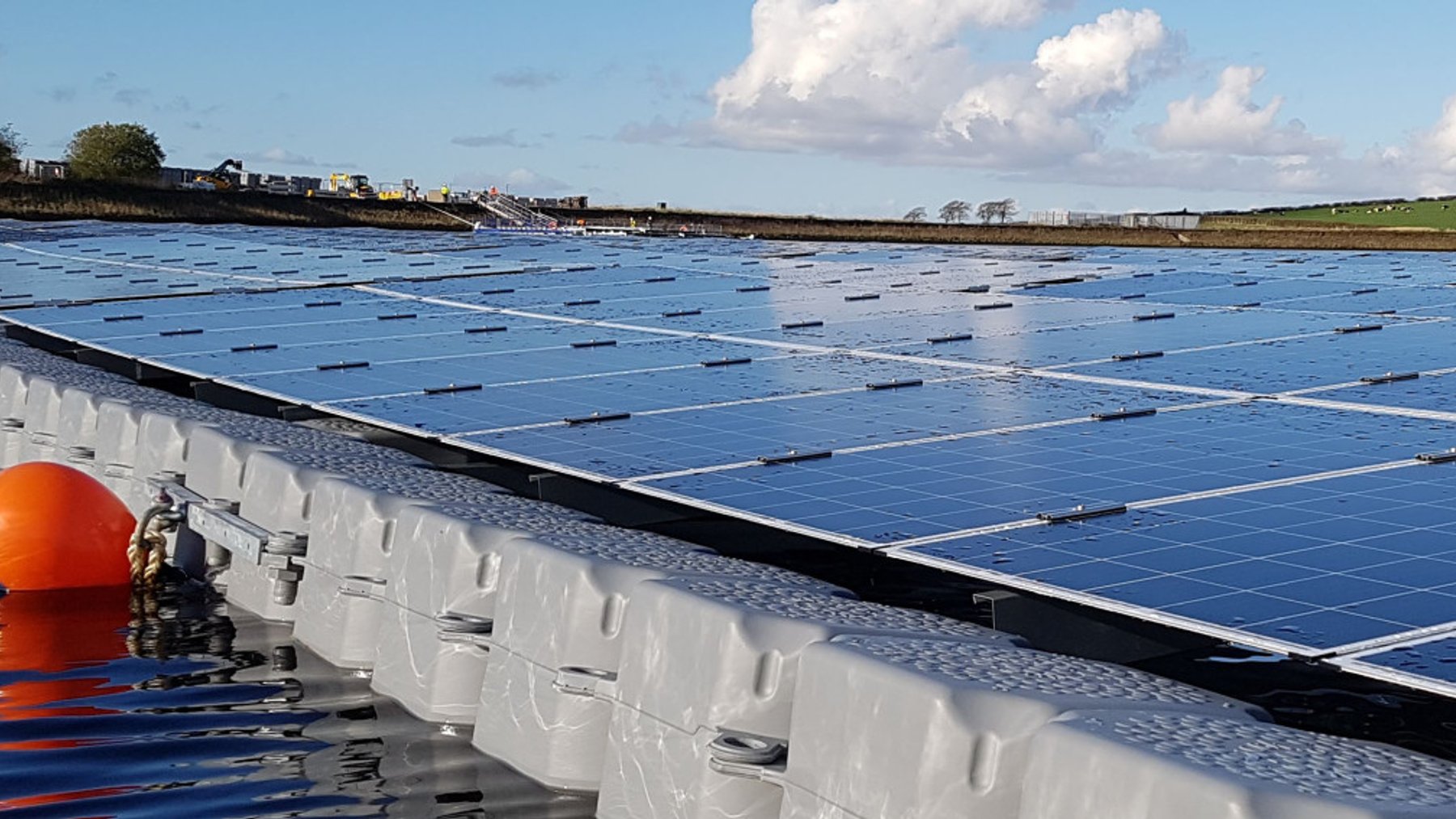
Environmentalists, and this is something you already know, are at odds with two different positions: some defend the implementation of renewable energies on a large scale, while others condemn the use of natural ecosystems for this purpose. Perhaps both are right, as one of the biggest mistakes of mankind has shown us. The idea was to cover the Sahara with solar panels, but we ended up losing 173 TWh and now only an empty, dark desert remains.
Why don’t we cover the Sahara with solar panels? It is not as simple as it seems
It has been rather encouraging to embrace the usability of the Sahara desert to generate renewable power for the world through the installation of solar panels. But we can now know for sure that if the attempted project were carried out, it would have devastating ramifications for the climate on our planet.
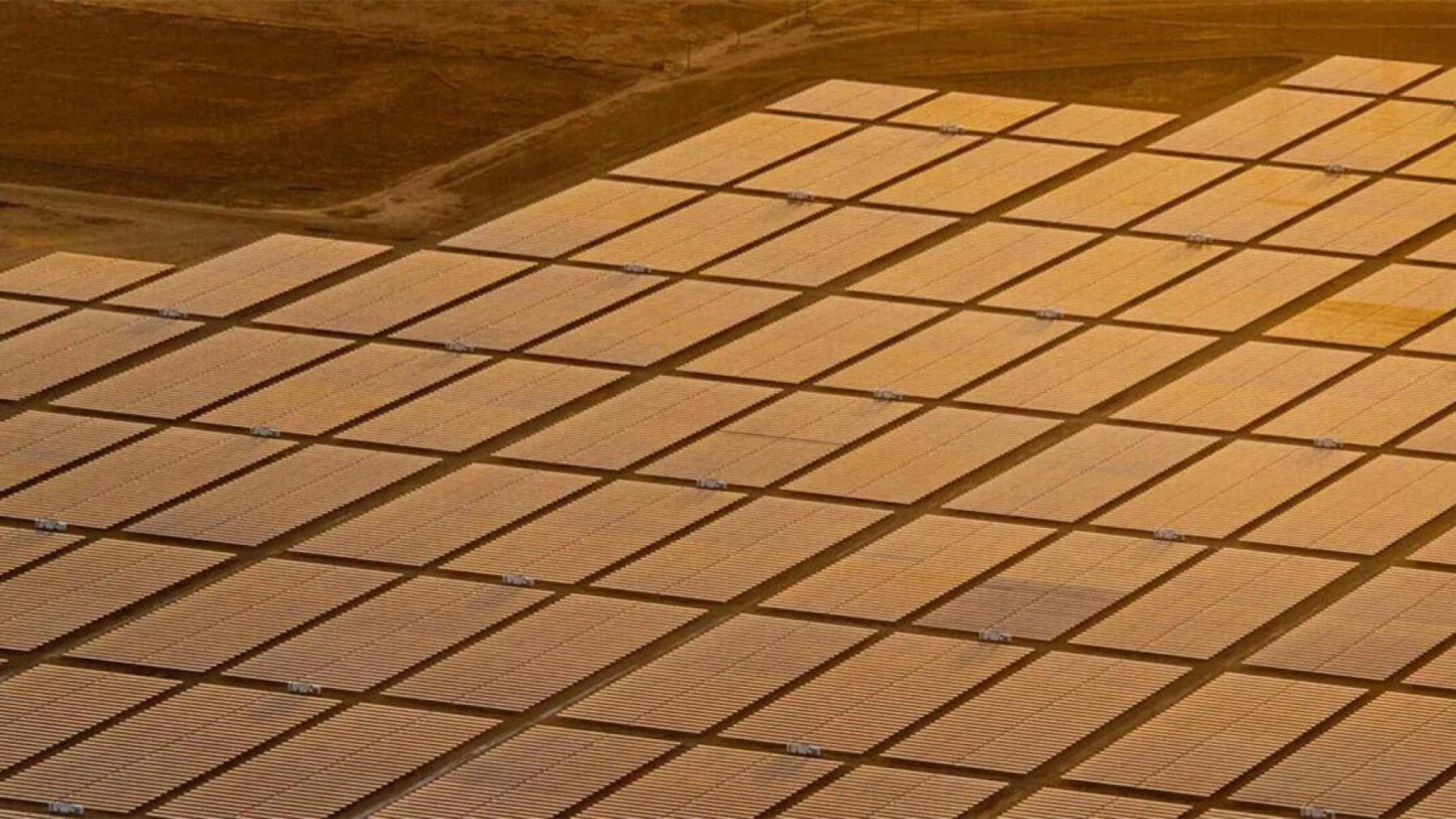
Constructing solar panels across the largest desert in the world, better known as the Sahara desert, was initially proposed in the early 2000s. The premise was simple: the Sahara also benefits from high levels of irradiation and, therefore, might facilitate the deployment of utility-scale solar farms.
It was estimated that to adequately provide cover for only one percent of the population, a huge amount of money would be required. It only takes a mere 2% of the Sahara desert to produce enough electricity to complement the world’s current consumption rates regarding solar panels.
The experts were very clear: the biggest mistake in history had to be stopped
The discoveries accomplished showed negative implications for the advancement of the Sahara solar project, which had steadily increased in the years prior to the undertaking of the study. The other plans by international consortia, like the Desertec Industrial Initiative, had been in existence and led to proposals for large solar farms in the Sahara to export electricity to Europe and other places.
However, the conclusions made in the study addressed aspects that highlighted the centrality of the global climate system as interconnected. Thus, the paper demonstrated that even if promoting the use of renewable energy resources is a purely noble cause, it is vital to understand the social implications of such activities and make necessary adjustments in strategy and approach.
What experts found: Why covering the Sahara with solar panels is not a good idea
The stupendous project of building a solar plant in the Sahara desert received a jolt as a team of researchers from the University of Illinois and the University of Maryland let out cold facts about the project in the journal Nature Climate Change in 2019. This project would have had a significant impact on regional as well as global climatic conditions.
The key findings were:
- Reduced Albedo: Solar panels are black, and as such, they are darker than the desert sand: they heat up more and lower the surface albedo. This would have increased the average temperature in the Sahara by 3°C, with some Stations rising as high as 10°C.
- Altered Rainfall Patterns: Had the warming increased even more, it would have affected the circulation of currents in the atmosphere, consequently resulting in lesser rainfall further down the Sahel region south of the Sahara. This could have posed challenges, especially to the local people, since the two are major sources of food, especially in Third World countries.
- Global Temperature Increase: The chain of climatic impacts of the Sahara solar project would have affected the atmospheric system around the world, raising global average temperatures by approximately 0.16 °C.
Altogether, the researchers claimed that due to the deleterious climate effects of the project, the creation of 1,153 TWh of renewable energy per year was anticipated to be offset by a net loss of 173 TWh per year. It would have neutralized any gains that may have been expected to be gotten from solar power generation.
A project like this was not going to be without controversy (we have also seen it in the ethnic reserves of Texas), but we never imagined that it could become the biggest failure of mankind. These 173 TWh are not the only losses, because we must add the 2 billion dollars that were invested and remained at a standstill. So, where do we put the solar panels? In the meantime, we leave them at home, and by this, you know we mean self-consumption.