The wind energy industry has long been dominated by the turbines and wind farms that undermine the beauty of remote landscapes. Has this Spanish company just cracked wind power?
Wind power as we know it today and the need to innovate
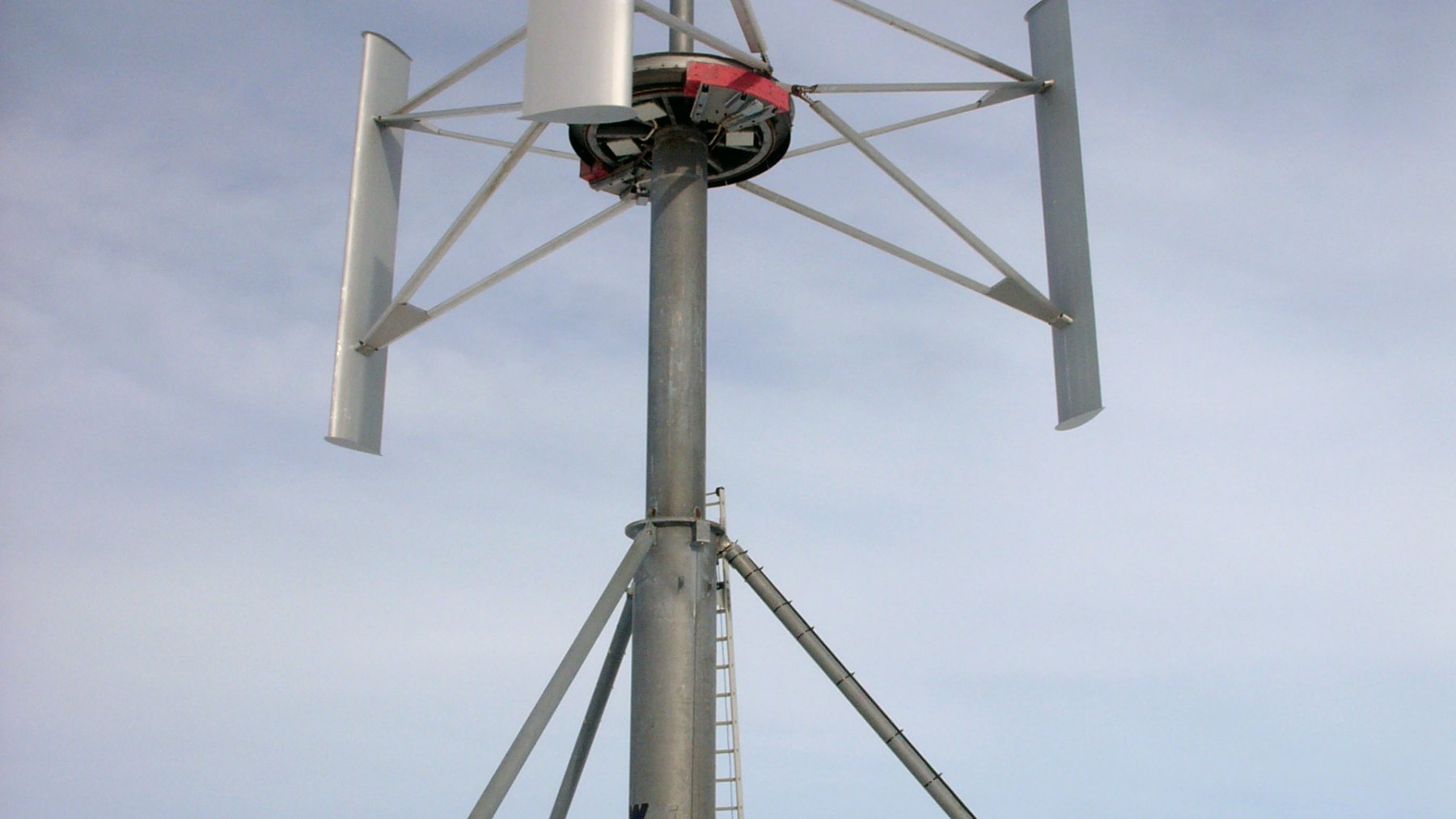
When we think of wind power, we tend to think of the gigantic wind turbines arranged into massive wind farms in remote and high-up areas. These turbines have faced backlash since their inception.
Among the most scathing critiques of these turbines are their consumption of space, their danger to birds and bats, their highly contingent effectiveness, and their degradation of natural beauty (a problem that this fascinating innovation in wind power is trying to solve).
In order for wind turbines to be effective, they must be arranged in sprawling wind farms. These wind farms are known to take up vast swathes of land – land which must be cleared of its natural inhabitants to make way for the turbines.
Conventional turbines are incredibly tall with blades moving at breakneck speed. Birds and bats have been known to collide with these massive blades. As such, the turbines threaten not only the animals that dwell on the land that is cleared, but those who live in the sky.
In order for traditional wind turbines to work, they must be placed in very specific areas. These areas must be at relatively high altitudes, away from cities, and must have very windy conditions. The electricity produced in these wind farms must be transported to cities, often at very high costs.
Bladeless, compact, and perhaps the future of wind power – but how does it work?
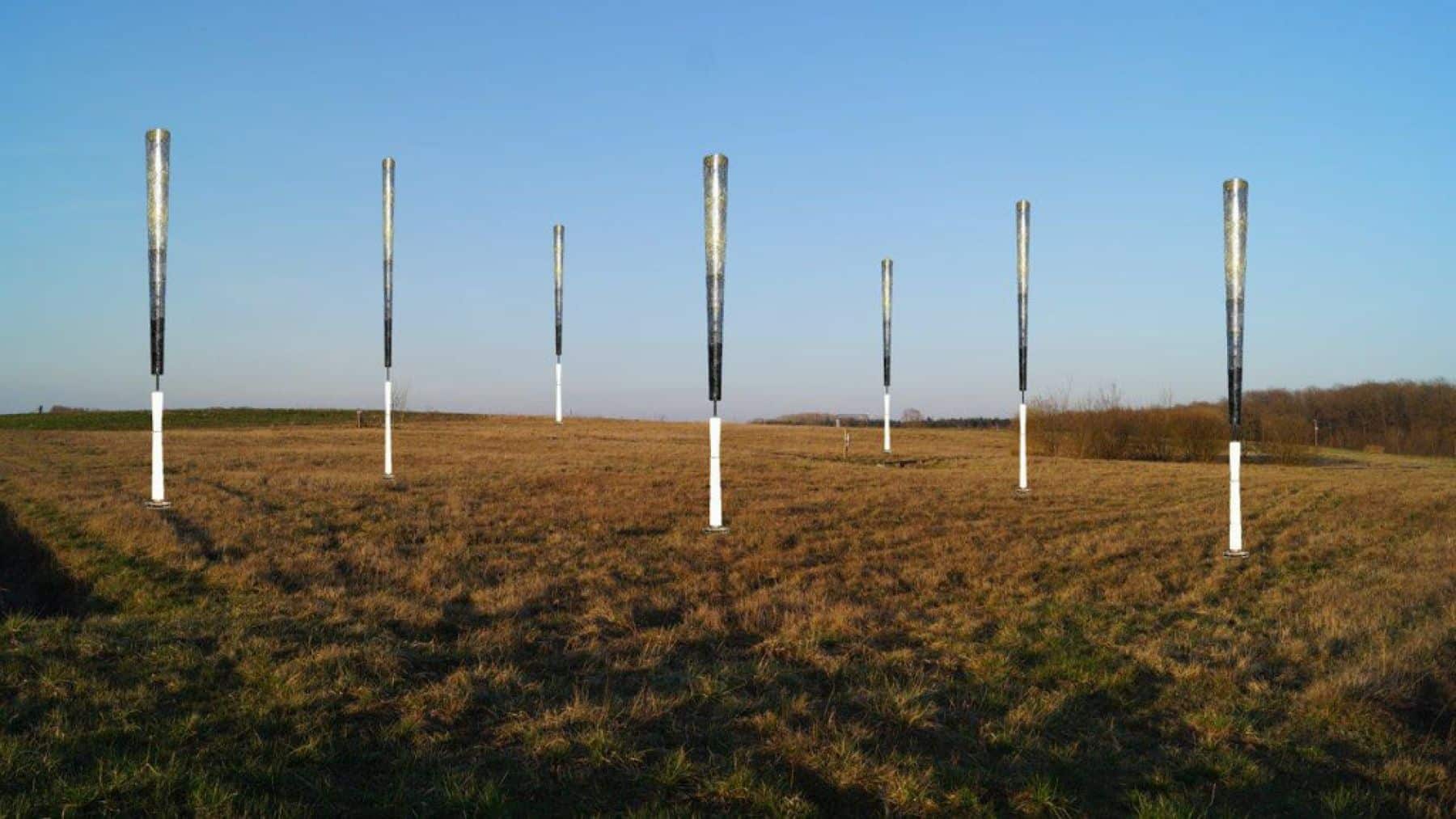
Spanish company, Vortex Bladeless Ltd., has designed turbines that are entirely without blades. They generate electricity by jiggling.
The structure of these bladeless turbines works by attracting whirlwinds. Depending on the speed and direction of the wind, these whirlwinds develop at certain frequencies. At the base of the bladeless turbine are two rings of repelling magnets. When the wind pulls the turbine in one direction, the magnets pull it in another, causing the tube to wiggle.
Energy reaches a peak when the frequency of the vortex or whirlwind coincides with the frequency of the turbine. This peak is established due to the aeroelastic coupling that arises at this point. It is at this moment that the energy is absorbed and converted from kinetic energy into electrical energy.
To simplify, the whirlwinds produced by the wind cause the turbine to vibrate. This kinetic energy is converted into electrical energy and used to power our homes.
Is a whole new world of wind power upon us?
These vortex turbines do not have the same land requirements as typical turbines. Though they produce less energy than conventional wind turbines per unit, more of them can be placed next to each other than their older alternative.
Because these new turbines do not need very strong winds to vibrate, they can be placed in more diverse areas than conventional turbines. Some have even argued for the incorporation of vortex turbines into urban infrastructure, down drafty alleys or on street corners.
In more remote areas, these new turbines can be used to power regions without access to the electrical grid. This can lead to the creation of more affordably produced self-sufficient communities.
Adding to the benefits of the bladeless vortex turbine is the fact that they do not pose the same threat to birds and bats as traditional wind turbines.
What are the implications of this revolutionary invention for the sustainable generation of electricity?
This is just one of the many ways wind power is being revolutionised (like how this kite is reaching up to 750 meters high to channel the power of the wind). These bladeless vortex turbines have the potential to dramatically alter both our urban and rural environments.
This invention might just be able to overcome some of the qualms many people have about traditional methods harnessing the wind for power. The design still needs to be workshopped, but it looks promising.