Spain
From Spain: physicists in Barcelona sending quantum information into crystal memories, ancient tombs with ivory/amber finds and DNA providing answers to previous mysteries in archaeology. We translate these science stories for an English-speaking audience.
49 stories · since 2024 · latest, November 20, 2026
Spanish researchers trained an AI model on signals implanted defibrillators send to hospitals, and its risk score rose in the months before ventricular fibrillation in those who went on to have it
Thousands of people with heart failure live with implanted defibrillators, small devices that can shock the heart back into rhythm. Those defibrillators…
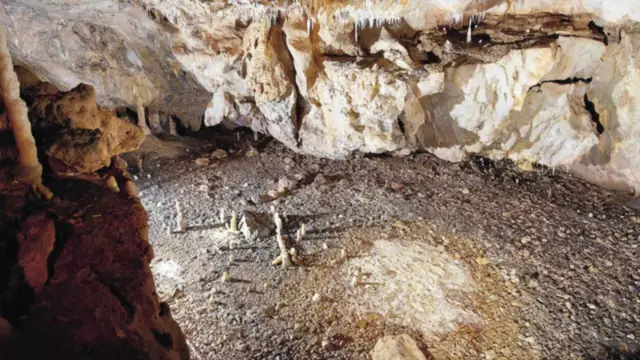
A rockfall sealed a cave in Spain during the last Ice Age with a 16,800-year-old home still inside, and the archaeologists studying it now cross its floor on padded walkways to avoid touching it
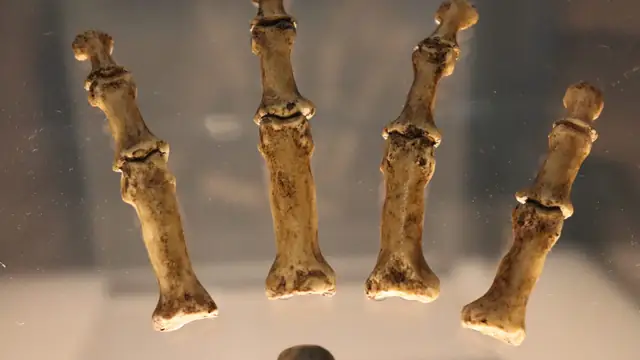
In Abauntz Cave in northern Spain, archaeologists have found the first Neanderthal remains ever identified in Navarre, six bones from a man’s right hand dated to about 46,000 years ago, and at first nobody realized they were human
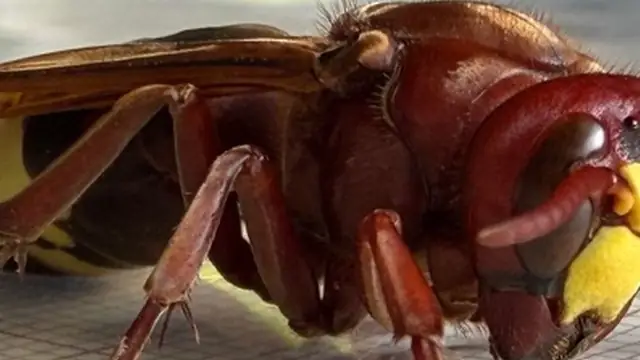
Goodbye to the idea that hornets only nest in trees: oriental hornets in Spain are turning up in shutter boxes and false ceilings, and most records sit within about 0.6 mile of towns
A hornet landing on your arm can make you want to swat first and think later. But as oriental hornets draw concern in Seville, Spain, biologist Daniel…
ECOnews Newsroom · October 27, 2026
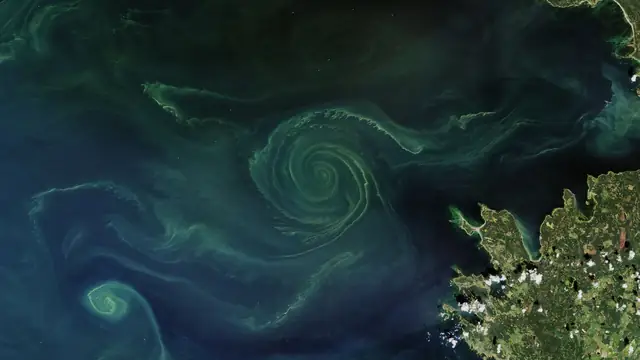
In the Baltic Sea off Sweden’s Gotland, the 2018 heat wave pushed surface water to about 81 degrees Fahrenheit on August 1, and on some July days southern Scandinavia was hotter than parts of Spain
The 2018 heat wave pushed surface water in the Baltic Sea to about 81 degrees Fahrenheit (27 °C) on August 1, from the Bornholm Sea to the waters around…
Adrian Villellas · October 20, 2026
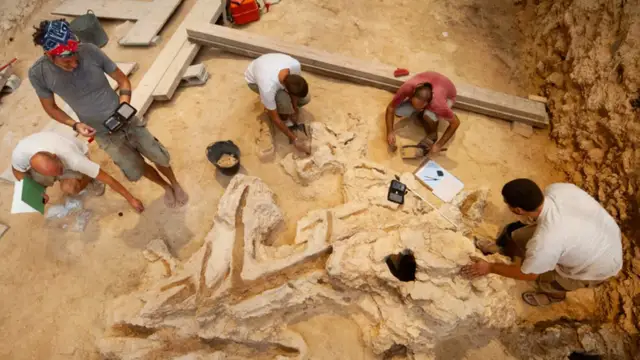
An excavation in Barcelona has revealed that Neanderthals not only carved stone but also made spears, bark trays, and wooden structures as far back as 62,000 years ago
Neanderthals at Abric Romaní, a rock shelter in Capellades, Barcelona, made spears, a club-like tool, bark trays and wooden structures between about…
Adrian Villellas · October 16, 2026
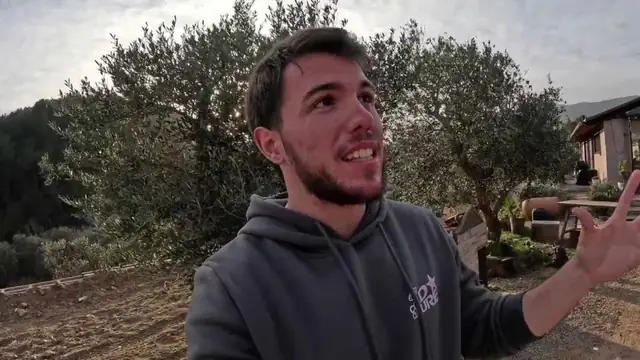
Juan, 29, chose an olive farm near Tarragona, Spain, over a Barcelona apartment costing more than $1,100 a month, and now he sells organic olive oil and grows 80 percent of his vegetables
Juan keeps his organic olive oil in a little stone hut at the mouth of a tunnel in a Catalan hillside. “We also use this as a storeroom, because it’s…
Adrian Villellas · October 15, 2026
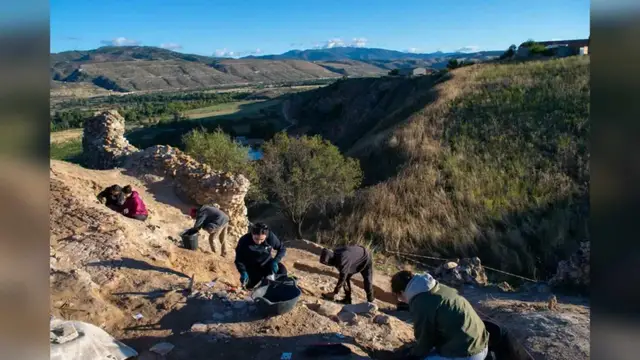
Uceda, a small town in central Spain, wants volunteers to excavate its hilltop castle and a buried 30-acre Islamic medina, and the archaeologists running the dig offer six weekly spots with breakfast until October 20
“Open to participation as volunteers,” says the poster the town hall of Uceda put out for the 2026 excavation campaign on September 2. The next line…
Adrian Villellas · October 15, 2026
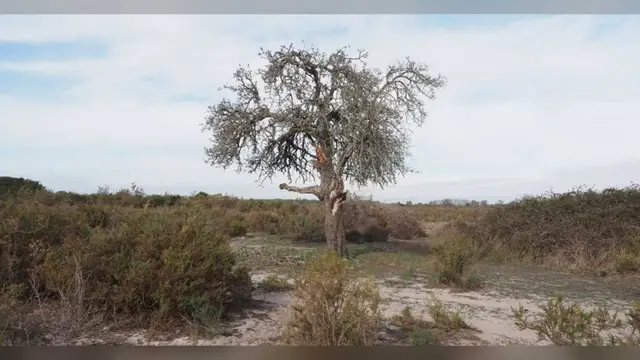
Spain’s Doñana National Park lost over 60 percent of adult Iberian pear trees at one site in two decades, and researchers point to deer, wild boar and falling groundwater
A lone piruétano, one of the Iberian pear trees of Doñana’s Biological Reserve, stands gray and nearly leafless in the scrub, with a split in the trunk…
Adrian Villellas · October 14, 2026
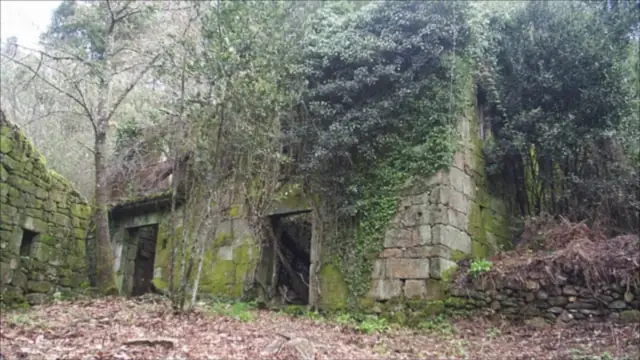
An abandoned village in Galicia with 12 stone houses was listed for 0 euros, but the broker says the deal is a 50-year concession and the town puts the bill for roads, water and power at up to €3 million
“I would be really proud if my kids can see where their father was born, see that it is something now,” Otilo Rodríguez, who grew up in one of the stone…
Adrian Villellas · October 6, 2026
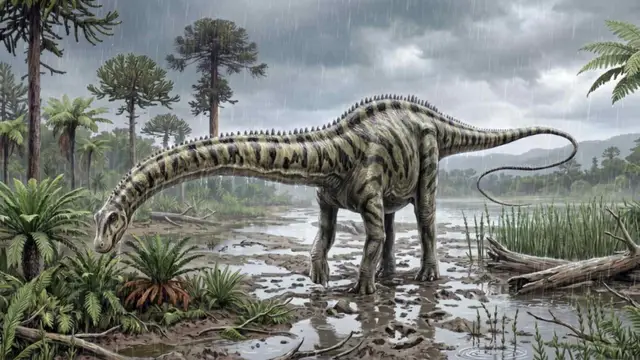
Paleontologists in Spain identified 14 tail bones from Teruel as Diplodocus, the first scientifically documented find of the famous dinosaur outside North America, though some experts want more proof
Fabien Knoll read the new paper on the tail bones from Teruel and liked what he saw. “Yes, the research is of high quality. It is well executed and…
ECOnews Newsroom · October 3, 2026
Scientists sampled 120 surfaces inside caves in Portugal and Spain and recovered ancient human DNA from just five, including a red-pigment crust at Escoural, revealing that even apparently blank cave walls can preserve genetic traces of people who passed through thousands of years ago
Scientists have recovered ancient human DNA from a pigment-bearing mineral crust in a Portuguese cave, showing that cave walls can preserve traces of…
ECOnews Newsroom · September 25, 2026
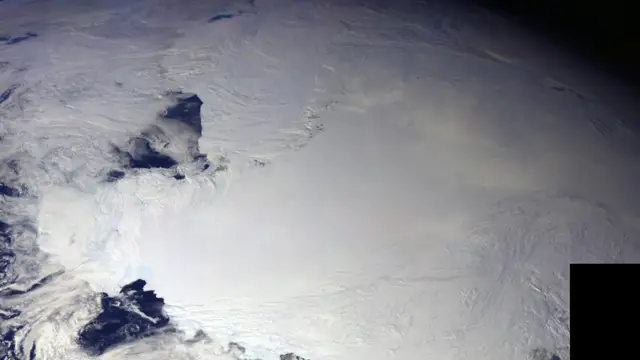
The Ross Ice Shelf is roughly the size of Spain and acts as a giant brake on Antarctic glaciers, but scientists monitoring beneath its hundreds of meters of floating ice have found warm summer water can nearly triple melting in vulnerable areas hidden from view
An enormous slab of floating ice in Antarctica is doing a job that matters far beyond the polar seas. The Ross Ice Shelf, roughly the size of Spain, slows…
Adrian Villellas · September 25, 2026
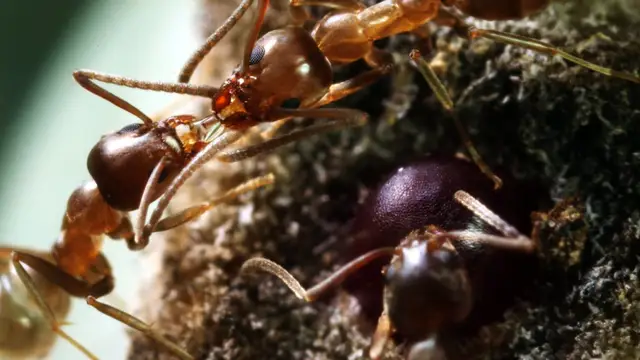
Argentine ants formed a supercolony across Portugal, Spain, France and Italy, linking nests across roughly 3,700 miles
An ant trail passing under a flowerpot may look small enough to be brushed aside. But, the Argentine ant (Linepithema humile) created a social network…
ECOnews Newsroom · September 12, 2026
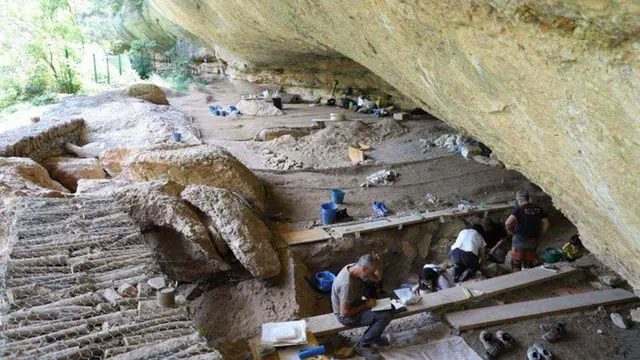
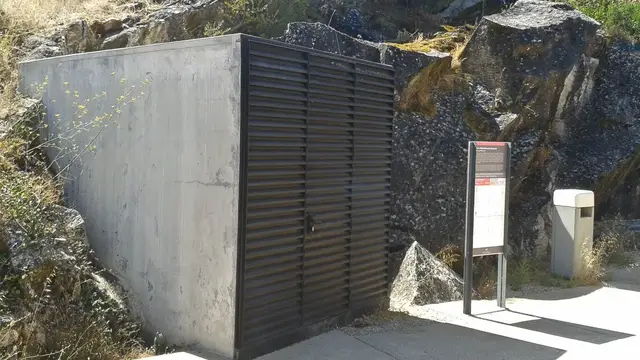
Archaeologists uncovered eight 8,000-year-old storage pits in Spain, but the deeper layers held an even rarer surprise, remarkably preserved traces of the last hunter-gatherers who lived there just before farming transformed the region
Can we find evidence of one of the biggest changes in human history in an abandoned pantry? Archaeologists working in northeastern Spain, at Coves del…
ECOnews Newsroom · September 5, 2026