“I would be really proud if my kids can see where their father was born, see that it is something now,” Otilo Rodríguez, who grew up in one of the stone houses of A Barca, said in 2014, as quoted by Fox News, when the BBC and other outlets covered a mayor’s offer to give away this abandoned village on the Miño River, in the town of Cortegada in Spain’s Galicia region.
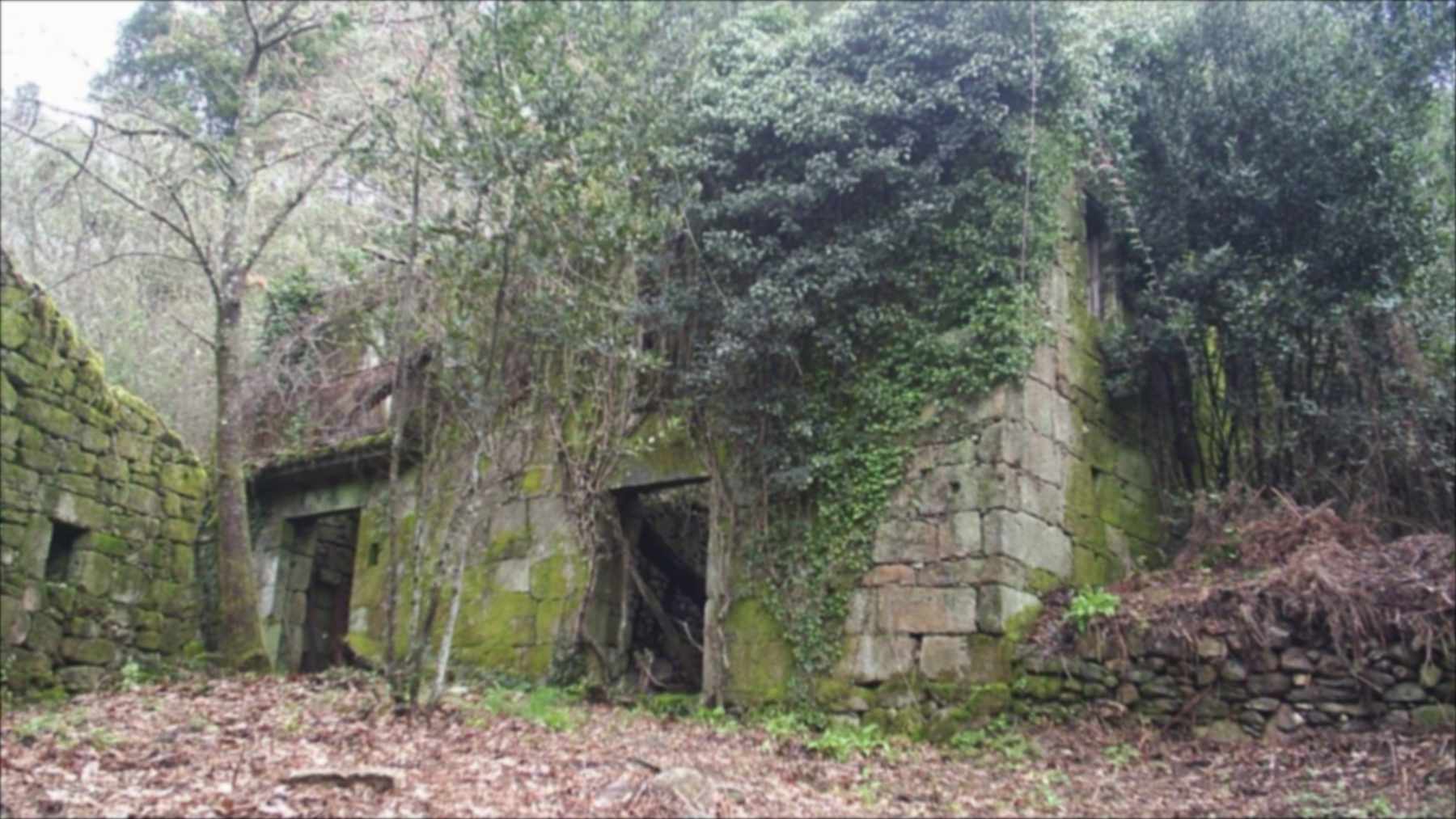
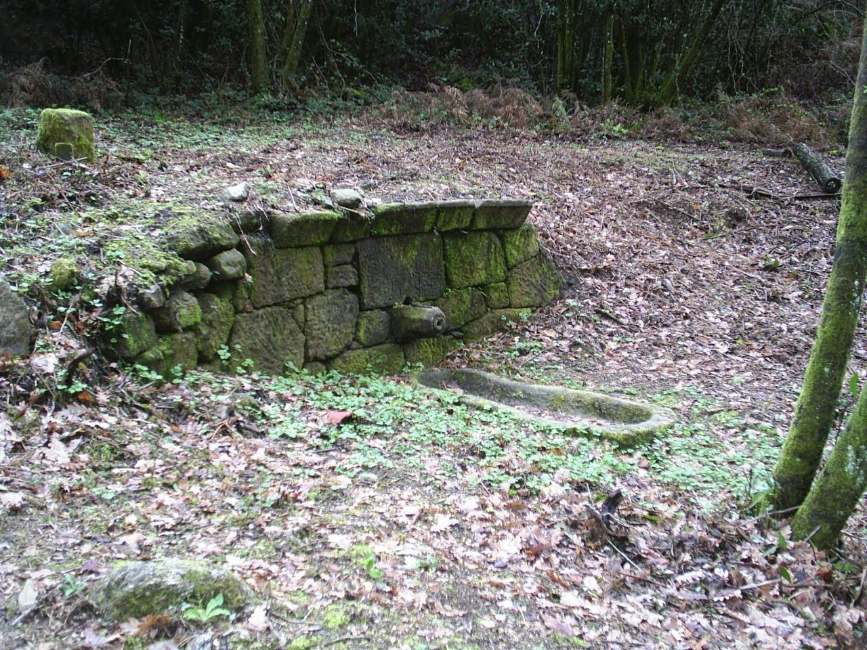
Twelve years later the village is making the rounds online again with the same price tag, zero euros, but the original listing by the real estate site Aldeas Abandonadas now carries the words “NO DISPONIBLE,” or not available. It describes a dozen houses to rehabilitate, four of them two stories high, on about 15,000 square meters, roughly 3.7 acres, with fountains and bridges, and it pitched the place for tourism, from a luxury eco-tourism village to a spa and leisure hotel, for 0 euros plus professional management fees.
A concession, never a deed
The catch was spelled out in June 2024 by Elvira Fafián, who runs Aldeas Abandonadas, in an interview with the Ourense newspaper La Región. The price had been “put that way for the ad,” she said, because the deal was a concession, so “the village will never be yours,” and after 50 years it would go back to the energy company Naturgy, according to her remarks, translated here from Spanish. Water and power hookups sit at least two kilometers away, which by her reckoning would cost more than the land is worth, and she put the full investment at over a million euros.
Cortegada’s mayor, Avelino de Francisco, was the one who tried to give A Barca away back then. In 2014 he told the BBC that “we have hot springs, areas of rivers, mountains, we have wonderful hiking areas,” and that whoever came would find “there is no stress here.” By 2024 he was telling La Región that the town council’s own project was dead, after Naturgy, which had absorbed the utility that once owned the village, insisted on taking it back after 50 years. The council had put the cost of restoring streets and roads and reconnecting water and electricity at €2 million to €3 million, and he listed a Dutch company, German investors and people from Madrid among those who walked away over the 50-year limit.
Hundreds of offers, almost none serious
In September 2013, La Región reported that 890 people had raised their hands online, with ideas that ran from a hippie commune to a cheese factory or a meditation retreat, and Rafael Canales, then director of aldeasabandonadas.com, said only three were worth taking seriously. Fox News, citing El País, wrote in 2014 that the closest call was a British company that wanted to open a rehabilitation center for people with heart disease.
A ferry stop and a reservoir that never came
Its name is the Galician word for a small boat, and according to Cortegada’s municipal history the place lived off a ferry that carried people across the Miño to Filgueira until a bridge went up in the 1920s and took most of the trade away. Decades later the utility Unión Fenosa expropriated A Barca because it expected the new Frieira reservoir to drown it, La Región reported in 2024, which is how entire towns ended up under reservoirs in other places, but here the water never came and the houses were left to the brambles, about 40 kilometers from the city of Ourense.
What restoring old buildings could save
Keeping sound old buildings in use instead of putting up new construction is one of the main ways to cut the climate cost of building, according to the United Nations Environment Programme’s report on building materials and the climate, and UNEP’s 2025-2026 status report on buildings puts buildings and construction at around 37% of global carbon dioxide emissions and nearly half of global material extraction.
For A Barca to join other efforts to bring old buildings back, somebody would have to sign the kind of contract that every bidder so far has turned down, and with the listing marked unavailable and the town’s plan shelved, nobody has said publicly that the zero-euro village is really on offer again, so Rodríguez is still waiting to see his old village become, in his words, “something respectable.”
Photo: Aldeas Abandonadas